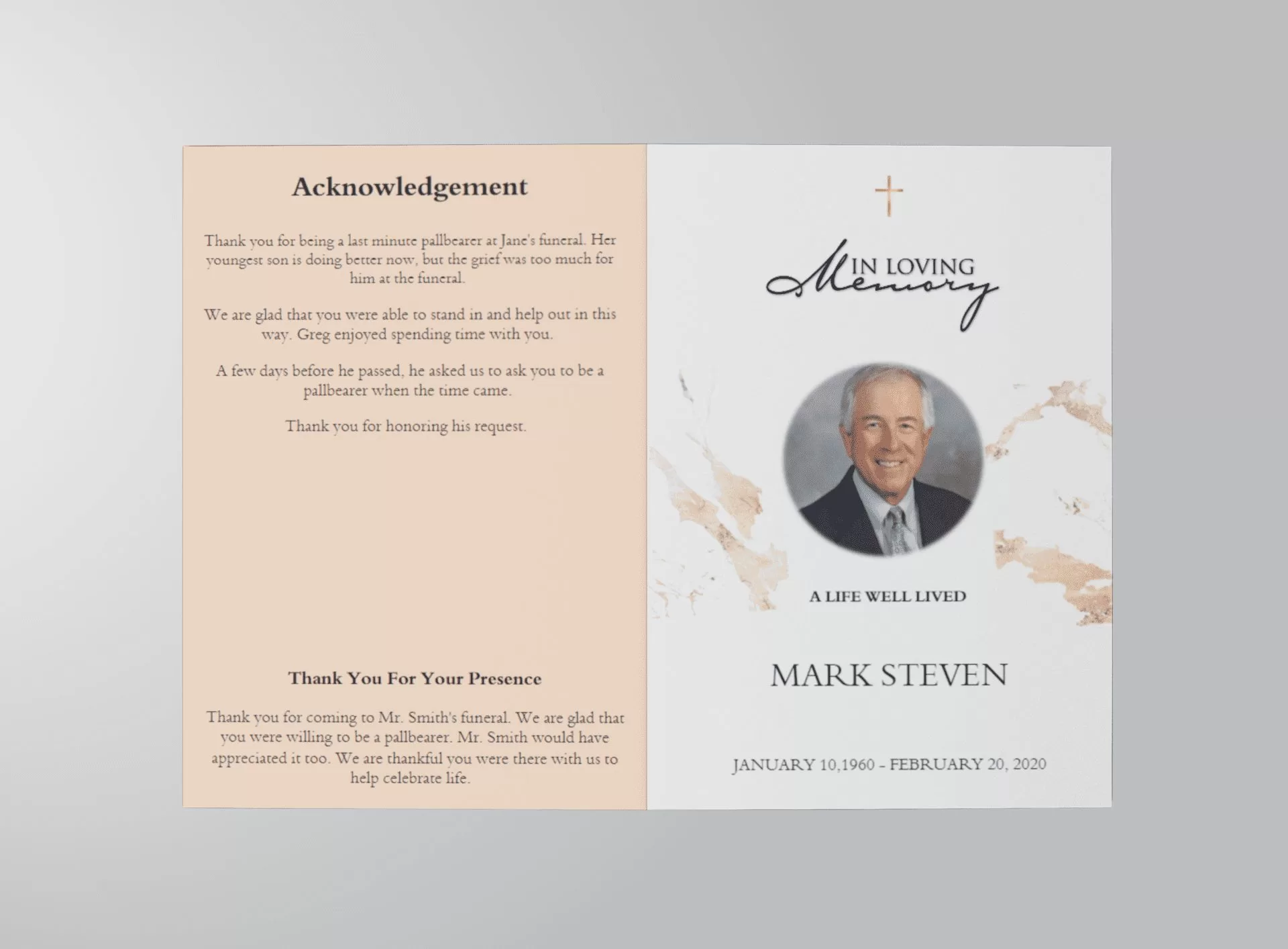
fall card

Navigating the Journey of Funeral Planning with Care

Obituary Example

Understanding Funeral Planning

When the time comes to plan a funeral, it can be overwhelming, especially during such a sensitive period. However, with proper knowledge and resources, you can navigate this journey with greater ease. To help you get started, here are some essential insights into funeral planning.

Key Elements of Funeral Planning

  • Choosing a Funeral Home: Research and select a funeral home that aligns with your needs and values.
  • Budgeting: Understand the costs involved and set a budget to avoid unexpected expenses.
  • Service Options: Decide on the type of service, whether traditional, memorial, or a celebration of life.
  • Obituary Preparation: Crafting a meaningful obituary can honor your loved one and inform the community.

Creating a Beautiful Funeral Slideshow

A funeral slideshow is a beautiful way to celebrate the life of your loved one. It can capture cherished memories and moments. At QuickFuneral.com, we offer free templates that make creating a heartfelt slideshow easy and accessible.

Essential Tips for a Smooth Planning Process

Here are some tips to facilitate your funeral planning experience:

  1. Communicate with Family: Keep lines of communication open with family members to ensure everyone’s wishes are respected.
  2. Keep Detailed Records: Document all decisions, contracts, and payments to keep everything organized.
  3. Seek Support: Don’t hesitate to seek help from professionals or support groups during this emotionally challenging time.

Understanding Funeral Rituals and Customs

Different cultures have unique customs that may be significant during the funeral process. Understanding these can help you pay appropriate respect to your loved one’s traditions. Learn more about this in our article on the essential elements of funeral planning and obituaries.

Planning for Difficult Decisions

It’s normal to feel overwhelmed by the decisions you need to make. Here are a few areas where you might want to focus:

  • Burial vs. Cremation: Each option has its significance and implications; consider what would best honor your loved one.
  • Memorial Contributions: Decide whether you would like to suggest charitable contributions in lieu of flowers.
  • Personal Touches: Incorporating personal touches, such as favorite music, poems, or photos can make the service more special.

Navigating Grief During Funeral Planning

Alongside planning, you may also be navigating your grief. It’s essential to allow yourself to grieve and seek support. You can find valuable insights on this topic in our resource about navigating funeral planning with compassion.

Final Thoughts on Funeral Planning

While planning a funeral can be daunting, being informed and prepared can significantly lessen the stress. Remember, you are not alone in this process, and numerous resources are available to assist you.
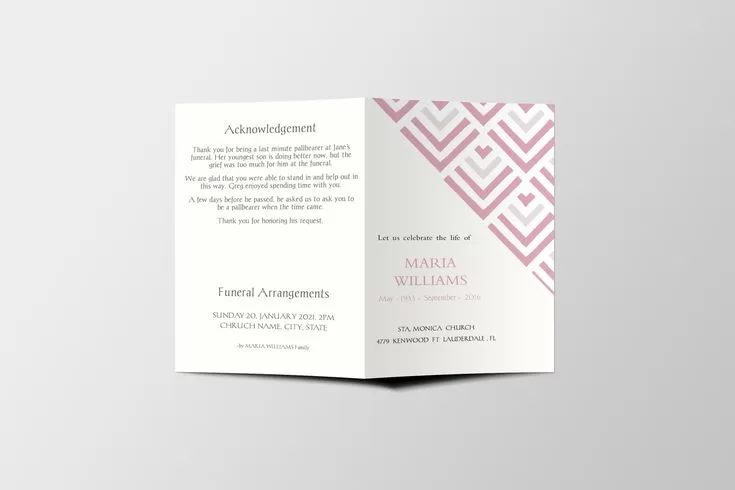

funeral program template

Understanding the Essentials of Funeral Planning

Obituary Template

Understanding Funeral Planning

Funeral planning is a deeply personal journey, often filled with emotional challenges. It is essential to approach this process with care and understanding. At QuickFuneral, we provide resources to navigate these complexities, ensuring that you honor your loved one’s memory while managing the necessary arrangements.

The Importance of Planning

Planning a funeral is not just about logistics; it’s about creating a meaningful tribute to a life lived. Here are some key reasons why planning ahead can be beneficial:

  • Emotional Preparedness: Planning allows you to process your grief while making decisions that reflect your loved one’s wishes.
  • Financial Clarity: Understanding funeral costs upfront can alleviate financial strain at a difficult time.
  • Personalization: Thoughtful planning helps create a service that truly reflects the personality and values of the deceased.

Key Considerations in Funeral Planning

When embarking on the journey of funeral planning, consider the following aspects:

  • Type of Service: Will it be a traditional service, a celebration of life, or something more unique? Each type can be tailored to fit personal preferences.
  • Location: Choosing the right venue is crucial. Whether it’s a place of worship, a funeral home, or a special outdoor setting, ensure it reflects the deceased’s spirit.
  • Budgeting: Establish a clear budget to guide your choices. Understanding the costs associated with each aspect of the funeral can help maintain financial peace of mind.
  • Guest List: Consider who should be invited. This can help with planning logistics and ensuring that important friends and family members are included.

Resources to Guide You

As you navigate these decisions, resources can provide valuable insights and assistance. For example, our article on Navigating the Emotional Landscape of Funeral Planning delves into the psychological aspects of planning a funeral during a time of grief. Additionally, our guide on Understanding the Essentials of Funeral Planning breaks down the fundamentals you need to know.

Steps to Follow

  1. Gather Information: Research various options available for services, burial, or cremation.
  2. Consult Family: Discuss plans with family members to ensure everyone’s wishes are considered.
  3. Make Arrangements: Contact a funeral home to discuss your plans and begin the arrangement process.
  4. Personalize the Service: Consider incorporating personal touches, such as music, readings, or displays of mementos that reflect your loved one’s life.

Helpful Guides

For those seeking comprehensive advice, our Complete Guide to Navigating Funeral Planning provides a thorough overview, while our Essential Guide to Funeral Planning focuses on navigating grief with care during this challenging time.

Planning a funeral can feel overwhelming, but with the right support and resources, it can also be a meaningful way to honor a loved one’s legacy. Remember, you don’t have to go through this alone; reach out for help whenever you need it.

Understanding the Essentials of Funeral Planning

Example of an obituary for a mother template

Understanding the Essentials of Funeral Planning

Funeral planning is a delicate process that requires sensitivity and understanding, especially during the painful time of loss. At QuickFuneral, we aim to provide you with comprehensive resources to help ease this journey. Whether you’re starting to make arrangements or seeking ways to celebrate a loved one’s life, our guides can assist you in this emotional landscape.

The Importance of Planning

Planning a funeral allows families to honor their loved ones and ensure their final wishes are respected. It also provides a framework for managing the many decisions that need to be made. Here are some key aspects to consider:

  • Location: Choose a venue that reflects the personality of the deceased.
  • Service Type: Decide between a traditional service, a celebration of life, or a more personalized tribute.
  • Budget: Establish a budget that accommodates your needs while honoring the memory of your loved one.

Emotional Considerations

During this time, emotions run high. It’s vital to navigate the emotional landscape of funeral planning with care. For a deeper understanding of managing these feelings, check out our article on Navigating the Emotional Landscape of Funeral Planning. This resource provides insights on coping mechanisms and the importance of support networks.

Practical Steps to Take

To facilitate the planning process, here’s a practical checklist to follow:

  1. Gather necessary documents, including any pre-arrangement plans.
  2. Contact a funeral home to discuss options and services.
  3. Decide on burial or cremation and any related details.
  4. Plan the service details, including speakers, music, and readings.
  5. Consider personalized memorial items or keepsakes.

Creative Ways to Honor a Life

Incorporating personal touches can make a funeral service more meaningful. Consider using heartfelt poems or unique tributes that celebrate the life of the deceased. These elements can help create a warm and loving atmosphere, allowing attendees to share fond memories.

Resources for Guidance

For those new to the process, our Complete Guide to Navigating Funeral Planning offers a step-by-step approach to help simplify decisions. This comprehensive resource covers everything from planning logistics to emotional support, ensuring you feel informed and prepared every step of the way.

Additionally, our Essential Guide to Funeral Planning provides vital insights into managing grief while making plans. It emphasizes the importance of taking care of your emotional well-being during this difficult time.

Conclusion

Although this post does not conclude with a traditional ending, the journey of funeral planning is ongoing. Each step can be both a challenge and a tribute to the life being honored. At QuickFuneral, we are here to support you through every aspect, offering resources that cater to both practical and emotional needs.

Sample Obituary Templates

Essential Insights into Funeral Planning

Obituary Template

Essential Insights into Funeral Planning

Planning a funeral can often feel overwhelming, especially when dealing with the emotions that accompany the loss of a loved one. Understanding the key aspects of funeral planning can help ease this process, making it more manageable for you and your family.

What is Funeral Planning?

Funeral planning involves making arrangements for a service to honor the life of a deceased individual. This process includes decisions regarding:

  • The type of service (traditional, memorial, etc.)
  • Burial or cremation options
  • Choosing a venue and time
  • Personalizing the service with tributes and memories

Understanding the Importance of Funeral Planning

Planning a funeral is crucial for several reasons:

  • It allows families to come together and support each other.
  • Provides an opportunity to celebrate the life of the deceased.
  • Helps in coping with grief, offering closure to family and friends.

Resources to Assist You

At QuickFuneral LLC, we provide a variety of resources to guide you through the funeral planning process. For a personalized approach, check out our online obituary maker, which helps you create a meaningful tribute for your loved one.

Comprehensive Guides

To further assist you, we have compiled several comprehensive guides that cover essential aspects of funeral planning. Some of these include:

Navigating the Emotional Landscape

It’s important to navigate the emotional landscape of funeral planning with care. This process can be made easier with support from family and friends. Navigating the Journey of Funeral Planning offers valuable insights into how to tackle this journey thoughtfully.

Final Thoughts on Funeral Planning

While planning a funeral can be a challenging task, being informed and prepared can significantly ease the burden. Utilize the resources available at QuickFuneral LLC to ensure that you create a fitting tribute to honor the life of your loved one.

How to Write a Funeral Program Obituary

A Comprehensive Guide to Funeral Planning

Example of an obituary for a mother template

Understanding the Importance of Funeral Planning

Funeral planning is a crucial process that allows families to honor and remember their loved ones. It can often feel overwhelming, especially during a time of grief. However, having a clear understanding of the essentials can help ease the burden and ensure that all details are thoughtfully managed.

Key Components of Funeral Planning

  • Choosing the Right Service: Selecting a funeral service that resonates with your family’s values is essential. For guidance, explore our helpful guide to understanding funeral planning.
  • Budgeting: Funeral expenses can vary widely. It’s important to create a budget that aligns with your family’s financial situation. Our comprehensive guide to funeral planning essentials can help you identify potential costs.
  • Choosing a Location: Decide on a suitable venue for the service, whether it’s a church, funeral home, or another location that holds significance.
  • Personal Touches: Incorporating personal elements like photos, music, and mementos can make the service more meaningful. Consider adding quotes or readings, such as Bible quotes for funeral services that reflect your loved one’s spirit.

Steps to Take When Planning a Funeral

To effectively navigate the funeral planning process, consider the following steps:

  1. Gather Information: Collect necessary documents and information about the deceased, including their wishes regarding the service.
  2. Consult with Family: Engage family members in discussions about the service to ensure everyone’s wishes and feelings are respected.
  3. Choose a Funeral Director: A compassionate funeral director can guide you through the process, helping with logistics and arrangements. Learn more about the role of a funeral director in navigating the journey of funeral planning.
  4. Finalize Arrangements: Confirm all details, including the service date, location, and any specific requests from family members.

Support Resources

During this challenging time, it’s important to remember that you are not alone. Numerous resources are available to support you through the grieving process:

  • Grief Support Groups: Many communities offer support groups for those dealing with loss. Connecting with others can provide comfort and understanding.
  • Online Resources: Websites like QuickFuneral offer a wealth of information on various aspects of funeral planning. Check out our article on navigating the essentials of funeral planning for additional insights.
  • Professional Counseling: If grief becomes overwhelming, seeking help from a professional counselor or therapist can be beneficial.

Funeral planning is an essential part of honoring a loved one’s life. By approaching the process with care and thoughtfulness, you can create a service that reflects their legacy and brings comfort to those left behind.

funeral program template

Navigating the Emotional Journey of Funeral Planning

Example of an obituary for a mother

Understanding the Fundamentals of Funeral Planning

When faced with the loss of a loved one, navigating the complexities of funeral planning can be overwhelming. It’s essential to approach this process with care, ensuring that you honor the memory of your loved one while also addressing the practical aspects of the arrangements.

The Importance of Funeral Services

Funeral services play a vital role in helping friends and family members come together to celebrate the life of the deceased. Understanding the various options available can ease the decision-making process during such a difficult time. For a comprehensive overview, consider reading our detailed guide on understanding funeral services.

Key Components of a Funeral Service

  • Viewing: A time for family and friends to pay their respects.
  • Service: A ceremony that can be religious or secular, reflecting the wishes of the deceased.
  • Burial or Cremation: Final disposition choices that should align with personal beliefs and desires.
  • Reception: A gathering following the service, providing comfort and community support.

Creating a Memorable Tribute

One touching way to honor your loved one is by creating a funeral slideshow. This visual tribute can encapsulate cherished moments and memories, making the service more personal and heartfelt. For tips on how to create an impactful slideshow, check out our article on creating a heartfelt funeral slideshow.

Steps to Creating a Slideshow

  1. Gather photos and videos that represent your loved one’s life.
  2. Choose a meaningful song or background music.
  3. Use slideshow software to compile and edit your materials.
  4. Consider incorporating quotes or poetry to enhance emotional impact.

Honoring Memories Through Words

Finding the right words to express your feelings can be challenging. Poetry offers a unique way to convey emotions and honor your loved one’s memory. In our article on honoring loved ones through poetic memories, you’ll find inspiration and guidance on how to craft a beautiful tribute.

Planning with Compassion

Planning a funeral involves many decisions that require sensitivity and care. By utilizing resources that provide guidance and support, you can navigate this process more smoothly. Our comprehensive guide on understanding funeral planning is designed to assist you every step of the way, ensuring you’re equipped with the knowledge needed to make informed choices.

Essential Considerations in Funeral Planning

  • Budgeting for services and associated costs.
  • Communicating wishes and preferences of the deceased.
  • Choosing the right funeral home and services.
  • Involving family members in the planning process.

Conclusion

While this blog post does not include a conclusion, it’s clear that navigating the journey of funeral planning is both a personal and communal experience. By utilizing available resources and support, you can honor the life of your loved one with dignity and love.

Sample Obituary Templates

A Comprehensive Guide to Funeral Planning

Obituary Template

Understanding Funeral Planning

Losing a loved one is an incredibly challenging time for anyone, and navigating the intricacies of funeral planning can add to the stress. It’s essential to approach this process with care and organization. This guide aims to equip you with the knowledge and resources needed to manage funeral arrangements effectively.

The Importance of Planning

Planning a funeral can help honor the deceased’s wishes and create a meaningful tribute. Here are several reasons why having a plan in place is beneficial:

  • Emotional Relief: A pre-planned funeral can alleviate the emotional burden on family members during a difficult time.
  • Cost Management: Pre-planning can help manage costs and avoid overspending on last-minute arrangements.
  • Personalization: Planning allows families to incorporate personal elements that reflect the deceased’s life and values.

Essential Elements of Funeral Planning

When planning a funeral, consider these key components:

  1. Choosing a Funeral Home: Research and select a reputable funeral home that aligns with your family’s needs.
  2. Service Type: Decide whether to hold a traditional funeral service, memorial service, or a celebration of life.
  3. Obituary Writing: Crafting a heartfelt obituary is a critical part of honoring your loved one. For a template, check out our obituary template.
  4. Budgeting: Create a budget that encompasses all aspects of the funeral, from transportation to venue costs.

Resources for Families

Utilizing tools and guides can simplify the planning process. For instance, our Funeral Bulletin Template Guide for Families provides invaluable insights into creating a meaningful bulletin that can be distributed during the service.

Mastering Funeral Planning

To deepen your understanding of the funeral planning process, consider our comprehensive guides:

Final Thoughts

While the journey of planning a funeral can be daunting, having a structured approach and utilizing available resources can make the process smoother. Remember, you are not alone in this journey; there are guides and templates to assist you in honoring your loved one’s memory.

Sample Obituary Templates

Navigating the Complexities of Funeral Planning

Example of an obituary for a mother template

Understanding Funeral Planning

When faced with the loss of a loved one, the process of funeral planning can be a daunting task. Emotions run high, and the details can feel overwhelming. Here, we aim to provide clarity and support as you navigate through this challenging time.

The Importance of Thoughtful Planning

Effective funeral planning is crucial not only for honoring the deceased but also for offering comfort to friends and family. Here are some essential steps to consider:

  • Gather Information: Collect vital documents, including birth certificates and any pre-arrangements made by the deceased.
  • Budgeting: Establish a budget to prevent unexpected financial strain. Consider costs for the service, flowers, and other essentials.
  • Choosing a Location: Select a venue that resonates with the personality of your loved one. Whether it’s a religious site or a favorite park, the location matters.
  • Personalizing the Service: Incorporate elements that reflect the life and passions of the deceased, such as music, readings, or photos.

Helpful Resources

We encourage you to explore our comprehensive guide to funeral planning for more insights on how to approach this delicate task with care and compassion.

Crafting Meaningful Invitations

Funeral invitations play a significant role in informing loved ones about the memorial service. They convey essential details and set the tone for the gathering. If you need inspiration, check out our funeral invitation examples to help you create a thoughtful message.

Emotional Support During Planning

Planning a funeral can be an emotional journey. To better understand the feelings involved, you might find our resource on navigating the emotional journey of funeral planning particularly helpful.

Compassionate Care in Arrangements

During this difficult time, it’s vital to approach funeral arrangements with compassion. Our guide on navigating funeral planning with compassion provides tips on how to support yourself and others while managing the logistics.

Conclusion

While we won’t delve into a conclusion here, remember that each step taken in planning a funeral is a step toward honoring your loved one’s memory. Embrace the journey with love and understanding, and don’t hesitate to seek help where needed.

fall card

Navigating Funeral Planning with Compassion and Care

Example of an obituary for a mother template

Understanding the Funeral Planning Process

When a loved one passes away, the emotional toll can be profound. Navigating funeral arrangements during this difficult time can often feel overwhelming. However, with the right guidance and resources, you can approach this process with clarity and peace of mind. Our Understanding Funeral Planning: A Comprehensive Guide is a great starting point to help you understand the essentials.

Key Elements of Funeral Planning

  • Choosing a Funeral Home: It’s important to select a funeral home that aligns with your family’s needs and values.
  • Deciding on the Type of Service: Whether you prefer a traditional service or something more unique, understanding your options can guide your decision.
  • Creating a Budget: Funeral costs can add up quickly, so establishing a budget early on can help manage expenses.

Creating a Meaningful Obituary

A significant part of the funeral program is the obituary. It honors the deceased and informs others of the service details. For inspiration, check our Comprehensive Guide to Funeral Program Obituary Samples. It provides various examples and templates to help you craft a personal tribute.

Importance of Thoughtful Planning

Taking the time to plan thoughtfully can make a significant difference in how you and your family cope with the loss. Our article on Essential Insights into Thoughtful Funeral Planning elaborates on why careful planning matters, emphasizing emotional support and logistical considerations.

Resources for Grief Support

Funeral planning is not just about logistics; it also involves emotional support for the grieving family. Connecting with community resources can provide comfort. Consider reaching out to local grief support groups or counselors.

Final Thoughts on Funeral Arrangements

Planning a funeral is a journey that requires both emotional and practical considerations. With the right resources, such as our Essential Guide to Thoughtful Funeral Planning, you can navigate this path with confidence.

Conclusion

Although there’s no traditional conclusion in this context, remember that planning a funeral is a personal journey. Use the resources available to you, and don’t hesitate to reach out for help when you need it.

funeral program template

Navigating the Essentials of Funeral Planning

Obituary Template

Understanding the Importance of Funeral Planning

When faced with the loss of a loved one, the process of funeral planning can feel overwhelming. It’s a time filled with emotional challenges, and having a clear understanding of the steps involved can make a significant difference. Here’s a comprehensive guide to help you navigate this difficult time.

Key Components of Funeral Planning

  • Choosing the Right Type of Service: Decide whether a traditional burial, cremation, or memorial service aligns with the wishes of your loved one.
  • Setting a Budget: Consider all potential costs, including the service, burial or cremation, and any additional expenses.
  • Selecting a Funeral Home: Research local funeral homes and their services. You might find our Comprehensive Guide to Funeral Pamphlet Samples helpful in understanding what options are available.
  • Planning the Details: Work on the specifics such as music, readings, and who will speak at the service.

Creating a Meaningful Obituary

An obituary is a heartfelt way to commemorate your loved one. It can reflect their life, achievements, and the impact they had on others. For inspiration, you can check out our obituary template that provides a structured format to help you express your sentiments.

Additional Resources for Funeral Planning

To assist you further, consider exploring:

Support Systems Available

During this difficult time, it’s essential to lean on your support network. Family, friends, and even professional counselors can help you cope with grief. You are not alone, and there are numerous resources available to help you manage through this challenging period.

Final Thoughts

Planning a funeral is never easy, but being prepared and informed can help ease the burden. By understanding the process and utilizing available resources, you can honor your loved one’s memory in a way that feels right for you.

Back to Top
Product has been added to your cart
Compare (0)