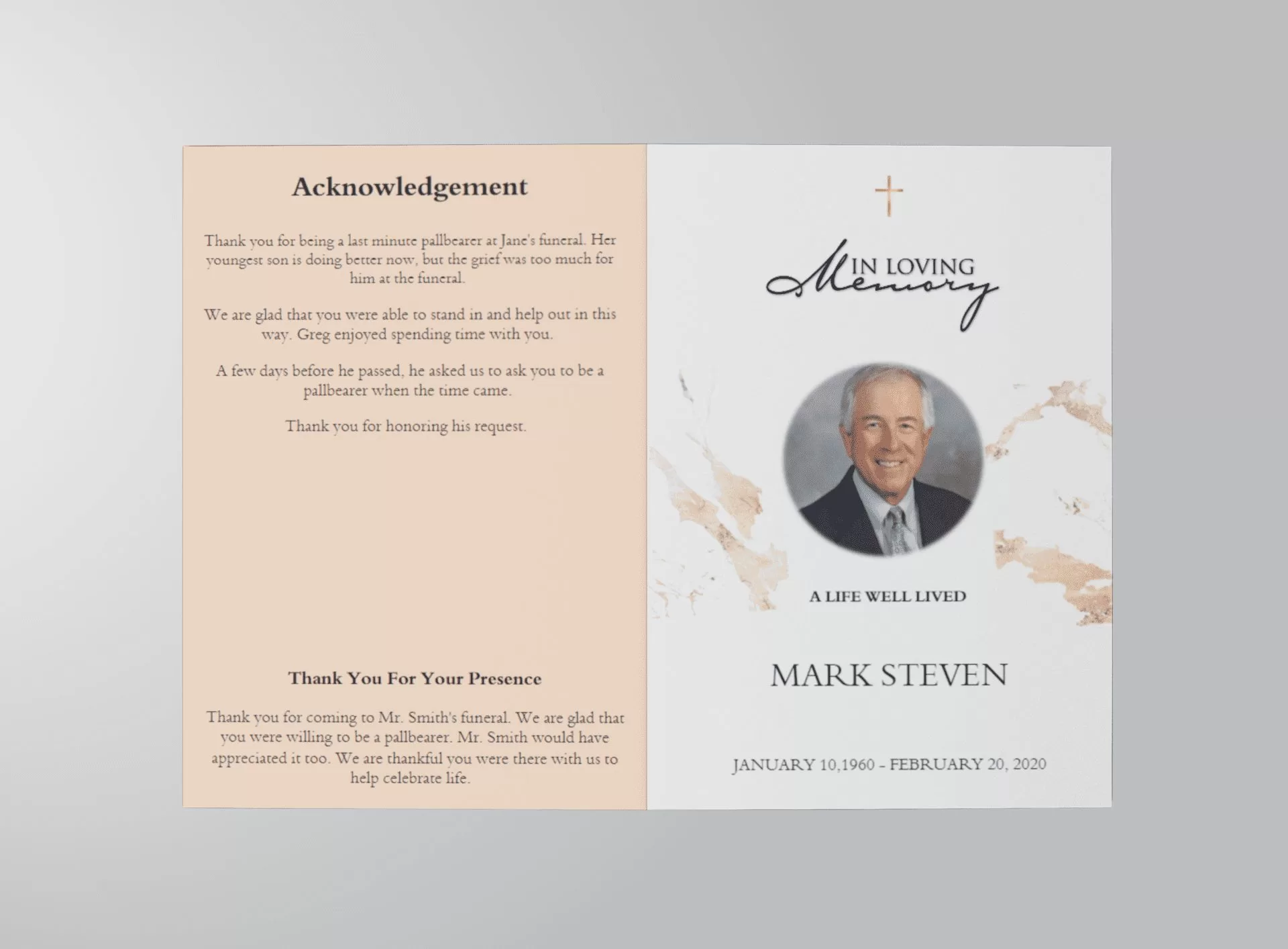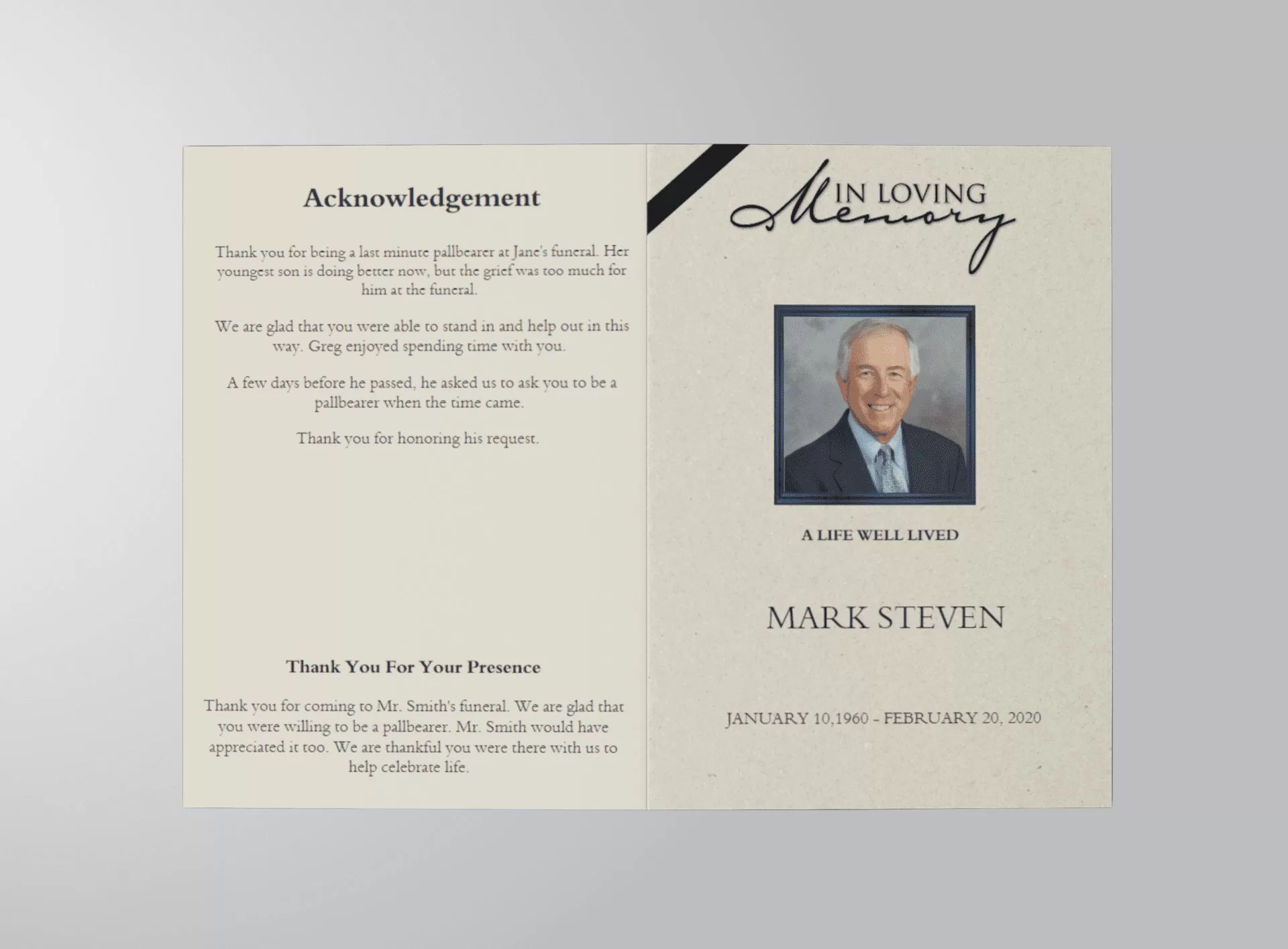
fall card

Navigating Funeral Planning with Compassion and Care

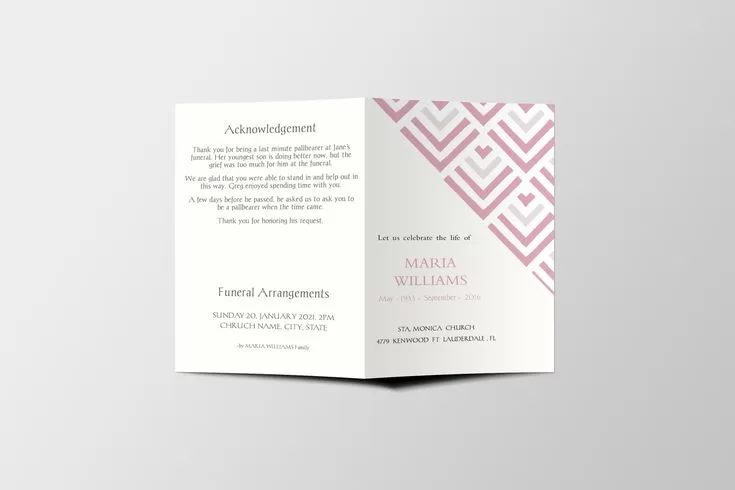
Example of an obituary for a mother

Understanding the Importance of Funeral Planning

Experiencing the loss of a loved one is one of life’s most difficult challenges. In addition to the emotional toll, you may find yourself faced with the complexities of funeral planning. This guide aims to provide you with helpful insights to navigate this process with compassion and care.

Key Considerations in Funeral Planning

  • Emotional Preparedness: It’s essential to allow yourself and your family to grieve and process emotions. Understanding the emotional journey can help in making informed decisions.
  • Budgeting: Establish a clear budget early on. Funerals can be costly, and having a set amount will guide your choices.
  • Personalization: Incorporating personal touches can make the service special. Consider what your loved one enjoyed or valued.

Creating Meaningful Obituaries

Writing an obituary is a beautiful way to honor the life of your loved one. It allows you to share their story with friends and family. For guidance on crafting a touching tribute, check out our guide on meaningful obituaries.

Essential Elements of an Obituary

  • Full Name: Include the full name of the deceased.
  • Date of Birth and Death: Clearly state these important dates.
  • Life Achievements: Highlight significant milestones and contributions.
  • Family Members: Acknowledge the surviving family and their relationship to the deceased.
  • Service Details: Provide information about the funeral service, including date, time, and location.

Compassionate Funeral Planning Resources

To ensure a smooth planning process, consider utilizing expert resources. Our guide to compassionate funeral planning offers valuable information on how to approach this sensitive time with understanding and care.

Comforting Music for Healing

Music can be an incredible source of comfort during times of grief. Explore our collection of comforting Christian songs for the dying to find melodies that resonate with your emotions and provide solace.

Final Thoughts on Funeral Planning

While the process of planning a funeral can feel overwhelming, approaching it with compassion and understanding can make a significant difference. Utilize resources and support systems available to you, and remember that you are not alone in this journey.
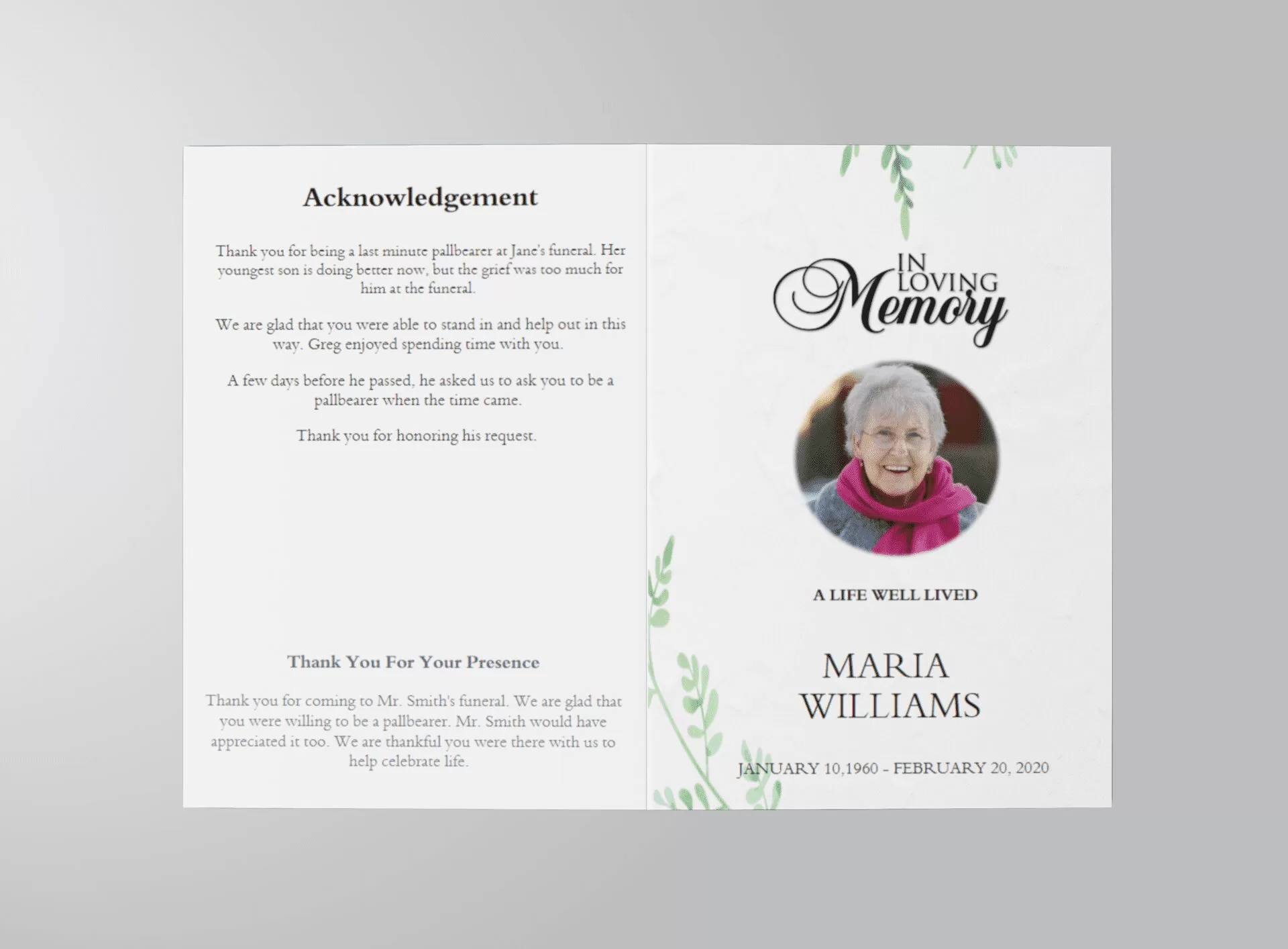
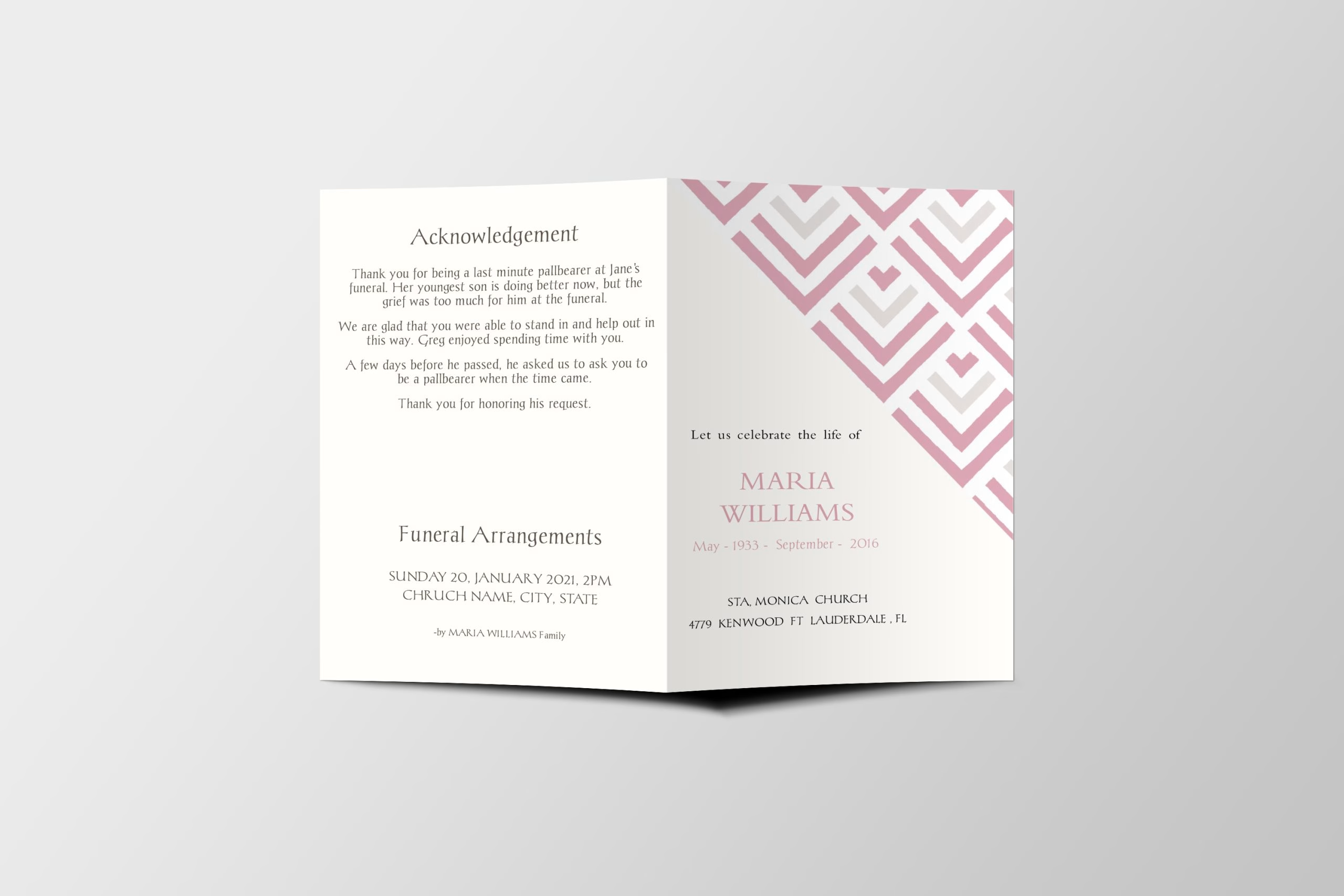
Catholic Funeral Program Example PDF (Free Editable Template)

A Guide to Navigating Funeral Planning with Compassion

Example of an obituary for a mother template

Understanding the Importance of Funeral Planning

Experiencing the loss of a loved one can be one of life’s most challenging events. It often brings an emotional toll that can feel overwhelming. However, with careful planning and understanding, you can navigate this difficult time with grace and compassion.

Key Aspects of Funeral Planning

When planning a funeral, consider these essential elements:

  • Choosing the Right Service: Decide whether you want a traditional funeral, a memorial service, or a celebration of life event.
  • Setting a Budget: Establish a budget that covers all necessary expenses, including venue, casket, and flowers.
  • Creating a Meaningful Obituary: Write an obituary that reflects the personality and life of your loved one. For guidance, check out our detailed article on creating meaningful obituaries.

Navigating the Emotional Journey

Funeral planning is not just about logistics; it’s also about managing emotions. Understanding the emotional journey involved can help you cope better during this difficult time.

Tips for Emotional Support

  • Lean on Family and Friends: Don’t hesitate to seek support from your loved ones.
  • Consider Professional Help: Therapists or grief counselors can provide guidance and support.
  • Find Comfort in Spirituality: Many find solace in faith; explore comforting Bible scriptures that speak to sorrow and loss.

Essential Guide to Funeral Planning

To assist you further, we have compiled an essential guide to funeral planning that covers everything from legal requirements to emotional considerations.

Finalizing Arrangements

Once you have made the necessary decisions, it’s time to finalize arrangements. This can involve:

  • Contacting a funeral home to discuss your plans.
  • Gathering important documents, such as the death certificate and insurance information.
  • Organizing transportation for guests and the deceased.

Additional Resources

For more detailed insights on the funeral planning process, explore our comprehensive guide on navigating funeral planning. This resource covers various aspects, ensuring that you feel equipped to handle each step.

As you embark on this journey, remember that you are not alone. Many resources are available to guide you through the complexities of planning a funeral, helping you honor the memory of your loved one.

Catholic Funeral Program Example PDF (Free Editable Template)

Navigating Funeral Planning and Creating Meaningful Obituaries

Obituary Template

Navigating Funeral Planning and Creating Meaningful Obituaries

When a loved one passes away, the emotional weight can feel overwhelming. Planning a funeral is often a necessary step in honoring their memory, but it can also be a challenging process. This guide aims to provide you with valuable insights into navigating the emotional journey of funeral planning and creating a heartfelt obituary.

Understanding the Importance of Funeral Planning

Funeral planning involves more than just logistics; it is about celebrating a life and providing a space for loved ones to grieve. Here are some key aspects to consider:

  • Emotional Support: Engaging with friends and family during this time can help ease the pain of loss.
  • Personalization: Tailoring the funeral service to reflect the deceased’s personality and wishes can create a meaningful experience.
  • Logistical Considerations: From choosing a location to arranging transportation, planning helps ensure that all details are covered.

Crafting an Obituary That Honors Their Memory

Writing an obituary is a way to celebrate a loved one’s life and share their story with others. Here are some tips for creating a heartfelt obituary:

  1. Include Basic Information: Start with the full name, age, and date of passing.
  2. Share Their Story: Highlight significant life events, achievements, and interests that made them unique.
  3. Invite Others to Celebrate: Mention memorial service details so friends and family can join in honoring their life.

If you need help with templates, check out our obituary template to make the process easier.

Essential Resources for Funeral Planning

As you begin to plan, it can be helpful to consult various guides and resources. Here are a few valuable links:

Emotional Support During Funeral Planning

Remember, you are not alone in this journey. It can be beneficial to seek support from friends, family, or even professionals who specialize in grief counseling. Taking the time to process feelings while handling practical arrangements is important.
Ultimately, the goal of funeral planning is to honor the memory of your loved one while providing a space for healing and remembrance. By utilizing available resources and taking a step-by-step approach, you can navigate this challenging time with grace and dignity.

sample obituary examples

Understanding the Essentials of Funeral Planning

Example of an Obituary for a Mother Template

Introduction to Funeral Planning

Experiencing the loss of a loved one can be one of the most challenging events in life. The emotional toll can be overwhelming, and the logistics of planning a funeral can add an extra layer of stress. That’s why understanding the process of navigating funeral planning is essential for anyone facing this difficult task.

Key Components of Funeral Planning

When it comes to planning a funeral, several key components must be considered:

  • Choosing a Type of Service: Decide whether you want a traditional service, a memorial, or a celebration of life.
  • Location: Consider where the service will be held, whether at a funeral home, church, or another venue.
  • Order of Service: Creating a meaningful order of service can help structure the ceremony and honor your loved one. For more on this, check out our Catholic Funeral Order of Service guide.
  • Obituary: Writing an obituary is a crucial way to commemorate the deceased. You can learn more about this in our Essential Guide to Funeral Planning and Obituaries.

Understanding Funeral Costs

Funeral expenses can vary significantly based on the choices you make. It’s vital to have a clear understanding of what costs to expect. Typically, these can include:

  • Funeral home services
  • Casket or urn
  • Transportation fees
  • Venue rentals
  • Obituary publication costs

For a more detailed breakdown of costs, visit our article on navigating the complexities of funeral planning.

Creating Lasting Tributes

Memorial cards are a beautiful way to honor a loved one’s memory. These cards can be personalized and distributed during the service as a keepsake for attendees. To learn more about this meaningful tribute, check out our post on Understanding Memorial Cards.

Final Thoughts on Funeral Planning

Funeral planning is a personal and emotional journey. By arming yourself with the right knowledge, you can ensure that the process is as smooth and respectful as possible. Remember that you are not alone; resources are available to help you through this challenging time. For comprehensive support, consider exploring our Understanding Funeral Planning and Obituaries guide.

Essential Guide to Funeral Planning and Obituaries

Example of an obituary for a mother template

Understanding the Importance of Funeral Planning

Experiencing the loss of a loved one is profoundly emotional and can be overwhelming. One of the most significant steps to take during this challenging time is effective funeral planning. By preparing ahead, you can alleviate some of the stresses that accompany this process.

What is Funeral Planning?

Funeral planning involves organizing the details related to a funeral service. This can include everything from selecting a burial site to choosing caskets and memorial services. To gain a deeper understanding of this process, consider reading our comprehensive guide on navigating funeral planning.

Key Components of Funeral Planning

  • Choosing a Funeral Home: Research local funeral homes and compare their services and costs.
  • Selecting a Casket or Urn: Consider personal preferences, budget, and the deceased’s wishes.
  • Memorial Services: Decide on the type and format of the memorial service, whether it’s traditional or unique.
  • Obituaries: Writing an obituary is a way to honor the deceased’s life and communicate details about the service.

Creating Meaningful Obituaries

Obituaries serve as a tribute to the deceased, offering a chance for loved ones to share memories and celebrate their life. For those looking to craft a touching obituary, our guide on obituaries provides essential insights.

Elements of a Good Obituary

  • Full Name: Include the full name of the deceased, along with any nicknames.
  • Life Details: Share important dates and milestones, such as birth, education, and career.
  • Personal Stories: Include anecdotes that reflect the personality and impact of the individual.
  • Service Information: Provide details about the memorial service, including location and time.

Memorial Cards: A Lasting Tribute

Memorial cards, also known as remembrance or death prayer cards, offer a beautiful way to honor and remember a loved one. They can be personalized with photos and messages, creating a lasting keepsake for family and friends. To learn more about memorial cards, check out our article on creating lasting tributes.

Benefits of Memorial Cards

  • Personalized Remembrance: They can be customized to reflect the personality of the deceased.
  • Shared Memories: They serve as a physical reminder of the deceased, allowing family and friends to share stories.
  • Portable Tribute: Easy to carry and distribute at services, ensuring everyone has a keepsake.

Navigating the Complexities of Funeral Planning

Funeral planning can be complex and emotional. It’s essential to have resources that assist you in making informed decisions. For comprehensive insights, consider reading our guide on navigating the complexities of funeral planning.

Practical Tips for Funeral Planning

  • Start Early: Begin planning as soon as possible to ease the burden on family members.
  • Budget Wisely: Set a budget and stick to it, considering all potential costs.
  • Communicate: Keep open lines of communication with family members about wishes and preferences.

By understanding the critical aspects of funeral planning and obituaries, you can make informed decisions that honor your loved one’s memory while providing comfort to those grieving.

How to Write a Funeral Program Obituary

Navigating Funeral Planning: A Comprehensive Guide

Example of an obituary for a mother template

Understanding the Importance of Funeral Planning

Experiencing the loss of a loved one is a moment filled with profound emotions. As you navigate this difficult time, having a structured plan can help ease the burden. Understanding funeral planning is crucial, as it allows families to honor their loved ones meaningfully. For more insights, consider visiting our Understanding Funeral Planning and Obituaries page.

Essential Elements of Funeral Planning

When planning a funeral, various elements come into play. Here are key components to consider:

  • Choosing a Funeral Home: Research and select a funeral home that aligns with your family’s needs.
  • Deciding on Burial or Cremation: Reflect on your loved one’s wishes or family traditions.
  • Planning the Service: Determine the type of service that best honors the deceased, such as a religious service or a celebration of life.
  • Creating Obituaries: Writing an obituary is a heartfelt way to share your loved one’s story. Explore our Understanding Funeral Planning and Online Obituaries for guidance.

Creating a Lasting Tribute

Memorial cards can serve as a beautiful way to honor and remember a loved one. These cards can include key details, cherished memories, and photos. For a deeper understanding, check out our article on Creating a Lasting Tribute: Understanding Memorial Cards.

Navigating the Complexities of Funeral Planning

The complexities of funeral planning can be overwhelming. It’s essential to understand the process thoroughly to make informed decisions. Our guide on Navigating the Complexities of Funeral Planning offers essential insights that can help you during this challenging time.

Resources for Funeral Planning

Having access to the right information can simplify your planning process. Here are some valuable resources to consider:

By utilizing these resources and understanding the process, you can ensure that your loved one’s farewell is a meaningful tribute that reflects their life and legacy.

Funeral Program Template Online

Understanding Funeral Planning and Obituaries

Example of an obituary for a mother

Understanding the Importance of Funeral Planning

Experiencing the loss of a loved one is a moment filled with profound emotions. As you navigate this difficult time, having a clear understanding of funeral planning becomes essential. It’s not just about saying goodbye; it’s also about honoring the life that was lived.

The Role of Obituaries

Creating an obituary is a meaningful way to commemorate your loved one. It serves as a public announcement of their passing, celebrating their life story. To learn more, check out our detailed guide on creating an obituary.

Components of a Good Obituary

  • Name: Full name of the deceased.
  • Date of Birth and Death: Essential dates that mark their life.
  • Life Story: A brief narrative about their achievements and personality.
  • Survivors: List of family members who survive them.
  • Funeral Details: Information about the funeral service or memorial.

Navigating the Emotional Journey

The journey of funeral planning can often be overwhelming. Emotions may run high, making decision-making challenging. Our resource on navigating the emotional journey of funeral planning highlights coping strategies during these times.

Key Steps in Funeral Planning

  1. Gather Information: Collect all necessary details about the deceased.
  2. Choose a Funeral Home: Research and select a reputable funeral home.
  3. Discuss Wishes: Honor the deceased’s wishes regarding their service.
  4. Plan the Service: Decide on the elements of the funeral service.
  5. Communicate with Family: Keep family members informed and involved.

Online Obituaries

In today’s digital age, many choose to share their loved one’s obituary online. This allows friends and family from afar to pay their respects. Understanding how to effectively write and share online obituaries is crucial. For a comprehensive overview, visit our page on online obituaries.

Benefits of Online Obituaries

  • Wider Reach: Easily shared across social media and other platforms.
  • Permanent Record: Provides a lasting tribute that can be accessed anytime.
  • Condolences: Allows others to leave messages of support and sympathy.

Resources for Funeral Planning

For those seeking more insights into the funeral planning process, we offer various resources. Our comprehensive guide to funeral planning covers everything from initial steps to final details. Additionally, our essential guide provides crucial tips to ensure a respectful farewell.

funeral program template

Navigating the Complexities of Funeral Planning

Example of an obituary for a mother template

Understanding the Importance of Funeral Planning

Experiencing the loss of a loved one is one of life’s most challenging moments. During this emotional journey, many find themselves facing the daunting task of planning a funeral. A well-structured plan can not only ease the burden but also honor the memory of the deceased in a meaningful way.

The Benefits of Proper Funeral Planning

  • Emotional Relief: Organization can significantly reduce stress during a time of grief.
  • Personalization: Tailored services allow families to celebrate their loved one’s life in a unique way.
  • Financial Preparedness: Planning ahead can alleviate unexpected costs and financial strain.

Essential Insights for Funeral Planning

To navigate this process smoothly, consider the following key insights:

  1. Essential Insights and Resources: Understand the various elements involved in planning a funeral.
  2. Comprehensive Guides: Utilize detailed guides that outline every step of the planning process.
  3. Navigating Emotions: Learn how to handle the emotional aspects that come with planning a funeral.

Incorporating Meaningful Elements

In addition to logistical considerations, it’s essential to incorporate personal elements that reflect the deceased’s life:

  • Celebration of Life: Consider integrating Bible verses for comfort during the service.
  • Obituaries: Crafting a heartfelt obituary can serve as a tribute to their legacy.
  • Memorial Items: Personal mementos can evoke cherished memories.

Online Obituaries and Their Importance

In today’s digital age, online obituaries are becoming increasingly significant. They offer a way to share important news and celebrate lives with a broader audience. For a deeper understanding of how to manage this aspect, explore our guide on funeral planning and online obituaries.

Final Thoughts on Funeral Planning

While planning a funeral can be overwhelming, equipping yourself with the right information and resources can make the process more manageable. Whether it’s through detailed guides or emotional support, there are various ways to navigate this journey with grace. Remember, it’s okay to seek help and lean on loved ones during this time.

funeral program template

Navigating Funeral Planning: Essential Insights and Resources

Example of an obituary for a mother template

Understanding Funeral Planning

Experiencing the loss of a loved one is one of life’s most challenging moments. During this emotional journey, many find themselves facing the complexities of funeral planning. It is crucial to navigate through this process with care, ensuring that every decision reflects the wishes of the deceased and provides comfort to those left behind.

Key Aspects of Funeral Planning

  • Choosing a Funeral Home: Research local funeral homes and read reviews to find one that suits your family’s needs.
  • Understanding Costs: Discuss costs upfront with the funeral director to avoid unexpected expenses.
  • Personalization: Consider how you can personalize the service to celebrate the life of your loved one.

Resources for Funeral Planning

At QuickFuneral, we strive to provide valuable resources to assist families during this difficult time. Consider exploring our Essential Guide to Funeral Planning, which offers comprehensive information on various planning aspects.

Celebration of Life Invitations

In addition to traditional funerals, many families opt for a celebration of life to honor their loved ones. These events focus on celebrating the individual’s life rather than mourning their passing. For those in need of assistance, we provide free celebration of life invitation templates, making it easier for families to spread the word about their event.

Online Obituaries

Another essential aspect of funeral planning is the creation of an obituary. An obituary not only informs the community of the passing but also serves as a lasting tribute. To learn more about this process, check out our article on understanding funeral planning and online obituaries.

Emotional Support During Planning

Planning a funeral can be overwhelming, and it’s important to recognize the emotional toll it can take. Engaging in open conversations with family members and seeking support from friends can make a significant difference. For more insights on navigating these emotions, our guide on navigating the emotional journey of funeral planning offers helpful strategies and advice.

Final Thoughts

While the process of funeral planning may seem daunting, utilizing available resources and planning ahead can provide clarity and peace of mind. Remember, you are not alone in this journey, and there are numerous tools and support systems available to help you through.

Understanding Funeral Planning and Online Obituaries

Example of an obituary for a mother template

Understanding the Importance of Funeral Planning

Experiencing the loss of a loved one can be incredibly overwhelming. During this difficult time, having a clear plan for the funeral can relieve some stress. Understanding the importance of funeral planning ensures that you can honor your loved one’s wishes and make the process smoother for everyone involved.

The Emotional Landscape of Funeral Planning

Funeral planning is not just a logistical process; it involves navigating complex emotions. It’s crucial to recognize and address these feelings while making decisions. For more insights, explore our article on navigating the journey of funeral planning.

Key Steps in Funeral Planning

  • Decide on the type of service: Traditional burial, cremation, memorial service, etc.
  • Select a location: Consider local funeral homes or places of worship.
  • Choose a casket or urn: This can vary based on personal preferences and budget.
  • Plan the details: Music, readings, and who will speak at the service.

Creating a Heartfelt Online Obituary

Crafting an obituary is a vital part of the funeral process. It not only serves to inform others of the passing but also celebrates the life of the deceased. If you’re unsure where to start, our guide on creating a heartfelt online obituary can help you through the process.

Elements of an Effective Obituary

  • Full name of the deceased: Include any nicknames or titles.
  • Date of birth and death: Essential for context.
  • Life achievements: Highlight key life events and accomplishments.
  • Family members: Names of surviving family members and those who predeceased them.
  • Details of the service: Date, time, and location of the funeral service.

Navigating the Complexities of Funeral Planning

The process can become complicated, especially when family dynamics come into play. It’s essential to communicate openly with family members about their wishes and expectations. For further assistance, check out our comprehensive guide on navigating the complexities of funeral planning.

Resources for Support

It is also beneficial to seek support during this tough time. Consider reaching out to local bereavement groups or professional counselors who can provide guidance and emotional support.

Planning a funeral is a significant responsibility, but with the right information and support, it can be a meaningful way to honor a loved one’s life. Utilize the resources available at QuickFuneral.com to help ease your journey.

Back to Top
Product has been added to your cart
Compare (0)