Navigating the Essentials of Funeral Planning

Example of an obituary for a mother template

Understanding Funeral Planning

Losing a loved one is one of life’s most challenging experiences. During this difficult time, it’s essential to have a plan in place to honor their memory responsibly. This guide will help you navigate the essentials of funeral planning with compassion and clarity.

1. The Importance of Funeral Planning

Planning a funeral involves many details that can be overwhelming during a time of grief. By preparing in advance, you can ensure that the wishes of your loved one are respected while also alleviating the burden on family members. For a comprehensive overview, check out our Comprehensive Guide to Funeral Planning.

2. Key Components of a Funeral

  • Service Type: Decide whether to have a traditional service, a memorial, or a celebration of life.
  • Location: Choose a venue that holds significance for your loved one and family.
  • Music: Selecting appropriate music is vital. Our guide on Understanding Funeral Music offers insights on choosing the right tunes.
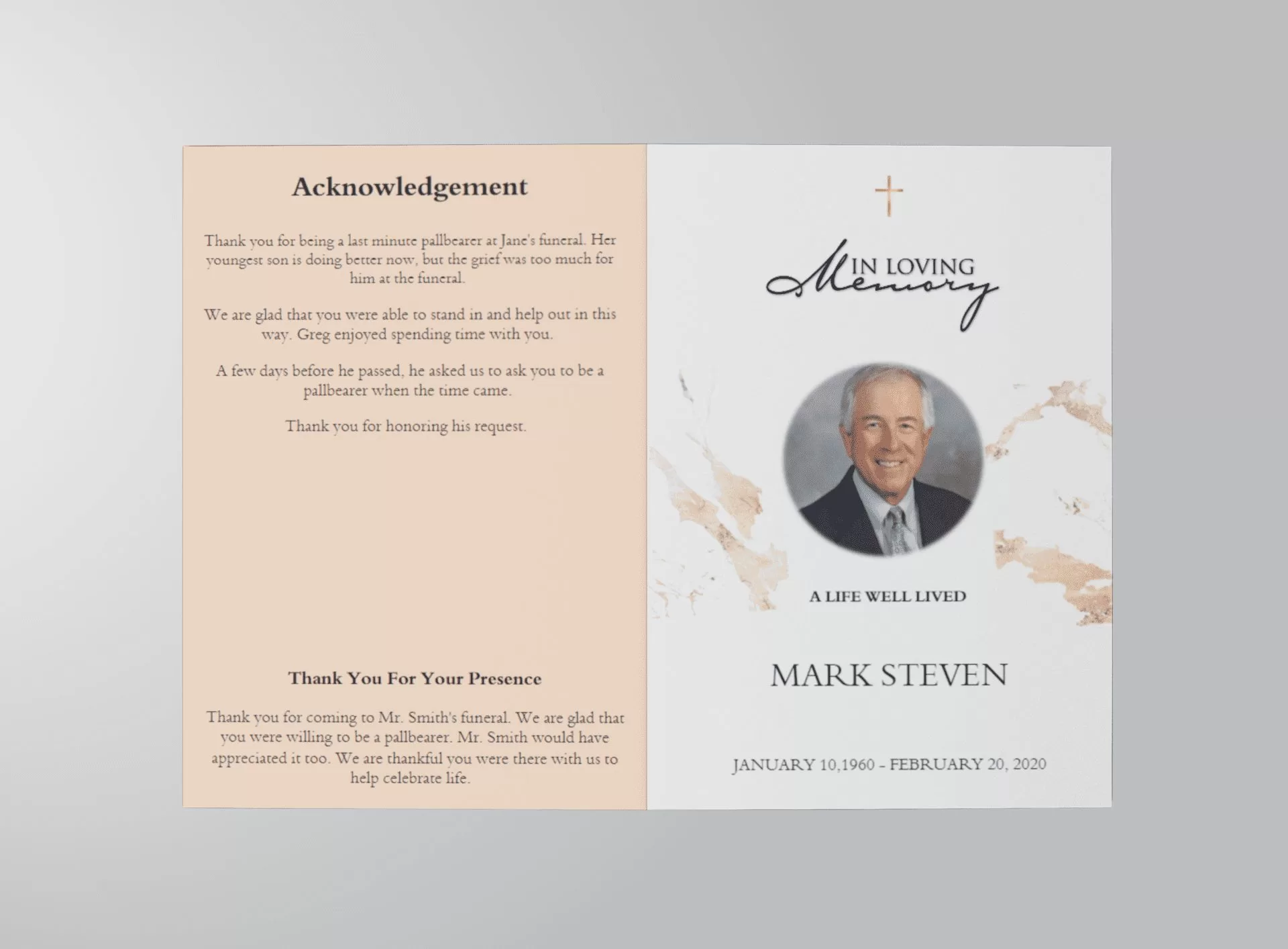
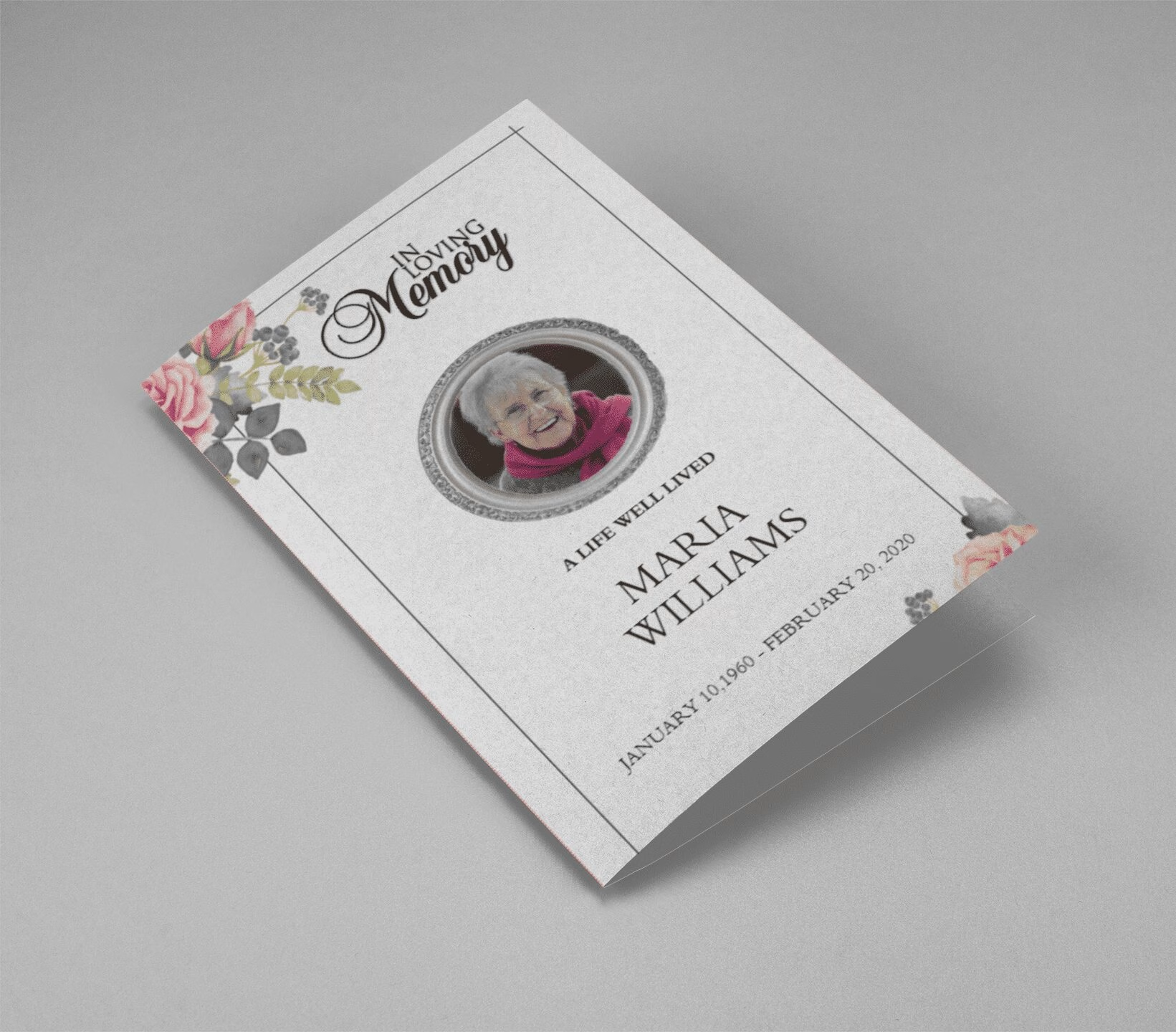
  • Obituary: Crafting a thoughtful obituary is an important part of the process. Refer to our obituary template for guidance.

3. Emotional Considerations

It’s crucial to acknowledge the emotional toll that planning a funeral can take. This is a time for reflection, and it’s okay to lean on friends and family for support. For spiritual guidance, you might find comfort in the passage from John 14:1-3. Our article on Understanding John 14:1-3 for Comfort and Hope explores its significance during times of loss.

4. Practical Steps to Begin Planning

  1. Gather Information: Collect necessary documents and information about your loved one, including personal details and preferences.
  2. Budgeting: Determine a budget for the funeral expenses. This will guide many of your decisions.
  3. Choose a Funeral Director: Selecting the right funeral director can simplify the process. They can help navigate the legal aspects and coordinate the details.
  4. Communicate: Keep open lines of communication with family members to ensure everyone feels involved in the planning.

5. Types of Funeral Services

Understanding the different types of funeral services available can help you make informed decisions. Here are a few options:

  • Traditional Funeral: Often includes a viewing, a service, and burial.
  • Cremation: Can be followed by a memorial service or kept simple.
  • Green Funerals: Environmentally friendly options that minimize impact.

If you’re looking for a more in-depth understanding of the services, our guide on Understanding Funeral Services details various types of services and what to expect.

6. Final Thoughts

While planning a funeral can be daunting, with the right resources and support, you can honor your loved one’s life in a meaningful way. Remember to take things one step at a time and reach out for help when needed.

funeral program template

Understanding Funeral Services: A Comprehensive Guide

Example of an obituary for a mother template

Introduction to Funeral Planning

Planning a funeral can often feel overwhelming, especially during a time of grief. It is important to approach this sensitive subject with care and understanding. In this guide, we will explore various aspects of funeral planning, including the significance of funeral programs, creative service ideas, and the benefits of using templates.

The Importance of Funeral Programs

Funeral programs serve as a meaningful tribute to the deceased and help commemorate their life. They provide essential information about the service and can include personal anecdotes, photographs, and even a timeline of the deceased’s life. Not only do these programs inform guests about the order of service, but they also create a lasting keepsake for family and friends.

For more insight into the impact of funeral programs, check out our article on why funeral programs are still the most meaningful part of a memorial service.

Creative Ideas for a Meaningful Funeral Service

When planning a funeral service, incorporating unique and personalized elements can make the experience more memorable. Here are some creative ideas to consider:

  • Memory Tables: Set up a table with photos, mementos, and items that reflect the deceased’s passions.
  • Personalized Music: Include the deceased’s favorite songs throughout the service.
  • Video Tributes: Create a slideshow or video montage of cherished memories.
  • Guest Participation: Encourage guests to share their memories or write notes to the family.

For more ideas on how to create a meaningful service, visit our guide on creative ideas for a meaningful funeral service.

Utilizing Templates for Obituaries and Programs

Writing an obituary or creating a funeral program can be daunting. Fortunately, templates can simplify the process. Our best obituary templates provide a framework that allows you to focus on cherishing memories rather than stressing over formatting.

Additionally, if you’re planning a Catholic funeral, our Catholic funeral program example PDF is a free, editable template that can help you craft a respectful and personalized service.

A Comprehensive Guide to Funeral Services

Understanding the different types of funeral services available can help you make informed decisions. From traditional services to more modern celebrations of life, each type has its own unique attributes. Our complete guide to funeral services outlines various options and considerations, ensuring you choose the best fit for your loved one.

Conclusion

Planning a funeral is a deeply personal task requiring empathy and understanding. By utilizing templates and resources, you can ease the burden during this challenging time while honoring the life of your loved one.

Funeral Program Template Online

Understanding Funeral Planning: A Comprehensive Guide

Example of an obituary for a mother template

What is Funeral Planning?

Funeral planning is a crucial process that involves making arrangements for a loved one’s final farewell. It can be a challenging time filled with emotions, but understanding the essentials can help ease the burden. For those navigating this path, Understanding the Essentials of Funeral Planning provides a foundational overview.

Why is Funeral Planning Important?

  • Provides a structured approach during a difficult time.
  • Helps ensure that the wishes of the deceased are honored.
  • Can alleviate the financial and logistical stresses for family members.

Key Steps in Funeral Planning

When planning a funeral, consider the following steps:

  1. Gather Information: Collect necessary details about the deceased, including personal information and any preferences they may have expressed.
  2. Choose a Funeral Home: Research local funeral homes and assess their services. You can find valuable insights in Navigating the Complexities of Funeral Planning.
  3. Plan the Service: Decide on the type of service, whether traditional or a celebration of life, and consider elements like music, readings, and speakers.
  4. Consider Logistics: Make arrangements for transportation, burial or cremation, and any necessary permits or certificates.
  5. Communicate with Family: Keep family members informed and involved in the planning process, ensuring everyone’s voice is heard.

Funeral Costs and Budgeting

Understanding the costs associated with funerals is essential. Funerals can vary significantly in price, so it’s important to establish a budget. For a detailed breakdown of potential expenses, refer to A Comprehensive Guide to Funeral Planning and Services.

Emotional Support During the Process

Planning a funeral can take an emotional toll. It’s crucial to seek support during this time. Consider reaching out to friends, family, or even support groups. Resources such as Navigating Funeral Planning with Compassion and Care can offer guidance and comfort.

Final Thoughts

While funeral planning can be daunting, knowing what steps to take and where to find resources can alleviate some of the stress. Embrace the process with care and compassion, honoring your loved one’s memory with dignity.

How to Write a Funeral Program Obituary

Understanding Funeral Planning: A Comprehensive Guide

Obituary Example

Understanding Funeral Planning: A Comprehensive Guide

Losing a loved one is an incredibly challenging experience, and planning a funeral can feel overwhelming. However, having a clear understanding of the process can help ease some of that burden. In this post, we will explore important aspects of funeral planning, including crafting meaningful tributes, exploring creative service ideas, and more.

The Importance of Tributes

When it comes to honoring the memory of a loved one, crafting a meaningful tribute is essential. This tribute can take many forms, from eulogies to personalized memorials. Here are some ideas to consider:

  • Personalized Eulogies: Share stories and anecdotes that highlight the unique personality of the deceased.
  • Memory Boards: Display photographs and mementos that celebrate their life and achievements.
  • Guest Contributions: Encourage attendees to share their own memories in a guest book.

Creative Ideas for Funeral Services

Funeral services can be a reflection of the life lived. To make the service meaningful, consider incorporating some creative ideas:

  • Themed Services: Choose a theme that reflects the interests of the deceased, such as a favorite hobby or passion.
  • Music Selection: Include songs that were meaningful to the individual or that evoke cherished memories.
  • Interactive Elements: Create opportunities for guests to participate, such as sharing stories or lighting candles.

Funeral Programs and Templates

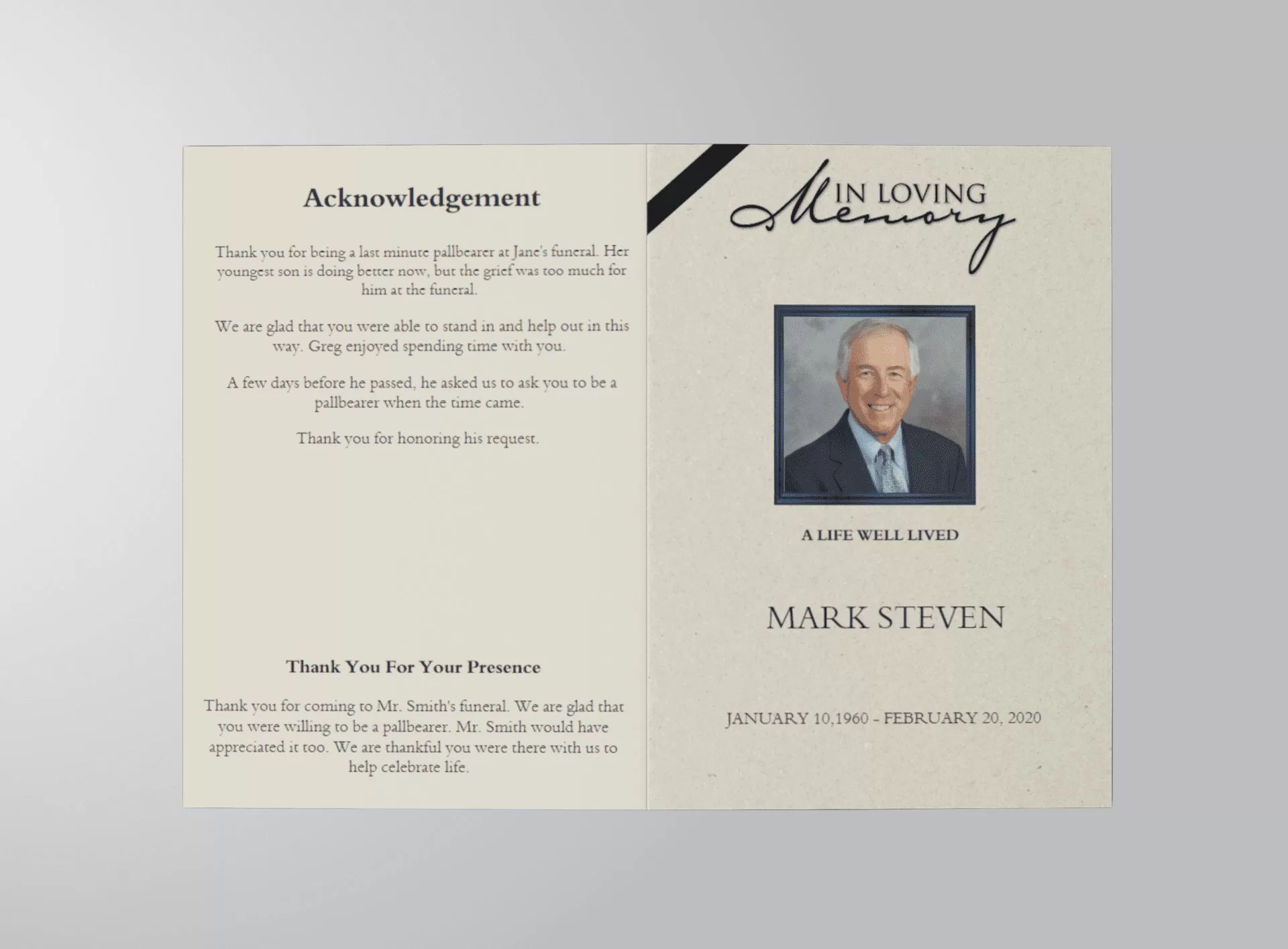
Having a well-organized funeral program can help guide attendees through the service and honor the deceased’s memory. Explore our funeral program template to find tips and examples to assist in creating a meaningful program. A structured program often includes:

  • Order of the service
  • Biographical information
  • Special messages or acknowledgments

Additional Resources

For those navigating the complexities of funeral planning, our complete guide offers a wealth of information on everything from memorials to obituaries. This resource can help you make informed decisions during a difficult time.

Furthermore, for those looking for inspiration, check out our uplifting funeral quotes. These quotes can add a heartfelt touch to tributes or programs, providing comfort to grieving families and friends.

In summary, understanding the elements of funeral planning can significantly ease the stress of this process. From meaningful tributes to creative service ideas, each component plays a vital role in honoring the memory of your loved one.

Navigating the Emotional Journey of Funeral Planning

Obituary Template Example

Navigating the Emotional Journey of Funeral Planning

When faced with the loss of a loved one, the overwhelming emotional toll can make the process of funeral planning seem daunting. Understanding the logistics involved can help alleviate some of this burden.

Understanding the Purpose of Funeral Planning

Funeral planning is not just about the event itself; it’s a chance to honor and celebrate the life of someone we cherish. Here are some key aspects to consider:

  • Celebration of Life: A funeral service allows family and friends to come together, share memories, and celebrate the individual’s life.
  • Closure: It provides an opportunity for loved ones to say their goodbyes and find closure in their grief.
  • Legacy: Planning a funeral is a way to ensure that the deceased’s wishes are honored and their legacy is remembered.

Steps to Effective Funeral Planning

While the process can be emotionally taxing, breaking it down into manageable steps can help. Here are some actionable steps to consider:

  1. Discuss with Family: Involve family members in the planning process to ensure everyone’s wishes and feelings are respected.
  2. Select a Funeral Home: Research local funeral homes and consider their services, reputation, and pricing. You can find out more about this in our guide on navigating the journey of funeral planning.
  3. Choose a Service Type: Decide whether to have a traditional funeral, memorial service, or celebration of life, taking into account the preferences of the deceased.
  4. Plan the Details: Consider the location, officiant, music, readings, and any other personal touches that can reflect the deceased’s personality.
  5. Budgeting: Establish a budget early on to avoid unexpected expenses. For a comprehensive overview, check out Understanding Funeral Planning.

Emotional Support During Planning

Funeral planning can stir up a whirlwind of emotions. Here are some resources and strategies to help cope:

  • Lean on Support Networks: Don’t hesitate to reach out to friends, family, or support groups who can provide emotional support.
  • Professional Help: Consider seeking guidance from a funeral director or counselor specializing in grief support.
  • Take Breaks: It’s crucial to take time for yourself during this process. Engage in activities that help you relax and recharge.

Personalizing the Funeral Experience

Every individual deserves a unique farewell. Here are ways to personalize the service:

  • Memory Boards: Create a memory board showcasing photographs and mementos that represent the deceased’s life.
  • Favorite Music: Incorporate the deceased’s favorite songs into the service.
  • Shared Stories: Encourage attendees to share their favorite memories or stories during the service.

For a deeper understanding of how to approach the planning process, visit our page on essential insights for funeral planning.

Planning a funeral can be a complex journey filled with emotional challenges, but it is also an opportunity to celebrate a life well-lived. By approaching the process thoughtfully and compassionately, you can create a meaningful tribute that honors your loved one.

Navigating the Funeral Process with Care and Compassion

Obituary Template

Navigating the Funeral Process with Care and Compassion

Losing a loved one is one of the most challenging experiences a person can face. During such emotionally charged times, the last thing anyone wants is to feel overwhelmed by the logistics of planning a funeral. At QuickFuneral.com, we understand the importance of providing a supportive resource for families during these difficult moments.

Understanding the Funeral Process

Planning a funeral involves several steps that can seem daunting at first. However, educating yourself about the process can help ease some of this burden. We recommend starting with our comprehensive resource on Understanding the Funeral Process, which outlines everything you need to know.

Key Steps in Funeral Planning

  • Choosing a Funeral Home: Research local funeral homes and consider their services and pricing.
  • Deciding on a Service Type: Options may include traditional funerals, memorial services, or direct cremation.
  • Preparing the Obituary: Crafting a meaningful obituary can be a beautiful tribute. For assistance, explore our obituary template.
  • Coordinating with Family: Involving family members in the planning process can help ensure everyone feels included.

Emotional Support During Planning

It’s essential to remember that grief can impact decision-making. If you’re feeling overwhelmed, consider reaching out for help. Articles like Navigating the Journey of Funeral Planning offer valuable insights into managing your emotions while organizing the service.

Honoring Your Loved One

Every funeral should reflect the personality and wishes of the deceased. It’s a chance to celebrate their life and create lasting memories. Explore Navigating Funerals for ideas on how to personalize the service, from music selections to meaningful rituals.

Resources for Compassionate Guidance

For a more detailed understanding of the various aspects of funeral planning, check out our guides such as Understanding the Funeral Process: A Complete Guide and Navigating the Funeral Process with Compassion and Understanding. These resources aim to empower you with knowledge and support as you take this journey.

Final Thoughts

While planning a funeral can be a challenging task, it’s also an opportunity to honor a life well-lived. With the right resources and support, you can navigate this process with confidence and compassion.

Navigating the Complexities of Funerals and Memorials

Example of an obituary for a mother

Navigating the Complexities of Funerals and Memorials

When facing the loss of a loved one, understanding the intricacies of funerals and memorial services can provide comfort and clarity. Each ritual serves a unique purpose in honoring the deceased while providing support to those left behind. In this post, we will explore the significance of these ceremonies and the resources available to help you during this difficult time.

Understanding Funerals

Funerals are essential events that mark a loved one’s transition from life to remembrance. They allow family and friends to gather, share their grief, and celebrate the life of the deceased. In our comprehensive guide to funerals, we delve deeper into the various types of funerals, from traditional to contemporary, and how to choose the right one for your family.

The Importance of Memorial Services

Memorial services are often held after the funeral and provide a more flexible setting for family and friends to honor the deceased. These gatherings can be tailored to reflect the personality and wishes of the departed. To understand their significance better, read our article on understanding memorial services.

Creating Lasting Memories: Obituaries

Obituaries play a crucial role in the grieving process, serving as a public announcement of a loved one’s passing, as well as a celebration of their life. They provide an opportunity to share the deceased’s story with the community. For more insights, check out our guide on the role of obituaries in grieving.

Comforting Traditions: Prayer Cards

Catholic funeral prayer cards can serve as cherished mementos for family and friends. These cards are often personalized with verses and images that reflect the loved one’s faith and spirit. Explore our collection of Catholic funeral prayer card verses to find the right words to honor your loved one.

Planning a Meaningful Service

To ensure that the funeral or memorial service reflects the wishes of the deceased and the needs of the family, careful planning is essential. Start by considering the following aspects:

  • Location: Choose a venue that holds significance for the deceased or where family can gather comfortably.
  • Officiant: Decide whether to have a religious leader or a family member officiate the service.
  • Personal Touches: Incorporate elements such as favorite songs, photographs, and memories to personalize the service.

For a compassionate approach to planning, refer to our article on understanding memorial services.

Conclusion

While we won’t wrap up this discussion with a conclusion, remember that navigating the complexities of funerals and memorial services can be challenging. Resources are available to guide you through this process, allowing you to honor your loved one appropriately.

Sample Obituary Templates

Understanding Funerals: A Comprehensive Guide

Example of an obituary for a mother

Introduction to Funerals

Funerals are significant events that mark the transition of a loved one from life to remembrance. They serve as a vital part of the healing process, allowing family and friends to gather, share stories, and honor the memory of those who have passed. Understanding the various aspects of funerals can help ease some of the burdens associated with planning and attending these ceremonies.

Types of Funerals

  • Traditional Funerals: These usually involve a service at a funeral home or place of worship, followed by a burial or cremation.
  • Memorial Services: Unlike traditional funerals, memorial services do not include the body and can be held at any location.
  • Direct Burials or Cremations: These options eliminate the need for a formal service and are often more cost-effective.

The Importance of Obituaries

Creating an obituary is a meaningful way to honor a loved one’s life. It serves not only as a notice of their passing but also as a tribute celebrating their journey. For a detailed guide on crafting obituaries, check out our post on Creating Meaningful Obituaries and Funeral Services.

Funeral Service Templates

Planning a funeral can be overwhelming, especially when it involves numerous details. Utilizing free funeral service templates can simplify this process, providing families with a structured approach to organize the service.

Navigating the Emotional Landscape

Funerals can evoke a range of emotions. Understanding these feelings is crucial for both the bereaved and those providing support. Our article on Navigating the Emotional Landscape of Funerals offers insights into the complex emotions surrounding loss.

Crafting a Heartfelt Eulogy

Writing a eulogy is a beautiful way to pay tribute to a loved one. It can be a daunting task, but it also presents an opportunity to reflect on their life and share cherished memories. For tips on how to write a touching eulogy, read our guide on Crafting a Heartfelt Eulogy.

Understanding Funeral Programs

Funeral programs are an essential part of the service, providing attendees with information about the proceedings and a keepsake to remember the occasion. Learn more about the significance of obituaries and programs in our post on Understanding the Importance of Obituaries and Funeral Programs.

Conclusion

While we have discussed many aspects of funerals, each individual’s experience is unique. Taking the time to understand these elements can provide comfort during a challenging time.

Understanding the Role of Obituaries in Grieving

Example of an obituary for a mother

What is an Obituary?

An obituary is a written announcement of someone’s death, often including details about their life, achievements, and family. It serves multiple purposes, not only informing the community but also honoring the deceased.

Why Are Obituaries Important?

  • Commemoration: They provide a means to celebrate the life of the deceased, highlighting their contributions and memories.
  • Informational: Obituaries inform friends and family about funeral services and memorials.
  • Emotional Closure: Writing an obituary can serve as a therapeutic process for the bereaved.

For further insights on this topic, explore The Importance of Obituaries in the Grieving Process.

Creating a Meaningful Obituary

When crafting an obituary, consider the following aspects:

  • Basic Information: Include the full name, age, and date of death.
  • Life Story: Share important milestones, achievements, and personal anecdotes.
  • Family Details: Mention surviving family members as well as those who predeceased them.
  • Service Details: Provide information about memorial services and burial arrangements.

For guidance on navigating the emotional aspects of funerals, check out Navigating the Emotional Landscape of Funerals.

The Healing Power of Funerals

Funerals serve as an essential part of the grieving process. They allow family and friends to gather, share memories, and support one another. Understanding how to navigate this emotional landscape can be beneficial for everyone involved. For more on this, read Navigating Grief and Honoring Memories: A Guide.

Obituaries and the Grieving Process

Obituaries can play a significant role in the grieving process. They provide a tangible way to remember the deceased, and the act of writing one can help the bereaved process their emotions. If you want to learn more about how obituaries can aid in healing, visit Understanding the Role of Obituaries in Grieving.

Comforting Traditions

In addition to obituaries, various comforting traditions can help individuals cope with loss. These practices vary across cultures but often include gatherings, rituals, and shared memories. For a deeper understanding, explore Navigating Grief: A Guide to Comforting Traditions.

Top Free Funeral Program Templates for Every Service Style

The Importance of Obituaries in the Grieving Process

Example of an obituary for a mother

Understanding the Role of Obituaries

When a loved one passes away, creating an obituary is often a significant part of the mourning process. Obituaries serve as a way to honor the deceased, but they also fulfill important social and emotional functions. For a deeper insight into this topic, you can read The Heart of Farewells: Understanding Obituaries.

Why Are Obituaries Important?

  • Commemoration: They serve as a tribute to the life lived, capturing the essence of the person.
  • Closure: Writing or reading an obituary can be a therapeutic step in the grieving process.
  • Information Sharing: They provide essential details about the person’s life and funeral services.
  • Community Support: Obituaries help connect family and friends during a difficult time, fostering community support.

Navigating Grief Through Obituaries

Understanding grief is crucial for anyone dealing with loss. Funerals and obituaries play integral roles in this journey. To further explore this, check out our guide on Navigating Grief and Honoring Memories. This guide provides practical tips and insights on how to honor your loved one’s memory while also taking care of your emotional well-being.

Comforting Traditions in Grief

Grieving is a personal experience, and many find solace in traditional practices. From memorial services to creating personalized obituaries, these traditions can offer comfort. For a closer look at comforting traditions during grief, visit Navigating Grief: A Guide to Comforting Traditions.

Emotional Landscape of Funerals

Funerals serve as collective moments for friends and family to come together and remember the deceased. They can be emotional yet healing environments. To understand the emotional landscape of funerals better, read our article on Navigating the Emotional Landscape of Funerals. This resource highlights how funerals can aid in the healing process.

Creating a Meaningful Obituary

Writing an obituary can be daunting, but it is an opportunity to celebrate a life. It’s essential to include personal anecdotes, achievements, and the impact the person made on others. For tips and a template to get started, check out our resource on Understanding the Role of Obituaries in Grieving.

Back to Top
Product has been added to your cart
Compare (0)