Navigating the Complexities of Funeral Planning

Example of an obituary template

Understanding Funeral Planning

Funeral planning is a significant step in honoring a loved one who has passed away. It encompasses various decisions that can be overwhelming, especially during a time of grief. To navigate this journey smoothly, it’s essential to grasp the core elements of funeral planning.

The Essentials of Funeral Planning

Planning a funeral involves several critical aspects, such as:

  • Choosing a Funeral Home: Select a reputable funeral home that aligns with your preferences and budget. For insights into this essential step, check out our guide on Understanding the Essentials of Funeral Planning.
  • Budgeting: Establishing a budget will help you make informed decisions. Knowing the costs associated with different funeral services can ease the financial burden.
  • Service Type: Decide whether to have a traditional service, cremation, or a celebration of life. Each option has its unique advantages and can be tailored to reflect the personality of your loved one.

Navigating Emotions During Planning

It’s natural to experience a whirlwind of emotions while planning a funeral. For those who find it challenging, our article on Navigating the Emotional Landscape of Funeral Planning offers helpful insights.

Grief Management During Funeral Planning

Understanding how to manage grief is vital. Here are some strategies to help you cope:

  • Seek support from family and friends.
  • Consider professional counseling if needed.
  • Engage in activities that help you remember your loved one positively.

Our Essential Guide to Funeral Planning delves deeper into these aspects, providing tools to navigate grief with care.

Customizing the Funeral Experience

Personalizing the funeral service can make it a memorable tribute. Consider incorporating:

  • Favorite songs or poems of the deceased.
  • Photo displays or memory boards.
  • Special rituals or cultural traditions.

For further guidance on customizing funeral experiences, refer to our Complete Guide to Navigating Funeral Planning.

Final Arrangements and Legal Considerations

Don’t forget to address legal requirements, such as:

  • Obtaining a death certificate.
  • Understanding burial vs. cremation laws specific to your state.

For essential insights regarding legalities in funeral planning, read our article on Essential Insights into Funeral Planning.

Conclusion

While planning a funeral may feel daunting, remember that you’re not alone. Resources are available to guide you through this challenging time. Utilizing the right information can help you honor your loved one beautifully and respectfully.
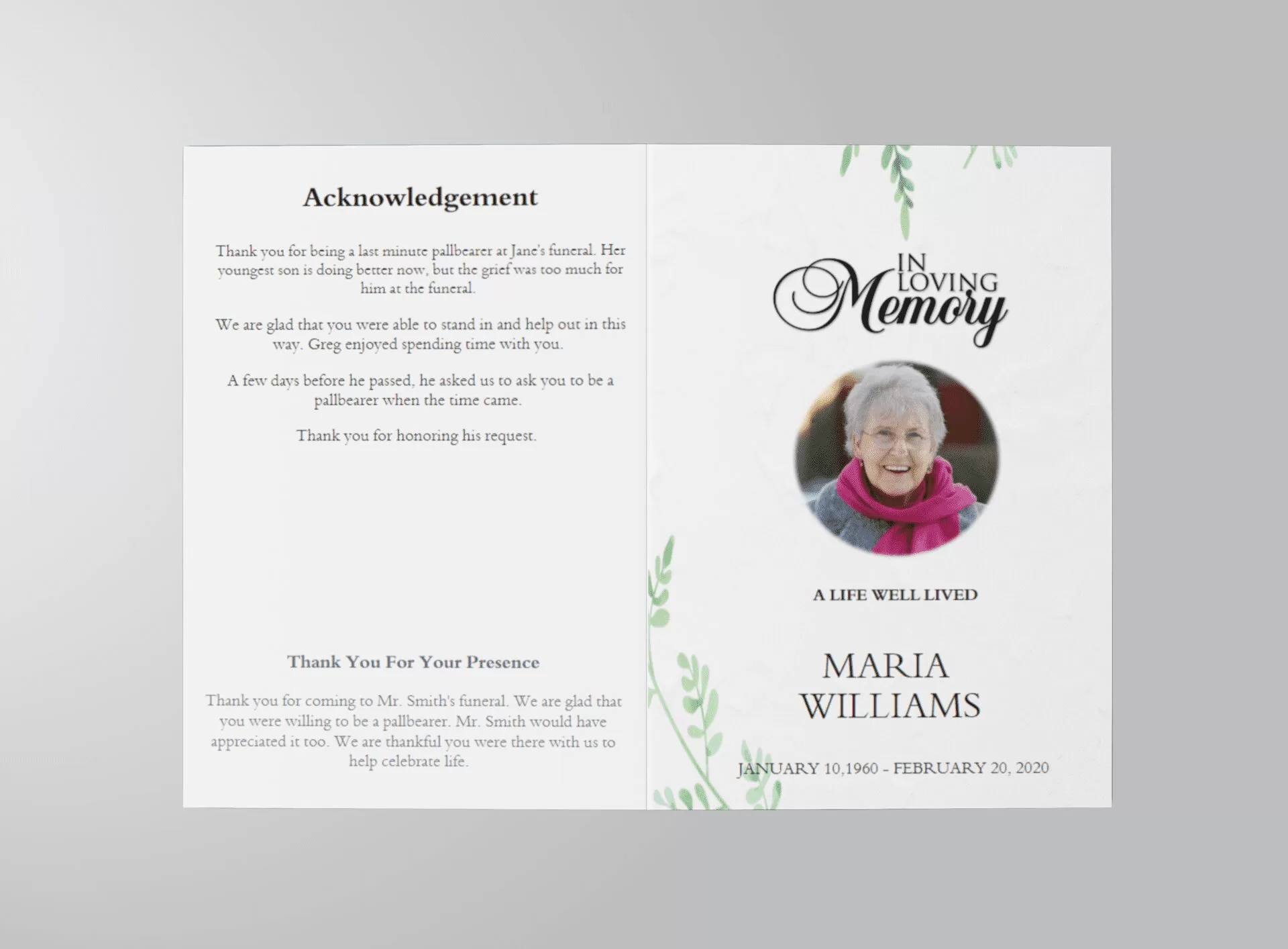
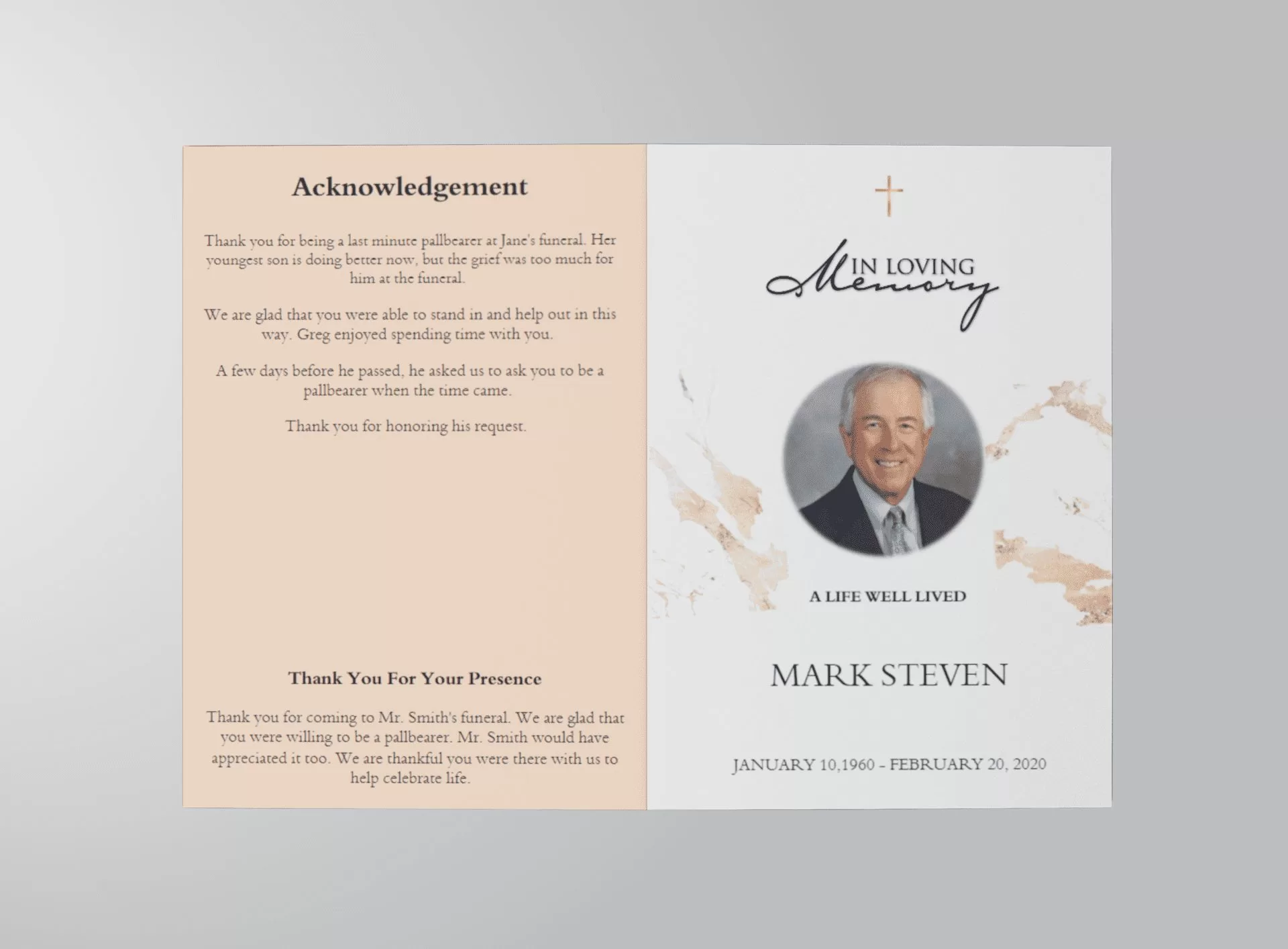
Catholic Funeral Program Example PDF (Free Editable Template)

Understanding the Essentials of Funeral Planning

Example of an obituary for a mother template

Introduction to Funeral Planning

Planning a funeral can be a challenging task, especially during a time of grief. It is important to understand the essentials of funeral planning to ensure that you honor your loved one’s memory in a meaningful way. This guide will help you navigate this difficult journey with clarity and compassion.

Key Components of Funeral Planning

  • Choosing the Right Service: Consider the type of service that best reflects the life of your loved one. Options include traditional funerals, memorial services, or celebrations of life.
  • Preparing Necessary Documentation: Ensure that you have all required documents, including the death certificate and any pre-arranged funeral plans.
  • Budgeting: Create a budget to cover all expenses, from the venue to the flowers. For assistance, check our comprehensive guide to funeral planning essentials.

Emotional Considerations

Grieving is a personal process, and it’s essential to allow yourself the time to process your emotions. During this period, you might find our article on navigating the emotional journey of funeral planning very helpful.

Creating a Memorial Service Program

A well-organized memorial service program can provide comfort to attendees and honor your loved one’s memory. Our free memorial service program templates for families can help you craft a thoughtful and professional program to share with guests.

Final Arrangements

Deciding on burial or cremation is a fundamental part of the planning process. It is beneficial to discuss these options with family members to ensure that everyone is on the same page. For further insights into these considerations, read about navigating the journey of funeral planning.

Conclusion

While this guide covers many essential aspects of funeral planning, remember that each situation is unique. Trust your instincts, lean on your support system, and take one step at a time.

How to Write a Funeral Program Obituary

Comprehensive Guide to Funeral Planning Essentials

Example of an obituary for a mother

Understanding the Essentials of Funeral Planning

Planning a funeral can often feel like a daunting task, especially when you are navigating the emotional landscape of grief. However, having a structured approach can ease this burden. In this guide, we will explore the fundamental aspects of funeral planning that can help you make informed decisions.

1. The Importance of Funeral Planning

Funeral planning is crucial for several reasons:

  • Emotional Relief: Planning ahead can alleviate stress during a difficult time.
  • Financial Clarity: Understanding costs helps avoid unexpected expenses.
  • Personalization: Tailor the service to reflect the wishes and personality of your loved one.

2. Key Components of a Funeral

When planning a funeral, consider the following elements:

  • Type of Service: Decide between a traditional service, memorial, or celebration of life.
  • Location: Choose a venue that holds significance for the deceased or family.
  • Funeral Director: Select a compassionate professional to guide you through the process.
  • Hymns and Readings: Incorporate traditional funeral hymns that resonate with the family and the deceased.

3. Personal Touches to Consider

Adding personal touches can make the service more meaningful. Here are some ideas:

  • Photos and Videos: Create a slideshow or video tribute that showcases cherished memories.
  • Guest Book: Provide a guest book for attendees to share their memories and condolences.
  • Poetic Tributes: Consider incorporating poetry to express feelings; honoring loved ones through poetic memories can be a poignant addition.

4. Navigating the Logistics

Understanding the logistics involved in funeral planning is essential:

  • Transportation: Arrange for transport of the deceased and mourners.
  • Cemetery Arrangements: Select a burial or cremation site that meets your family’s wishes.
  • Legal Considerations: Ensure all necessary permits and documentation are in order, which can be clarified by a knowledgeable funeral service provider.

5. Resources for Support

During this challenging time, it’s important to seek support. Consider these resources:

  • Funeral Home Guidance: Leverage the expertise of your chosen funeral home.
  • Community Support Groups: Connect with others who are grieving.
  • Online Resources: Platforms like QuickFuneral can provide valuable insights into navigating the journey of funeral planning.

Taking the time to understand these components can make the process smoother. Remember, planning a funeral is not just about logistics; it’s about honoring the life of your loved one in a way that reflects their spirit and provides comfort to those left behind.

sample obituary examples

Navigating the Journey of Funeral Planning

Obituary Example

Understanding the Importance of Funeral Planning

Planning a funeral can be a daunting task, especially when coping with the loss of a loved one. However, understanding the key elements of funeral planning can help ease the burden during this challenging time.

Key Components of Funeral Planning

  • Choosing the Right Service: There are various types of funeral services, including traditional, memorial, and eco-friendly options. Each type has its own unique aspects that may resonate differently with families.
  • Creating an Obituary: Obituaries serve as a meaningful way to announce a loved one’s passing and celebrate their life. For guidance on crafting a heartfelt tribute, check out our essential insights on obituaries.
  • Selecting a Venue: The location of the service can greatly affect the atmosphere. Consider factors such as accessibility and the deceased’s wishes.
  • Budgeting: Funeral expenses can add up quickly. It’s important to plan a budget that reflects your family’s needs and desires.

Heartfelt Remembrances

Honoring a loved one can take many forms. Incorporating poetry into the service can provide a touching way to express your grief and celebrate their life. Many families find comfort in using heartfelt poems for headstones to encapsulate their loved one’s essence.

The Role of Funeral Services

Understanding funeral services can provide clarity on what to expect. Services often include a viewing, the ceremony, and a committal service. Knowing the sequence can help families feel more prepared.

Helpful Resources

For those navigating the complexities of funeral planning, our compassionate guide offers a comprehensive overview of steps to consider. Emphasizing the importance of planning can ease the emotional and financial stress associated with these arrangements.

In conclusion, while the journey of planning a funeral can be overwhelming, knowing the essential components can provide some comfort and clarity. By utilizing available resources and support, families can honor their loved ones in meaningful ways.

Navigating the Essentials of Funeral Planning

Example of an obituary for a mother template

Understanding Funeral Planning

The process of planning a funeral can feel overwhelming, especially when compounded by grief. However, understanding the basics can make the journey easier. For instance, navigating the emotional journey of funeral planning is crucial. This resource helps you handle the emotional aspects while making necessary arrangements.

Why Funeral Services Are Important

Funeral services play a vital role in honoring a loved one. They provide a space for family and friends to gather, share memories, and support one another. To learn more about the various aspects of these services, check out our detailed guide on understanding funeral services.

Creating a Meaningful Tribute

Incorporating personal touches into a funeral can help celebrate the life of the deceased. One way to do this is through a heartfelt slideshow. Discover how to create a meaningful funeral slideshow in our article on creating a meaningful funeral slideshow.

Planning with Compassion

When faced with loss, having a compassionate approach to planning can ease the burden. Our compassionate guide to funeral planning offers insights that help you make thoughtful decisions during this difficult time.

Honoring Memories Through Poetry

Words have the power to heal. Writing a poem or a letter can be a beautiful way to honor your loved one. Explore how to articulate your feelings in our guide on honoring loved ones through poetic memories.

Conclusion

While there is no conclusion provided here, it’s essential to remember that planning a funeral is a significant step in the grieving process. Understanding the logistics of funeral services and the emotional journey can bring clarity and peace during a challenging time.

funeral program template

Navigating the Emotional Journey of Funeral Planning

Example of an obituary for a mother

Understanding the Fundamentals of Funeral Planning

When faced with the loss of a loved one, navigating the complexities of funeral planning can be overwhelming. It’s essential to approach this process with care, ensuring that you honor the memory of your loved one while also addressing the practical aspects of the arrangements.

The Importance of Funeral Services

Funeral services play a vital role in helping friends and family members come together to celebrate the life of the deceased. Understanding the various options available can ease the decision-making process during such a difficult time. For a comprehensive overview, consider reading our detailed guide on understanding funeral services.

Key Components of a Funeral Service

  • Viewing: A time for family and friends to pay their respects.
  • Service: A ceremony that can be religious or secular, reflecting the wishes of the deceased.
  • Burial or Cremation: Final disposition choices that should align with personal beliefs and desires.
  • Reception: A gathering following the service, providing comfort and community support.

Creating a Memorable Tribute

One touching way to honor your loved one is by creating a funeral slideshow. This visual tribute can encapsulate cherished moments and memories, making the service more personal and heartfelt. For tips on how to create an impactful slideshow, check out our article on creating a heartfelt funeral slideshow.

Steps to Creating a Slideshow

  1. Gather photos and videos that represent your loved one’s life.
  2. Choose a meaningful song or background music.
  3. Use slideshow software to compile and edit your materials.
  4. Consider incorporating quotes or poetry to enhance emotional impact.

Honoring Memories Through Words

Finding the right words to express your feelings can be challenging. Poetry offers a unique way to convey emotions and honor your loved one’s memory. In our article on honoring loved ones through poetic memories, you’ll find inspiration and guidance on how to craft a beautiful tribute.

Planning with Compassion

Planning a funeral involves many decisions that require sensitivity and care. By utilizing resources that provide guidance and support, you can navigate this process more smoothly. Our comprehensive guide on understanding funeral planning is designed to assist you every step of the way, ensuring you’re equipped with the knowledge needed to make informed choices.

Essential Considerations in Funeral Planning

  • Budgeting for services and associated costs.
  • Communicating wishes and preferences of the deceased.
  • Choosing the right funeral home and services.
  • Involving family members in the planning process.

Conclusion

While this blog post does not include a conclusion, it’s clear that navigating the journey of funeral planning is both a personal and communal experience. By utilizing available resources and support, you can honor the life of your loved one with dignity and love.

fall card

A Compassionate Guide to Funeral Planning

Obituary Template

Understanding Funeral Planning

When faced with the loss of a loved one, the emotional weight can be overwhelming. During such times, navigating the complexities of funeral planning becomes an essential task. This guide aims to provide you with a comprehensive understanding of the process to ease your burden.

Why Thoughtful Planning Matters

Planning a funeral is not just about the logistics; it’s about honoring the memory of your loved one. As highlighted in our article on the importance of thoughtful funeral planning, taking the time to arrange a fitting farewell can significantly impact the grieving process.

Key Considerations in Funeral Planning

  • Understanding Funeral Services: It’s crucial to grasp the different types of services available. Our article on understanding funeral services provides a detailed overview that can help you make informed decisions.
  • Attire for Attendees: One often overlooked aspect is what to wear. Our compassionate guide on funeral dress attire can help you navigate this sensitive topic.
  • Creating Lasting Memories: Consider how you will honor your loved one’s legacy. Explore our suggestions on honoring loved ones through poetic memories for unique ways to celebrate their life.

Steps to Plan a Funeral

Here are some essential steps to guide you through the planning process:

  1. Gather Information: Collect necessary documents such as the deceased’s identification, military records (if applicable), and pre-arrangement details.
  2. Choose a Funeral Home: Research and select a funeral home that fits your needs. Check reviews and ask for referrals.
  3. Select Service Type: Decide on the type of service that reflects the personality and wishes of your loved one. Options include traditional services, memorials, or even celebrations of life.
  4. Plan Details: Discuss details like location, time, and specific rites. This is where understanding the various funeral services and their importance becomes vital.
  5. Communicate with Family: Keep open lines of communication with family members to ensure everyone’s thoughts and wishes are considered.

Final Thoughts

While the task of planning a funeral can feel daunting, remember that you are not alone in this journey. Resources are available to assist you in making compassionate choices that honor your loved one’s memory. By understanding the fundamentals of funeral planning, you can create a meaningful tribute that resonates with family and friends alike.

Top Free Funeral Program Templates for Every Service Style

Understanding Funeral Planning: A Comprehensive Guide

Example of an obituary for a mother template

Introduction to Funeral Planning

Planning a funeral can feel overwhelming, especially when you’re coping with the loss of a loved one. At QuickFuneral LLC, we understand that this is a time of high emotion and many decisions. This guide aims to provide insights into making the funeral planning process smoother and more manageable.

Key Components of Funeral Planning

  • Choosing a Service Type: Decide whether you want a traditional funeral, a memorial service, or a celebration of life event. Each option has its unique elements that can honor your loved one appropriately.
  • Selecting a Funeral Home: Research local funeral homes to find one that aligns with your needs. Look for reviews and ask for recommendations.
  • Budget Planning: Understanding the costs associated with funeral services is crucial. Many options exist, and it’s essential to establish a budget early on.

Creating a Personal Tribute

One of the most meaningful parts of a funeral is the personal tribute to the deceased. This can include:

Navigating the Journey of Funeral Planning

Funeral planning involves navigating various stages and decisions. Here are some steps to consider:

  1. Contact family members and close friends to gather their input and preferences.
  2. Choose a date and location for the service, considering the comfort of attendees.
  3. Plan the details of the service, including speakers, readings, and music.

For a deeper understanding of the planning process, visit our article on navigating the journey of funeral planning.

Understanding Funeral Costs

Funeral costs can vary significantly based on the services you choose. Here are some common expenses to consider:

  • Funeral home fees
  • Transportation costs
  • Cemetery or cremation fees
  • Obituary and memorial costs

To gain insights into managing these costs, refer to our comprehensive guide to funeral planning.

Conclusion

While we do not provide a conclusion in this guide, we hope that the information shared here will assist you in navigating the challenging journey of funeral planning. From understanding costs to creating personalized tributes, QuickFuneral LLC is here to help you every step of the way.

funeral program template

A Comprehensive Guide to Funeral Planning and Obituaries

Example of an obituary for a mother template

Your Comprehensive Guide to Funeral Planning and Obituaries

Planning a funeral is a significant responsibility that often falls on the shoulders of family members during a difficult time. This process can be overwhelming, but having a clear understanding of what to expect can make it easier. In this guide, we will delve into various aspects of funeral planning, including the importance of crafting meaningful obituaries.

Understanding the Role of an Obituary

An obituary serves as a tribute to a loved one who has passed away. It is an essential part of the grieving process and helps families and friends remember the deceased. For tips on crafting a heartfelt obituary, visit our guide on creating meaningful obituaries.

Steps to Navigate Funeral Planning

Effective funeral planning involves several steps. Here’s a brief overview:

  • Gather Information: Collect necessary details about the deceased, such as their full name, birth date, and any special instructions they left.
  • Choose a Funeral Home: Select a funeral home that aligns with your needs. You can learn more about this in our article on navigating funeral planning with comfort and care.
  • Plan the Service: Decide on the type of service (traditional, memorial, or celebration of life) and its location.
  • Consider Personal Touches: Think about incorporating personal elements, such as music, readings, or photos.

Creating a Funeral Collage

Another beautiful way to honor your loved one is by creating a funeral collage. This can include photographs, mementos, and other items that reflect their life. For more inspiration, check out our article on funeral collage ideas to honor your loved one.

Comprehensive Resources for Planning

For those who want to ensure every detail is managed with care, our resource your comprehensive guide to funeral planning and obituaries provides in-depth information on the process. It covers everything from legal requirements to emotional support options.

Emotional Support During Planning

Planning a funeral is not just about logistics; it’s also about emotional well-being. Seek support from family and friends, and consider professional resources if needed. Understanding how to navigate these feelings can be incredibly beneficial.

Final Thoughts

While the process of planning a funeral can be daunting, knowing the steps to take and having the right resources at your fingertips can ease the burden. Familiarizing yourself with the elements of an obituary and the various planning stages will help create a meaningful farewell for your loved one.

funeral program template

Comprehensive Guide to Funeral Planning and Obituaries

Example of an obituary for a mother template

Understanding Funeral Planning

Funeral planning is an essential process that honors the life of a loved one while navigating the emotional challenges surrounding loss. It’s crucial to approach this task with care and compassion, ensuring every detail reflects the deceased’s personality and wishes.

Key Considerations in Funeral Planning

  • Type of Service: Decide between a traditional funeral, memorial service, or celebration of life.
  • Location: Choose a venue that holds significance, whether it’s a funeral home, church, or outdoor setting.
  • Budget: Establish a budget to guide your decisions on services and products.
  • Personal Touches: Consider incorporating personal elements like favorite music, photographs, or mementos.

Creating a Meaningful Obituary

An obituary serves as a tribute to the deceased, sharing their life story and achievements. For guidance on crafting a touching obituary, check out our example obituary template.

Funeral Mass Planning for Religious Services

For those looking to honor a loved one within the framework of faith, understanding the elements of a Catholic Funeral Mass is essential. This guide covers the rituals, prayers, and hymns that can be included to create a sacred atmosphere.

Comprehensive Guide to Funeral Planning

To dive deeper into the complexities of funeral arrangements, our Comprehensive Guide to Funeral Planning offers detailed insights, from selecting caskets to understanding burial options. This resource is invaluable for anyone tasked with organizing these final rites.

Navigating Emotional Challenges

Funeral planning can be overwhelming, especially when faced with grief. Our resource on navigating funeral planning with compassion and care provides tips on managing emotions while making decisions. It’s important to lean on family, friends, and professionals during this time.

Understanding Funeral Costs

Being aware of funeral costs is crucial. This essential guide outlines potential expenses and helps you make informed choices without overspending.

Final Thoughts

Each funeral is unique, and planning should reflect the wishes and personality of the departed. By utilizing available resources and seeking support, you can create a meaningful tribute that honors your loved one’s legacy.

Back to Top
Product has been added to your cart
Compare (0)