How to Write a Funeral Program Obituary

Navigating the Emotional Journey of Funeral Planning

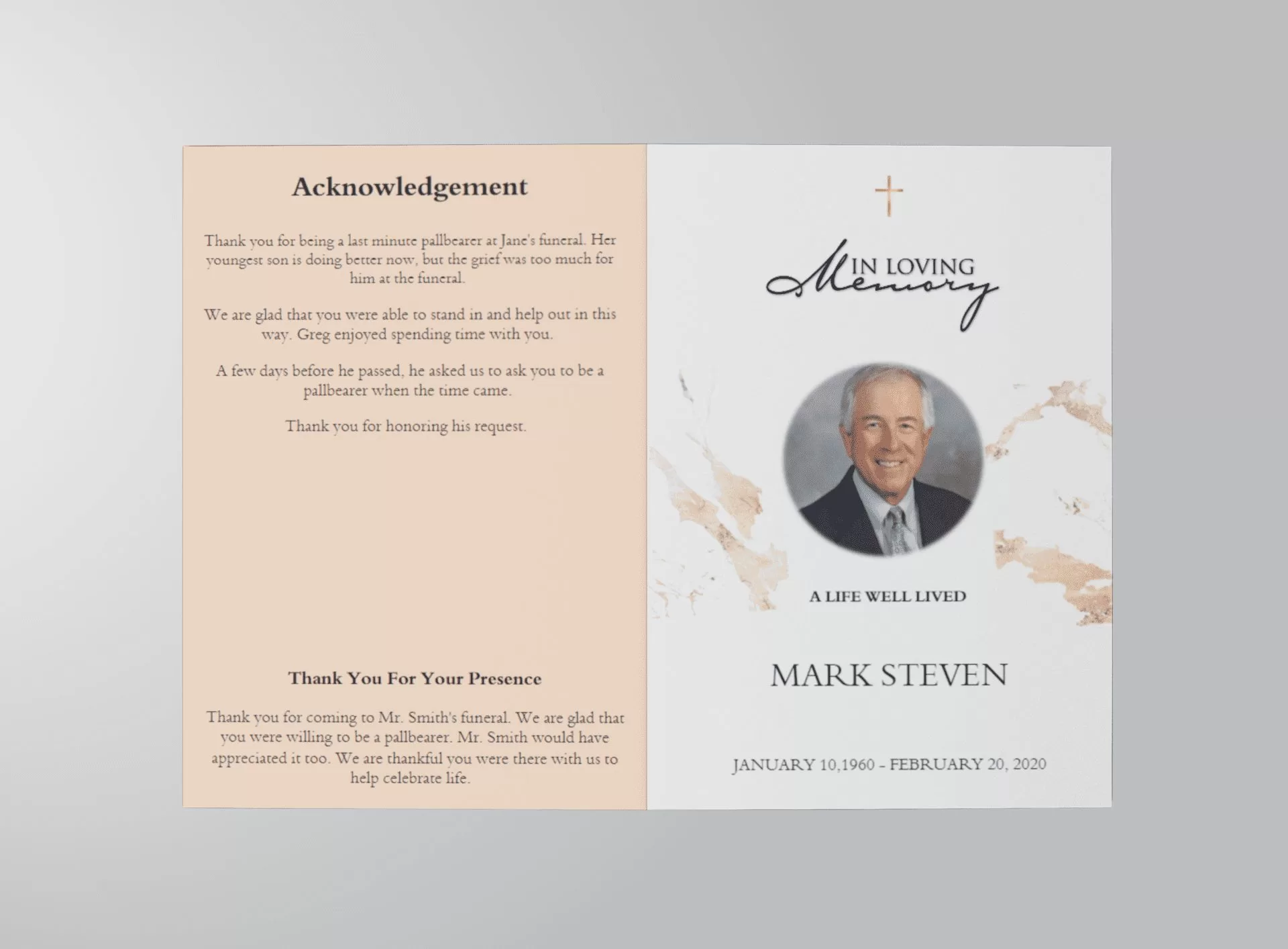
Example of an obituary for a mother template

Understanding the Importance of Funeral Planning

When losing a loved one, the emotional burden can be overwhelming. Planning a funeral is not just about logistics; it’s a way to honor their memory and celebrate their life. At QuickFuneral, we believe understanding funeral planning is crucial to making the process smoother.

Steps to Consider in Funeral Planning

  • Choosing a Funeral Home: Research local options and read reviews to find a facility that aligns with your needs.
  • Deciding on the Type of Service: Whether it’s a traditional service, memorial, or celebration of life, choose one that reflects the wishes of the deceased.
  • Budgeting: Understand the costs involved and set a realistic budget. This can help avoid any financial strain during an already difficult time.

Creative Ideas for a Meaningful Funeral Service

To personalize a funeral service, consider incorporating unique elements that reflect the individual’s personality. For inspiration, check out our article on creative ideas for a meaningful funeral service.

The Role of Family and Friends

The support of family and friends is invaluable during this time. They can help with planning and provide emotional support. Sharing responsibilities can also ease the burden. You might want to express your gratitude later with heartfelt messages. For guidance, visit our section on funeral thank you message samples.

Navigating Grief

Grief is a natural response to loss. It’s important to recognize your feelings and allow yourself to process them. Engaging in community support groups or seeking professional help can be beneficial. You can learn more about the emotional journey of funeral planning in our article on navigating the complexities of funeral planning.

Additional Resources for Planning

For a comprehensive approach to funeral planning, consider our essential guide to funeral planning for loved ones. This resource covers everything from legal requirements to emotional support, ensuring you have the tools needed to navigate this difficult time.

Remember, while the process can be challenging, it’s an opportunity to honor your loved one’s legacy and create lasting memories for everyone involved.
Funeral Program Template Online

Understanding the Essentials of Funeral Planning

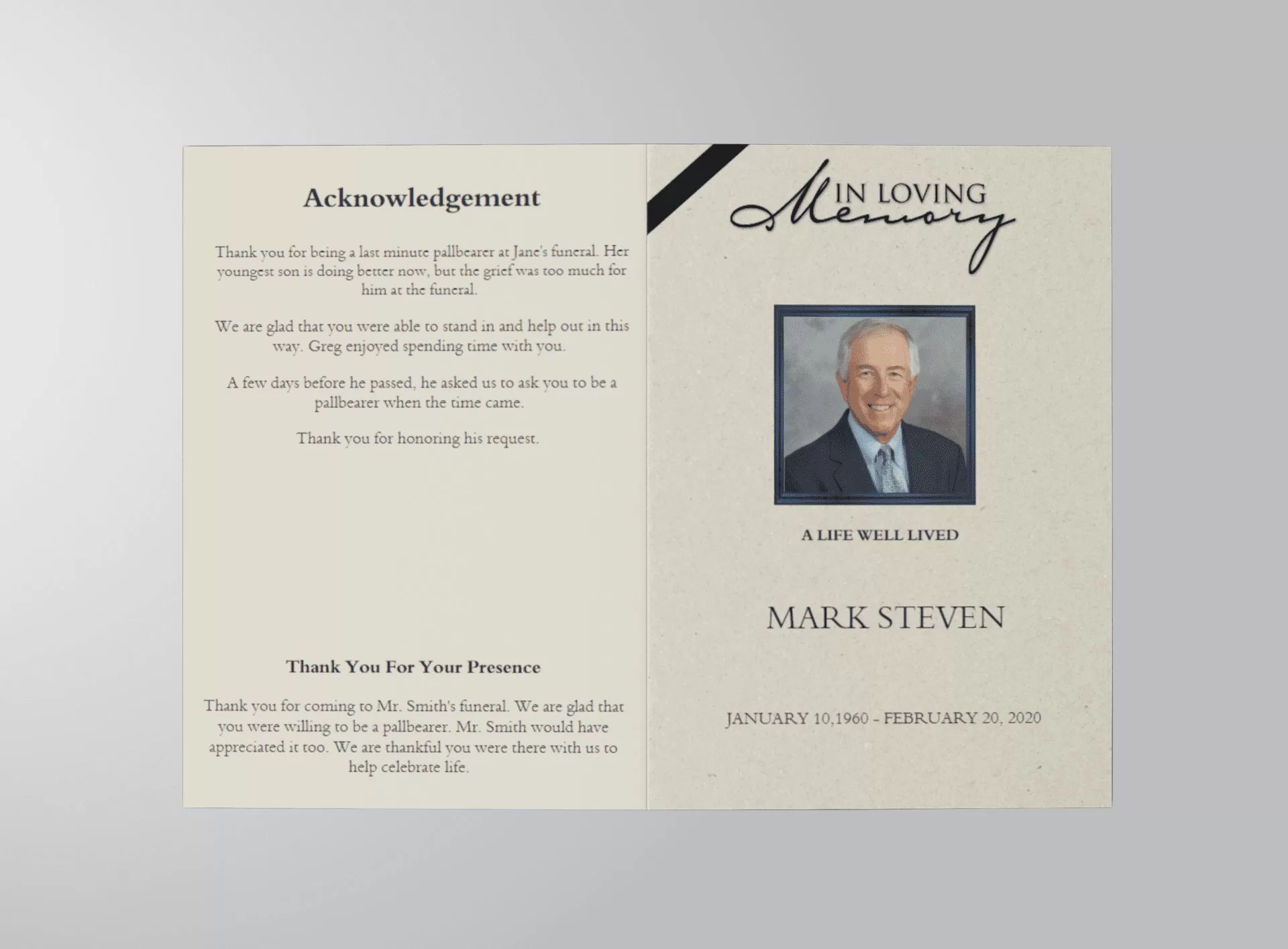
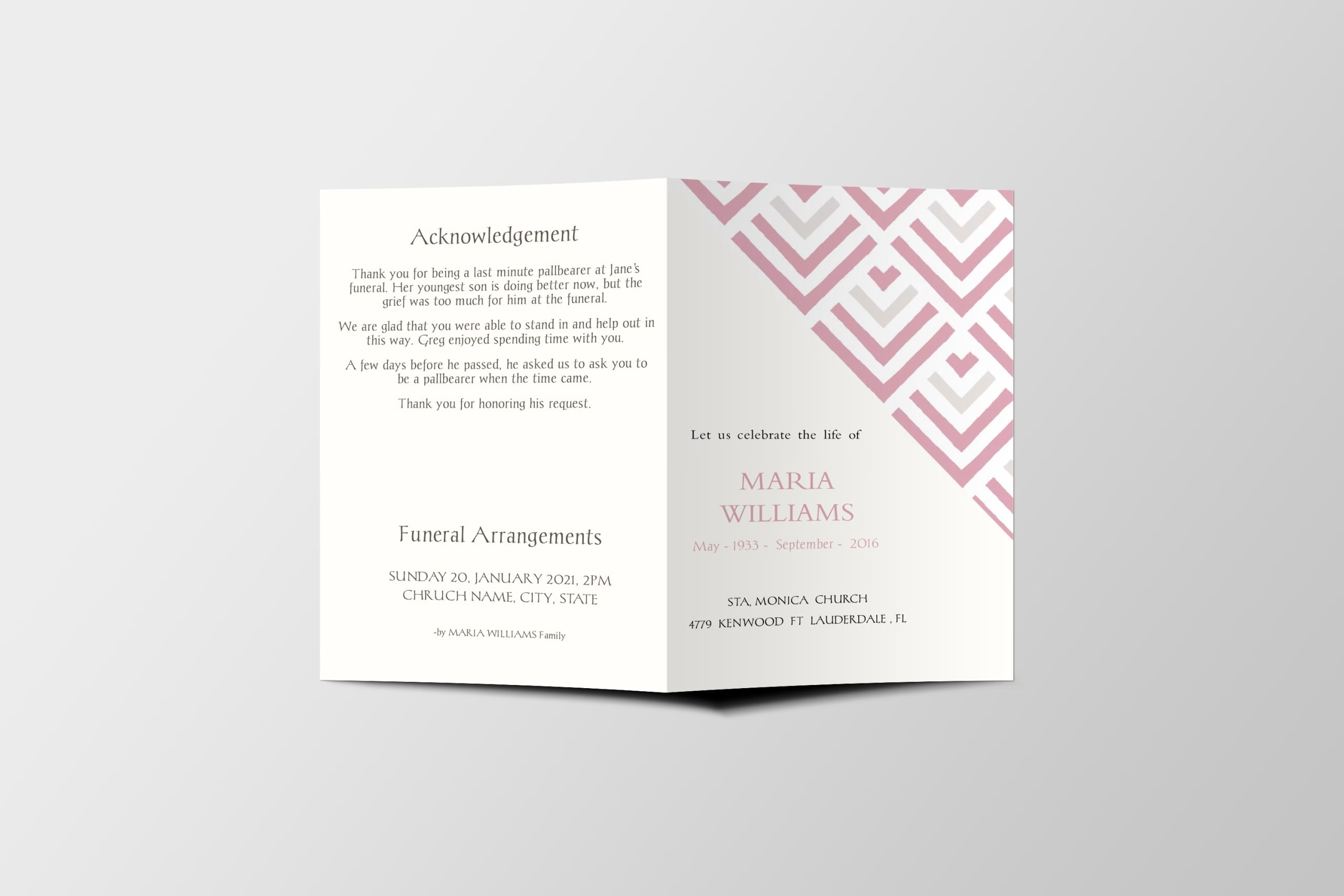
Example of an obituary for a mother template

Introduction to Funeral Planning

When a loved one passes away, the emotional toll can be overwhelming. One of the most significant responsibilities that families face is planning a funeral. This process can be daunting, but understanding the essentials of funeral planning can help ease some of that burden.

Key Components of Funeral Planning

Here are some vital elements to consider when planning a funeral:

  • Choosing a Funeral Home: Research and select a funeral home that aligns with your family’s needs and values.
  • Service Type: Decide on the type of service, whether it be traditional, memorial, or a celebration of life.
  • Budgeting: Set a budget to avoid overspending during this emotional time. Understanding the costs involved can be critical.
  • Personalization: Making the service unique to your loved one can bring comfort. Consider creating a personalized funeral program by consulting our guide on funeral program backgrounds.

Understanding the Importance of Thoughtful Planning

Thoughtful funeral planning is essential not only for honoring the deceased but also for providing support to the grieving family. Knowing the importance of thoughtful funeral planning can make a significant difference in how families cope with their loss.

Essential Insights into Funeral Traditions

Funeral traditions vary widely across cultures and religions. Here are some insights to consider:

  • Religious Practices: Incorporate relevant rituals that hold meaning for the deceased’s faith.
  • Cultural Customs: Respect and honor cultural traditions, as they can play a crucial role in the grieving process.
  • Memorialization: Consider options for memorialization, such as creating memory tables or digital slideshows.

Helpful Resources for Families

To navigate the complexities of funeral planning, families can benefit from various resources:

  • Essential insights into funeral planning and traditions can provide clarity and support.
  • Consulting with professionals in the field can alleviate some of the stress associated with planning.
  • Online guides and templates can simplify the process, allowing families to focus on what truly matters: honoring their loved one.

Final Thoughts on Funeral Planning

While planning a funeral is never easy, having a structured approach can foster a sense of control during a challenging time. By understanding the essentials of funeral planning, families can ensure that their loved ones receive a fitting tribute that celebrates their life.

sample obituary examples

Navigating the Essentials of Funeral Planning

Obituary Template

Understanding Funeral Planning

Experiencing the loss of a loved one is a profound emotional journey. During this difficult time, navigating the intricacies of funeral planning can often feel overwhelming. It is essential to understand the various aspects involved to honor your loved one appropriately.

The Importance of Thoughtful Planning

Thoughtful funeral planning is vital for several reasons:

  • Emotional Relief: Having a plan in place can alleviate some of the stress during a challenging time.
  • Personalization: Planning allows you to tailor the service to reflect the deceased’s life and values.
  • Financial Considerations: Understanding costs associated with funerals can help in making informed decisions.

Essential Insights into Funeral Traditions

Different cultures have unique funeral traditions that reflect their values and beliefs. Understanding these can be helpful:

  • Religious Practices: Many funerals incorporate specific religious rites, which provide comfort and closure.
  • Memorial Services: A memorial can be held to celebrate the life of the deceased, allowing for a more personalized experience.

Utilizing Images in Funerals

Images play a significant role in memorializing a loved one. You can find a detailed guide on the importance of images in funerals in our post titled Images for Funerals: A Comprehensive Guide for Families. This resource highlights how visual elements can enhance the remembrance experience.

Steps to Thoughtful Funeral Planning

When faced with the task of planning a funeral, consider the following steps:

  1. Gather Information: Collect personal details about the deceased, including their wishes.
  2. Choose a Location: Decide whether the service will be held at a funeral home, church, or another venue.
  3. Select a Service Type: Choose between a traditional burial, cremation, or alternative options.
  4. Personalize the Service: Incorporate elements that reflect the personality and life of the deceased.

Resources for Support

For more insights on planning, our Essential Guide to Thoughtful Funeral Planning provides comprehensive information to guide families through this process.

Additionally, exploring the emotional terrain of funeral planning can offer strategies for coping during such a sensitive time.

Understanding the various aspects of funeral planning can make a difficult time a little more manageable. Remember, you are not alone in this journey; there are resources and support available to help you through every step.

Funeral Program Template Online

Understanding the Importance of Thoughtful Funeral Planning

Obituary Template

Thoughtful Funeral Planning: A Guide for Families

Facing the loss of a loved one is an incredibly challenging experience, often filled with emotional turmoil and logistical complexities. At QuickFuneral LLC, we understand the importance of approaching funeral planning with care and compassion. This guide aims to provide essential insights into funeral planning, helping families navigate this difficult time.

Why Thoughtful Funeral Planning Matters

When a loved one passes, planning the funeral can become overwhelming. Thoughtful funeral planning ensures that you honor their memory while addressing practical needs. Here are some key reasons why it matters:

  • Emotional Closure: A well-planned funeral provides a sense of closure for family and friends, allowing them to say their final goodbyes.
  • Personalization: Thoughtful planning allows you to infuse personal touches, reflecting the personality and values of your loved one.
  • Logistical Ease: By planning ahead, you can alleviate some of the pressures and decisions that follow a loss.

Essential Steps in Funeral Planning

Here are some essential steps to guide you through the funeral planning process:

  1. Gather Information: Collect important documents such as the deceased’s will, insurance policies, and any pre-arranged funeral plans.
  2. Choose a Funeral Home: Research local funeral homes and compare services. You can find insights on choosing the right one in our Essential Insights into Funeral Planning and Traditions.
  3. Decide on Service Details: Discuss with family the type of service, burial or cremation preferences, and any religious or cultural rites that should be included.
  4. Prepare a Memorial Slideshow: A memorial slideshow can beautifully celebrate a loved one’s life. For templates and guidance, check out our article on creating a heartfelt memorial slideshow.
  5. Communicate with Guests: Inform family and friends about the service details, ensuring that everyone has the opportunity to attend and pay their respects.

Navigating Emotional Challenges

Funeral planning is not just about logistics; it’s also an emotional journey. Here are some ways to navigate this terrain:

  • Seek Support: Lean on friends and family for emotional support. Sharing memories can be healing.
  • Consider Professional Help: If you’re feeling overwhelmed, consider consulting with a funeral planner who can guide you through the process. You can read more about this in our guide on navigating the emotional terrain of funeral planning.
  • Take Time for Yourself: Amidst the planning, remember to take care of your emotional well-being. It’s okay to step back and breathe.

Planning with Care

Every detail matters when planning a funeral. From selecting floral arrangements to choosing music, each element can reflect the life and legacy of your loved one. For more detailed guidance, consider our Essential Guide to Thoughtful Funeral Planning, which offers insights into making informed decisions during this emotional time.

In conclusion, thoughtful funeral planning can ease the burden during one of life’s most difficult moments. By honoring the wishes and memory of your loved one, you create a lasting tribute that resonates with family and friends.

sample obituary examples

Navigating the Funeral Planning Process with Ease

Obituary Template

Understanding the Emotional Journey

Experiencing the loss of a loved one is a profound and deeply emotional journey. It is during these challenging times that families often need guidance on how to navigate the complexities of funeral planning. This process can feel overwhelming, but with the right support and resources, it can be manageable.

Steps to Consider in Funeral Planning

  • Gathering Information: Start by collecting all necessary information about the deceased, including personal details and preferences regarding the service.
  • Choosing a Funeral Home: Selecting a funeral home is crucial. Consider factors such as location, services offered, and pricing.
  • Planning the Service: Decide on the type of service that would honor your loved one best. Options include religious ceremonies, memorials, or simple gatherings.
  • Arranging for Disposal: Determine whether your loved one preferred burial, cremation, or another form of disposition.

Incorporating Personal Touches

Personalizing the funeral service is an important way to pay tribute to the deceased. Here are some ideas:

  • Share meaningful stories or anecdotes during the service.
  • Include favorite songs or readings that reflect the person’s life.
  • Set up a memory table with photos and memorabilia.

Understanding Funeral Attire Traditions

One aspect that often comes up is the tradition of wearing black to funerals. While it has been a common practice, many families now opt for colors that reflect the personality and spirit of the deceased. This shift illustrates the evolving nature of funeral customs.

Resources for Support

Planning a funeral can be emotionally draining. Seeking support from friends, family, or professional counselors can be beneficial. Additionally, our Essential Guide to Funeral Planning and Support offers practical insights and resources to help you navigate this challenging experience.

Key Considerations in Funeral Planning

When planning a funeral, several key considerations should be top of mind:

  • Budget: Understand the costs involved and create a budget.
  • Legal Requirements: Be aware of any legal obligations that may affect planning.
  • Timeframe: Plan for the timeline of events leading up to the service.

For a more detailed approach, check out our article on understanding the nuances of funeral planning. This resource can provide additional insights into the various elements that need to be addressed.

Final Thoughts

While the funeral planning process can be daunting, remember that you are not alone. Utilize available resources and support systems to make this challenging time a bit easier. For more comprehensive guidance, consider our importance of thoughtful funeral planning article, which emphasizes the significance of planning with care and compassion.

Back to Top
Product has been added to your cart
Compare (0)