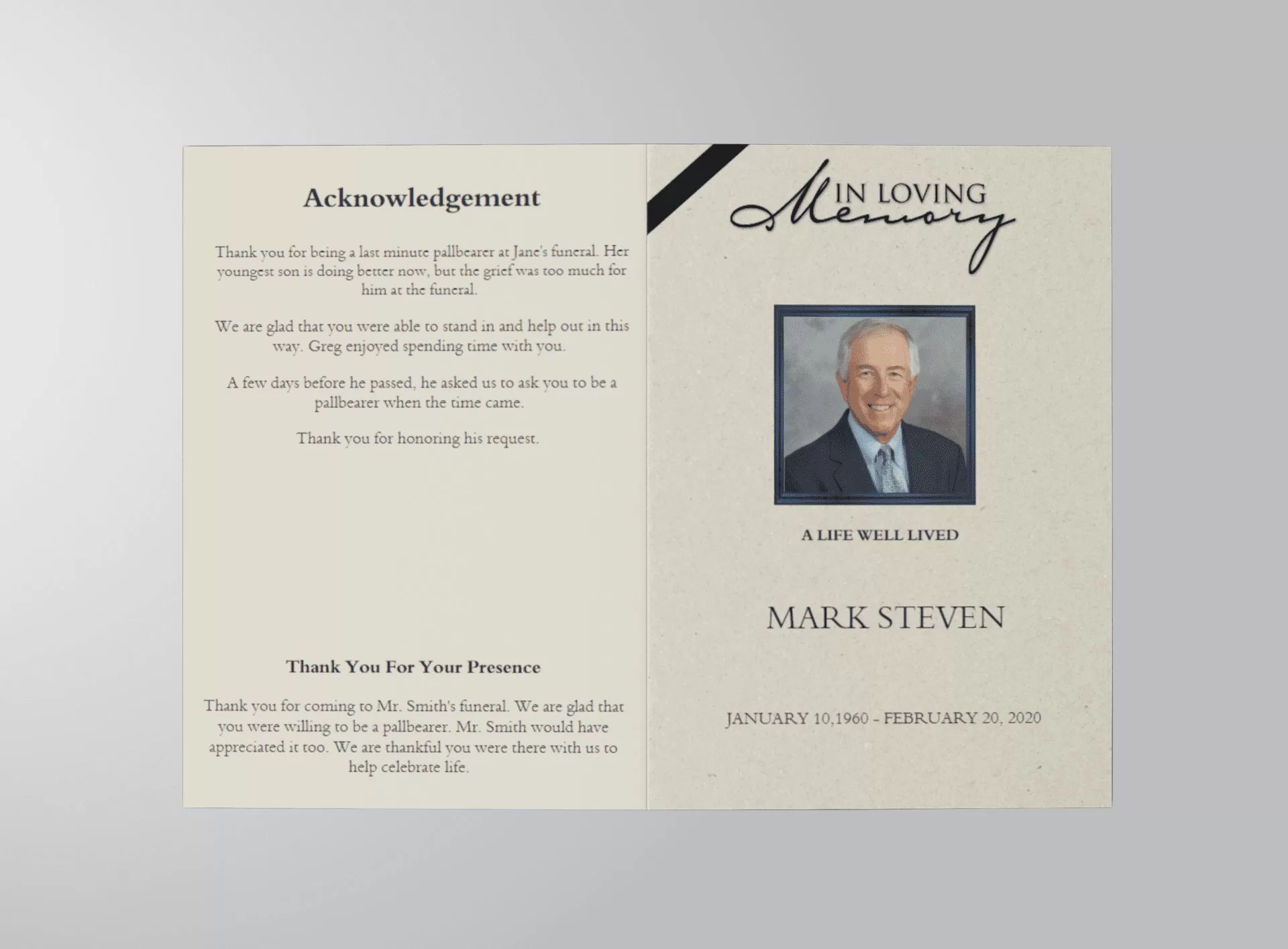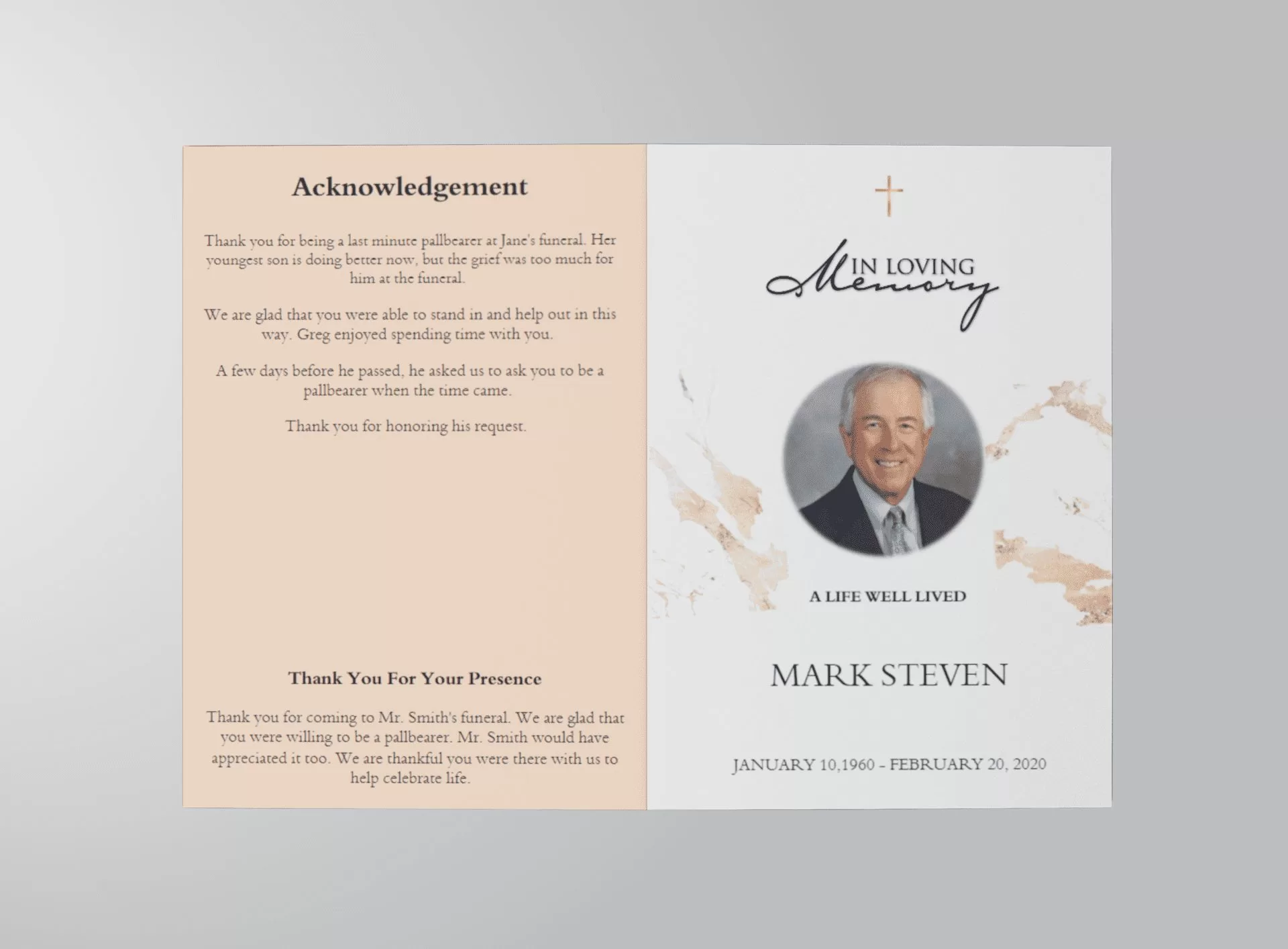
How to Write a Funeral Program Obituary

Navigating the Emotional Journey of Funeral Planning

Example of an obituary for a mother template

Understanding the Importance of Funeral Planning

When faced with the loss of a loved one, the emotional burden can be overwhelming. One essential aspect of navigating this difficult time is funeral planning. Proper planning not only honors the deceased but also provides clarity and support to those left behind.

The Emotional Landscape of Loss

Grieving is a deeply personal experience. During this time, finding comfort and solace can be vital. Many individuals turn to scripture for support, as it often provides comforting words and a sense of peace amidst chaos.

Key Steps in Funeral Planning

Here are some crucial steps to consider when planning a funeral:

  • Gather Information: Collect details about the deceased, including their wishes, if available.
  • Choose a Funeral Home: Research and select a funeral home that aligns with your family’s needs and values.
  • Plan the Service: Decide on the type of service, whether traditional or more personalized.
  • Select Merchandise: Choose caskets, urns, and other essential items.
  • Communicate with Family: Keep family members informed and involved in the planning process.

Resources for Compassionate Planning

For those looking for more detailed guidance, Your Guide to Compassionate Funeral Planning offers insights into managing the emotional aspects of planning while ensuring that the deceased’s wishes are honored.

Understanding Different Funeral Options

Funeral services can vary widely. It’s essential to consider:

  • Traditional funerals with burial
  • Cremation services
  • Memorial services without the body present
  • Green burials and eco-friendly options

For a comprehensive overview, check out Essential Insights into Funeral Planning, which dives deeper into various options and considerations.

The Role of Compassion in Funeral Planning

Approaching funeral planning with compassion can significantly ease the process. Navigating Funeral Planning with Compassion and Care emphasizes the importance of empathy and understanding during this challenging time.

Final Thoughts

While the planning process can be daunting, the resources available today can simplify the journey. Always remember that you are not alone in this experience. Lean on your support network, and don’t hesitate to seek professional guidance when needed.


Sample Obituary Templates

Essential Insights into Funeral Planning

Obituary Template

Understanding Funeral Planning

When the loss of a loved one occurs, the burden of funeral planning can feel overwhelming. It is crucial to approach this task with compassion and clarity. Our comprehensive guide to funeral planning offers valuable insights into managing this process effectively.

Key Steps in Funeral Planning

  • Gather Information: Collect essential details about the deceased, including personal preferences, religious beliefs, and any specific wishes they may have had regarding their funeral.
  • Set a Budget: Determine how much you can spend. Funerals can be costly, and having a budget will help guide your decisions.
  • Select a Funeral Home: Research and choose a funeral home that meets your needs and budget. Consider reading reviews and visiting multiple facilities.
  • Choose a Type of Service: Decide whether to have a traditional service, a memorial, or a celebration of life. Each option has its own significance and can reflect the personality of the deceased.

Compassionate Funeral Planning

Planning a funeral is not just about logistics; it’s also about honoring the life of your loved one. For a more compassionate approach, refer to Your Guide to Compassionate Funeral Planning. This resource emphasizes the importance of empathy and understanding during this challenging time.

Support Resources

In addition to planning the funeral, seeking support is vital. Engaging with family and friends can provide emotional comfort. Our Comprehensive Guide to Funeral Planning and Support outlines various resources available for those in mourning.

Understanding the Importance of Funeral Planning

Funeral planning is essential not only for honoring the deceased but also for providing closure to the bereaved. Learn more about why this process matters in our article Understanding Funeral Planning: A Comprehensive Resource.

Essential Steps to Follow

To ensure nothing is overlooked, familiarize yourself with the Essential Steps in Funeral Planning. This guide walks you through each phase of the planning process, ensuring that you can focus on celebrating your loved one’s life.

In summary, while planning a funeral is inherently challenging, accessing the right resources and support can make the process more manageable. Remember to take things one step at a time, and prioritize honoring your loved one’s memory with care and respect.

fall card

Navigating the Journey of Funeral Planning

Example of an obituary for a mother

Understanding the Funeral Process

Planning a funeral can feel overwhelming, especially during such a difficult time. However, understanding the process can help ease some of that burden. Funerals serve as an important ritual, allowing family and friends to gather, grieve, and honor the life of a loved one.

Steps to Consider When Planning a Funeral

  • Choose a Funeral Home: Research local funeral homes and select one that fits your needs. Consider their services, reputation, and pricing.
  • Decide on the Type of Service: Whether it’s a traditional funeral, memorial service, or celebration of life, choose a format that reflects your loved one’s wishes.
  • Arrange for Transportation: Consider how the body will be transported to the service and burial site.
  • Select Music and Readings: Personalize the service by selecting meaningful songs and readings that resonate with your loved one’s life.
  • Plan for Personal Tributes: Allow family and friends to share their memories or create a poem in memory of the deceased.

Honoring and Remembering Your Loved One

Funerals are not just about saying goodbye; they are a celebration of life. Incorporating special elements can enhance the memorial experience.

Memorial Services: A Meaningful Alternative

For some, a memorial service may feel more appropriate. These services can take place weeks or even months after the passing, allowing more time for planning and reflection. Learn more about the importance of memorial services and how they can provide closure.

Emotional Support During Funerals

Grieving can be a complex emotional journey. It’s essential to acknowledge feelings and seek support when needed. Consider reaching out to friends or professionals who can help navigate this difficult time. Explore navigating the emotional landscape of funerals to better understand the grieving process.

Practical Considerations

In addition to emotional aspects, consider practical elements that can ease the planning process:

  • Budgeting: Determine a budget for the funeral and stick to it. This can help limit stress and make decision-making easier.
  • Documentation: Ensure that necessary documents, such as death certificates and insurance papers, are in order.
  • Guest List: Compile a list of attendees to ensure everyone can be informed and included in the memorial.

Funeral Pre-Planning

Pre-planning can alleviate the burden on loved ones. It allows individuals to express their wishes and ensures they are honored. Consider discussing pre-planning options with family or a local funeral home. Learn more about comprehensive guidance on honoring loved ones.

Emotional Expressions: Poems and Tributes

Finding the right words can be challenging. In memoriam poems can provide comfort and a beautiful way to express feelings during the service. These can be read aloud or included in printed materials.

Ultimately, planning a funeral is about honoring a life and supporting each other through the grieving process. Every detail, from the service format to personal tributes, plays a crucial role in creating a meaningful farewell.

Navigating the Complexities of Funerals and Memorials

Example of an obituary for a mother

Navigating the Complexities of Funerals and Memorials

When facing the loss of a loved one, understanding the intricacies of funerals and memorial services can provide comfort and clarity. Each ritual serves a unique purpose in honoring the deceased while providing support to those left behind. In this post, we will explore the significance of these ceremonies and the resources available to help you during this difficult time.

Understanding Funerals

Funerals are essential events that mark a loved one’s transition from life to remembrance. They allow family and friends to gather, share their grief, and celebrate the life of the deceased. In our comprehensive guide to funerals, we delve deeper into the various types of funerals, from traditional to contemporary, and how to choose the right one for your family.

The Importance of Memorial Services

Memorial services are often held after the funeral and provide a more flexible setting for family and friends to honor the deceased. These gatherings can be tailored to reflect the personality and wishes of the departed. To understand their significance better, read our article on understanding memorial services.

Creating Lasting Memories: Obituaries

Obituaries play a crucial role in the grieving process, serving as a public announcement of a loved one’s passing, as well as a celebration of their life. They provide an opportunity to share the deceased’s story with the community. For more insights, check out our guide on the role of obituaries in grieving.

Comforting Traditions: Prayer Cards

Catholic funeral prayer cards can serve as cherished mementos for family and friends. These cards are often personalized with verses and images that reflect the loved one’s faith and spirit. Explore our collection of Catholic funeral prayer card verses to find the right words to honor your loved one.

Planning a Meaningful Service

To ensure that the funeral or memorial service reflects the wishes of the deceased and the needs of the family, careful planning is essential. Start by considering the following aspects:

  • Location: Choose a venue that holds significance for the deceased or where family can gather comfortably.
  • Officiant: Decide whether to have a religious leader or a family member officiate the service.
  • Personal Touches: Incorporate elements such as favorite songs, photographs, and memories to personalize the service.

For a compassionate approach to planning, refer to our article on understanding memorial services.

Conclusion

While we won’t wrap up this discussion with a conclusion, remember that navigating the complexities of funerals and memorial services can be challenging. Resources are available to guide you through this process, allowing you to honor your loved one appropriately.

Funeral Program Template Online

The Heart of Farewells: Understanding Obituaries

Example of an obituary for a mother

The Importance of Obituaries

Obituaries serve as more than just a notification of a loved one’s passing; they are heartfelt tributes that celebrate the lives of those we cherish. Understanding the role of obituaries can greatly assist in the grieving process. For more insights, explore our article on Understanding the Role of Obituaries and Funeral Services.

Why Obituaries Matter

When someone passes away, creating an obituary becomes a vital part of honoring their life. It provides a sense of closure and allows family and friends to reflect on the positive memories shared. To learn more about how obituaries play a crucial role in healing, read The Significance of Obituaries in Honoring Loved Ones.

Crafting a Meaningful Obituary

Writing an obituary can be a challenging yet meaningful task. Here are some tips to help you craft a heartfelt message:

  • Start with basic details: Include the full name, age, and date of passing.
  • Share life achievements: Highlight significant accomplishments and passions.
  • Include family information: List surviving family members and any predeceased relatives.
  • Personal anecdotes: Add stories that portray the personality of the deceased.

If you need guidance on how to write an obituary, check out our detailed guide on Creating Meaningful Obituaries and Funeral Services.

Obituaries vs. Funeral Programs

It is essential to understand the difference between obituaries and funeral programs. While an obituary announces the passing and celebrates the life, a funeral program details the order of service during the funeral. For further reading on this subject, visit Understanding the Importance of Obituaries and Funeral Programs.

Honoring Loved Ones with Eulogies

In addition to obituaries, eulogies offer another way to honor a loved one. This personal tribute allows family members to share their feelings and memories openly. If you’re looking to prepare a eulogy, our guide on Crafting a Heartfelt Eulogy: A Guide to Honoring Your Loved One provides valuable tips and examples.

Final Thoughts

Embracing the process of creating an obituary can be a profound experience that not only honors a life but also aids in the healing journey for those left behind. Whether you are writing an obituary or preparing a eulogy, each step taken is a tribute to the love shared.

Back to Top
Product has been added to your cart
Compare (0)