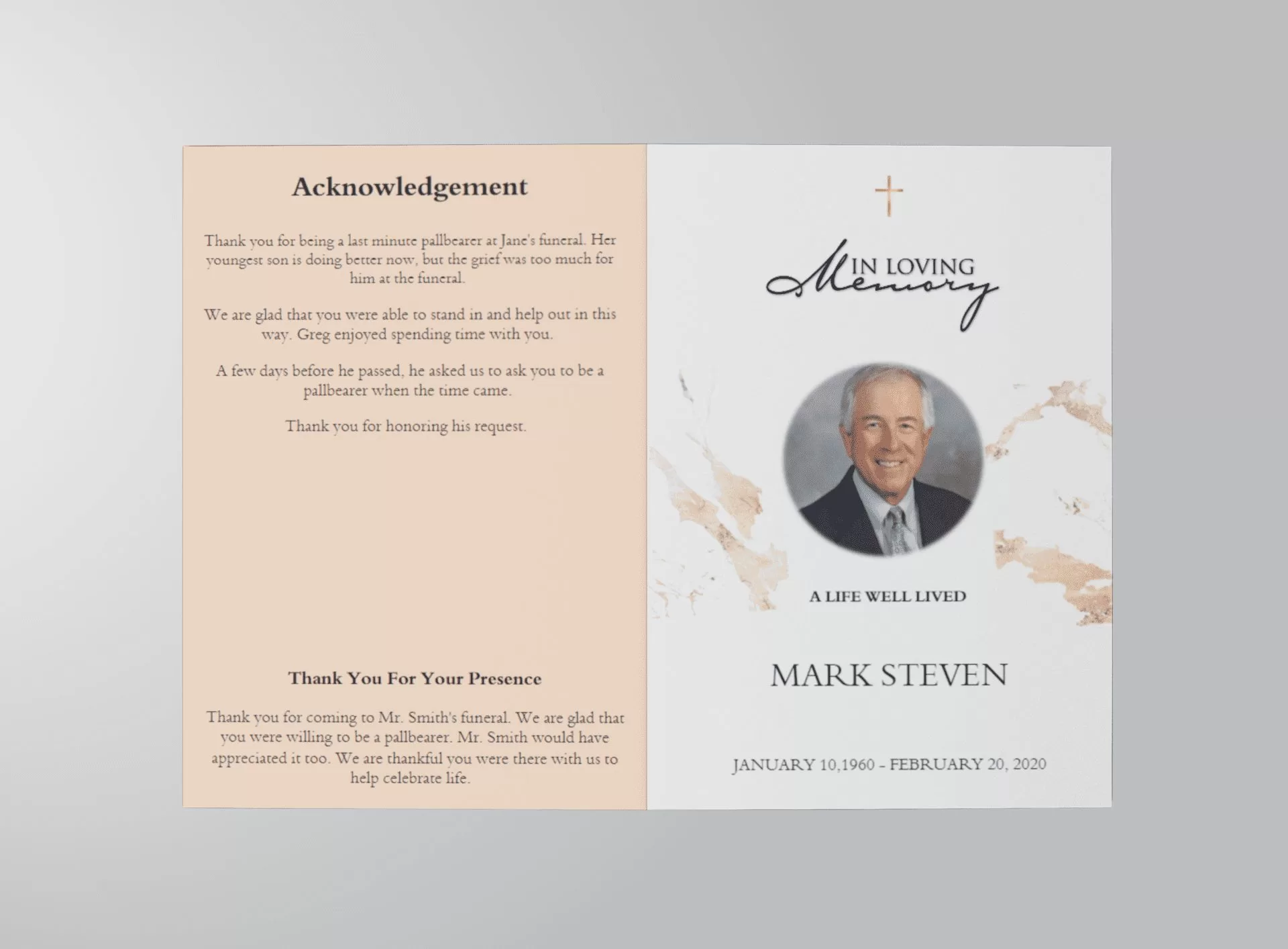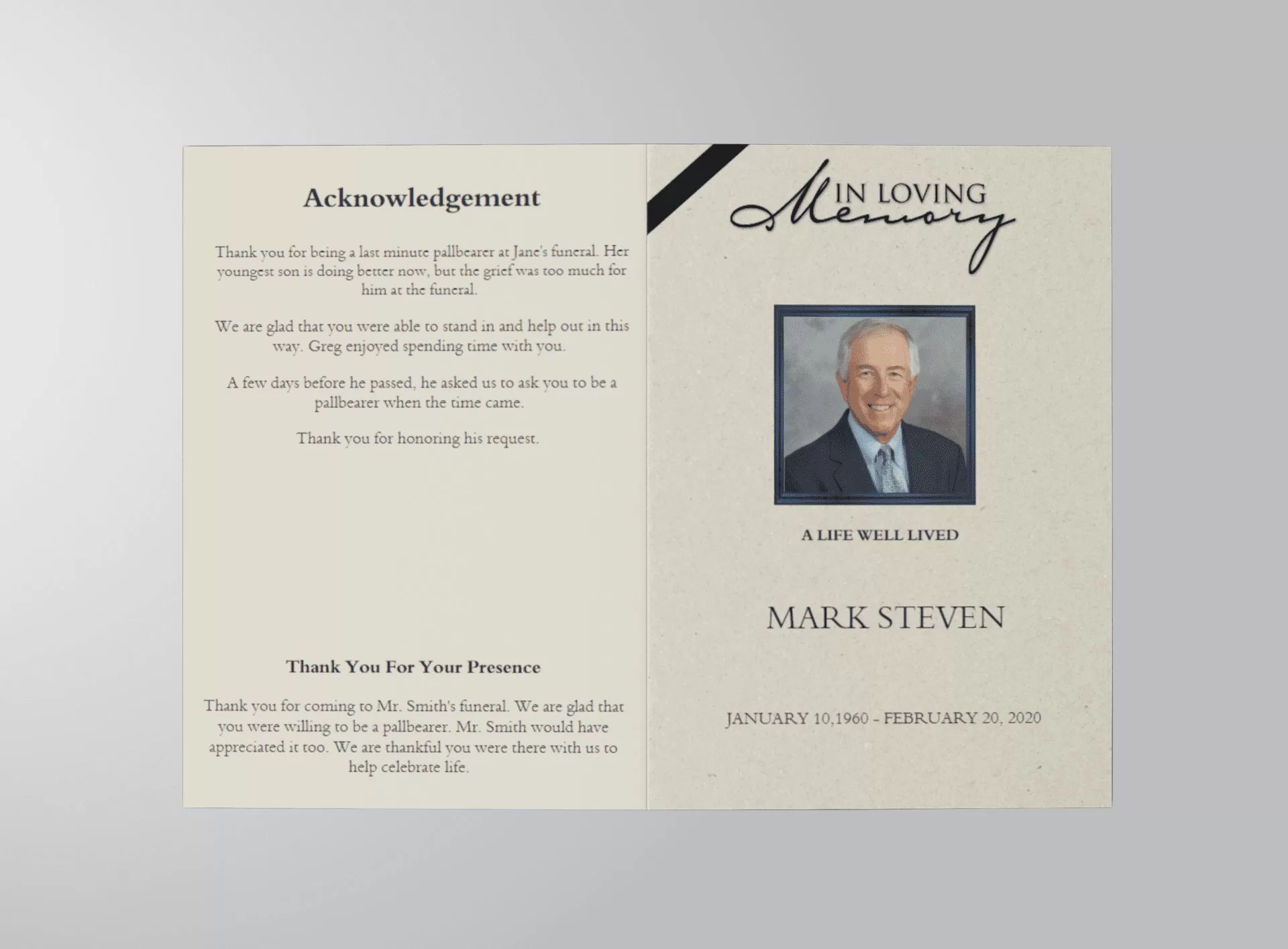
Funeral Program Template Online

Navigating the Complexities of Funeral Planning with Compassion

Obituary Template

Navigating the Complexities of Funeral Planning with Compassion

Experiencing the loss of a loved one is one of life’s most profound challenges. During this emotional period, understanding the intricacies of funeral planning can provide a sense of direction and peace. Here, we delve into essential insights that can guide you through this difficult process.

Understanding Funeral Planning Essentials

Planning a funeral encompasses various elements that require thoughtful consideration. Here are some key components:

  • Choosing the Right Service: Decide whether the service will be traditional or more personalized. Each option has its own benefits.
  • Budgeting for Expenses: Understanding costs associated with funerals can help avoid unexpected financial burdens.
  • Selecting a Venue: Whether it’s a funeral home, church, or a special location, the venue plays a crucial role in the service.

For a deeper understanding of these essentials, explore our article on Understanding the Essentials of Funeral Planning.

Creating a Meaningful Memorial Program

A memorial program serves as a lasting tribute to your loved one. It allows family and friends to celebrate their life and share memories. To assist you, we offer Free Memorial Program Templates for Your Loved One’s Service, which can simplify this process.

Key Steps in Funeral Planning

When navigating the journey of funeral planning, consider the following steps:

  1. Gather Information: Collect necessary documents and personal wishes of the deceased.
  2. Consult with Professionals: Funeral directors can provide invaluable guidance and support.
  3. Plan the Service Details: Decide on speakers, music, and any special elements that reflect the personality of your loved one.

For more insights on this journey, read our comprehensive guide on Navigating the Journey of Funeral Planning.

Emotional Support Resources

During this time, it’s crucial to seek emotional support. Consider reaching out to friends, family, or support groups. You are not alone in this journey. For additional insights on navigating the emotional landscape of funeral planning, visit our resource on Essential Insights for Thoughtful Funeral Planning.

Final Thoughts on Funeral Planning

Funeral planning might seem overwhelming, but taking it step by step can lead to a beautifully organized tribute that honors your loved one’s legacy. For more structured guidance and resources, check our detailed article on Navigating Funeral Planning: Essential Insights and Resources.

Remember, this process is about honoring a life lived, and with the right resources, you can navigate it with love and care.

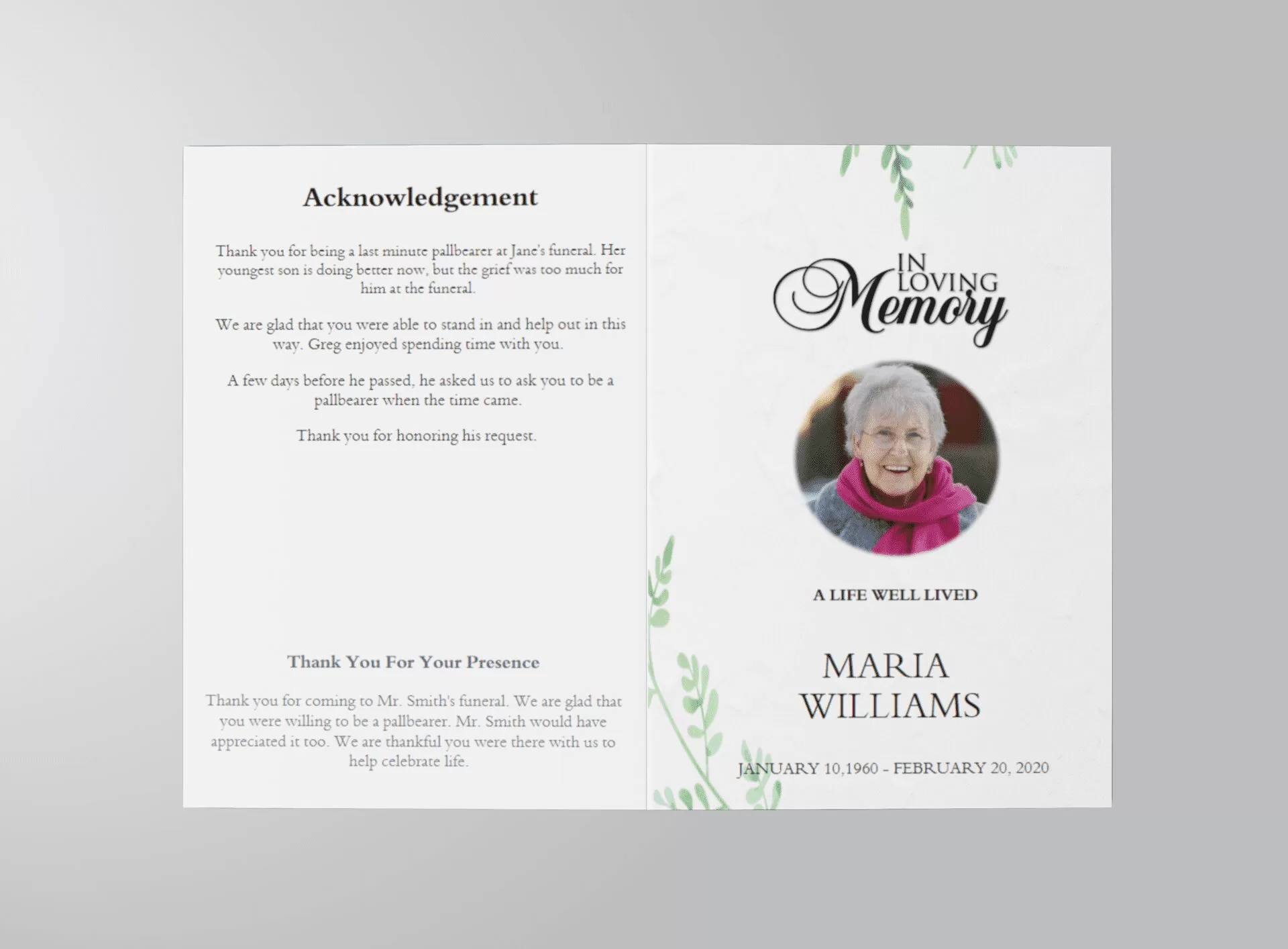
sample obituary examples

Navigating the Journey of Funeral Planning

Example of an obituary for a mother

Understanding Funeral Planning

Planning a funeral is often a challenging task, especially during a time of grief. It is essential to approach this process with sensitivity and care. Here, we explore the fundamental aspects of funeral planning and provide valuable insights to help you navigate these difficult moments.

Key Considerations in Funeral Planning

  • Emotional Preparation: Acknowledge your feelings. It’s normal to feel overwhelmed, and seeking support from family or friends can be beneficial.
  • Understanding Costs: Funerals can vary significantly in price. Consider discussing your budget openly with funeral service providers to find suitable options.
  • Personalization: Reflect on how you wish to honor your loved one. Personal touches, such as favorite flowers or music, can make the ceremony more meaningful.

Essential Steps in the Planning Process

When planning a funeral, here are the steps you should consider:

  1. Choose a Funeral Home: Research local funeral homes and read reviews. The staff should be compassionate and willing to guide you through the process.
  2. Decide on Service Type: Consider whether you want a traditional service, memorial service, or a celebration of life. Each type serves different purposes and can be tailored to individual needs.
  3. Obituary Writing: An obituary is a meaningful way to commemorate your loved one. For a helpful template, visit our obituary template page.
  4. Select Music: Music is an important aspect of any service. If you’re considering a religious service, explore our list of top Catholic funeral songs to find selections that resonate.

Helpful Resources for Funeral Planning

To further assist you in this emotional journey, we recommend exploring:

Final Thoughts

Remember, planning a funeral is a deeply personal experience. Taking the time to understand your options and what feels right for you can help ease the burden during this difficult time. Each decision you make is a step toward honoring your loved one in a way that reflects their life and legacy.

Catholic Funeral Program Example PDF (Free Editable Template)

A Guide to Navigating Funeral Planning with Compassion

Example of an obituary for a mother template

Understanding the Importance of Funeral Planning

Experiencing the loss of a loved one can be one of life’s most challenging events. It often brings an emotional toll that can feel overwhelming. However, with careful planning and understanding, you can navigate this difficult time with grace and compassion.

Key Aspects of Funeral Planning

When planning a funeral, consider these essential elements:

  • Choosing the Right Service: Decide whether you want a traditional funeral, a memorial service, or a celebration of life event.
  • Setting a Budget: Establish a budget that covers all necessary expenses, including venue, casket, and flowers.
  • Creating a Meaningful Obituary: Write an obituary that reflects the personality and life of your loved one. For guidance, check out our detailed article on creating meaningful obituaries.

Navigating the Emotional Journey

Funeral planning is not just about logistics; it’s also about managing emotions. Understanding the emotional journey involved can help you cope better during this difficult time.

Tips for Emotional Support

  • Lean on Family and Friends: Don’t hesitate to seek support from your loved ones.
  • Consider Professional Help: Therapists or grief counselors can provide guidance and support.
  • Find Comfort in Spirituality: Many find solace in faith; explore comforting Bible scriptures that speak to sorrow and loss.

Essential Guide to Funeral Planning

To assist you further, we have compiled an essential guide to funeral planning that covers everything from legal requirements to emotional considerations.

Finalizing Arrangements

Once you have made the necessary decisions, it’s time to finalize arrangements. This can involve:

  • Contacting a funeral home to discuss your plans.
  • Gathering important documents, such as the death certificate and insurance information.
  • Organizing transportation for guests and the deceased.

Additional Resources

For more detailed insights on the funeral planning process, explore our comprehensive guide on navigating funeral planning. This resource covers various aspects, ensuring that you feel equipped to handle each step.

As you embark on this journey, remember that you are not alone. Many resources are available to guide you through the complexities of planning a funeral, helping you honor the memory of your loved one.

A Comprehensive Guide to Funeral Planning

Example of an obituary for a mother template

Understanding the Importance of Funeral Planning

Experiencing the loss of a loved one can be one of the most challenging times in life. It often leaves families in a state of confusion and emotional turmoil. Therefore, understanding the importance of funeral planning becomes essential.

Emotional Journey of Funeral Planning

The emotional journey of planning a funeral can be overwhelming. Families often face difficult decisions while coping with grief. For insightful tips and support, check out our article on navigating the emotional journey of funeral planning.

Comprehensive Guide to Funeral Planning

Planning a funeral involves various elements, from selecting a venue to organizing the service. Our essential guide to funeral planning can provide you with a roadmap to make informed decisions.

Key Steps in Funeral Planning

  • Choosing the Right Funeral Home: Research local options and read reviews to find a compassionate service.
  • Selecting Burial or Cremation: Understand the differences and make a choice that honors your loved one.
  • Planning the Service: Decide on elements such as music, speakers, and any special tributes.
  • Creating Memorial Materials: Consider creating programs or memorial cards.

Finding Comfort During Difficult Times

During these difficult times, many families seek solace in meaningful words. Our collection of comforting Bible quotes for funeral programs can provide an uplifting foundation for your service.

Compassionate and Clear Planning

Planning a funeral with clarity and compassion is vital. For more guidance, explore our article on navigating funeral planning with compassion and clarity.

Final Thoughts

While planning a funeral can be daunting, understanding the steps involved can help ease the burden. Remember, you are not alone in this journey. Reach out for support, and utilize available resources to honor your loved one thoughtfully.

Navigating Funeral Planning with Compassion and Understanding

Obituary Template

Navigating Funeral Planning with Compassion and Understanding

Experiencing the loss of a loved one is an emotional journey that can be overwhelming. When faced with such a profound loss, many find themselves in the position of planning a funeral. This process can often feel daunting, but it doesn’t have to be. Understanding the essentials of funeral planning can significantly ease the burden during this difficult time.

The Importance of Thoughtful Funeral Planning

Funeral planning is not just about logistics; it’s about honoring the life of the deceased while supporting those who are grieving. Thoughtful funeral planning allows loved ones to celebrate the life of the deceased in a way that feels meaningful. To learn more about this compassionate approach, check out our detailed guide on Understanding Funeral Planning: A Compassionate Approach.

Understanding the Essentials of Funeral Planning

When planning a funeral, there are several key components to consider:

  • Choosing a Funeral Home: Selecting a funeral home that aligns with your values and needs is crucial. Research and visit local options before making a decision.
  • Service Options: Determine whether you want a traditional service, a celebration of life, or a simpler affair. Each option carries its own significance.
  • Burial or Cremation: Decide on the final disposition of the body. Both options have their own set of considerations and costs.
  • Memorialization: Think about how you want to memorialize your loved one. This could include personalized items, music selections, or even a themed service.

For a comprehensive overview, explore the article on Understanding the Essentials of Funeral Planning.

Navigating the Emotional Journey

The emotional toll of losing a loved one can be heavy. Understanding the journey of grief and loss can help family members navigate through their feelings. It’s essential to recognize that grieving is a personal experience, and each individual may process their emotions differently. For insights into this emotional landscape, visit Navigating the Emotional Journey of Funeral Planning.

Music as a Source of Comfort

One powerful way to uplift spirits during a funeral is through music. The right songs can provide comfort and even inspire reflection. For suggestions on uplifting music, check out our list of Black Gospel Funeral Solos to Uplift and Comfort.

Dealing with Complexities of Funeral Planning

Every family’s needs are unique, and the complexities of funeral planning can often feel overwhelming. From financial considerations to personal preferences, it’s essential to navigate these details carefully. For guidance on managing these complexities, read our article on Navigating the Complexities of Funeral Planning.

By taking a compassionate approach to funeral planning, families can create a meaningful tribute to their loved ones while also caring for their emotional needs during this challenging time.

Funeral Program Template Online

Navigating the Emotional Journey of Funeral Planning

Obituary Template

Understanding the Journey of Grief and Loss

When a loved one passes away, the emotional toll can be overwhelming. The mourning process is deeply personal and can vary widely from person to person. It’s important to acknowledge your feelings and allow yourself the time to grieve and heal.

Planning a Funeral: Essential Steps

During this difficult time, planning a funeral may feel daunting. However, a structured approach can help ease some of the burdens. Here are some essential steps to consider:

  • Gather Information: Collect necessary details about your loved one, including personal information and preferences regarding their funeral.
  • Discuss with Family: Involving family members in the planning process can provide support and share the emotional load.
  • Choose a Funeral Home: Research local funeral homes. Reading reviews and understanding their offerings will help you make an informed choice.
  • Consider the Type of Service: Decide whether you want a traditional funeral, memorial service, or a celebration of life.

Understanding Funeral Planning: A Comprehensive Guide

For a deeper understanding of the funeral planning process, our comprehensive guide offers insights into every aspect of planning a funeral, from logistics to emotional considerations.

Finding Comfort in Scripture

Many find solace in spiritual texts during times of grief. Our article on comforting Bible verses provides uplifting passages that may help ease your sorrow and offer peace.

Emotional Support During Planning

It’s essential to seek support while navigating through this emotional journey. Consider connecting with a professional or joining a support group to share your feelings and experiences with others who understand.

Resources for Funeral Planning

Understanding the essentials of funeral planning can greatly help you feel more prepared. Take a look at our article on the essentials of funeral planning for a well-rounded overview of what to expect.

Additionally, our guide on navigating the complexities of funeral planning delves into common challenges and how to overcome them, ensuring you’re not alone in this process.

Importance of Thoughtful Planning

Understanding the importance of funeral planning can help you honor your loved one’s memory while also taking care of yourself. Explore our resource on the significance of thoughtful funeral planning to learn more about this critical process.

A Compassionate Approach to Grief

Above all, remember that grieving is a natural part of life, and there’s no right or wrong way to go through it. Being patient with yourself and allowing the grieving process to unfold is crucial.

Sample Obituary Templates

Comprehensive Guide to Funeral Planning

Example of an obituary for a mother template

Understanding the Importance of Funeral Planning

Experiencing the loss of a loved one is one of the most profound emotional journeys one can face. During this challenging time, having a clear plan can help ease the burden. Proper funeral planning not only honors the deceased but also provides comfort to those left behind.

Key Steps in Funeral Planning

  • Choose a Funeral Home: Research local funeral homes and read reviews to find one that meets your needs.
  • Determine the Service Type: Decide between a traditional service, a memorial service, or a celebration of life.
  • Plan the Details: Consider elements such as music, readings, and who will officiate the service.
  • Budgeting: Outline your budget, factoring in costs for services, caskets, and other expenses.

Creating a Meaningful Funeral Welcome Sign

One often overlooked aspect of funeral planning is the funeral welcome sign. This sign serves as a comforting and respectful way to greet attendees at a memorial service. It sets the tone for the gathering and helps guests feel welcomed during a difficult time.

Compassionate Funeral Planning

For those navigating this challenging journey, navigating funeral planning with compassion can make a significant difference. Understanding the emotional aspects involved can help you make more thoughtful decisions that honor the wishes of your loved one.

Essential Guide to Funeral Planning

Our essential guide to funeral planning provides a comprehensive overview of everything you need to know. From legal requirements to selecting a casket, this guide is designed to support you during this difficult time.

Emotional Support During Planning

Don’t forget the importance of emotional support as you go through this process. Engaging with family members and friends can ease the burden. Also, consider speaking with professionals who specialize in grief counseling.

Understanding the Funeral Planning Process

To further aid in your preparations, our guide on navigating the essentials of funeral planning outlines the steps necessary to ensure everything goes smoothly. It’s crucial to be informed about all available options and the implications of each choice.

Final Thoughts on Funeral Planning

In summary, planning a funeral is a multifaceted process that requires careful consideration and planning. By utilizing available resources and support, you can create a meaningful tribute that reflects the life of your loved one.

How to Write a Funeral Program Obituary

Essential Guide to Funeral Planning: What You Need to Know

Example obituary for a mother

Understanding Funeral Planning

Experiencing the loss of a loved one is one of the most profound emotional journeys one can face. During this challenging time, effective planning is crucial to ensure that the wishes of the deceased are honored and that family members receive the support they need. This guide will cover the essential aspects of funeral planning, providing you with the knowledge necessary to navigate this difficult process.

The Importance of Funeral Planning

Funeral planning helps alleviate the emotional burden during a time of grief. It ensures that all necessary arrangements are made ahead of time. Here are some key reasons why planning is vital:

  • Respecting Wishes: Many individuals leave behind instructions regarding their funeral preferences.
  • Reducing Stress: Pre-planning can significantly lessen the decision-making pressure on surviving family members.
  • Financial Considerations: Planning ahead can help manage costs and prevent overspending.

Essential Elements of Funeral Planning

When planning a funeral, consider the following elements:

  1. Choosing a Funeral Home: Research local funeral homes and read reviews. It’s important to find a provider that aligns with your needs and values.
  2. Deciding on the Type of Service: Options may include traditional services, memorial services, or even celebratory events.
  3. Preparing the Obituary: Crafting a meaningful obituary is an important part of honoring the deceased. For assistance, check out our obituary template.
  4. Arranging Transportation: Make arrangements for transporting the body, as well as providing transportation for family and guests.

Resources for Funeral Planning

For those new to the process, several resources can assist in making informed decisions:

Dressing for a Funeral Viewing

Attending a funeral viewing is an important moment to honor the departed and support their family. Choosing the right attire is crucial. For more information on appropriate clothing, read our guide to dressing for a funeral viewing.

Emotional Support During Planning

Funeral planning can be an emotional experience. It’s essential to seek support from friends, family, or professionals who can provide guidance and comfort. Consider joining a support group or consulting a counselor to help navigate your feelings during this time.

How to Write a Funeral Program Obituary

Navigating the Essentials of Funeral Planning

Example of an obituary for a mother

Navigating the Essentials of Funeral Planning

When faced with the loss of a loved one, the emotional weight can be overwhelming. One of the most significant responsibilities during this time is planning a funeral. Understanding the intricacies of funeral planning can help ease some of this burden. Here’s a comprehensive guide to navigate through the process.

Understanding the Funeral Planning Process

Funeral planning involves several key components, including:

  • Choosing a Funeral Home: Research local funeral homes and read reviews to find one that aligns with your family’s needs.
  • Deciding on Burial or Cremation: Consider the wishes of the deceased and your family’s traditions when making this decision.
  • Arranging the Service: From selecting speakers to choosing music, every detail matters.
  • Managing Costs: Be aware of the potential expenses involved and budget accordingly.

For a more in-depth look at these aspects, check out our article on Understanding Funeral Planning: A Complete Guide.

Emotional Aspects of Funeral Planning

Planning a funeral is not just about logistics; it’s also about navigating the emotional landscape. Consider the following:

  • Grieving Process: Allow yourself and your family time to grieve while planning.
  • Support Systems: Lean on friends and family for emotional support.
  • Seek Professional Help: Don’t hesitate to reach out to grief counselors or support groups.

To understand more about the emotional aspects of this journey, visit our article on Navigating the Emotional Landscape of Funeral Planning.

Essential Insights on Funeral Planning

Having a solid understanding of funeral planning can make the process smoother. Here are some essential insights:

  • Prepare a checklist of tasks to ensure nothing is overlooked.
  • Communicate openly with family members about their wishes and expectations.
  • Consider creating a pre-planned funeral, which can relieve some of the decision-making burden in the future.

For more details, refer to our comprehensive guide on Essential Insights on Funeral Planning.

Understanding the Importance of Funeral Planning

Funeral planning is more than just an obligation; it’s a significant way to honor the deceased. It allows family and friends to come together to celebrate life and share memories. Here are some reasons why it’s essential:

  • Provides closure and a sense of peace for the grieving family.
  • Allows for a personalized tribute that reflects the personality and values of the deceased.
  • Can help reduce financial stress by making decisions in advance.

To learn more about planning with compassion, check our article on Understanding Funeral Planning: A Compassionate Approach.

Conclusion

Planning a funeral is undoubtedly a challenging task, but with the right knowledge and resources, it can also be a meaningful experience. Equip yourself with understanding and compassion as you navigate this journey.

Sample Obituary Templates

Understanding Funeral Planning: A Guide for Families

Example of an obituary for a mother template

The Importance of Funeral Planning

Funeral planning is a crucial aspect of honoring a loved one’s life. It can be overwhelming, especially during emotional times, but understanding the process can provide peace of mind. Here, we will explore essential steps and considerations in funeral planning.

Key Steps in Funeral Planning

  • Gather Information: Collect necessary documents such as birth certificates, social security numbers, and any pre-existing funeral plans.
  • Set a Budget: Determine financial resources available for the funeral. This will guide your decisions regarding services and products.
  • Choose a Location: Decide on the funeral home or venue. Visit several to compare services and costs.
  • Select Services: Consider whether you want a traditional funeral, memorial service, or something more unique.

Understanding Different Funeral Options

There are various types of services available, each with its own significance. For example, a traditional funeral service typically includes a viewing, a ceremony, and a burial or cremation. Alternatively, a memorial service can be held without the body present, providing a more flexible option.

For a deeper understanding of how to navigate these options, check out our Essential Guide to Navigating Funeral Planning.

Incorporating Personal Touches

Personalizing a funeral can make the service more meaningful. Consider incorporating:

  • Favorite music or readings, such as comforting passages from the Bible.
  • Photographs and videos that celebrate the individual’s life.
  • Memorial items like guest books or memory tables.

Legal Considerations in Funeral Planning

It’s essential to understand the legal requirements surrounding funerals. This includes obtaining a death certificate and understanding local laws regarding burial and cremation. For more information on the legal aspects, refer to our Comprehensive Guide to Funeral Planning.

Emotional Support During Planning

Planning a funeral can be emotionally taxing. It’s important to seek support from friends, family, or professional counselors. Engaging with others can provide comfort and alleviate some of the burdens you may feel.

For those looking for more structured guidance, the Navigating the Complexities of Funeral Planning resource offers valuable insights.

Final Thoughts

While funeral planning can be daunting, it is a vital part of honoring loved ones. By understanding the steps involved and seeking support, families can create a meaningful farewell that reflects their loved one’s legacy.

Back to Top
Product has been added to your cart
Compare (0)