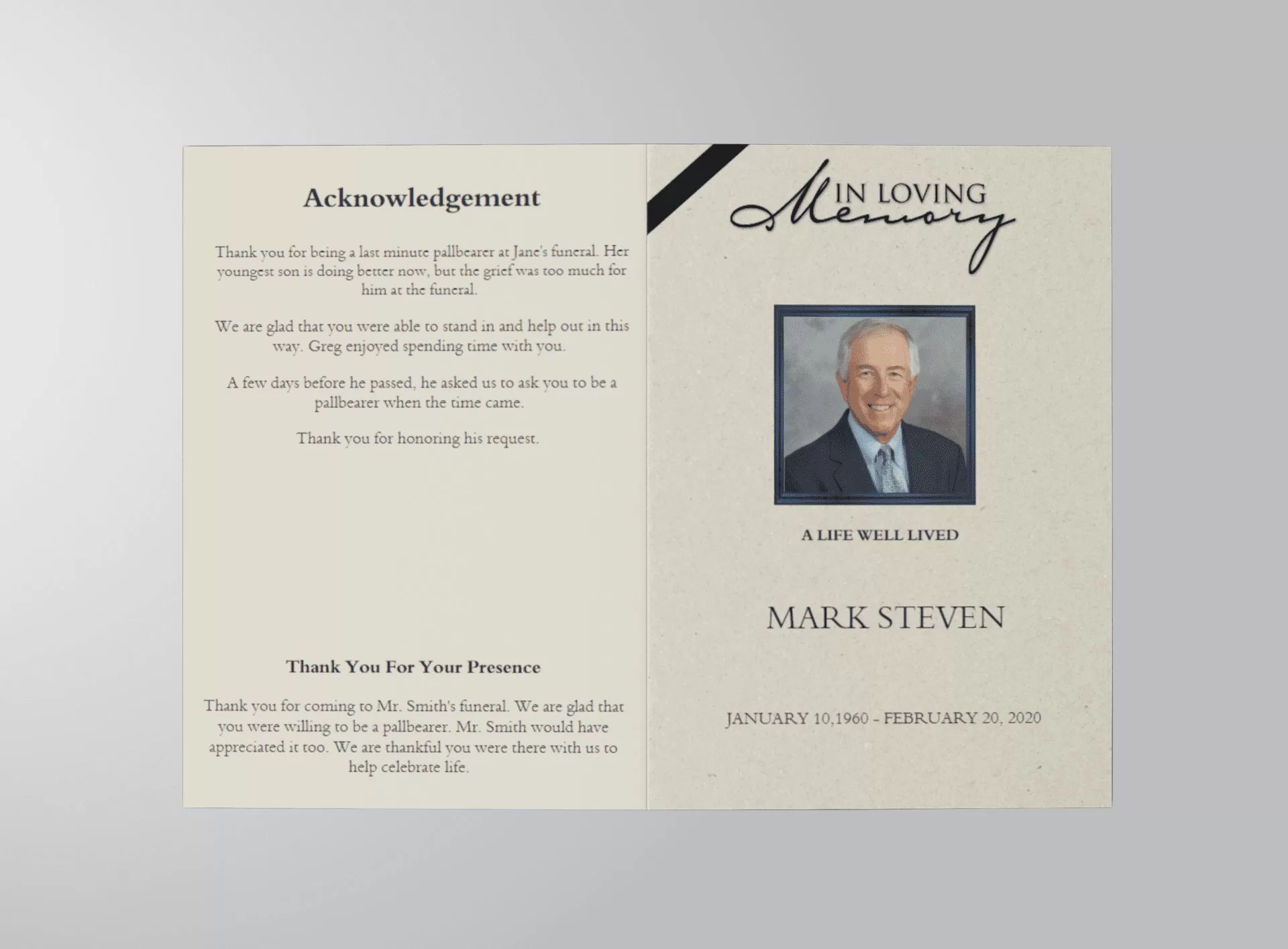
Sample Obituary Templates

Understanding Funeral Planning: A Helpful Guide

Example of an obituary for a mother

Introduction to Funeral Planning

Planning a funeral is a crucial step when you lose a loved one. It can be an emotional and overwhelming experience, but understanding the key aspects can make the process smoother. This guide aims to provide essential insights and resources to help you navigate this challenging time.

Key Elements of Funeral Planning

Here are some vital elements to consider when planning a funeral:

  • Choosing a Funeral Home: Selecting the right funeral home is important. Consider their services, location, and costs.
  • Funeral Type: Decide on the type of service—traditional, memorial, or direct burial. Each has unique features and costs.
  • Budget Considerations: Establishing a budget is essential. Understanding potential costs can help prevent financial strain.
  • Cultural or Religious Practices: Incorporating personal or cultural elements into the service can provide comfort and honor your loved one’s memory.

Resources for Funeral Planning

To assist you in your planning journey, consider these useful resources:

Understanding Grief and Support

During this difficult time, it’s essential to recognize the stages of grief. Each person experiences loss differently, and having support can help you navigate these emotions:

  • Talk About Your Feelings: Sharing your grief with friends or family can provide relief.
  • Seek Professional Help: Sometimes, talking to a counselor or joining a support group can be beneficial.
  • Take Care of Yourself: Ensure you are eating well, exercising, and getting enough rest.

Final Arrangements and Personalization

Personalizing the funeral service can make a significant impact. Consider the following ideas:

  • Music Selection: Choose songs that were meaningful to your loved one.
  • Personal Tributes: Encourage family and friends to share stories or memories during the service.
  • Visual Displays: Create a memory board with photos and mementos that celebrate their life.

By utilizing these tips and resources, you can navigate the complexities of funeral planning with more confidence and care. Remember, it’s okay to ask for help and seek support from those around you.
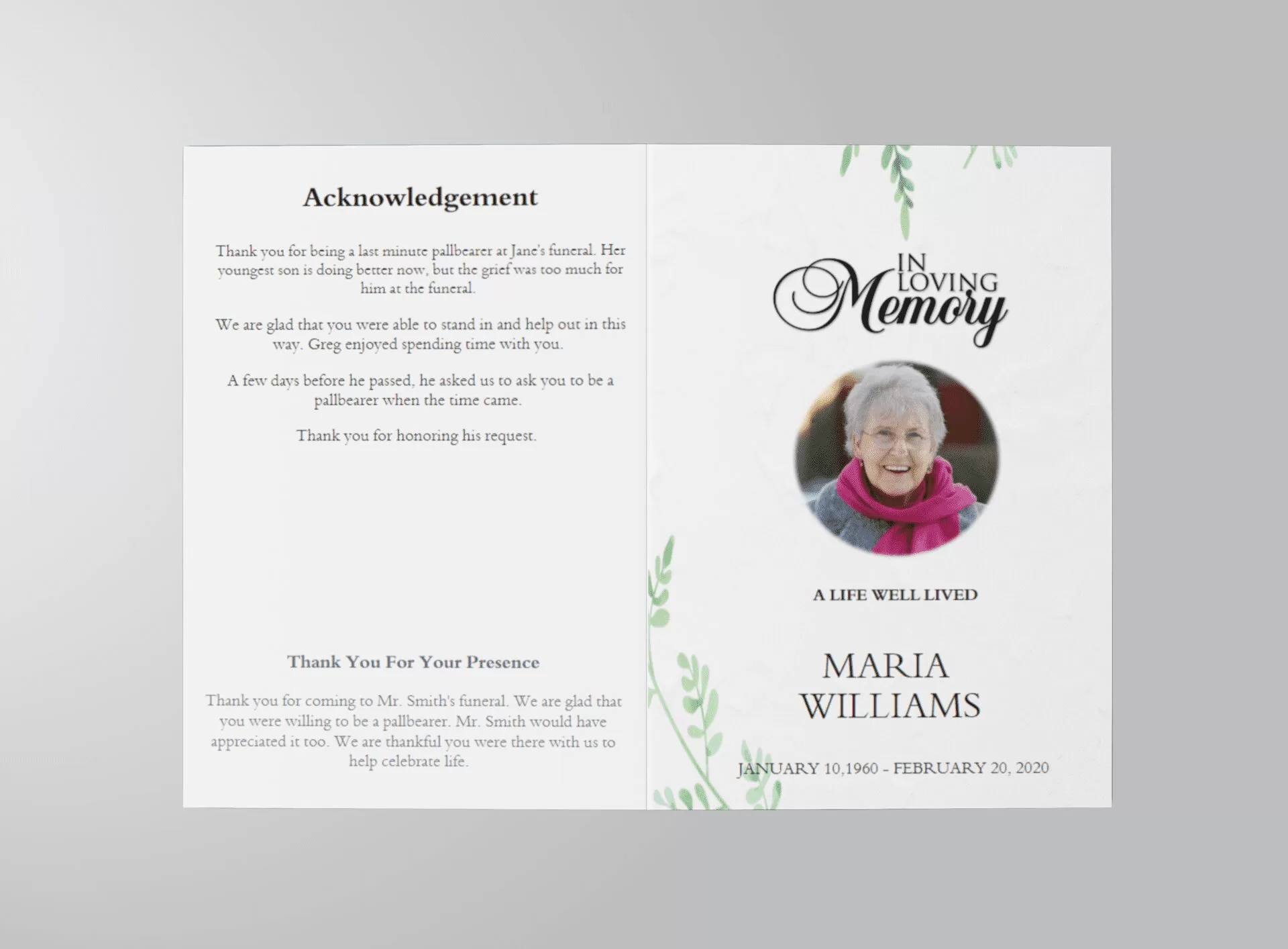
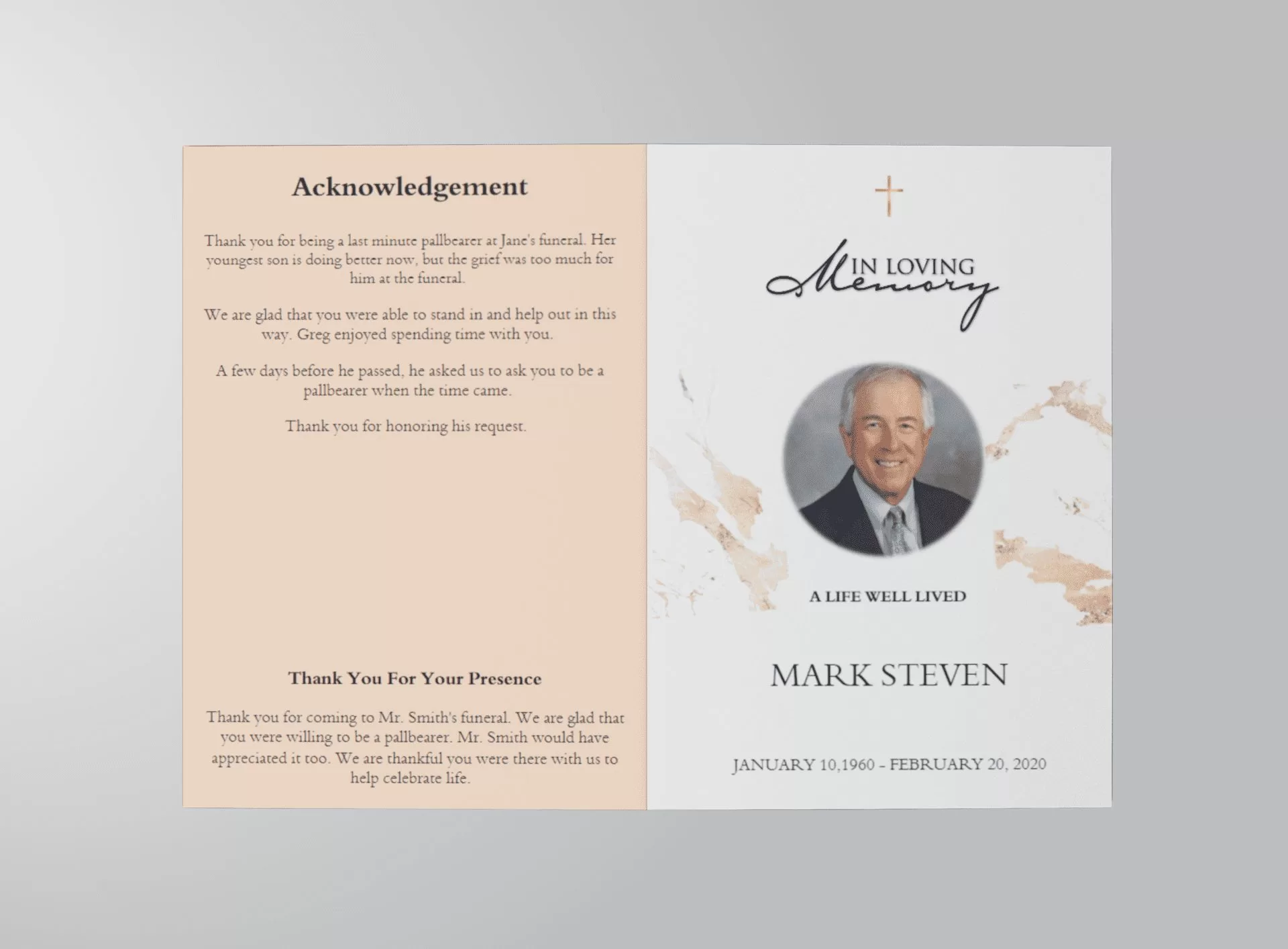
Catholic Funeral Program Example PDF (Free Editable Template)

Navigating the Complexities of Funeral Planning

Example of an obituary for a mother template

Navigating the Complexities of Funeral Planning

Planning a funeral can be an overwhelming experience, especially when faced with the loss of a loved one. With emotions running high, it’s crucial to approach this task with careful thought and organization. In this guide, we will explore essential insights and tips to help families through this challenging time.

Understanding Funeral Planning

Funeral planning is not just about logistics; it’s also about honoring the memory of the deceased. Here are some key aspects to consider:

  • Emotional Support: Engage family members and friends to share the emotional burden.
  • Budgeting: Set a realistic budget that reflects your wishes and financial capabilities.
  • Personalization: Consider how to personalize the service to reflect the deceased’s life and values.
  • Legal Considerations: Ensure all legal documents are in order, such as wills and burial permits.

Essential Resources for Funeral Planning

Utilizing available resources can significantly ease the planning process. For instance, our article on Essential Guide to Funeral Planning provides comprehensive information to assist families in making meaningful arrangements.

Tips for Thoughtful Funeral Planning

Below are some practical tips to navigate through the planning process:

  1. Start Early: Begin planning as soon as possible to avoid last-minute stress.
  2. Consult Professionals: Don’t hesitate to seek help from funeral directors who can guide you through the process.
  3. Plan for the Unexpected: Be prepared for any unforeseen circumstances that may arise.
  4. Communicate Openly: Keep lines of communication open among family members to ensure everyone’s wishes are considered.

Exploring Different Funeral Options

Funeral services can vary widely, and understanding these options is vital. For more information, check out our post on Navigating Funeral Planning: Essential Tips and Resources, which covers various types of services and how to choose the right one for your needs.

The Importance of Thoughtful Funeral Planning

As highlighted in our article The Importance of Thoughtful Funeral Planning, taking the time to plan a thoughtful service can provide comfort and closure to family members and friends. It ensures that the deceased is honored in a way that reflects their unique life.

Conclusion

While we won’t include a formal conclusion, it’s essential to remember that each step taken in planning a funeral is a step towards healing and remembrance. Use the resources available to you, and don’t hesitate to reach out for help during this difficult time.

How to Write a Funeral Program Obituary

Understanding the Essentials of Funeral Planning

Example of an obituary template

The Importance of Thoughtful Funeral Planning

When a loved one passes away, the emotional turmoil can be profound. Planning a funeral is a significant step that not only honors the deceased but also provides a sense of closure for those left behind. Understanding the essentials of funeral planning can help ease this challenging journey.

Steps to Consider in Funeral Planning

  • Choosing the Right Funeral Home: Research local funeral homes to find one that meets your needs and budget.
  • Deciding on Burial or Cremation: Consider the wishes of the deceased and family preferences.
  • Planning the Service: Decide on the type of service, whether traditional or celebratory.
  • Preparing Obituaries: Craft a meaningful obituary to honor your loved one’s life. You can refer to our obituary template for guidance.

Emotional Aspects of Funeral Planning

Funeral planning involves not just logistics but also emotional support. It can be beneficial to engage with family and friends to share the burden. For insights on navigating these emotional challenges, see our article on navigating the emotional journey of funeral planning.

Creating a Meaningful Tribute

Honoring your loved one’s memory can be done in various ways. One creative approach is to create a memorial photo collage that showcases their life and achievements. This visual tribute can be displayed during the service or kept as a cherished memory.

Compassionate Approaches to Funeral Planning

Adopting a compassionate approach in planning can significantly affect the process. It’s essential to communicate openly with family members and consider their emotional states. For more compassionate strategies, explore our guide on compassionate approaches to funeral planning.

Essential Insights to Help You

To navigate the complexities of planning a funeral, understanding the essential insights can be invaluable. Learn more about the fundamental aspects of funeral planning by reading our article on essential insights into funeral planning.

Final Thoughts

While the process of planning a funeral can be overwhelming, knowing the steps to take can provide clarity and comfort. Remember, you are not alone in this journey. Let the resources available to you, including our comprehensive guides, assist you in honoring your loved one’s memory with dignity and respect.

Top Free Funeral Program Templates for Every Service Style

Navigating the Complexities of Funeral Planning

Example of an obituary for a mother

Understanding Funeral Planning

When faced with the loss of a loved one, the emotional burden can feel overwhelming. Planning a funeral is a necessary step in honoring the deceased and supporting those left behind. This process involves several critical components that require careful consideration and organization.

The Importance of Funeral Planning

Funeral planning is not just about logistics; it’s about creating a meaningful tribute. Here are some essential reasons why planning a funeral is vital:

  • Emotional Closure: A well-planned funeral can provide a sense of closure for family and friends.
  • Honoring Traditions: Funerals allow families to honor cultural, religious, or personal traditions.
  • Financial Preparedness: Planning ahead can alleviate financial stress during an already difficult time.

Steps to Plan a Meaningful Funeral

Planning a funeral can be streamlined by following these steps:

  1. Consult with Family: Begin by discussing with family members the wishes of the deceased and preferences for the service.
  2. Select a Funeral Home: Choose a reputable funeral home that provides the services you need. You may find helpful tips in our compassionate approach to funeral planning.
  3. Decide on the Type of Service: Determine whether to have a traditional service, a memorial, or a celebration of life.
  4. Plan Personal Touches: Consider incorporating personal elements, such as music, photos, or video tributes.
  5. Prepare Necessary Documents: Gather any important documents, including the death certificate and any pre-arranged plans.

Creating an Obituary

Writing an obituary is a significant part of the funeral planning process. It serves as a public acknowledgment of the person’s life and provides information about the funeral services. For a detailed guide, check out our ultimate obituary template, which can help you structure this important announcement.

Resources for Support

Emotional support is crucial during this time. Here are some resources you might consider:

  • Grief Counseling: Many communities offer grief support groups and counseling services.
  • Online Resources: Websites like QuickFuneral provide valuable information on various aspects of funeral planning.
  • Family and Friends: Don’t hesitate to lean on your support system; they can provide comfort and assistance.

Further Reading

For more insights on funeral planning, explore these articles:

funeral program template

The Essential Guide to Funeral Planning

Example of an obituary for a mother template

Understanding the Funeral Planning Process

Planning a funeral is a significant responsibility that often arises during a deeply emotional time. Understanding the funeral planning process can alleviate some of the stress and help you create a personalized tribute for your loved one.

Key Steps in Funeral Planning

  • Gather Information: Collect necessary details about the deceased, including vital statistics, military service, and personal anecdotes.
  • Choose a Funeral Home: Research local funeral homes to find one that aligns with your family’s needs and values.
  • Select a Service Type: Decide between a traditional funeral, memorial service, or celebration of life.
  • Plan the Details: Discuss options for the service, including music, readings, and any personal touches that can honor the deceased.

Why Funeral Planning Matters

When faced with the loss of a loved one, the emotional burden can be heavy. This is why funeral planning is essential. It allows families to focus on their grief while ensuring that their loved one’s wishes are respected.

Emotional and Financial Considerations

Funeral planning also involves financial considerations that can impact the family long after the service. Being aware of costs associated with services, burial, and other arrangements can help families avoid unnecessary stress. For a detailed overview, check out our resource on navigating the complexities of funeral planning.

Creating a Meaningful Tribute

Honoring the life of your loved one can take many forms. From personalized memorial services to unique tributes, it’s important to reflect their personality and values. Understanding the essentials can truly make a difference. For more insights, visit understanding the essentials of funeral planning.

Important Elements to Include

  • Obituaries: Writing an obituary is a beautiful way to share the life story of the deceased.
  • Memorial Displays: Consider creating a display of photos and mementos that celebrate their life.
  • Personal Touches: Incorporate favorite songs, readings, or personal anecdotes that reflect their spirit.

Funeral Planning Resources

For those who may feel overwhelmed, resources are available to assist with the planning process. Whether you need help with logistics or emotional support, you can find valuable information in our articles on understanding funeral planning and navigating the complexities of funeral planning.

By being informed and organized, you can create a meaningful farewell that honors your loved one while allowing you and your family to grieve in a supportive environment.

Funeral Program Template Online

Navigating the Complexities of Funeral Planning

Example of an obituary for a mother template

Understanding Funeral Planning

Losing a loved one is one of the most challenging experiences anyone can face. The emotional toll can be overwhelming, making the process of funeral planning even more difficult. At QuickFuneral LLC, we understand the intricacies involved and aim to provide comprehensive support during this time.

Why Funeral Planning is Important

Funeral planning is about honoring the deceased while also providing closure for family and friends. Here are some reasons why planning ahead is essential:

  • Reduces Stress: Having a plan in place can alleviate some of the burdens during a time of grief.
  • Ensures Wishes are Honored: Planning allows you to respect the wishes of your loved one.
  • Financial Clarity: It helps families understand the costs involved and avoid unexpected expenses.

Steps in the Funeral Planning Process

While the specifics can vary based on personal preferences and cultural practices, the general process includes the following steps:

  1. Gather Information: Collect necessary documents and details about the deceased.
  2. Choose a Funeral Home: Selecting a reputable establishment is crucial. For guidance, check out our article on navigating the essentials of funeral planning.
  3. Determine the Type of Service: Whether it is a traditional burial or a cremation, consider what best reflects the deceased’s wishes.
  4. Plan the Details: From music selection to readings, every detail can be tailored to honor the individual.

Emotional Considerations

Funeral planning is not just about logistics; it’s also an emotional journey. Here are a few ways to navigate these feelings:

  • Seek Support: Don’t hesitate to reach out to friends or professionals who can help you through the process.
  • Take Breaks: It’s essential to step back when feeling overwhelmed. Planning can be emotionally taxing.
  • Express Your Feelings: Writing down your thoughts or talking with someone can be therapeutic.

Resources for Funeral Planning

At QuickFuneral, we provide various resources to assist you in this process. Our comprehensive guide on understanding funeral planning can be an excellent starting point. Additionally, our article on navigating the complexities of funeral planning offers insights into managing the various aspects involved.

Financial Considerations

Funeral expenses can accumulate quickly. It’s important to discuss budget considerations early in the planning process:

  • Set a Budget: Determine what you can afford to avoid overspending.
  • Explore Options: Different services come with varying costs; researching these can lead to better decisions.
  • Consider Pre-Planning: Some choose to pre-plan their funerals to ease the financial burden on their families.

In summary, while funeral planning can be daunting, it is a vital step in honoring your loved one. Understanding the process and having access to resources can make a significant difference. For further assistance, check our essential guide to funeral planning for loved ones which provides detailed insights tailored to help you through this challenging time.

Back to Top
Product has been added to your cart
Compare (0)