fall card

Essential Guide to Funeral Planning: Navigating Your Journey

Obituary Template

Understanding Funeral Planning

Experiencing the loss of a loved one can be an overwhelming journey, and planning a funeral is a significant step in honoring their memory. Here at QuickFuneral LLC, we aim to support you in navigating this emotional process with compassion and clarity.

The Importance of Funeral Planning

Funeral planning is not just about logistics; it’s a chance to celebrate the life of a loved one and bring closure to family and friends. Understanding the essentials of funeral planning can alleviate some of the stress during this difficult time. For more insights, check out our article on Understanding the Essentials of Funeral Planning.

Steps in the Funeral Planning Process

  • Choosing a Funeral Home: Research and select a funeral home that meets your needs and preferences.
  • Deciding on the Type of Service: Consider whether you want a traditional service, a memorial, or something unique.
  • Creating a Budget: Outline your financial plan to ensure you stay within your means.
  • Personalizing the Service: Think about how you would like to celebrate your loved one’s life, including music, readings, and eulogies.

Navigating the Emotional Landscape

The emotional weight of planning a funeral can be daunting. It’s not uncommon to feel overwhelmed by grief and responsibilities at the same time. Understanding how to navigate these feelings is crucial. Our resource on Navigating the Emotional Landscape of Funeral Planning dives deeper into this topic, offering tips and guidance.

Crafting a Heartfelt Eulogy

Writing and delivering a eulogy is a powerful way to honor a loved one’s life. It allows you to reflect on cherished memories and share them with others. For inspiration, consider reading our Heartfelt Eulogy Example for Grandpa to Honor His Life, which can provide a template for your own words.

Additional Resources for Funeral Planning

We understand that every situation is unique. Therefore, we encourage you to explore additional articles that can aid in your planning journey:

By utilizing these resources, you can approach funeral planning with greater confidence and understanding, ensuring a meaningful tribute to your loved one.

Essential Guide to Funeral Planning and Obituary Writing

Example of an obituary for a mother template

Understanding the Importance of Funeral Planning

Facing the loss of a loved one can be incredibly challenging. The process of planning a funeral is often filled with emotional turmoil and logistical complexities. Here we break down the essential components of effective funeral planning to help you navigate this difficult time.

Key Elements of Funeral Planning

  • Choosing a Funeral Home: Research and select a funeral home that aligns with your family’s needs.
  • Deciding on Burial or Cremation: Consider the wishes of your loved one and family traditions.
  • Planning the Service: Determine the type of service, location, and attendees.
  • Budgeting: Create a budget that covers all necessary expenses, from the service to final arrangements.

Honoring Your Loved One with an Obituary

Writing an obituary is a heartfelt way to honor and celebrate the life of the deceased. It serves as an announcement of their passing and a tribute to their life. For guidance on crafting a meaningful obituary, refer to our Ultimate Obituary Template, which provides a comprehensive guide for families in this challenging time.

Steps to Writing an Obituary

  1. Start with the Basics: Include the full name, age, and date of death.
  2. Share Biographical Information: Highlight significant achievements, interests, and memories.
  3. Mention Family: List surviving and predeceased family members.
  4. Provide Service Details: Include information about the funeral service, such as date, time, and location.

Examples and Templates for Inspiration

To ease the burden of writing an obituary, you can explore various obituary examples that showcase heartfelt tributes. These templates can serve as inspiration and help guide your writing process during a sensitive time.

Crafting the Perfect Funeral Program

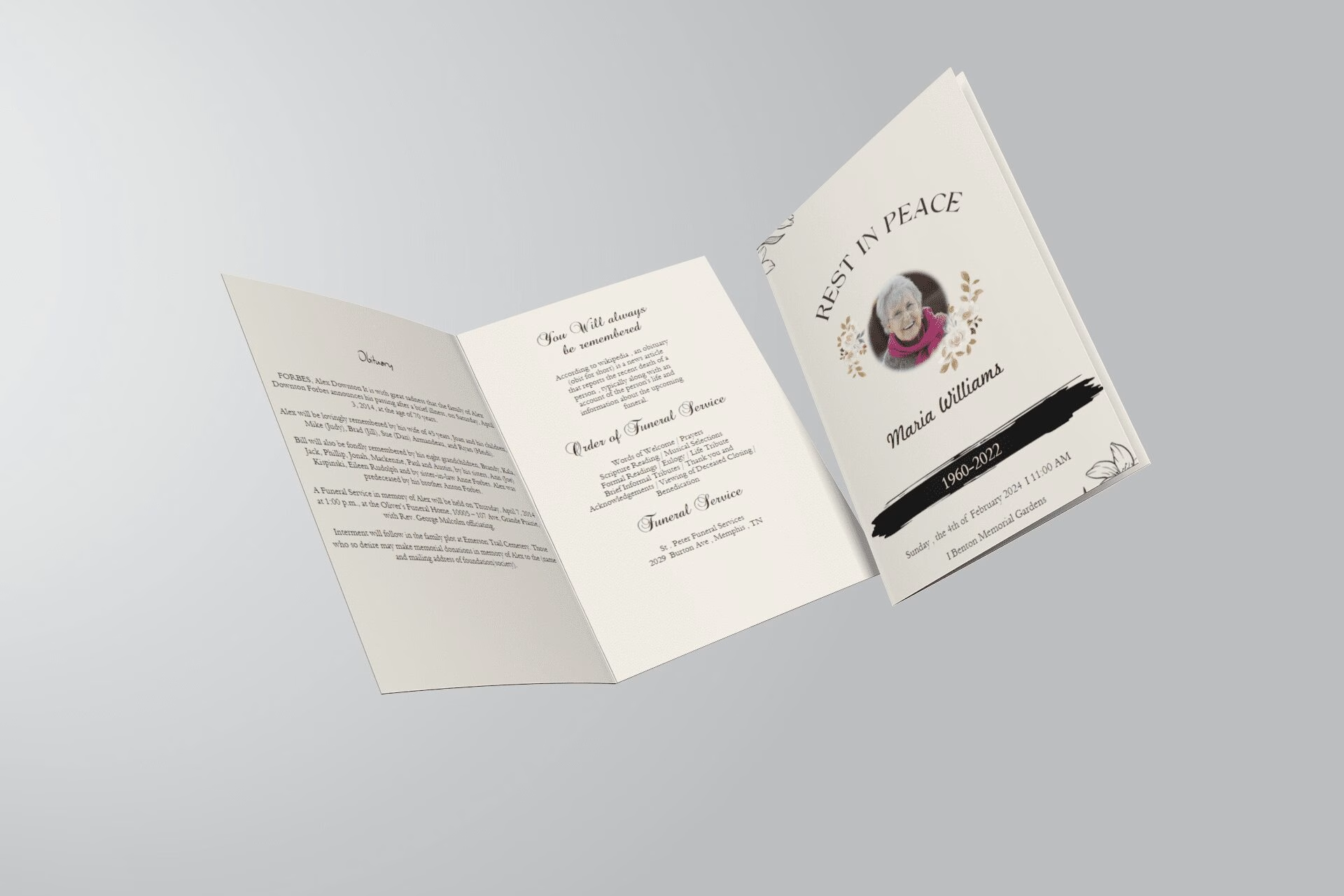
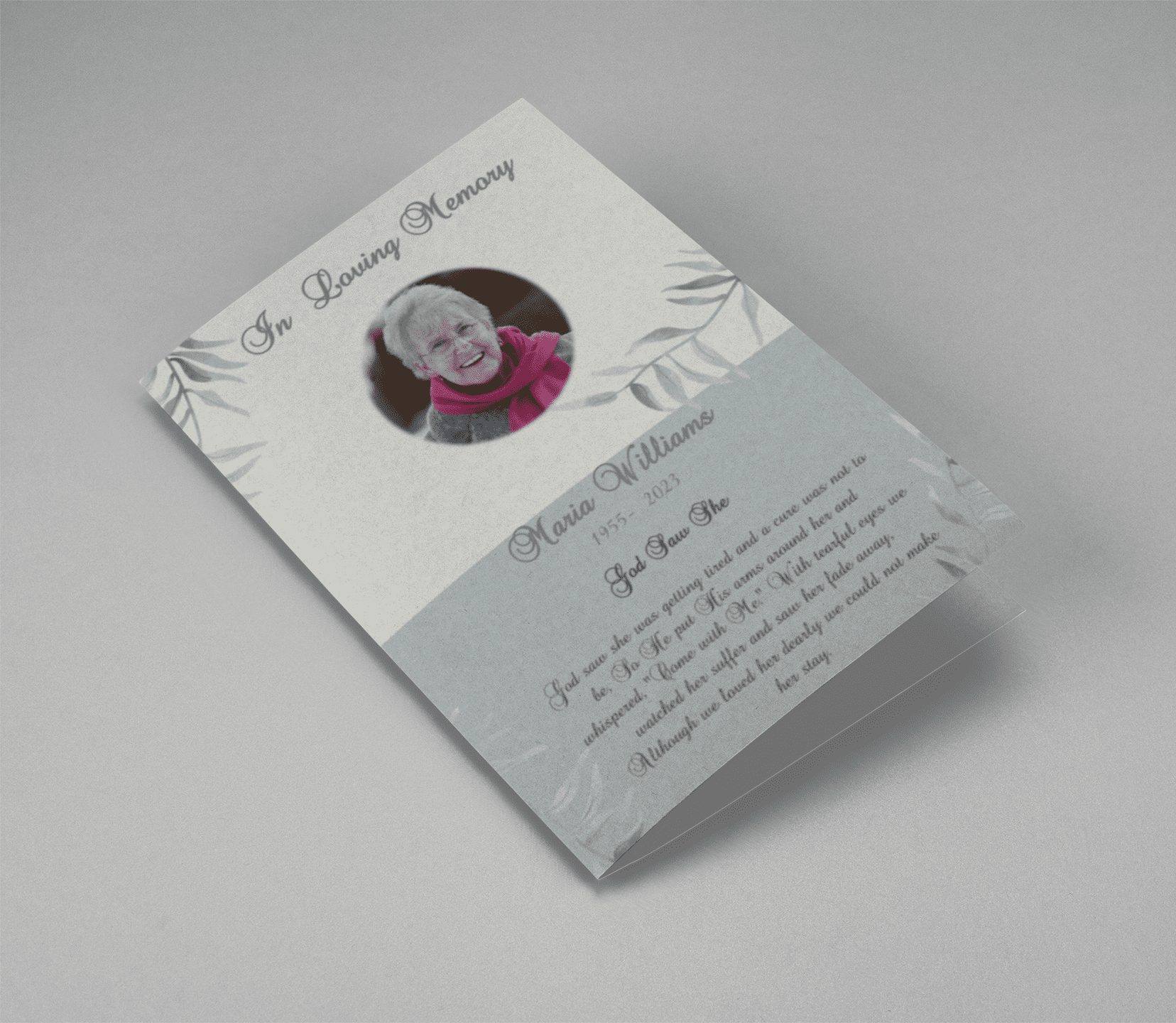
Another essential component of funeral planning is creating a respectful funeral program. A well-crafted program not only helps guide attendees through the service but also serves as a keepsake for family and friends. For detailed insights, check out our article on crafting the perfect funeral program.

Writing a Eulogy

A eulogy is a powerful way to honor your loved one’s life during the service. It allows you to share personal stories and memories that reflect their character and impact. If you need assistance with this, our resource on eulogy examples provides helpful guidance and inspiration.

Sample Obituary Templates

Understanding Funeral Planning: A Comprehensive Guide

Example of an obituary for a mother template

Introduction to Funeral Planning

Funeral planning can often feel overwhelming, especially when faced with the loss of a loved one. It’s a process that requires careful consideration and sensitivity. At QuickFuneral LLC, we aim to provide you with the resources and support necessary to navigate this challenging time.

Key Aspects of Funeral Planning

  • Choosing the Right Service: Understanding the types of services available can help you make informed decisions. From traditional funerals to more modern celebrations of life, every option has its benefits.
  • Understanding Costs: Funeral expenses can vary widely, so it’s important to set a budget. Don’t hesitate to ask questions about what’s included in each service.
  • Personalization: Adding personal touches can make a funeral more meaningful. Consider incorporating favorite songs, photos, or even a heartfelt eulogy that truly represents the deceased.

Emotional Support During Grief

The process of grieving can often feel isolating. It’s crucial to seek support from friends, family, or even professionals. For a deeper understanding, consider reading our comprehensive guide on navigating grief.

Planning Steps to Consider

  1. Gather Information: Collect vital information such as the deceased’s wishes, important documents, and any pre-arrangements that may have been made.
  2. Select a Funeral Home: Research and choose a funeral home that aligns with your needs. Look for one that offers compassionate care and clear communication.
  3. Decide on the Type of Service: Whether you opt for a burial, cremation, or memorial service, ensure it reflects the personality and wishes of your loved one.
  4. Plan the Details: Work on the specifics such as location, speakers, and any religious or cultural elements that should be included.

Resources for Thoughtful Planning

Don’t hesitate to utilize available resources to ease the burden of planning. Our essential guide to funeral planning can provide you with the necessary support and resources you might need.

Final Thoughts on Navigating Funeral Planning

As you embark on this journey, remember that you are not alone. There are numerous resources and guides that can assist you along the way. If you’re looking for tips to ease the process, check out our essential tips for navigating funeral planning.

At QuickFuneral, we understand the importance of honoring your loved one’s memory with dignity and respect. We are here to provide guidance and support during this difficult time.

Eulogy Examples: Honoring and Celebrating a Loved One’s Life

Writing a eulogy is one of the most significant ways to honor and celebrate the life of a loved one who has passed away. It provides an opportunity to reflect on their journey, share cherished memories, and highlight the impact they had on the lives of others. Crafting a heartfelt and meaningful eulogy can be challenging, but with some guidance and eulogy examples, you can create a tribute that truly captures the essence of your loved one.

Understanding the Purpose of a Eulogy

A eulogy serves multiple purposes:

  • Reflection: It allows you to reflect on the life of the deceased, celebrating their achievements, personality, and the love they shared with others.
  • Connection: By sharing stories and memories, you connect with the audience, offering comfort and a sense of unity during a time of loss.
  • Legacy: A eulogy helps preserve the legacy of the deceased, ensuring their memory lives on through the words and stories you share.

Structure of a Eulogy

While there is no strict format for a eulogy, a common structure includes:

  1. Introduction: Start with an introduction that sets the tone. Mention your relationship with the deceased and express gratitude for the opportunity to speak.
  2. Personal Anecdotes: Share personal stories and memories that highlight the deceased’s character, values, and impact. Focus on positive and uplifting experiences.
  3. Achievements and Legacy: Talk about the significant achievements and contributions of the deceased. This could include their professional accomplishments, community involvement, or personal passions.
  4. Closing: Conclude with a heartfelt message, a favorite quote or poem, and a final farewell.

Eulogy Example for a Parent

Introduction: “Good afternoon, everyone. My name is [Your Name], and I am honored to stand before you today to celebrate the life of my father, [Father’s Name]. It’s incredibly difficult to sum up a lifetime of love, wisdom, and guidance in just a few words, but I hope to share some of the wonderful memories and lessons he imparted to us.”

Personal Anecdotes: “My father was a man of great integrity and kindness. I remember the countless weekends we spent fishing together. Those trips weren’t just about catching fish; they were about bonding, learning, and sharing stories. Dad always had a way of turning a simple outing into a grand adventure. His laughter was infectious, and he had a knack for making everyone around him feel special and loved.”

Achievements and Legacy: “Dad was not just a pillar in our family but also in our community. As a teacher for over 30 years, he inspired countless students, instilling in them a love for learning and the confidence to pursue their dreams. His legacy lives on in the success and happiness of those he taught and mentored.”

Closing: “As we say goodbye to my father, let us remember his unwavering love and the joy he brought into our lives. One of his favorite quotes was, ‘The measure of a man is not in the wealth he leaves behind, but in the lives he touches.’ By that measure, Dad was truly a rich man. Rest in peace, Dad. We will carry your memory in our hearts forever.”

Eulogy Example for a Friend

Introduction: “Hello, everyone. My name is [Your Name], and I had the privilege of being best friends with [Friend’s Name] for over 20 years. Today, I want to share some of the incredible memories and the lasting impact [Friend’s Name] had on my life and the lives of so many others.”

Personal Anecdotes: “[Friend’s Name] was the kind of person who could light up a room with just a smile. I’ll never forget our spontaneous road trips, where we’d drive for hours, singing along to our favorite songs and talking about our dreams and aspirations. [Friend’s Name] had a unique ability to make every moment feel special and meaningful.”

Achievements and Legacy: “Throughout [Friend’s Name]’s life, they accomplished so much. As a talented artist, their work was not only beautiful but also thought-provoking, touching the hearts of many. [Friend’s Name] was also deeply involved in charitable work, dedicating time and resources to causes they believed in.”

Closing: “Though [Friend’s Name] is no longer with us, their spirit and legacy will live on in the stories we share and the memories we cherish. As we bid farewell, let us remember [Friend’s Name]’s kindness, creativity, and the love they spread wherever they went. Rest in peace, dear friend. You will be forever missed.”

Tips for Writing a Eulogy

  • Be Authentic: Speak from the heart and be true to your feelings. Authenticity resonates more than trying to be overly formal or poetic.
  • Practice: Rehearse your eulogy several times to feel comfortable and confident. It’s okay to have notes or a written copy to refer to.
  • Take Breaks: If you become emotional while delivering the eulogy, it’s perfectly fine to pause and take a moment. The audience will understand.

Writing and delivering a eulogy is a profound way to honor a loved one’s life and legacy. By sharing personal stories, highlighting their achievements, and expressing your heartfelt emotions, you can create a tribute that celebrates their unique journey and the impact they had on those around them. Remember, the most important aspect of a eulogy is the love and respect it conveys.

For more guidance on writing eulogies and other funeral-related resources, visit [Your Website Name]. We are here to support you during this difficult time.

Back to Top
Product has been added to your cart
Compare (0)