A Comprehensive Guide to Funeral Planning

Example of an obituary for a mother

Understanding the Importance of Funeral Planning

When faced with the loss of a loved one, the journey of funeral planning can be overwhelming. It’s a crucial step that not only honors their memory but also provides a sense of closure for the grieving family. Here’s a detailed guide to help you navigate this emotional landscape with care and compassion.

Key Steps in Funeral Planning

  1. Assess the Needs and Wishes: Speak with family members to understand the deceased’s wishes regarding their final arrangements.
  2. Select a Funeral Home: Research and choose a funeral home that aligns with your needs and budget. Consider reading reviews and asking for recommendations.
  3. Choose the Type of Service: Decide whether to have a traditional service, memorial service, or a celebration of life.
  4. Prepare the Necessary Documents: Gather essential documents such as the death certificate and any pre-arrangements made by the deceased.
  5. Consider Personal Touches: Incorporate elements that reflect the personality and life of the deceased, such as photo displays or favorite music.

Emotional Considerations

Planning a funeral can be emotionally taxing. It’s essential to acknowledge your feelings and seek support. Navigating the emotional landscape of funeral planning can help you understand the complexities of grief and the importance of self-care during this time.

Incorporating Meaningful Tributes

Honoring your loved one’s legacy can be done through various tributes:

  • Personalized Obituaries: Craft a meaningful obituary that reflects their life. You can find an obituary template to help guide you.
  • Memory Tables: Set up a table with photos and memorabilia that celebrate their life.
  • Special Readings: Consider including comforting Bible verses during the service to bring solace to attendees.

Funeral Costs and Budgeting

Understanding the potential costs involved in funeral planning is crucial. Here are some common expenses to consider:

  • Funeral home fees
  • Caskets or urns
  • Burial or cremation costs
  • Obituary notices
  • Memorial service expenses

Creating a budget can help manage these costs effectively. For further details, check our guide on understanding the essentials of funeral planning.

Final Thoughts

While the task of planning a funeral can feel daunting, taking it step by step can ease the burden. Remember that support is available, and you don’t have to navigate this journey alone. Whether you’re looking for compassionate advice or detailed planning resources, QuickFuneral is here to help you through this challenging time.

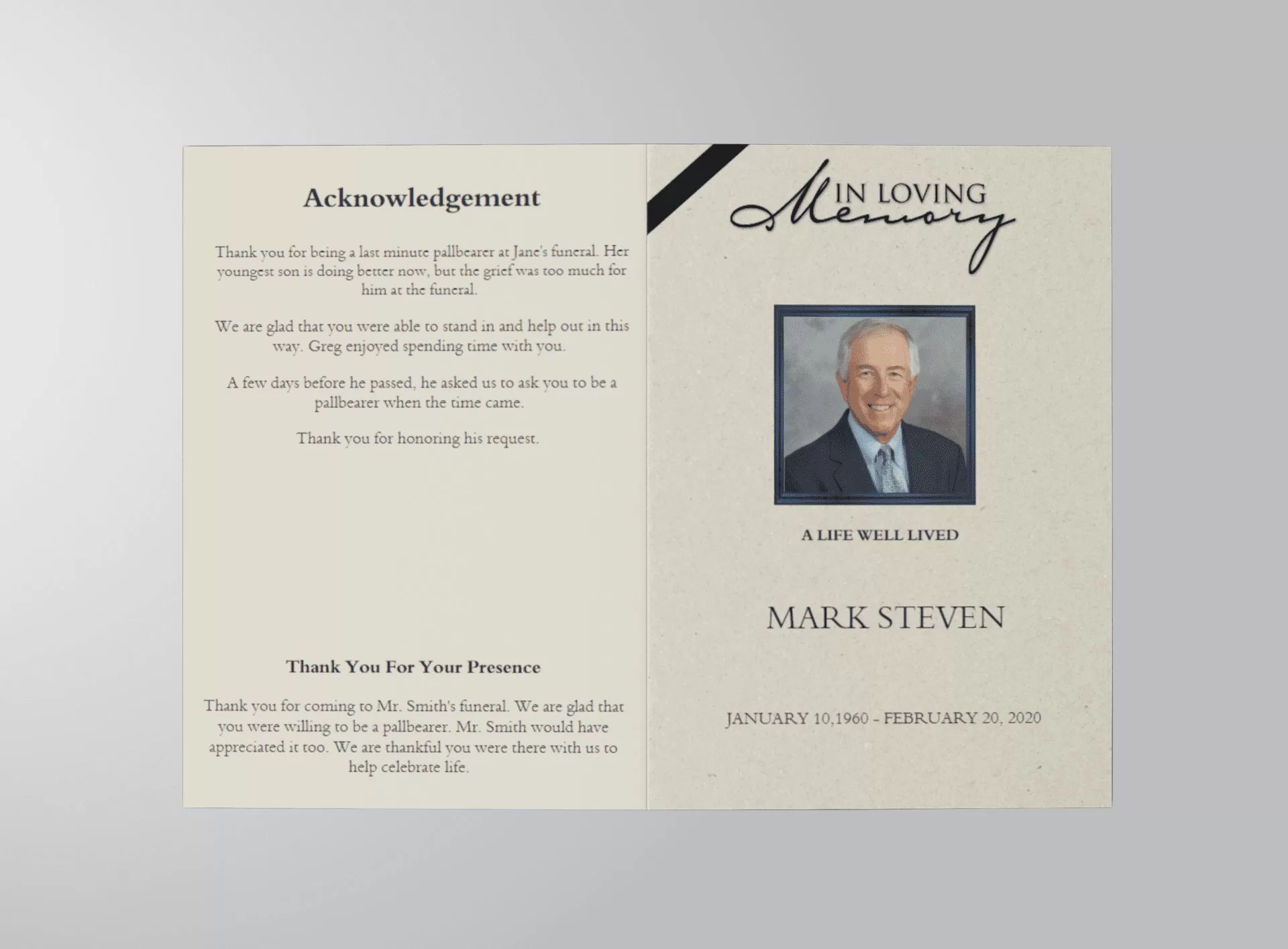
sample obituary examples

Understanding the Importance of Funeral Planning

Obituary Template

Experiencing the loss of a loved one is never easy. During these challenging times, navigating the journey of funeral planning becomes a critical step. Understanding how to honor and celebrate the life of the deceased can provide comfort and clarity to grieving families.

Why is Funeral Planning Important?

Funeral planning is essential for several reasons:

  • Emotional Support: It helps families focus on grieving while providing structure and guidance during a tumultuous time.
  • Personalization: Planning allows families to tailor the service to reflect the personality and wishes of their loved one.
  • Financial Considerations: Making decisions in advance can help manage costs and reduce financial burdens later.

Steps in the Funeral Planning Process

The process of planning a funeral can be broken down into several key steps:

  1. Gather Information: Collect details about the deceased, including their life story, preferences, and any specific wishes they may have left behind.
  2. Select a Funeral Home: Research local funeral homes and choose one that aligns with your needs and budget.
  3. Decide on Service Type: Consider whether you want a traditional burial, cremation, or a unique celebration of life.
  4. Incorporate Personal Touches: Think about including special elements such as music, readings, or personal tributes, like bible scripture for funeral services.

Common Challenges in Funeral Planning

While planning a funeral, families often face various challenges:

  • Emotional Turmoil: Grief can cloud judgment and decision-making.
  • Family Dynamics: Conflicting opinions among family members can complicate the planning process.
  • Time Constraints: The urgency of planning within a limited timeframe can add pressure.

How to Overcome Challenges

To effectively navigate these challenges, consider the following strategies:

  • Open Communication: Encourage family discussions to ensure everyone’s voice is heard.
  • Seek Professional Help: Utilize resources like the essential guide to funeral planning for expert advice.
  • Take Your Time: Don’t rush decisions; give yourself the space to grieve and reflect.

Additional Resources for Funeral Planning

QuickFuneral offers numerous resources to assist you in the planning process. From understanding the emotional landscape of funeral planning to practical guides, you can find comprehensive support:

Each of these resources provides valuable insights and practical steps to make the funeral planning journey less daunting.

Funeral Program Template Online

Navigating the Emotional Journey of Funeral Planning

Obituary Template

Understanding the Journey of Grief and Loss

When a loved one passes away, the emotional toll can be overwhelming. The mourning process is deeply personal and can vary widely from person to person. It’s important to acknowledge your feelings and allow yourself the time to grieve and heal.

Planning a Funeral: Essential Steps

During this difficult time, planning a funeral may feel daunting. However, a structured approach can help ease some of the burdens. Here are some essential steps to consider:

  • Gather Information: Collect necessary details about your loved one, including personal information and preferences regarding their funeral.
  • Discuss with Family: Involving family members in the planning process can provide support and share the emotional load.
  • Choose a Funeral Home: Research local funeral homes. Reading reviews and understanding their offerings will help you make an informed choice.
  • Consider the Type of Service: Decide whether you want a traditional funeral, memorial service, or a celebration of life.

Understanding Funeral Planning: A Comprehensive Guide

For a deeper understanding of the funeral planning process, our comprehensive guide offers insights into every aspect of planning a funeral, from logistics to emotional considerations.

Finding Comfort in Scripture

Many find solace in spiritual texts during times of grief. Our article on comforting Bible verses provides uplifting passages that may help ease your sorrow and offer peace.

Emotional Support During Planning

It’s essential to seek support while navigating through this emotional journey. Consider connecting with a professional or joining a support group to share your feelings and experiences with others who understand.

Resources for Funeral Planning

Understanding the essentials of funeral planning can greatly help you feel more prepared. Take a look at our article on the essentials of funeral planning for a well-rounded overview of what to expect.

Additionally, our guide on navigating the complexities of funeral planning delves into common challenges and how to overcome them, ensuring you’re not alone in this process.

Importance of Thoughtful Planning

Understanding the importance of funeral planning can help you honor your loved one’s memory while also taking care of yourself. Explore our resource on the significance of thoughtful funeral planning to learn more about this critical process.

A Compassionate Approach to Grief

Above all, remember that grieving is a natural part of life, and there’s no right or wrong way to go through it. Being patient with yourself and allowing the grieving process to unfold is crucial.

Sample Obituary Templates

The Essentials of Funeral Planning: A Supportive Guide

Example of an obituary for a mother template

Understanding the Need for Funeral Planning

Experiencing the loss of a loved one is never easy. It often brings about a whirlwind of emotions and decisions that need to be addressed promptly. This is where funeral planning becomes essential. It helps families navigate through a difficult time with care and compassion.

Key Components of Funeral Planning

When planning a funeral, there are several important elements to consider:

  • Choosing a Funeral Home: Selecting a reputable funeral home is fundamental. Look for a place that offers the services you require and aligns with your family’s values.
  • Deciding on the Type of Service: Consider whether you want a traditional service, a memorial, or a celebration of life. Each option has a different emotional impact and can reflect the personality of the deceased.
  • Budgeting for Expenses: Funerals can be costly, so it’s important to set a budget. Understanding the potential costs can help you avoid unnecessary stress later on.
  • Obtaining Necessary Permits: Depending on your location, you may need specific permits for burial or cremation. Ensure you understand these requirements early in the planning process.

Emotional Considerations

Funeral planning is not just about logistics; it is also about emotions. It’s essential to acknowledge the feelings of all family members involved. Engaging in open conversations can help ease the emotional burden. For more guidance on navigating these feelings, check out our article on navigating the emotional landscape of funeral planning.

Finding Comfort in Spirituality

Many individuals find solace in spiritual texts during times of grief. Bible quotes about death can provide comfort and reflection, reminding us of the hope present amidst sorrow. Incorporating these quotes into the service or sharing them with family members can be a beautiful way to honor the deceased.

Resources for Funeral Planning

To make the funeral planning process smoother, consider utilizing various resources:

  • Comprehensive guides on funeral planning can provide insights on various aspects of the process.
  • Work with professionals who can assist with arrangements, ensuring that every detail is covered.
  • Engage with support groups or counselors who specialize in grief to help navigate the emotional complexities.

Final Wishes and Personalization

It’s important to consider the final wishes of your loved one. Personalizing the service can be a meaningful way to honor their memory. This could include:

  • Incorporating favorite songs or readings into the service.
  • Creating a memory board or slideshow to celebrate their life.
  • Choosing specific flowers or decorations that reflect their personality.

For more on how to approach these personal touches, visit our article on navigating the challenges of funeral planning.

Navigating the Emotional Journey of Funeral Planning

Obituary Template Example

Navigating the Emotional Journey of Funeral Planning

When faced with the loss of a loved one, the overwhelming emotional toll can make the process of funeral planning seem daunting. Understanding the logistics involved can help alleviate some of this burden.

Understanding the Purpose of Funeral Planning

Funeral planning is not just about the event itself; it’s a chance to honor and celebrate the life of someone we cherish. Here are some key aspects to consider:

  • Celebration of Life: A funeral service allows family and friends to come together, share memories, and celebrate the individual’s life.
  • Closure: It provides an opportunity for loved ones to say their goodbyes and find closure in their grief.
  • Legacy: Planning a funeral is a way to ensure that the deceased’s wishes are honored and their legacy is remembered.

Steps to Effective Funeral Planning

While the process can be emotionally taxing, breaking it down into manageable steps can help. Here are some actionable steps to consider:

  1. Discuss with Family: Involve family members in the planning process to ensure everyone’s wishes and feelings are respected.
  2. Select a Funeral Home: Research local funeral homes and consider their services, reputation, and pricing. You can find out more about this in our guide on navigating the journey of funeral planning.
  3. Choose a Service Type: Decide whether to have a traditional funeral, memorial service, or celebration of life, taking into account the preferences of the deceased.
  4. Plan the Details: Consider the location, officiant, music, readings, and any other personal touches that can reflect the deceased’s personality.
  5. Budgeting: Establish a budget early on to avoid unexpected expenses. For a comprehensive overview, check out Understanding Funeral Planning.

Emotional Support During Planning

Funeral planning can stir up a whirlwind of emotions. Here are some resources and strategies to help cope:

  • Lean on Support Networks: Don’t hesitate to reach out to friends, family, or support groups who can provide emotional support.
  • Professional Help: Consider seeking guidance from a funeral director or counselor specializing in grief support.
  • Take Breaks: It’s crucial to take time for yourself during this process. Engage in activities that help you relax and recharge.

Personalizing the Funeral Experience

Every individual deserves a unique farewell. Here are ways to personalize the service:

  • Memory Boards: Create a memory board showcasing photographs and mementos that represent the deceased’s life.
  • Favorite Music: Incorporate the deceased’s favorite songs into the service.
  • Shared Stories: Encourage attendees to share their favorite memories or stories during the service.

For a deeper understanding of how to approach the planning process, visit our page on essential insights for funeral planning.

Planning a funeral can be a complex journey filled with emotional challenges, but it is also an opportunity to celebrate a life well-lived. By approaching the process thoughtfully and compassionately, you can create a meaningful tribute that honors your loved one.

Back to Top
Product has been added to your cart
Compare (0)