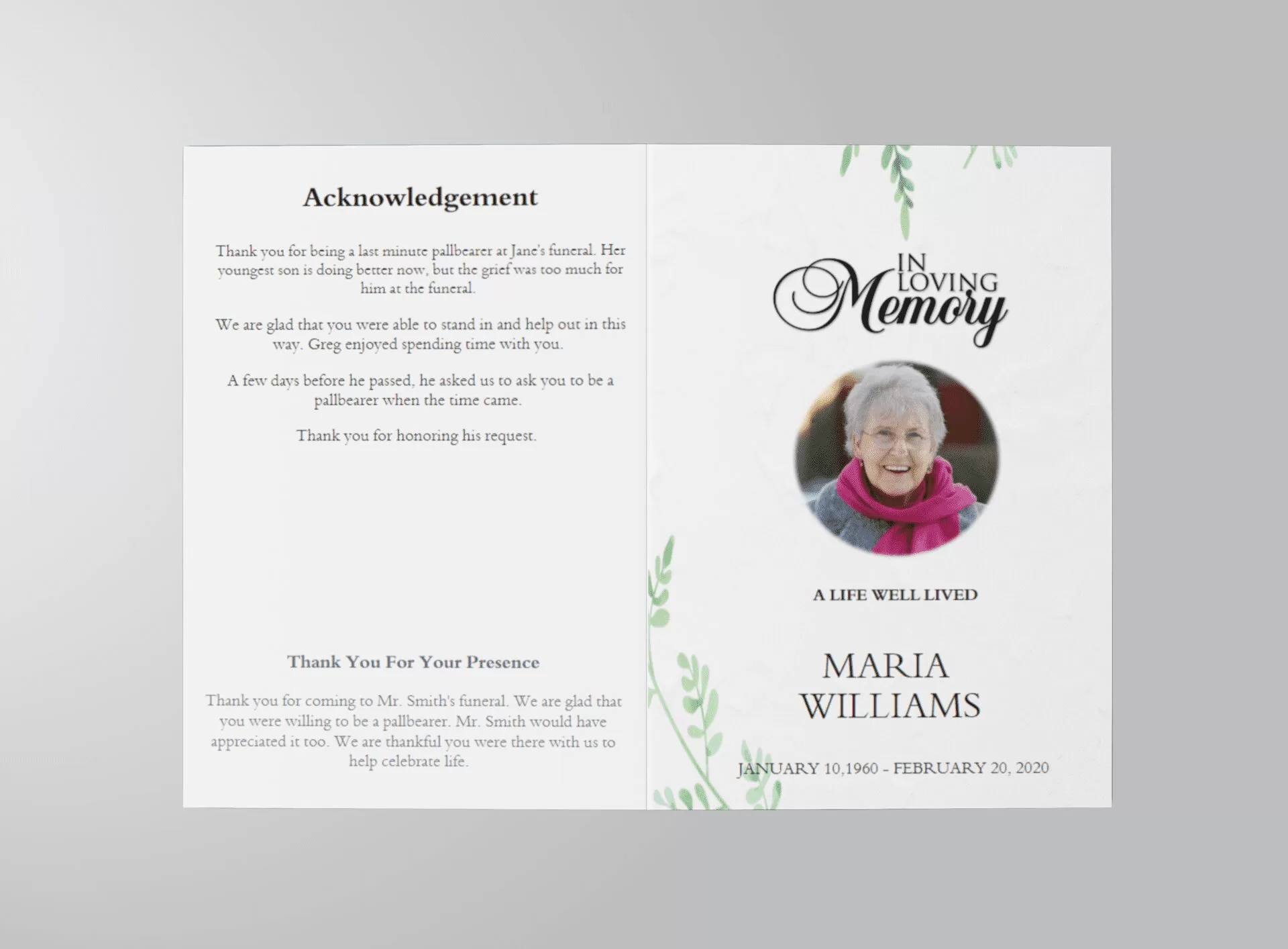
Catholic Funeral Program Example PDF (Free Editable Template)

Essential Insights on Funeral Planning

Obituary Template

Understanding the Funeral Planning Process

Planning a funeral can be a daunting experience, especially when navigating the emotional landscape during such a difficult time. It involves numerous decisions, from selecting a location to choosing the right casket. To help you through this process, we’ve compiled essential insights on funeral planning.

Key Steps in Funeral Planning

  1. Gathering Information: Understanding the deceased’s wishes is crucial. Discuss with family members to ensure everyone is on the same page.
  2. Selecting a Funeral Home: Research local funeral homes and consider services they offer. You can find guidance on this in our article on navigating the complexities of funeral planning.
  3. Choosing Burial or Cremation: Decide whether the body will be buried or cremated based on personal beliefs and family traditions.
  4. Planning the Service: Organize the details of the service, including speakers, music, and any religious elements. For helpful scriptures, you might want to check out our comforting Bible scriptures for condolences.

Emotional Considerations in Funeral Planning

It’s important to acknowledge the emotional weight that comes with planning a funeral. The process can evoke a range of feelings, from sadness to confusion. To help navigate these emotions, consider exploring our article on navigating the emotional landscape of funeral planning.

Creating a Meaningful Service

A funeral service is an opportunity to honor the life of a loved one. To create a personalized experience, consider the following:

  • Personal Tributes: Encourage family and friends to share their memories and stories.
  • Special Music: Choose songs that were meaningful to the deceased.
  • Visual Displays: Create a slideshow or memory table that showcases photos and mementos.

For more comprehensive guidelines on the elements of funeral planning, refer to our comprehensive guide to funeral planning.

Legal and Financial Considerations

Understanding the legal and financial implications of funeral planning is essential. Be sure to have the necessary documents in order, such as:

  • Death certificate
  • Insurance policies
  • Will and testament

Addressing these aspects early can alleviate stress later on. Our article on understanding the essentials of funeral planning provides further insights into these critical areas.

Support Resources

During this challenging time, seeking support is vital. Consider talking to a counselor or joining a support group to process your emotions. Your community can be an invaluable resource.

Ultimately, funeral planning is about honoring a life and supporting those left behind. By approaching the process with care and thoughtfulness, you can create a meaningful tribute that reflects the legacy of your loved one.
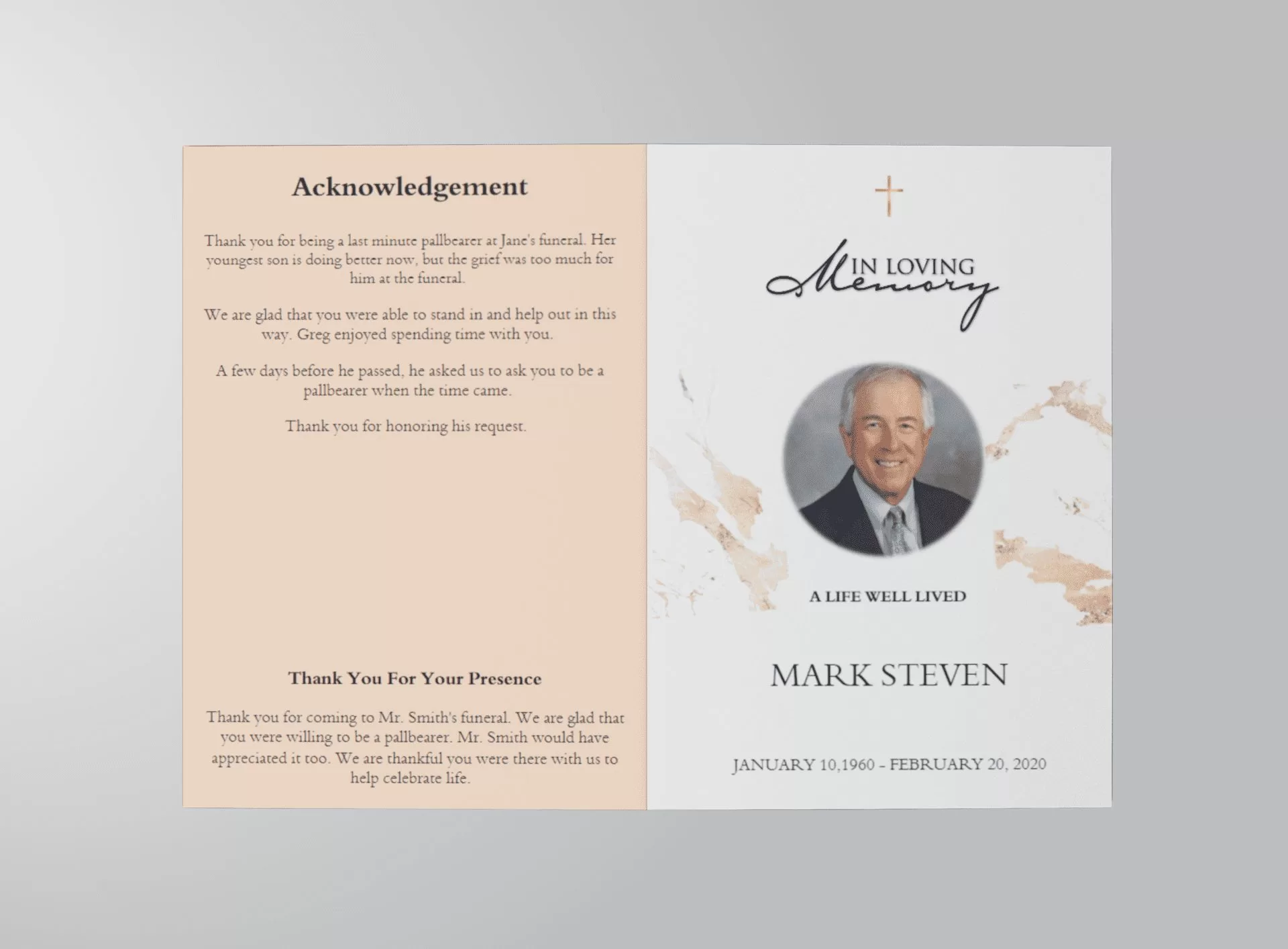
How to Write a Funeral Program Obituary

A Helpful Guide to Funeral Planning and Grieving

Obituary Template

A Comprehensive Guide to Funeral Planning

When faced with the loss of a loved one, it can be incredibly challenging to manage the emotional and logistical aspects of funeral planning. Understanding the grief process is crucial, as it can help provide clarity and support during this difficult time. This guide aims to offer helpful insights into planning a funeral while navigating your emotions.

Understanding Funeral Services

Funeral services are vital in honoring the memory of those who have passed. They provide a space for family and friends to gather, share stories, and celebrate the life of the deceased. Here are some key components of a funeral service:

  • Viewing: An opportunity for family and friends to pay their last respects.
  • Service: A formal service often led by a religious leader or celebrant.
  • Burial or Cremation: The final disposition of the body, which can vary based on personal beliefs and wishes.

For more detailed information, check out our guide on memorial services.

Navigating Grief

The emotional landscape of losing a loved one can be overwhelming. It’s essential to recognize and process these feelings. Here are some suggestions for navigating this challenging period:

  • Allow Yourself to Grieve: Understand that grieving is a personal process and varies for everyone.
  • Seek Support: Don’t hesitate to reach out to friends, family, or professionals who can help you through your grief.
  • Honor Their Memory: Find meaningful ways to celebrate the life of your loved one, such as creating a memory box or planting a tree in their honor.

If you’re looking for more guidance on the emotional aspects of planning a funeral, consider reading our detailed post on navigating the emotional landscape of funeral planning.

Essential Funeral Planning Steps

When planning a funeral, several essential steps need to be considered:

  1. Determine the Type of Service: Decide whether it will be a traditional service, a memorial service, or a celebration of life.
  2. Select a Funeral Home: Research and choose a funeral home that aligns with your values and budget.
  3. Plan the Details: Work with the funeral director to finalize arrangements, including transportation, flowers, and any special requests.

For a more in-depth understanding, explore our essential guide to funeral planning.

Comforting Scriptures for Memorial Services

Incorporating comforting scriptures into memorial services can provide solace and peace to grieving families. These passages can reflect the love and memories shared with the deceased. For a collection of meaningful scriptures, visit our article on comforting scriptures for memorial services.

Final Thoughts

Planning a funeral and navigating grief is a profound journey. While it can be challenging, having resources and support can make a significant difference. Remember that you’re not alone in this process. Reach out for help, and take the time you need to heal.

Back to Top
Product has been added to your cart
Compare (0)