Navigating the Challenges of Funeral Planning

Understanding Funeral Planning
Planning a funeral can be one of the most challenging tasks you’ll face after the loss of a loved one. The emotional weight can often make the process feel overwhelming. However, having a structured approach can ease the burden significantly. Here are essential insights that can guide you through this difficult time.
1. Start with the Basics
When embarking on funeral planning, there are several key elements you need to consider:
- Choosing a Funeral Home: Research local funeral homes to find one that meets your needs and budget.
- Deciding on Burial or Cremation: This decision can impact many other aspects of planning, including costs.
- Setting a Budget: Establishing a budget upfront can help you make informed choices.
2. Crafting a Meaningful Tribute
Honoring your loved one through a meaningful tribute is crucial. This can be achieved in various ways, including:
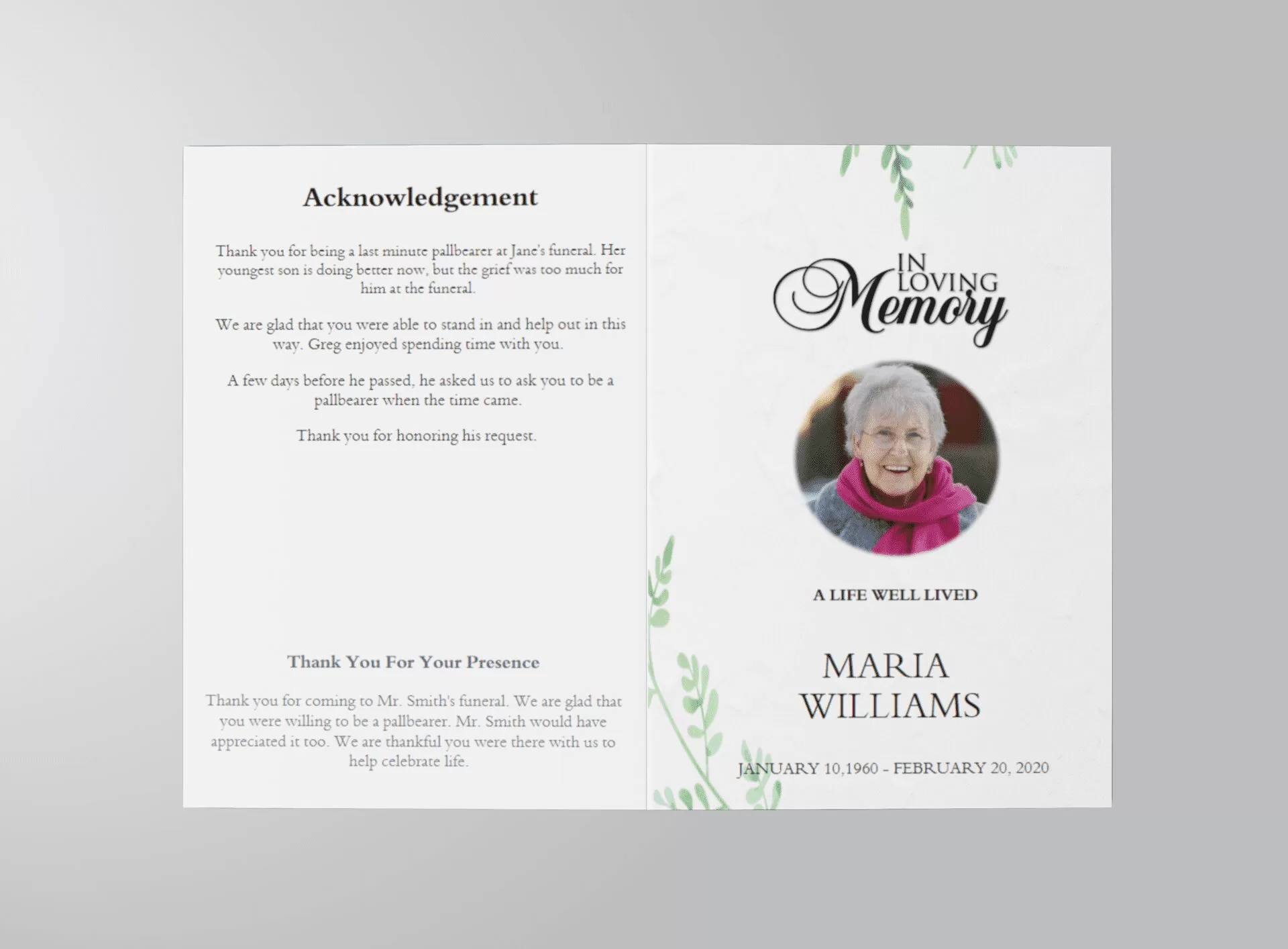
- Creating a personalized tribute that reflects their life and values.
- Incorporating quotes that resonate with their beliefs and personality.
- Encouraging family and friends to share memories during the service.
3. Understanding Funeral Options
There are several types of funeral services available, and understanding these can help you make the right choice:
- Traditional Funeral Service: This typically includes a viewing, a service, and burial or cremation.
- Memorial Service: A service held without the body present, allowing for a more personalized celebration of life.
- Graveside Service: A brief service held at the burial site.
4. The Importance of Legal Considerations
Before planning a funeral, it’s essential to address any legal requirements. This may include:
- Obtaining a death certificate.
- Understanding any pre-arrangements made by the deceased.
- Ensuring that funeral wishes are documented and honored.
5. Resources for Planning
Utilizing available resources can greatly simplify the planning process. Consider these options:
- Consulting an expert guide on funeral planning to understand all your options.
- Seeking support from bereavement groups or counselors.
- Leveraging online platforms for planning tools and templates.
6. Emotional Support During Planning
Lastly, don’t underestimate the importance of emotional support during this time. Surround yourself with family and friends who can offer comfort and help you cope with your loss. Remember, it’s okay to seek professional help if you feel overwhelmed.
By following these insights, you can navigate the complexities of funeral planning with greater confidence and ease. For more comprehensive information, check out our essential insights that will help you throughout this challenging journey.