Heartfelt Condolence Messages: Examples & Tips
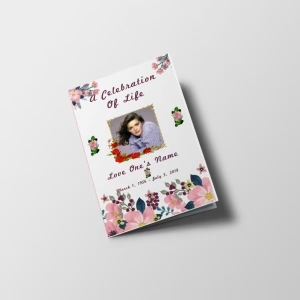
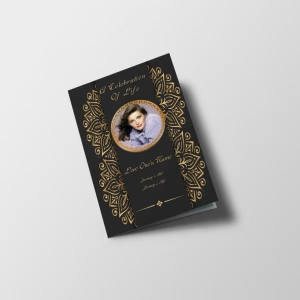
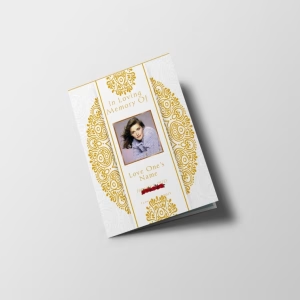
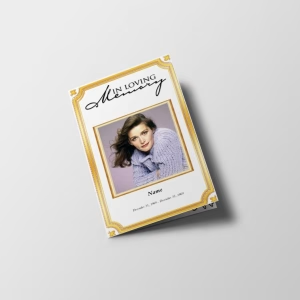
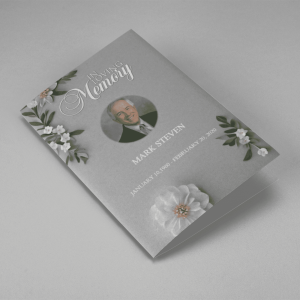
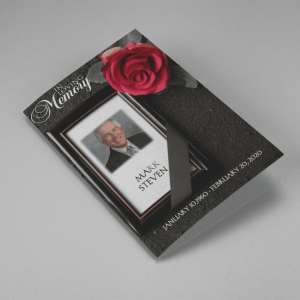
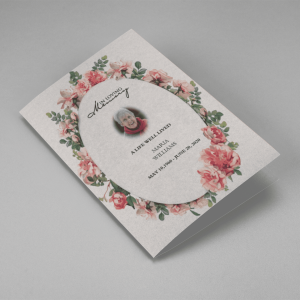
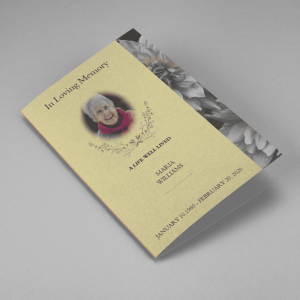
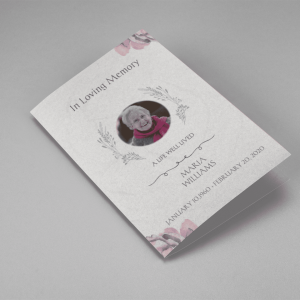
Sympathy Card for Condolence Messages
Heartfelt Condolence Messages: Examples and Tips to Express Your Sympathy
Find heartfelt condolence message examples, including short condolence messages and my deepest condolences notes, to express sympathy. Learn tips to write your own.
Introduction: The Power of a Condolence Message
Expressing sympathy during a time of loss can be challenging, but a thoughtful condolence message can offer comfort and support. Whether you’re saying my condolences to a friend or writing a formal note, this guide provides examples and tips to help you craft meaningful condolences messages that resonate.
Why Condolence Messages Matter
A condolence message shows empathy, acknowledges grief, and strengthens connections. From a simple my deepest condolences to a personalized note, your words can provide solace. Whether sent via card, text, or social media, a well-crafted message leaves a lasting impact.
Condolence Message Examples for Every Situation
Here are examples of condolence messages tailored to different relationships and tones:
- Short Condolence Message: “My condolences to you and your family. May you find peace in cherished memories.”
- Formal Condolence: “Please accept my deepest condolences for your loss. Your loved one’s legacy will live on in our hearts.”
- Personalized Message: “My condolences to you and your family. [Name]’s warmth and laughter will always be remembered. I’m here for you.”
- Religious Condolence: “Deepest condolences. May God’s love and grace comfort you during this difficult time.”
- Casual Condolence: “I’m so sorry for your loss. Sending you love and my deepest condolences to you and your family.”
Explore more examples in our Condolence Message Guide.
Tips for Writing Your Own Condolence Message
Crafting a condolence message is personal, but these tips can help:
- Be Sincere: Use heartfelt words like my condolences or deepest condolences to convey genuine care.
- Keep It Brief: A short condolence message is often best, especially for acquaintances.
- Personalize When Possible: Mention a memory or quality of the deceased to make it meaningful.
- Offer Support: Include phrases like “I’m here for you” to show availability.
- Match the Tone: Use formal language for colleagues or casual for close friends.
Need inspiration? Our condolences message templates make it easy to start.
When to Send a Condolence Message
Timing and delivery matter. Send your condolence message soon after learning of the loss, ideally within a week. Options include:
- Handwritten Card: Ideal for formal or close relationships.
- Text or Email: Suitable for quick, casual messages like my condolences.
- Social Media: Appropriate for public condolences, but keep it respectful.
Learn more about etiquette in our Sympathy Etiquette Guide.
Conclusion: Share Comfort with Your Words
A thoughtful condolence message can make a difference. Whether you choose a short condolence message or a heartfelt my deepest condolences to you and your family, your words matter. Explore our resources to find the perfect message and share comfort today.