
Top Free Funeral Program Templates for Every Service Style

Essential Guide to Funeral Planning for Your Loved Ones

Obituary Template

Understanding Funeral Planning

Experiencing the loss of a loved one is an emotional journey, and navigating the complexities of funeral planning can often feel overwhelming. At QuickFuneral LLC, we aim to provide support and guidance to help you through this challenging time.

The Importance of Funeral Planning

Funeral planning is not just about logistical arrangements; it’s about honoring the life of the deceased and ensuring that their wishes are respected. Here are some key aspects to consider:

  • Respecting Wishes: Understanding the wishes of the deceased can guide many decisions.
  • Financial Preparedness: Funeral costs can vary; it’s essential to budget accordingly.
  • Emotional Support: Engaging family members in the planning process can provide comfort and support.

Key Steps in Funeral Planning

To ensure a smooth planning process, here are some essential steps to follow:

  1. Gather Essential Information: Collect necessary documents, such as the deceased’s will and insurance policies.
  2. Choose a Funeral Home: Research local funeral homes and their services. For a comprehensive overview, refer to our article on Navigating the Complexities of Funeral Planning.
  3. Decide on the Type of Service: Consider whether a traditional burial, cremation, or memorial service aligns with the deceased’s wishes.
  4. Plan the Details: Work on the specifics, such as music, readings, and guest lists. You can find useful insights in our guide on A Comprehensive Guide to Thoughtful Funeral Planning.

Cultural and Religious Considerations

Different cultures and religions have specific practices and beliefs regarding death and funerals. Understanding these can help you make informed decisions. For instance, many people wonder about Understanding Cremation in the Bible and Its Relevance Today, and how it applies to their loved ones’ wishes.

Emotional Support During Planning

During this time, it’s vital to take care of your emotional health. Seek support from friends, family, or professional counselors. Remember, you are not alone in this journey. Our article on Navigating Funeral Planning with Compassion and Clarity offers further insights on managing the emotional aspects of planning.

Final Thoughts

Planning a funeral is a significant responsibility, but with the right resources and support, you can honor your loved one’s memory beautifully. For more detailed information on the essentials of funeral planning, check out our comprehensive guide on Understanding the Essentials of Funeral Planning.

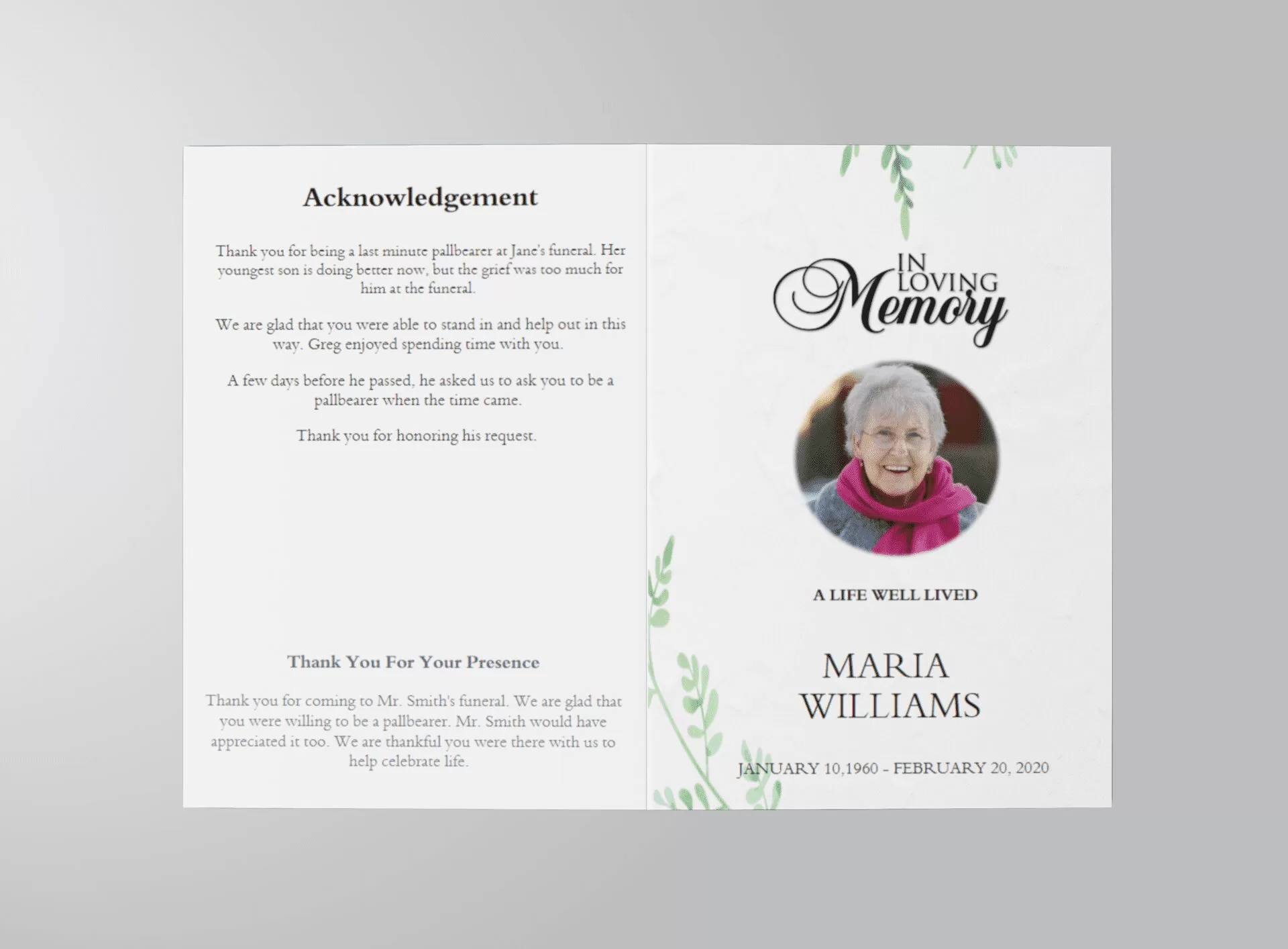
fall card

A Guide to Funeral Planning: Understanding the Essentials

Example of an obituary for a mother

Understanding Funeral Planning

Experiencing the loss of a loved one is a profound emotional journey, often accompanied by a flurry of decisions that need to be made promptly. Understanding the essentials of funeral planning can help ease some of the burdens during this challenging time.

Key Components of Funeral Planning

  • Choosing a Funeral Home: Research local funeral homes, read reviews, and ask for recommendations.
  • Deciding on Burial or Cremation: Consider your loved one’s wishes and any cultural or religious preferences.
  • Setting a Budget: Determine how much you can spend and what services are necessary.
  • Funeral Service Details: Plan the type of service, location, and any specific requests your loved one may have had.

Grief and Emotional Support

Planning a funeral can stir up intense emotions. It’s crucial to seek support from family and friends. Don’t hesitate to reach out to professionals if needed. Thoughtful funeral planning can provide comfort to grieving families.

Attire for the Occasion

Funeral attire is an essential aspect of showing respect. Many people wonder, why black is worn at funerals? While traditionally associated with mourning, the choice of color can vary based on cultural practices.

Additional Considerations

When preparing for a funeral, consider the following:

  • **Personal Touches:** Incorporate elements that celebrate the life of the deceased, such as photos or favorite songs.
  • **Guest List:** Create a list of people who should be informed and invited to the service.
  • **Memorial Contributions:** Consider setting up a fund or suggesting donations to a charity in memory of the deceased.

Resources for Further Guidance

For those navigating the complexities of funeral planning, this comprehensive guide offers valuable insights. It is essential to be informed and prepared. Additionally, navigating the essentials of funeral planning will ensure that you honor your loved one’s memory appropriately.

In summary, planning a funeral may feel overwhelming, but understanding the key components and seeking support can make the process smoother. Remember, you are not alone during this difficult time.

Catholic Funeral Program Example PDF (Free Editable Template)

Understanding Funeral Planning: A Comprehensive Guide

Example of an obituary for a mother template

What is Funeral Planning?

Funeral planning is the process of making arrangements for a funeral service. It involves various elements, including selecting a venue, choosing a casket or urn, and deciding on the type of service to hold. Understanding the intricacies of this process is crucial for honoring your loved one’s memory while effectively managing the logistics involved.

Why is Funeral Planning Important?

Planning a funeral ensures that your loved one’s wishes are respected and can alleviate the burden on family members during a time of grief. It allows for a personal touch to the service, enabling families to celebrate the deceased’s life in a meaningful way. For more detailed insights, check out our Comprehensive Guide to Funeral Planning.

Essential Tips for Navigating Funeral Planning

  • Start Early: Begin planning as soon as possible to ensure everything is arranged according to your loved one’s wishes.
  • Budget Wisely: Consider what you can afford and explore options that fit within your budget.
  • Choose the Right Location: Select a venue that suits the needs of the family and reflects the personality of your loved one.
  • Incorporate Personal Touches: Including elements like music, readings, or special rituals can make the service unique.

For more tips on this journey, visit our article on Essential Tips for Navigating Funeral Planning.

Understanding Cultural Practices

Cultural traditions can influence funeral practices significantly. For example, in Korean culture, specific flowers hold deep meanings during funerals. To learn more about these customs, read our article on Traditional Korean Funeral Flowers and Their Significance.

Choosing the Right Floral Arrangements

Flowers are a significant part of funeral services, symbolizing love and remembrance. When selecting floral arrangements, consider the deceased’s preferences and the message you want to convey. Visit our comprehensive guide on Flower Arrangement For Funeral to explore different types of flowers and their appropriateness for various situations.

Emotional Support During the Planning Process

Planning a funeral can be emotionally taxing. It’s essential to seek support from friends, family, or professionals who can guide you through this challenging time. Our resource on Navigating the Journey of Funeral Planning with Care offers practical advice on handling the emotional aspects of planning a funeral.

Conclusion

By understanding the various aspects of funeral planning, you can create a meaningful tribute to your loved one while ensuring the process is as smooth as possible for everyone involved.

Back to Top
Product has been added to your cart
Compare (0)