
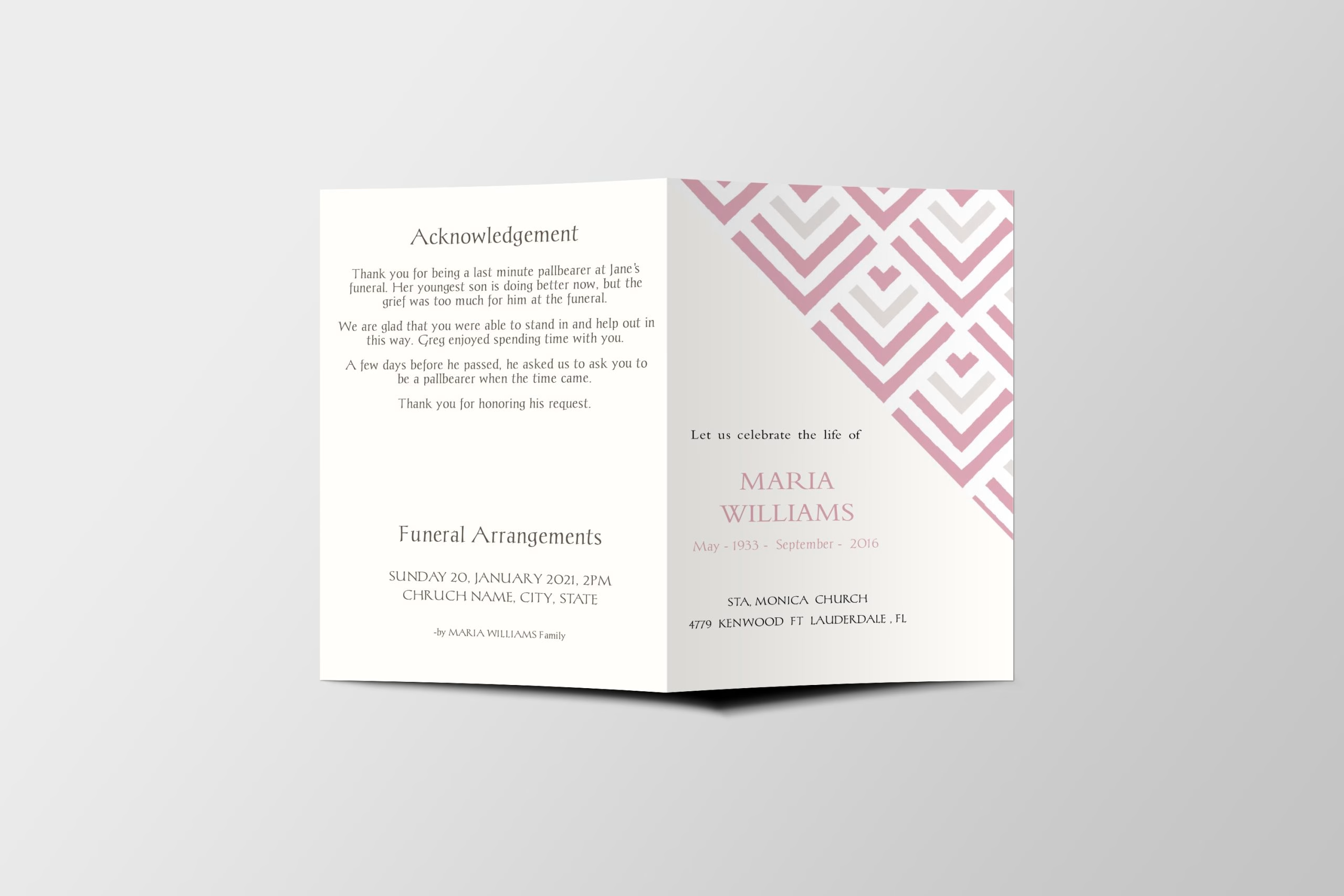
Navigating the Journey of Funeral Planning

Understanding Funeral Planning
Experiencing the loss of a loved one is an emotional journey that often leaves families feeling overwhelmed. Navigating the complexities of funeral planning during such times can be challenging, but having a guide can ease the process significantly.
Key Considerations for Funeral Planning
- Choosing the Right Service: Consider whether you want a traditional service, a memorial, or a celebration of life. Each option reflects unique preferences.
- Budgeting: Understanding the costs associated with funeral services is crucial. This can help you make informed decisions without financial strain.
- Personal Touches: Incorporating personal elements such as favorite songs, photos, or poems can make the service more meaningful. For instance, heartfelt poems can beautifully express emotions and memories.
Essential Steps in Funeral Planning
Here are some essential steps to ensure a smooth planning process:
- Gather Information: Collect all necessary documents, including the deceased’s will, insurance policies, and any pre-arrangement details.
- Choose a Funeral Home: Selecting the right funeral home is vital. Look for one that understands your needs and can provide the services you desire.
- Plan the Details: Work with the funeral director to plan the service details, including location, time, and program. This is where personal touches can come into play.
Support During the Planning Process
During this difficult time, it’s essential to have support. Consider reaching out to family members and friends who can assist with the planning or simply provide emotional support. Additionally, resources like our Essential Guide to Funeral Planning can help you navigate this journey.
The Role of Rituals and Traditions
Funeral rituals and traditions play a significant role in the grieving process. They allow family and friends to gather, share memories, and support each other. Whether it’s a religious ceremony or a modern memorial, these gatherings help in acknowledging the loss and celebrating life.
After the Funeral: What Comes Next?
After the funeral service, many families find themselves unsure of what to do next. It’s important to take time to grieve and heal. Consider the following:
- Checklists: Use checklists for post-funeral tasks, which may include notifying relevant parties and handling the estate.
- Support Groups: Joining a support group can provide comfort and a sense of community as you navigate through your grief.
For a more comprehensive understanding of the funeral planning process, explore our Guide for You. This resource can provide further insights into what to expect and how to handle the various aspects of planning.