
Navigating Funeral Planning with Compassion and Care

Understanding the Importance of Funeral Planning
When faced with the loss of a loved one, the emotional burden can be overwhelming. Planning a funeral is a significant step in honoring their memory and ensuring that their final wishes are respected. In this guide, we will explore compassionate approaches to funeral planning, making the process a little easier during such a challenging time.
Key Considerations When Planning a Funeral
- Understanding Grief: Recognizing the stages of grief can help you navigate your emotions as you make decisions. For more insights, visit Understanding Grief and Funeral Planning.
- Gathering Information: Collect vital information about your loved one’s preferences, including their desired service type and any specific requests.
- Budget Planning: Establish a budget that reflects your loved one’s wishes while being mindful of your financial situation. For detailed budgeting tips, see A Comprehensive Guide to Compassionate Funeral Planning.
- Choosing a Funeral Home: Research local funeral homes and consider their services, reputation, and pricing.
Creating a Personal Tribute
Honoring your loved one’s life can be done through personalized tributes. Here are some ideas to consider:
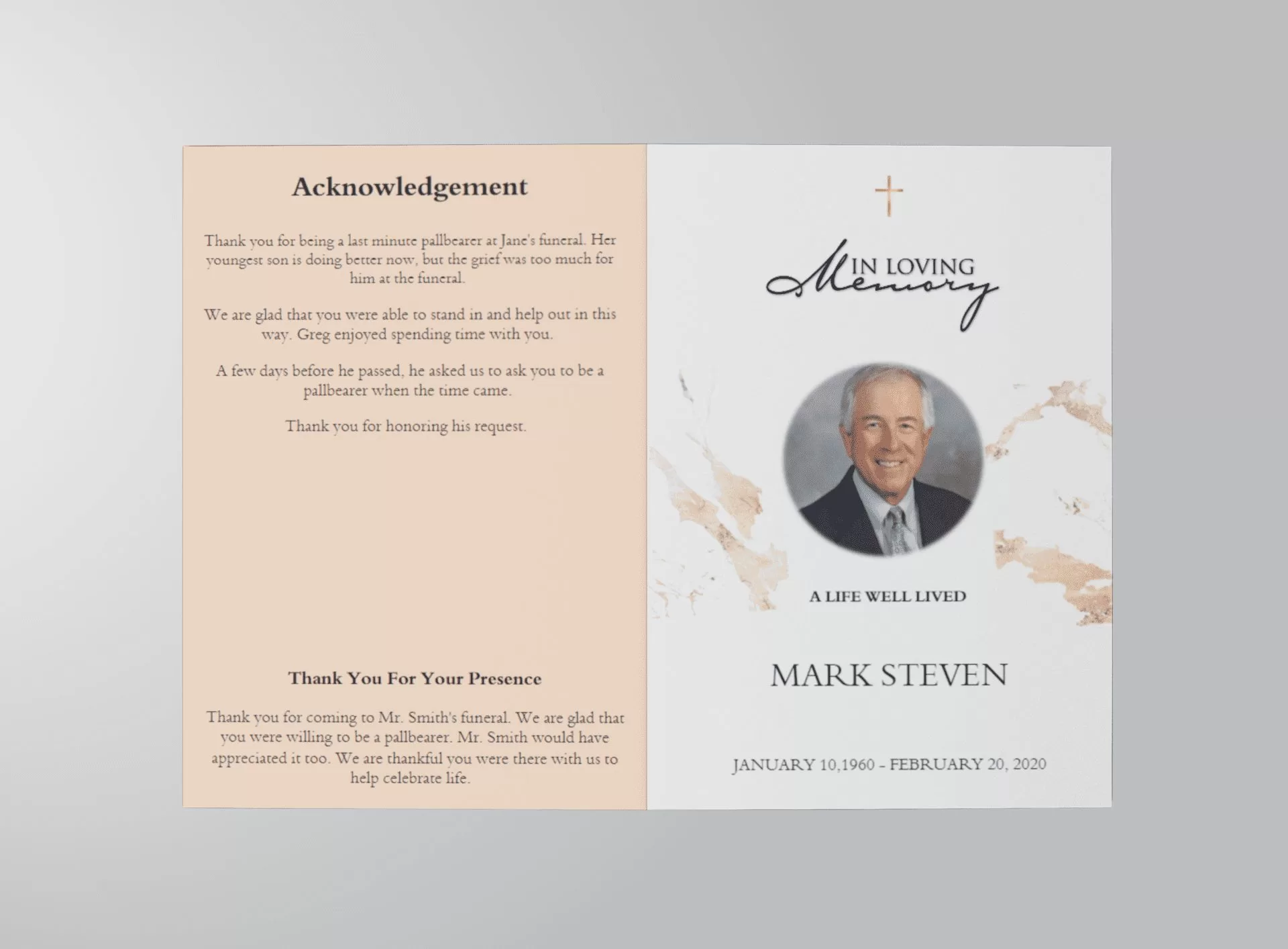
- Obituaries: Writing an obituary is a meaningful way to celebrate their life. You can find a helpful template at Obituary Template.
- Heartfelt Poems: Incorporating poems can provide comfort and express the emotions of loss. Explore Heartfelt Poems for Lost Loved Ones for inspiration.
- Photo Displays: Create a memory board with photographs that showcase their life journey.
Planning the Service
The service is an opportunity to bring together family and friends to share their memories. Consider the following:
- Type of Service: Decide between a traditional funeral, memorial service, or celebration of life.
- Speakers and Eulogies: Choose individuals who can share meaningful stories. This can add a personal touch to the ceremony.
- Music and Readings: Select music or readings that were special to your loved one, creating a more intimate atmosphere.
Post-Funeral Considerations
After the service, take time to reflect and heal. You may also want to explore:
- Grief Support: Seek support groups or counseling services to help you through your grief journey. For more information, visit Navigating the Journey of Funeral Planning with Compassion.
- Memorial Donations: Consider setting up a charity or foundation in your loved one’s name for those who wish to make contributions in their memory.
Final Thoughts
Funeral planning is a deeply personal journey. By approaching it with compassion and care, you can honor your loved one’s life while also taking care of yourself during this difficult time. For a more comprehensive approach to funeral planning, read Essential Guide to Funeral Planning with Compassion.