How to Write Condolence Messages
Condolence messages are a meaningful way to express sympathy to a friend or loved one who has lost someone close. If your mind goes blank when you sit down to write—please know that’s completely normal. You can still write something sincere, clear, and supportive.
Quick start (keep it brief and kind)
- Start with sympathy: A simple “I’m so sorry” is enough.
- Offer specific help (if you can): Mention a practical task or next-step support.
- Close warmly: End with a caring closing.
Condolence messages you can copy: openers and closings
Pick a line that matches your relationship and personalize it with the person’s name.
- Opening ideas: “I was so sorry to hear of the death of your loved one,” or “I was so sorry to hear of the death of [Name].”
- Closing ideas: “My prayers are with you,” or “My deepest sympathy.”
If you have a genuine memory to share, include it briefly—there’s no need to write an essay.
What to include (and what to skip)
A good condolence message doesn’t have to be long. A simple expression of your condolences is often enough.
- Say you’re sorry: Let them know you’re thinking of them and that you’re sorry for their loss.
- Offer specific help (if you can): For example, “I’ll be over next week to cook,” or “I can mow the lawn.”
- Share a brief memory (optional): If you knew the person well enough, one short, happy recollection can be comforting.
Avoid: Turning the message into a joke or trying to “lighten” death with humor. Losing someone is a solemn occasion, and your tone should stay respectful.
Email or handwritten? Choose what you can do well
Both ways can be acceptable, but many people find handwritten condolence letters especially meaningful. Handwritten notes are often kept or displayed, and a person’s handwriting can feel deeply personal.
If you can, consider writing by hand on nice paper. If not, an email or e-card can still communicate your sympathy.
Stationery + ink tips (for handwritten notes)
If you’re going with a handwritten card or letter, keep your choices conservative and respectful.
- Paper: Plain white paper is suitable. Softer tones (like a mellow pastel border) can feel calming.
- Ink: Blue or black ink is preferable.
- Don’t use: Pencil. Also avoid anything that feels inappropriate for a solemn occasion.
- Envelopes: Using a matching envelope and stationery can show extra thought.
Step-by-step: write it without getting stuck
- Pick a quiet moment: Get away from distractions so you can focus.
- Draft first: Write your thoughts on scrap paper, so you can find the right wording.
- Write slowly and clearly: Legibility matters—write in a way that can be easily read.
- Start with a simple salutation:
- If you didn’t know the family well (for example, a co-worker), address the message to the closest relative.
- If it’s a friend who lost someone, you can address the message directly to your friend.
- Keep the body focused: Sympathize, offer support, and optionally share a short memory.
- End warmly: Use a sincere closing such as “My prayers are with you” or “My deepest sympathy.”
Helpful FAQ
How long should a condolence message be?
A condolence message can be short. A brief expression of sympathy—plus an offer of help if you want—is often enough.
What should I write if I don’t know what to say?
Start with a simple opener (for example: “I was so sorry to hear of the death of your loved one”). Then add that you’re thinking of them and you’re sorry for their loss. If you can help, be specific.
Should I address the family or the person?
It depends on your relationship. If you’re writing to a co-worker’s family, address the closest relative. If it’s a friend who lost a loved one, address the message directly to your friend.
Is handwriting really important?
Handwritten notes are often meaningful because they can feel personal and may be kept as a remembrance. If you’re unable to write by hand, sending an email or e-card can still express your sympathy.
What should I avoid in a condolence card?
Keep the tone respectful. Avoid humor or anything that could feel like it makes light of death.
Need more help with funeral materials?
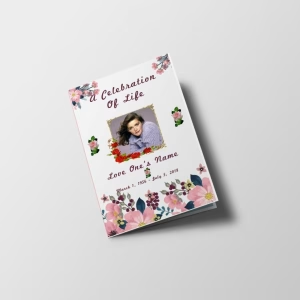
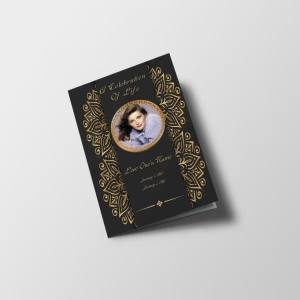
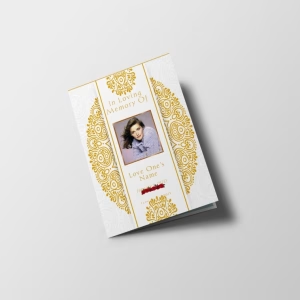
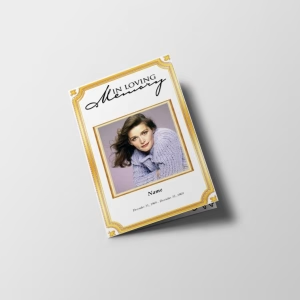
If you’re also preparing a funeral program, QuickFuneral offers funeral program templates and related support.

Funeral Program Templates