
Catholic Funeral Readings
If you’re planning a service, Catholic Funeral Readings are typically placed at specific points in the Funeral Mass—most importantly within the Liturgy of the Word. Many priests also thoughtfully include readings, songs, or homily elements that reflect what the family and parish can support.
Quick takeaway: If you have favorite scriptures or specific verses you’d like included, let the priest or the Bereavement Minister know so they can plan the Mass accordingly.

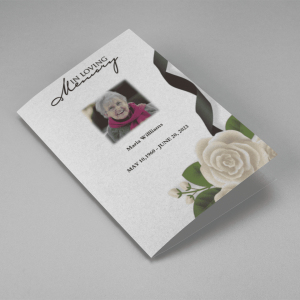
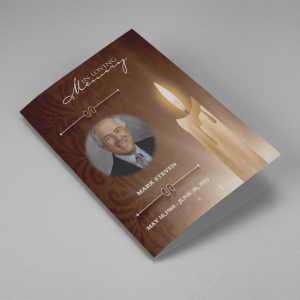
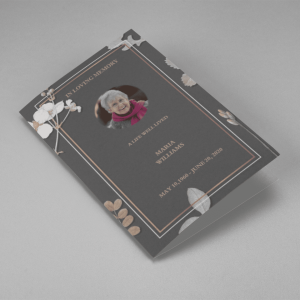
Typical flow (so you know where readings happen)
A rosary or prayer service is often held prior to the funeral. Sometimes a wake (with an open casket, if desired) is held at the funeral home on the evening before the funeral service.
Many families also request donations to a charity and/or ask that a Mass be said for the repose of the soul. The body is taken from the funeral home to the church for the funeral Mass with a closed casket.
- After the Mass, attendees proceed to the grave site for additional ceremony and prayers.
- Catholics are also able to choose cremation as an alternative to burial (noting it was once forbidden by church law).
Catholic Funeral Readings in the Funeral Mass
A sample Catholic funeral Mass includes opening rites (such as the receipt of the body at the door and blessing with holy water), a procession to the altar with an opening song, a penitential rite, and an opening prayer.
The Mass is then organized around Scripture readings and key parts of the liturgy, including the Liturgy of the Word and the Liturgy of the Eucharist.
Liturgy of the Word (Scripture readings)
The Liturgy of the Word includes the first readings from the Old Testament, a responsorial psalm or song, a second reading from the New Testament, an Alleluia song, a reading by the priest from one of the Gospels, and a homily.
It also includes:
- Prayer
- Lighting of a candle for remembrance
- Closing song
Readings are chosen from specific sections from the Liturgy of the Word so the service includes readings from both biblical books.
Liturgy of the Eucharist (after the readings)
The Liturgy of the Eucharist may include an optional presentation of the gifts, Eucharistic prayer, the Lord’s prayer/sign of peace, communion and a song, and a personal reflection by a selected speaker.
The Mass concludes with a song of farewell and a recessional song.
How to request specific verses
There are usually preselected funeral readings given in the Funeral Mass. If you have specific readings you would like included—or if the deceased had favorite verses—inform the priest or the Bereavement Minister and let them know which scriptures you would like.
- Bereaved family members may request particular verses for inclusion at the service.
- Tell the priest/Bereavement Minister about any special scriptures you’d like included.
Bereavement ministry support
The Catholic church usually has a Bereavement Ministry to help assist with planning the Funeral Mass and to suggest ways for family and friends to be personally involved.
Frequently asked questions
Are Catholic funeral readings only traditional, or can they include modern elements?
Catholic funeral services follow formal guidelines, but times are changing. Today some priests may design a special service that incorporates traditions of the Catholic church with modern funeral readings, songs, or sermons.
Is a wake always required before the funeral Mass?
A rosary or prayer service is held prior to the funeral. Sometimes a wake (with an open casket, if desired) is held at the funeral home on the evening before the funeral service.
What Scripture readings are included in the Liturgy of the Word?
The Liturgy of the Word includes first readings from the Old Testament, a responsorial psalm or song, a second reading from the New Testament, an Alleluia song, and a Gospel reading, followed by a homily.
Can the family request specific verses?
Yes. Family members may request particular verses if desired to the priest for inclusion at the service. If you have specific readings you’d like read (or favorite verses of the deceased), inform the priest or Bereavement Minister.
What happens after the Mass?
After the Mass, attendees proceed to the grave site for an additional ceremony and prayers are performed.
Is cremation allowed in Catholic funeral planning?
Catholics are now able to choose cremation as an alternative to burial, which was once forbidden by church law.