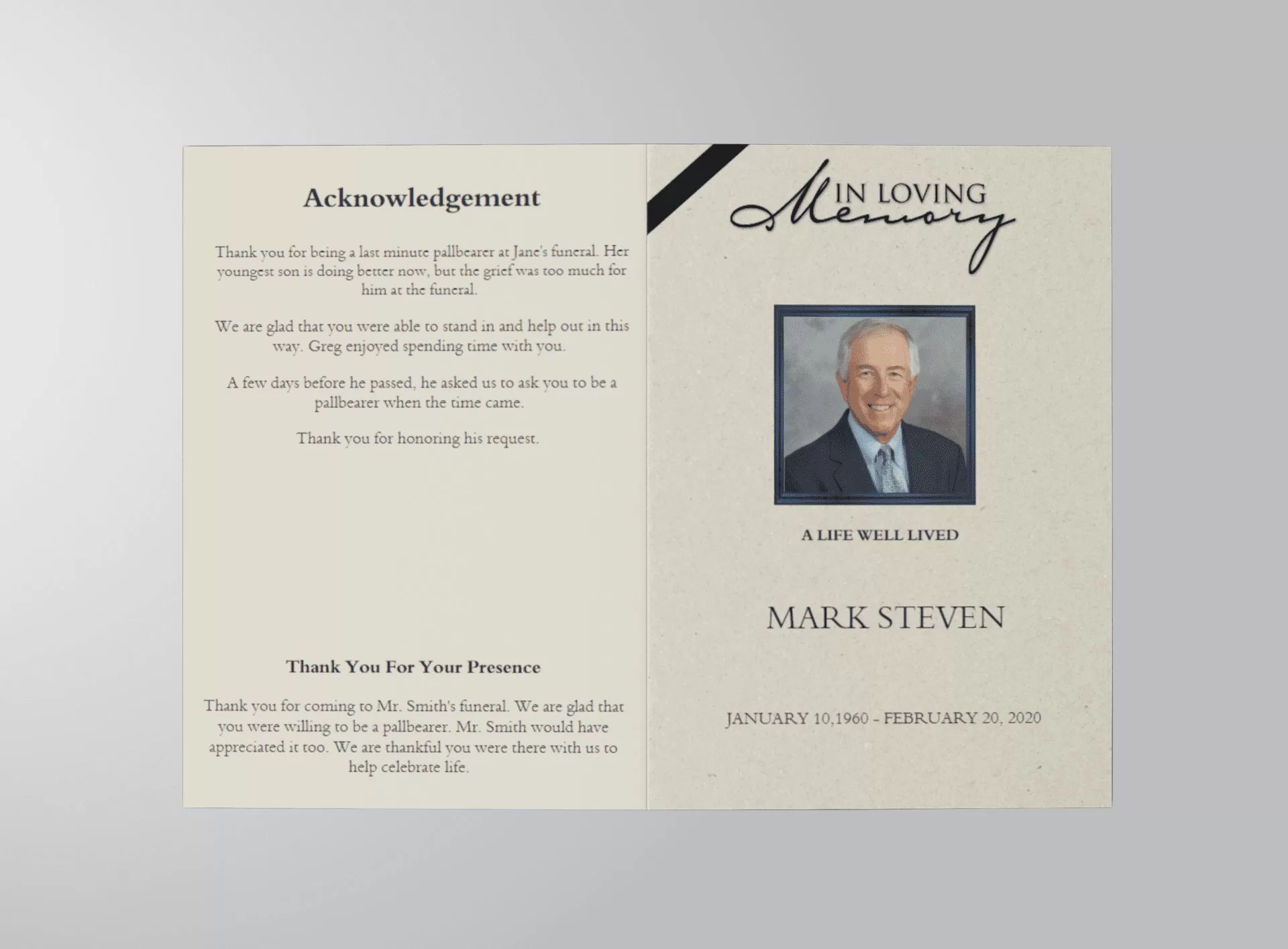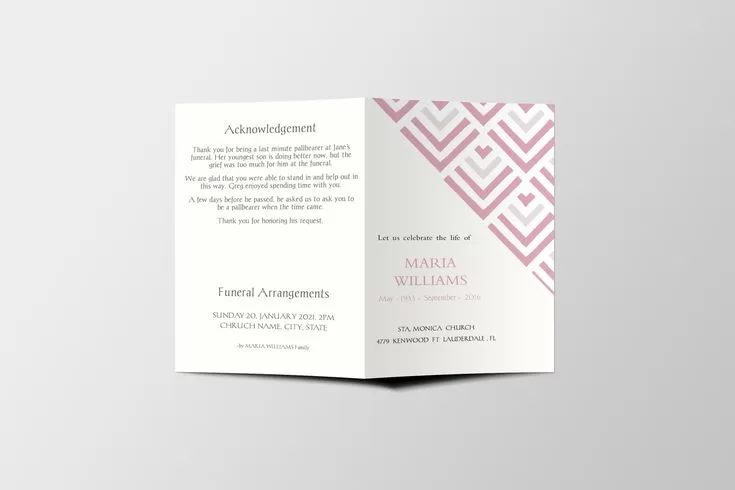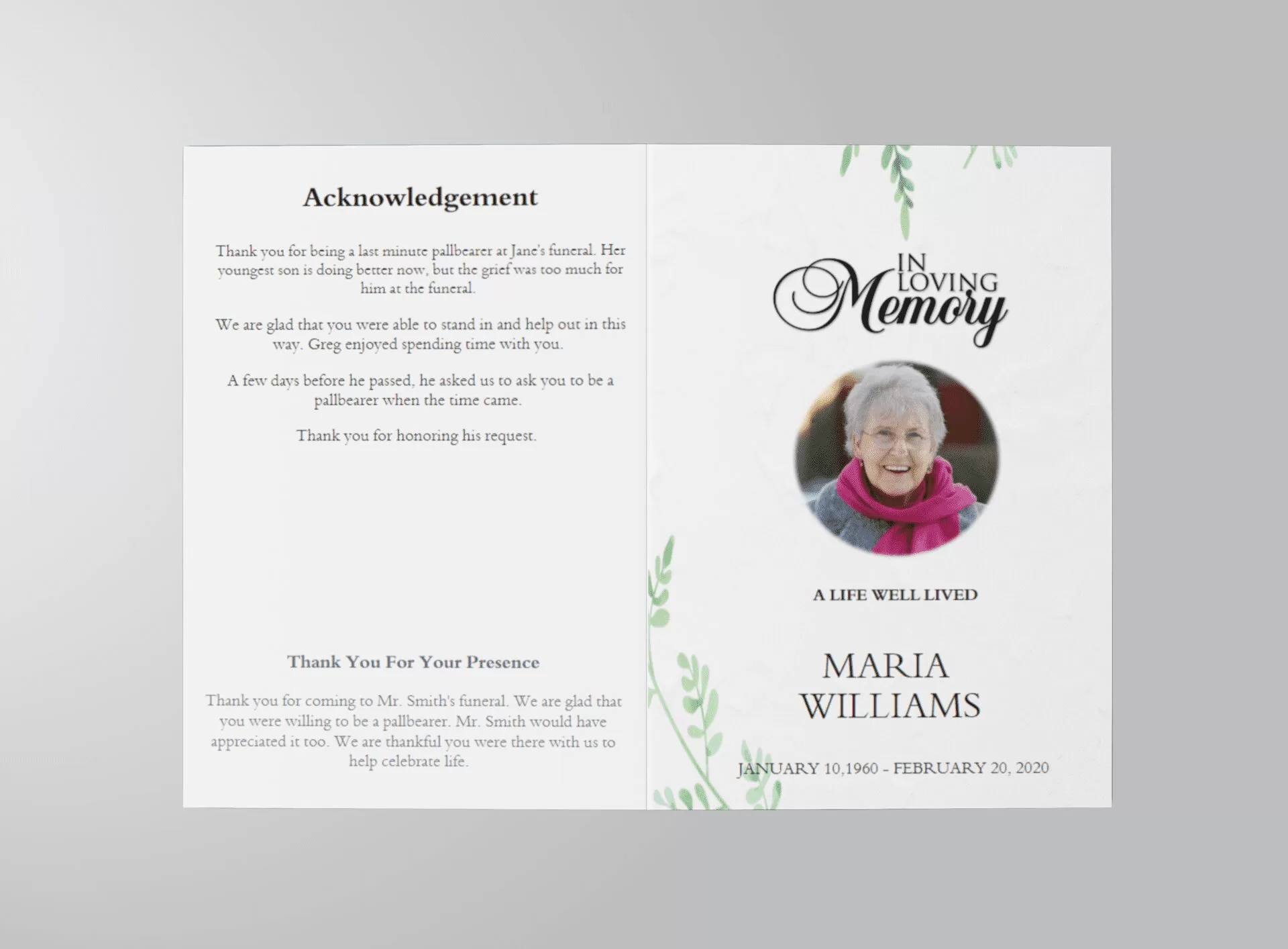
Sample Obituary Templates

Understanding Funeral Planning: A Guide for Families

Example of an obituary for a mother template

The Importance of Funeral Planning

Funeral planning is a crucial aspect of honoring a loved one’s life. It can be overwhelming, especially during emotional times, but understanding the process can provide peace of mind. Here, we will explore essential steps and considerations in funeral planning.

Key Steps in Funeral Planning

  • Gather Information: Collect necessary documents such as birth certificates, social security numbers, and any pre-existing funeral plans.
  • Set a Budget: Determine financial resources available for the funeral. This will guide your decisions regarding services and products.
  • Choose a Location: Decide on the funeral home or venue. Visit several to compare services and costs.
  • Select Services: Consider whether you want a traditional funeral, memorial service, or something more unique.

Understanding Different Funeral Options

There are various types of services available, each with its own significance. For example, a traditional funeral service typically includes a viewing, a ceremony, and a burial or cremation. Alternatively, a memorial service can be held without the body present, providing a more flexible option.

For a deeper understanding of how to navigate these options, check out our Essential Guide to Navigating Funeral Planning.

Incorporating Personal Touches

Personalizing a funeral can make the service more meaningful. Consider incorporating:

  • Favorite music or readings, such as comforting passages from the Bible.
  • Photographs and videos that celebrate the individual’s life.
  • Memorial items like guest books or memory tables.

Legal Considerations in Funeral Planning

It’s essential to understand the legal requirements surrounding funerals. This includes obtaining a death certificate and understanding local laws regarding burial and cremation. For more information on the legal aspects, refer to our Comprehensive Guide to Funeral Planning.

Emotional Support During Planning

Planning a funeral can be emotionally taxing. It’s important to seek support from friends, family, or professional counselors. Engaging with others can provide comfort and alleviate some of the burdens you may feel.

For those looking for more structured guidance, the Navigating the Complexities of Funeral Planning resource offers valuable insights.

Final Thoughts

While funeral planning can be daunting, it is a vital part of honoring loved ones. By understanding the steps involved and seeking support, families can create a meaningful farewell that reflects their loved one’s legacy.


Essential Tips for Funeral Planning During Difficult Times

Example of an obituary for a mother template

Understanding the Importance of Funeral Planning

Planning a funeral can be overwhelming, especially when you’re dealing with grief. However, it’s crucial for honoring your loved one’s life. A comprehensive guide to funeral planning can provide you with a roadmap to navigate this emotional experience.

Key Steps in Funeral Planning

  • Gather Information: Collect essential documents, such as birth certificates and military records.
  • Choose a Funeral Home: Research local funeral homes and their services. Check out our insights on navigating the journey of funeral planning.
  • Decide on the Type of Service: Consider whether you want a traditional funeral or a more personalized celebration of life.
  • Establish a Budget: Determine what you’re comfortable spending; this will guide your choices.

Comforting Words for the Service

Including meaningful passages can bring comfort to attendees. You might want to consider comforting funeral passages in the Bible that resonate with you and your family.

Understanding the Nuances of Funeral Planning

Each funeral is unique, mirroring the life of the person being honored. It’s essential to understand these nuances to create a memorable service. For a deeper dive into this topic, explore our article on understanding the nuances of funeral planning.

Resources for Support

Don’t hesitate to reach out for support during this challenging time. Many communities offer resources to help families cope with loss and plan funerals. Additionally, our guide on understanding funeral planning can further assist you in making informed decisions.

Final Thoughts

Remember, the goal of funeral planning is to celebrate your loved one’s life while providing closure for family and friends. Take your time, lean on your support system, and honor their memory in a way that feels right for you.

Top Free Funeral Program Templates for Every Service Style

Understanding Funeral Planning: Your Comprehensive Guide

Obituary Template

Introduction to Funeral Planning

Planning a funeral can be one of the most challenging tasks one faces during a time of loss. It is not just about organizing the logistics; it is about honoring the life of a loved one with dignity and respect. Understanding the nuances of funeral planning can provide you with the necessary tools to navigate this complex process.

Why is Funeral Planning Important?

Funeral planning is essential for several reasons:

  • It allows families to make informed decisions during a difficult time.
  • Planning ahead can alleviate stress and uncertainty for loved ones.
  • It ensures that the deceased’s wishes are honored.

Steps to Consider When Planning a Funeral

  1. Determine the Type of Service: Decide whether it will be a traditional burial, cremation, or a memorial service.
  2. Choose a Funeral Home: Research and select a reputable funeral home that fits your needs.
  3. Plan the Details: Consider the location, officiant, and any personal touches you’d like to include.
  4. Notify Family and Friends: Communicate details about the service to those who knew the deceased.

Finding Comfort in Scripture

Many find solace in spiritual readings during such times. Our article on Comforting Funeral Passages in the Bible provides passages that can help ease the pain of loss and offer comfort to grieving family members.

Comprehensive Resources for Funeral Planning

Our Comprehensive Guide to Funeral Planning offers an in-depth look at the entire process, ensuring you understand every step involved. Additionally, you can explore our Navigating the Journey of Funeral Planning with Care article for expert tips on managing this emotional journey.

Organizing Your Thoughts and Plans

Making a list can significantly help in organizing your thoughts. Consider the following:

  • Personal preferences of the deceased
  • Budget constraints
  • Guest list and invitations

Support During the Planning Process

It’s essential to have support when planning a funeral. Engaging with family and friends can help share the burden. You may also find our Understanding Funeral Planning: A Comprehensive Guide useful, as it provides strategies for coping with the emotional aspects of planning a funeral.

Final Thoughts on Navigating Funeral Planning

While planning a funeral can be overwhelming, knowing you have resources and support can make the journey manageable. Each step you take is a step towards honoring your loved one’s memory with love and respect.

fall card

A Comprehensive Guide to Understanding Funeral Planning

Example of an obituary for a mother template

Understanding Funeral Planning

Planning a funeral can be an emotionally taxing experience, especially when it follows the loss of a loved one. Understanding the various aspects of funeral services can help alleviate some of the stress involved. Whether you’re looking for guidance on planning a traditional service or exploring more personalized options, having the right information is crucial.

Key Aspects of Funeral Services

  • Types of Services: Funerals can vary widely in style and structure. From memorial services to graveside ceremonies, knowing the differences can help you make informed decisions.
  • Logistics and Details: These include the location, date, and any special requests your loved one may have had. For a deeper understanding, check out our article on Understanding Funeral Services and Planning.
  • Budget Considerations: Funerals can be costly, so it’s essential to plan a budget. Explore our Essential Guide to Funeral Planning for tips on managing costs effectively.

Emotional Considerations

Funeral planning is not just about logistics; it also involves navigating a wave of emotions. Understanding how to manage grief while making decisions is vital. Our resource, Navigating Funeral Planning with Compassion and Care, offers insights on this emotional journey.

Steps to Take When Planning a Funeral

  1. Gather Information: Collect necessary documents and information about your loved one.
  2. Choose a Funeral Home: Select a reputable funeral home that aligns with your needs.
  3. Plan the Service: Decide on the type of service, guest list, and any special elements like music or readings.
  4. Address Legal Requirements: Ensure you understand any legal obligations, including permits and death certificates.
  5. Communicate: Keep family members in the loop to ensure everyone’s wishes are respected.

Personalizing the Funeral Experience

Many families choose to personalize the funeral service to reflect the unique life of their loved one. This could include:

  • Incorporating favorite music or readings
  • Displaying personal items or photographs
  • Creating a video montage

For more tips on personalizing services, visit our article on Navigating the Complexities of Funeral Planning.

Understanding Funeral Costs

Funeral costs can vary significantly based on the services chosen. It’s important to have an understanding of these costs to avoid surprises. The average funeral can cost between $7,000 and $12,000 depending on various factors. Consider exploring our guide on Understanding the Essentials of Funeral Planning to help you navigate financial decisions.

Support Resources

After the funeral, the grieving process continues. It’s essential to seek support during this time. Many find comfort in support groups or counseling, which can provide a safe space to share feelings and experiences.

For anyone facing the daunting task of funeral planning, knowing that support and resources are available can make a significant difference. Remember, you are not alone in this journey.

Funeral Program Template Online

Essential Guide to Navigating Funeral Planning

Obituary Template

Understanding Funeral Planning

Planning a funeral is a significant responsibility that often comes during one of the most challenging times in life. The emotional weight of this task can make it seem overwhelming. However, understanding the components of funeral planning can ease some of that burden.

The Importance of Funeral Services

A funeral service not only honors the life of your loved one but also provides a chance for family and friends to come together in a supportive environment. To get a comprehensive overview of what funeral services entail, you can check out our guide on Understanding Funeral Services and Planning.

Key Components of Funeral Planning

  • Choosing the Type of Service: Decide if you want a traditional burial, cremation, or a memorial service.
  • Setting a Budget: Funeral costs can vary significantly, so it’s essential to plan your budget.
  • Selecting a Venue: This could be a funeral home, place of worship, or even a personal residence.
  • Planning the Program: Consider the details such as readings, music, and speakers.
  • Preparing Obituaries: Crafting a touching obituary can help commemorate your loved one. For a template, you can refer to our obituary template.

Navigating the Complexities of Funeral Planning

It’s crucial to have a roadmap when navigating the complexities of funeral planning. For a deeper understanding of this journey, our article on Navigating the Complexities of Funeral Planning covers essential aspects to consider, such as legal requirements and emotional considerations.

Emotional Considerations in Funeral Planning

Planning a funeral is not just about logistics; it’s also about processing grief. It’s important to allow yourself and others to grieve while managing the details. Our piece on Navigating Funeral Planning with Compassion and Care delves into how to approach this sensitive time with empathy.

Essential Resources for Funeral Planning

Having the right resources can make a significant difference in your planning process. Our Understanding the Essentials of Funeral Planning guide provides practical tips and insights that can help streamline your planning process.

Final Thoughts on Funeral Services

The journey of planning a funeral can feel daunting, but being equipped with the right knowledge and support is invaluable. For those looking for a thorough resource, don’t miss our Essential Guide to Funeral Planning which covers everything from logistics to emotional support.

funeral program template

Comprehensive Guide to Funeral Planning

Example of an obituary for a mother

Understanding the Importance of Funeral Planning

Planning a funeral can be a daunting task, especially during emotional times. However, it is an essential part of honoring the life of a loved one. By understanding funeral services, you can make informed decisions that reflect your loved one’s wishes and your family’s needs.

Key Steps in the Funeral Planning Process

  • Gather Information: Collect necessary documents and details about your loved one, including identification, military records, and any pre-arrangements.
  • Choose a Funeral Home: Selecting a compassionate funeral home can ease the burden. Research local options and read reviews.
  • Determine the Type of Service: Whether a traditional funeral, memorial service, or celebration of life, choose a format that reflects the personality and preferences of the deceased.
  • Plan the Logistics: Consider aspects such as location, transportation, and any necessary permits.
  • Personalize the Service: Incorporate meaningful elements, such as music, readings, and decorations that celebrate your loved one’s life.

Navigating the Complexities of Funeral Planning

Funeral planning often involves navigating complex emotional and logistical challenges. For a deeper understanding, explore navigating the complexities of funeral planning, which outlines strategies to handle various aspects of the process with care.

Understanding the Essentials of Funeral Planning

It’s crucial to grasp the essentials of funeral planning to ensure that every detail is accounted for. Our guide on the essentials covers everything from the types of services available to the importance of pre-planning.

Emotional Support During Funeral Planning

The emotional journey of planning a funeral can be overwhelming. Seeking support from family, friends, or professional counselors can provide comfort. For more insights, read about navigating funeral planning with compassion to help you cope during this difficult time.

Finalizing Arrangements

When finalizing arrangements, consider all aspects of the service, including:

  • Service type and location
  • Burial or cremation preferences
  • Memorialization options, such as headstones or keepsakes
  • Floral arrangements and decorations

For a comprehensive overview, check out our essential guide to funeral planning, which walks you through each step in detail.

Navigating the Journey of Funeral Planning with Care

Obituary Template

Understanding Funeral Planning

Funeral planning can feel overwhelming, especially during such a sensitive time. It is essential to make informed decisions that honor your loved one’s memory. For those unfamiliar with the intricacies of funeral arrangements, understanding the essentials of funeral planning is crucial. This guide provides a solid foundation for navigating this process.

Key Components of Funeral Planning

  • Choosing a Funeral Home: Selecting a reputable funeral home can significantly impact the planning experience. Look for one that resonates with your values and offers the services you need.
  • Service Options: Decide on the type of service that best reflects your loved one’s personality. Whether it be a traditional service, a memorial service, or a celebration of life, there are many options available.
  • Cremation vs. Burial: Understanding the differences between cremation and burial can help you make a choice aligned with your loved one’s wishes. Explore the benefits of each option thoroughly.

Creative Ideas for a Meaningful Funeral Service

To personalize the funeral experience, consider incorporating unique elements that celebrate the individual’s life. Check out our creative ideas that can make the service more memorable.

Funeral Slideshows: A Visual Tribute

Integrating a slideshow can be a heartfelt way to reminisce about cherished moments. Funeral slideshows offer a visual journey that can comfort attendees and celebrate the life of your loved one. For examples and guidance on creating a touching slideshow, visit our page on funeral slideshow examples.

Planning with Thoughtfulness

The importance of thoughtful funeral planning cannot be overstated. It allows families to come together, share memories, and support one another during a challenging time. To delve deeper into the significance of planning, read our article on thoughtful funeral planning.

Templates and Resources

Using templates can simplify the planning process. Our complete guide includes various resources such as templates for obituaries and memorials, making it easier to craft a fitting tribute.

Conclusion

While I won’t provide a conclusion, it’s important to remember that each step of the funeral planning process can bring comfort and closure, allowing families to honor their loved ones in a meaningful way.

Funeral Program Template Online

Navigating the Complexities of Funeral Planning

Obituary Template

Understanding the Importance of Funeral Planning

Planning a funeral is an essential part of honoring a loved one’s life. It can be a daunting task, especially during a time of grief. However, understanding the steps involved can significantly ease the burden. From selecting a venue to choosing a casket, each decision plays a critical role in commemorating the individual.

Key Steps in Funeral Planning

  • Choosing the Type of Service: Decide whether you want a traditional funeral, a memorial service, or a celebration of life.
  • Selecting a Venue: Consider locations that hold significance, such as a church or a community center.
  • Funeral Costs: Understanding the financial implications is crucial. Familiarize yourself with the average costs associated with different services.
  • Personal Touches: Include elements that reflect the personality of the deceased, such as music, readings, or personal memorabilia.

Resources for Funeral Planning

Seeking guidance can be immensely beneficial. Comprehensive resources can help you navigate through the emotional and logistical challenges. For an in-depth understanding, consider reading our comprehensive guide to funeral planning. This guide offers valuable insights into the various aspects of organizing a funeral.

Emotional Support During the Process

Funeral planning is not just about logistics; it’s also an emotional journey. Grieving families often require support during this challenging time. Navigating funeral planning with compassion and care can make a significant difference. Here are some tips for emotional support:

  • Reach out to friends and family for assistance.
  • Consider hiring a funeral director to help ease the burden.
  • Take time for self-care to manage stress and grief.

Understanding Legal and Practical Considerations

In addition to emotional support, there are practical aspects to consider. Familiarize yourself with the legal requirements regarding death certificates and permits. For essential insights, explore our article on understanding the essentials of funeral planning. This will help you grasp the necessary steps and documentation needed.

Creating a Meaningful Obituary

Writing an obituary is a significant part of memorializing a loved one. It provides an opportunity to share their story and celebrate their life. For a helpful template, check out our obituary template. It guides you through the process, ensuring you capture the essence of your loved one.

Incorporating Spiritual Elements

Many find comfort in spiritual readings during funeral services. Comforting Bible scriptures for the death of a loved one can provide solace and hope. Incorporating these readings can enhance the emotional experience of the service.

Final Thoughts

While planning a funeral may be overwhelming, knowing where to turn for help can ease the process. Utilize the available resources, lean on your support system, and remember that you are honoring a cherished life. Whether it’s through understanding the essentials of funeral planning or creating a heartfelt obituary, each step taken is a tribute to your loved one.

Catholic Funeral Program Example PDF (Free Editable Template)

Understanding Funeral Planning: A Comprehensive Guide

Example of an obituary for a mother

Understanding Funeral Planning

Planning a funeral is a significant responsibility that often comes during one of the most challenging times in life. The emotional weight can be overwhelming, and understanding the various aspects of this process is essential. In this guide, we will explore essential insights into funeral planning, covering everything from logistics to emotional support.

The Importance of Funeral Planning

Funeral planning is not just about the logistics; it’s about honoring a loved one while providing a sense of closure for family and friends. Here are some key reasons why planning is vital:

  • Emotional Support: A well-planned service can help family and friends grieve together and celebrate the life of the deceased.
  • Financial Considerations: Planning ahead can help alleviate unexpected costs during a time of grief.
  • Personal Touch: Tailoring the service to reflect the individual’s personality can make the event more meaningful.

Steps to Navigate Funeral Planning

While every situation is unique, here are some steps to consider when navigating the journey of funeral planning:

  1. Choose a Funeral Home: Research local funeral homes, read reviews, and consider their services.
  2. Decide on the Type of Service: Whether it’s a traditional service, cremation, or a celebration of life, defining this early can guide your planning.
  3. Set a Budget: Discuss financial limitations with family to ensure that the plans align with available resources.
  4. Gather Necessary Documents: Acquire important documents such as the death certificate and any pre-arranged funeral plans.

Understanding Funeral Services

There are various types of services to consider, each with its unique characteristics. Here’s a brief overview:

  • Memorial Services: Often held without the body present, these services focus on celebrating the deceased’s life.
  • Graveside Services: A short service held at the burial site, often with family and close friends.
  • Traditional Funerals: Typically involve a viewing, a service, and a burial or cremation.

Expressing Gratitude

After a funeral, expressing gratitude to those who supported your family is essential. Thank you notes for funeral attendees play a crucial role in this process, showing appreciation for their support and presence during a difficult time. Here are some tips for writing these notes:

  • Be Timely: Send your notes within a few weeks of the service.
  • Personalize Each Note: Mention specific actions or words of comfort that meant a lot to you.
  • Keep It Simple: A heartfelt thank you is often more appreciated than a lengthy message.

Resources for Funeral Planning

To ensure a smooth planning process, consider utilizing resources like a complete guide to navigating funeral planning. This can provide comprehensive insights and checklists to keep you organized. Additionally, understanding funeral services can also help clarify the options available to you, ensuring that you make informed choices throughout the process.

Planning a funeral can be daunting, but with the right resources and support, you can navigate it successfully. Remember to lean on friends and family for emotional support as you honor your loved one’s memory.

fall card

Understanding the Nuances of Funeral Planning

Example of an obituary for a mother template

Introduction to Funeral Planning

When faced with the loss of a loved one, the process of planning a funeral can feel overwhelming. It’s a significant responsibility that requires compassion and thoughtfulness. Understanding the elements involved in funeral planning can make the journey easier for families during this challenging time.

Essential Considerations

Funeral planning involves several important decisions that can impact how a loved one’s life is honored. Here are some key factors to consider:

  • Type of Service: Determine whether the service will be traditional, memorial, or a celebration of life.
  • Location: Choose a venue that is meaningful to the deceased or their family.
  • Budget: Establish a budget early to guide your decisions and avoid unexpected costs.

Understanding Funeral Attire

Choosing appropriate clothing for a funeral is also an important aspect. For guidance on this sensitive topic, refer to our compassionate guide on funeral attire. This resource offers insight into how to dress respectfully and appropriately in honor of the deceased.

The Importance of Thoughtful Planning

As families navigate the emotional journey of loss, thoughtful funeral planning becomes crucial. It allows families to focus on celebrating the life of their loved one rather than getting lost in logistics. For more information, check out our article on the importance of thoughtful funeral planning.

Comprehensive Guide to Funeral Planning

Our comprehensive guide to funeral planning for families provides an in-depth look at the various components involved. From selecting a casket to deciding on flowers, this guide helps families make informed choices that reflect their loved one’s wishes.

Navigating Complex Decisions

Funeral planning can sometimes feel complex, especially when emotions are running high. Our resource on navigating the complexities of funeral planning offers clarity and support in making these important decisions.

Final Thoughts

While the process of planning a funeral is never easy, having access to the right resources can make a significant difference. By understanding the essentials and having compassionate guidance, families can honor their loved ones in a meaningful way.

Back to Top
Product has been added to your cart
Compare (0)