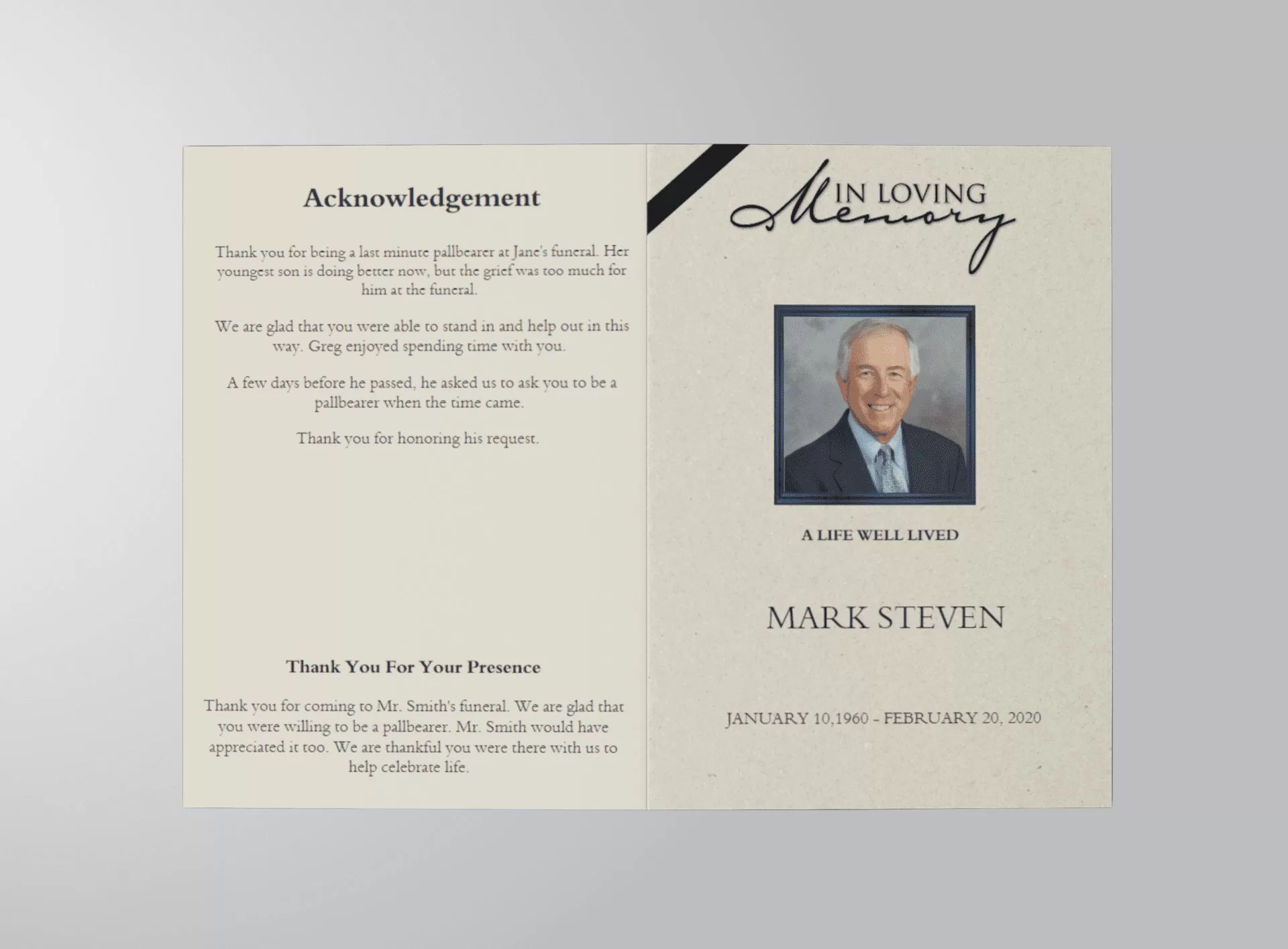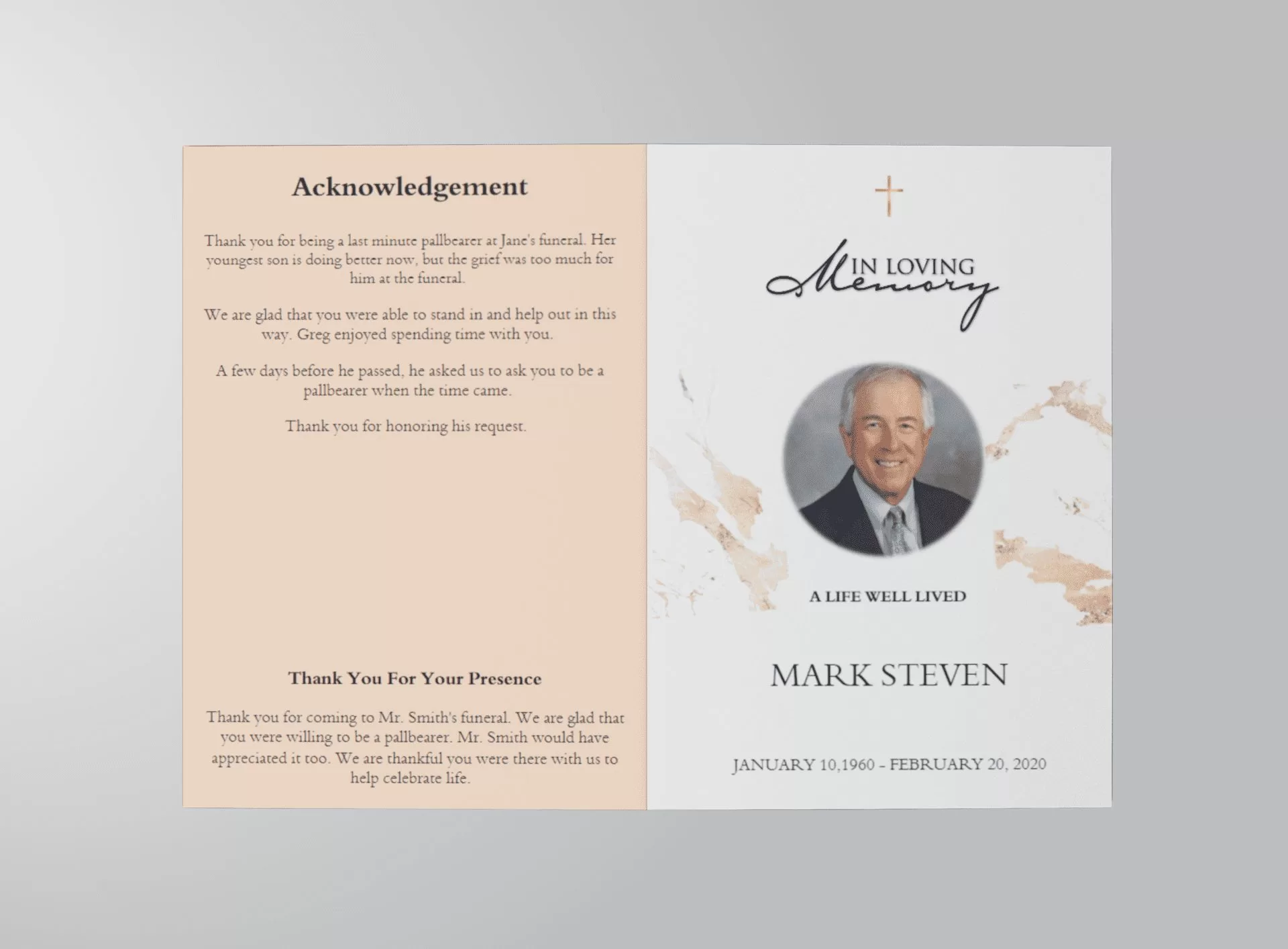
sample obituary examples

Navigating Funeral Planning with Compassion and Care

Obituary Example

Navigating Funeral Planning with Compassion and Care

Facing the loss of a loved one is one of life’s most challenging experiences. The emotional burden can be overwhelming, and the task of funeral planning adds a layer of complexity that can feel daunting. In these times, having a guiding light can make all the difference. This post aims to provide helpful insights into the funeral planning process, from understanding the essentials to creating a meaningful tribute.

Understanding Funeral Planning

Funeral planning involves numerous steps, each requiring thoughtful consideration. Here are some key aspects to keep in mind:

  • Choosing a Funeral Home: Research local funeral homes and consider their services, reputation, and costs.
  • Deciding on Burial or Cremation: Understand the differences and implications of each choice.
  • Planning the Service: This can include selecting speakers, music, and readings that reflect the deceased’s life.

For more on the essentials of planning, check out our comprehensive guide on funeral planning.

The Role of Scriptures in Funerals

Incorporating scriptures into a funeral service can provide comfort and spiritual reflection. Many families choose to include relevant passages that resonate with the life and beliefs of their loved one. Here are some popular scriptures that are often shared:

  • Psalm 23
  • John 14:1-3
  • Romans 8:38-39

Creating a Meaningful Obituary

Writing an obituary serves as a profound way to honor and celebrate a loved one’s life. It allows family and friends to share cherished memories and important milestones. For a step-by-step approach, visit our guide on creating a meaningful obituary. Here are some elements to consider including:

  • Full name and age of the deceased
  • Significant life events and achievements
  • Information about the service

Compassionate Funeral Planning

As you navigate the complexities of funeral arrangements, consider the emotional aspects involved. Compassionate funeral planning can provide much-needed support during this difficult time. Our article on compassionate funeral planning offers insights on how to approach this process with empathy and understanding.

Remember, it’s not just about logistics; it’s about honoring a life and providing comfort to those left behind.

What to Wear for a Celebration of Life

Celebration of life events can vary greatly in tone and atmosphere. Selecting appropriate attire can help set the right mood. For tips on what to wear, read our resource on celebration of life attire.

In these moments of grief, let us remember that planning a funeral is not just about the event itself, but about creating a heartfelt tribute to those we have lost.


funeral program template

Navigating the Complexities of Funeral Planning

Example of an obituary for a mother template

Understanding the Importance of Funeral Planning

When faced with the loss of a loved one, the task of planning a funeral can be overwhelming. The emotional toll is often compounded by the practical decisions that need to be made during this difficult time. At QuickFuneral LLC, we strive to provide you with the necessary resources and support to navigate the complexities of funeral planning.

Key Steps in Funeral Planning

  • Gather Information: Collect essential details such as the deceased’s full name, date of birth, and any pre-arrangements that may have been made.
  • Choose a Funeral Home: Selecting a compassionate and professional funeral home is crucial. Research local options and consider their services and reputation.
  • Decide on a Service Type: Whether you prefer a traditional service, a memorial, or a celebration of life, it’s important to reflect your loved one’s wishes.
  • Plan the Details: Consider elements such as music, readings, and the overall tone of the service. This is where personalization matters.

Emotional Support During Funeral Planning

Grieving is a personal journey, and it’s okay to seek help. Many people find comfort in talking to friends, family, or counselors. Our article on navigating funeral planning offers insights into how to manage your emotions during this challenging time.

Funeral Attire: What to Wear

Choosing the appropriate attire for a funeral is an important aspect of showing respect. While traditional choices often include black, other options like a gray suit can also convey compassion and respect. Understanding the unspoken rules of funeral attire can help alleviate some of the stress associated with planning.

Planning Ahead: Pre-Planning Considerations

Pre-planning a funeral can relieve some of the burdens from your loved ones. Our comprehensive guide discusses the benefits of planning ahead, including making your wishes known and potentially reducing financial stress on your family.

Funeral Support Resources

There are numerous resources available to assist you during this time:

  • Grief Support Groups: Connecting with others who understand your experience can be incredibly healing.
  • Online Resources: Websites like QuickFuneral offer extensive articles and guides to help you through the funeral planning process.
  • Professional Counselors: Seeking help from professionals can provide you with coping strategies to deal with your loss.

As you embark on this journey of planning a funeral, remember that you are not alone. The team at QuickFuneral is here to support you every step of the way.

Sample Obituary Templates

Navigating the Funeral Planning Process with Compassion

Example of an obituary for a mother template

Understanding the Importance of Funeral Planning

When a loved one passes away, the emotional turmoil can be overwhelming. During such a difficult time, engaging in funeral planning becomes essential. This process not only helps to honor the deceased but also provides a structured way for family and friends to gather and support one another.

The Basics of Funeral Planning

There are several key components to consider when planning a funeral:

  • Choosing a Service Type: Decide whether you want a traditional service, a memorial, or a celebration of life.
  • Location: Determine where the service will take place, whether at a funeral home, church, or another venue.
  • Budget: Understand the costs involved, which can vary significantly. For detailed insights, refer to our guide on average funeral costs.
  • Personalization: Incorporate elements that reflect the personality and interests of the deceased, such as music, readings, and decor.

Emotional Considerations in Funeral Planning

It’s crucial to acknowledge the emotional weight of planning a funeral. Here are some compassionate ways to navigate your feelings:

  • Seek Support: Don’t hesitate to lean on friends, family, or professionals who can assist in the planning.
  • Take Your Time: While there may be time constraints, allow yourself to grieve and make decisions at your own pace.
  • Honor Traditions: If your loved one had specific cultural or religious traditions, incorporate these into the service.

Planning Essentials

For a thorough understanding of what to include in your planning process, consider the following:

  • Funeral Home Selection: Research and choose a funeral home that aligns with your needs and values.
  • Legal Requirements: Familiarize yourself with the necessary legalities, such as obtaining a death certificate.
  • Communicate with Family: Ensure all family members are involved in the planning discussions to avoid misunderstandings.

Resources for Compassionate Funeral Planning

To further assist you during this challenging time, we recommend exploring our Comprehensive Guide to Funeral Planning, which offers valuable insights and tips.

Additionally, for those looking for a more compassionate approach, our Essential Guide to Funeral Planning with Compassion can provide the support you need.

By utilizing these resources, you can navigate the complexities of funeral planning with greater ease and comfort.

Funeral Program Template Online

The Comprehensive Guide to Funeral Planning

Example of an obituary for a mother template

Understanding Funeral Planning

When facing the loss of a loved one, the emotional weight can be overwhelming. Planning a funeral is an essential step in honoring their life and providing a meaningful farewell for family and friends. In this guide, we’ll explore the importance of funeral planning, the steps involved, and resources available to support you through this challenging time.

The Importance of Funeral Planning

Funeral planning is not just about the logistics; it’s about ensuring that the wishes of your loved one are respected and that the process is as smooth as possible for those left behind. Here are several key reasons why funeral planning is vital:

  • Emotional Support: Having a plan in place can alleviate some of the stress during a difficult time, allowing family members to focus on grieving and healing.
  • Financial Considerations: Planning ahead can help manage costs and prevent unexpected expenses. Learn more about this in our article on the importance of funeral planning.
  • Personalization: A well-thought-out funeral can reflect the personality and wishes of the deceased, creating a more meaningful experience for attendees.

Steps to Effective Funeral Planning

Planning a funeral involves several important steps, which can be simplified by breaking them down:

  1. Gather Information: Collect necessary documents and details about the deceased, such as their personal wishes, financial arrangements, and any prepaid funeral plans.
  2. Choose a Funeral Home: Select a reputable funeral home that aligns with your needs. They can guide you through the planning process and offer various services.
  3. Discuss Preferences: Engage family members in discussions about the type of service, burial or cremation preferences, and any specific rituals that should be included.
  4. Budget Planning: Establish a budget for the funeral to help manage costs. For further guidance, check our essential guide to funeral planning.
  5. Plan the Service: Decide on details like the location, readings, music, and speakers to personalize the service.
  6. Notify Loved Ones: Inform friends and family about the arrangements, allowing them to participate in the grieving process.

Resources for Grieving Families

During this difficult time, utilizing available resources can provide comfort and support.

Final Thoughts

While planning a funeral can feel daunting, breaking it down into manageable steps can help. Remember that you are not alone during this time, and resources are available to assist you in honoring your loved one’s life.

Funeral Program Template Online

Navigating Grief and Funeral Planning: A Compassionate Guide

Obituary Template

Understanding Grief and Its Impact

Experiencing the loss of a loved one, particularly a mother, can evoke profound feelings of sadness and confusion. Grief is a natural response to loss, and it varies greatly from person to person. It’s important to acknowledge these emotions and allow yourself the space to process them.

Key Stages of Grief

  • Denial: Shock and disbelief often accompany the initial news of loss.
  • Anger: Frustration and helplessness can manifest as anger, sometimes directed at others or even oneself.
  • Bargaining: People may dwell on what could have been done to prevent the loss.
  • Depression: Deep feelings of sadness and regret are common as the reality of loss sets in.
  • Acceptance: Eventually, individuals reach a point of acceptance, where they can begin to move forward.

Funeral Planning: A Necessary Step

When faced with the loss of a loved one, planning the funeral can feel overwhelming. However, understanding the importance of funeral planning can ease some of that burden. It allows families to honor their loved one’s life while also providing a sense of closure.

Why is Funeral Planning Important?

  • It provides a structured way to celebrate the life of the deceased.
  • It helps families to come together and support one another during difficult times.
  • Planning can alleviate the stress of making decisions in a time of grief.

Creating Meaningful Memorials

Memorials serve as a lasting tribute to the deceased. They allow family and friends to remember and celebrate the life of their loved one. Consider exploring ways to create meaningful memorials that truly reflect the individual’s personality and values.

Ideas for Memorials

  • Personalized memorial services that incorporate favorite songs or readings.
  • A memory wall where guests can share their favorite stories and photos.
  • Planting a tree or garden in their memory, symbolizing life and growth.

Navigating the Funeral Planning Process

Planning a funeral involves several important decisions. It is beneficial to navigate the journey of funeral planning with clear steps in mind. Here are some aspects to consider:

Essential Steps in Funeral Planning

  1. Choosing a Funeral Home: Research local options and read reviews to find a compassionate provider.
  2. Deciding on the Type of Service: Whether it’s a traditional service, a celebration of life, or a simple gathering, ensure it reflects your loved one’s wishes.
  3. Handling Legal and Financial Matters: Address any necessary paperwork, including death certificates and insurance matters.
  4. Personalizing the Service: Include elements that honor the individual’s life, such as photos, favorite music, or stories.

As you go through this process, remember the importance of understanding the importance of funeral planning. It not only helps in honoring your loved one but also brings comfort to those grieving.

Sample Obituary Templates

Understanding the Importance of Funeral Planning

Obituary template for a mother

Understanding the Importance of Funeral Planning

When a loved one passes away, the emotional weight can be overwhelming. In these challenging times, funeral planning becomes a crucial step in honoring their memory and ensuring that their wishes are respected.

Why Funeral Planning Matters

Planning a funeral is not just about logistics; it’s about creating a heartfelt farewell. Here are some key reasons why it’s essential:

  • Provides Structure: Establishing a plan helps navigate through the emotional chaos and gives families a sense of control.
  • Honors the Deceased: A well-planned funeral reflects the personality and wishes of your loved one.
  • Financial Clarity: Planning ahead can alleviate financial burdens and prevent overspending during a stressful time.

Steps to Effective Funeral Planning

Here are some steps to consider when planning a funeral:

  1. Gather Information: Collect essential details about the deceased, including their preferences for the service.
  2. Choose a Type of Service: Decide on the type of service that best honors your loved one, whether it’s a traditional funeral or a celebration of life.
  3. Select a Location: Determine where the service will be held – at a funeral home, church, or another meaningful venue.
  4. Plan the Details: This includes choosing music, readings, and other elements that reflect the personality of the deceased.

Creating Meaningful Memorials

Memorials serve as a heartfelt way to commemorate lives. They allow friends and family to gather and share memories. For more insights on crafting these tributes, check out our article on Creating Meaningful Memorials.

Navigating Grief

Grieving is a personal journey, especially when losing a mother. Understanding the process can aid in healing. Learn more about this through our resource on Navigating Grief: Honoring a Mother Through Words and Rituals.

Compassionate Approaches to Planning

It’s important to approach funeral planning with compassion. Our guide on Navigating Funeral Planning: A Compassionate Approach offers insights to help you navigate this difficult process with sensitivity.

Resources for Further Assistance

For those just starting their journey, our Essential Insights into Funeral Planning article provides foundational knowledge to support you in this time of need.

Conclusion

While this guide does not conclude with a final statement, it encapsulates the essential elements of planning a funeral with care and thoughtfulness. Each step taken honors the memory of your loved one and aids in the healing process.

fall card

Essential Guide to Funeral Planning for Your Loved Ones

Obituary Template

Understanding the Importance of Funeral Planning

When a loved one passes away, it can leave a void that is difficult to fill. During such challenging times, understanding funeral planning becomes essential in honoring their memory. This guide aims to provide you with insights and resources to navigate this journey with compassion and respect.

Why Funeral Planning Matters

Planning a funeral is more than just making arrangements; it is a way to celebrate the life of your loved one. Here are some key reasons why it is important:

  • Honoring Their Life: A well-planned funeral reflects the personality and values of the deceased.
  • Providing Closure: It allows family and friends to come together, share memories, and find comfort.
  • Reducing Stress: Having a plan can ease the burden on grieving family members.

Steps to Effective Funeral Planning

Planning a funeral can be overwhelming, but breaking it down into manageable steps can help. Here are some essential steps to consider:

  1. Gather Information: Collect necessary documents like the deceased’s will and insurance policies.
  2. Choose a Funeral Home: Research and select a funeral home that meets your needs.
  3. Decide on the Type of Service: Consider whether to have a traditional service, a memorial service, or a celebration of life.
  4. Select Burial or Cremation: Discuss the options available and make a decision based on the wishes of the deceased.
  5. Personalize the Service: Include elements that reflect the life and personality of your loved one, such as music, readings, and personal tributes.

Resources for Funeral Planning

There are many resources available to assist you in the funeral planning process. For instance, our comprehensive guide offers detailed insights into the planning process. Additionally, consider using acknowledgement funeral program templates to express gratitude to those who have supported your family during this time.

Understanding Funeral Programs

Funeral programs play a significant role in memorial services. They provide attendees with important information about the service and offer a keepsake to remember the deceased. Here are some key elements to include in a funeral program:

  • Biography: A brief overview of the deceased’s life.
  • Service Details: Information about the date, time, and location of the service.
  • Order of Service: A detailed outline of the events during the service.

Planning Resources and Support

For those looking for additional guidance, our article on navigating funeral planning provides a compassionate approach to decision-making during these difficult times. Remember, you do not have to navigate this journey alone; seek support from family, friends, or professionals.

Final Thoughts on Funeral Planning

While the process of planning a funeral can be daunting, it can also be a time of reflection and connection. By understanding the essentials and utilizing available resources, you can create a meaningful tribute for your loved one.

How to Write a Funeral Program Obituary

Essential Insights into Funeral Planning

Example of an Obituary for a Mother Template

Understanding the Importance of Funeral Planning

When a loved one passes away, the emotional weight can be overwhelming. Planning a funeral is a crucial step in honoring their memory. It’s not just about the logistics; it’s about providing a meaningful experience for family and friends. To begin, it’s essential to understand what funeral planning entails and its significance. For an in-depth look at this process, check out Understanding Funeral Planning and Its Importance.

Navigating the Complexities of Funeral Arrangements

The logistics of organizing a funeral can be daunting. From selecting a venue to choosing flowers and music, every detail matters. It’s beneficial to approach this process with a clear understanding of what needs to be done. For those facing the emotional journey of funeral planning, our guide on Navigating the Complexities of Funeral Planning offers valuable insights.

Creating a Meaningful Acknowledgement Program

Once the funeral service is planned, it’s important to show appreciation to those who supported you. An acknowledgement funeral program serves as a heartfelt way to express gratitude. This program can include personal messages and reflections, making it a cherished keepsake for attendees. Learn more about how to create one in our article on Creating a Meaningful Acknowledgement Funeral Program.

Essential Tips for Funeral Planning

When planning a funeral, consider the following key aspects:

  • Budgeting: Determine your budget early to make informed decisions.
  • Personalization: Include elements that reflect the deceased’s personality and preferences.
  • Logistics: Arrange transportation, venue, and any necessary permits well in advance.
  • Communication: Keep family members informed and involved throughout the planning process.

If you’re looking for a comprehensive guide, our Essential Guide to Funeral Planning for Loved Ones can provide more detailed information.

Compassionate Funeral Planning

Planning a funeral with compassion is vital for both the planner and attendees. This approach ensures that the needs of the grieving family are prioritized while honoring the deceased’s wishes. For strategies on how to navigate funeral planning with empathy, refer to our article on Navigating Funeral Planning with Compassion and Care.

Final Thoughts

While planning a funeral is a challenging task, it is also an opportunity to celebrate the life of a loved one. Utilizing the resources available on QuickFuneral can help ease this burden and ensure a respectful and meaningful farewell.

fall card

Navigating Grief: Honoring a Mother Through Words and Rituals

Obituary Template

Understanding Grief and Loss

Losing a mother is an incredibly profound experience that brings with it a myriad of emotions. Grieving is a personal journey, and each individual navigates it differently. During this challenging time, it’s essential to find ways to process your feelings and honor the memory of your loved one.

Poetry as a Means of Healing

One of the most beautiful ways to express grief is through poetry. Words can capture feelings that often seem too overwhelming to articulate. Consider exploring comforting death of mother poems that resonate with your experience. These pieces can serve as a source of solace, providing comfort and connection during a time of loss.

Funeral Planning: A Necessary Step

When faced with the loss of a mother, understanding the logistics of funeral planning can be daunting. It is crucial to approach this responsibility with care. Our comprehensive guide on funeral planning offers insights that can make the process smoother. This guide covers essential aspects, from choosing a service to selecting the right burial or cremation options.

Creating a Meaningful Obituary

An obituary is a cherished tribute that communicates the essence of your loved one’s life. You can find a thoughtful template for honoring your mother’s legacy in our obituary template. Crafting this piece with care can provide an opportunity to reflect on her life and share her story with others.

Sharing the Experience: Poems and Readings

Many families choose to incorporate poetry into the funeral service to honor their loved ones. For mothers, specific selections can beautifully convey the bond you shared. Explore our collection of poems for funerals for mothers to find pieces that speak to your heart. These poems can be read aloud during the service, allowing friends and family to join in your remembrance.

Additional Resources

Grief doesn’t have a strict timeline, and finding the right support is vital during this time. Consider reading poems for mother passing away to help express your feelings of love and loss. These poems serve as a reminder of the special moments you shared and can be comforting as you navigate through your grief.

As you move through this journey of loss, remember that you are not alone. Many resources are available to help you find comfort and guidance. From understanding the intricacies of funeral planning and obituaries to exploring various expressions of grief, each step can lead you closer to healing.

Top Free Funeral Program Templates for Every Service Style

Navigating the Journey of Funeral Planning

Example of an Obituary for a Mother Template

Understanding the Importance of Funeral Planning

Planning a funeral is a significant step in honoring the life of your loved one. It can be emotionally challenging, but it is also an opportunity to celebrate their life and legacy. This guide will help you navigate the process with care and compassion.

The Basics of Funeral Planning

When faced with the loss of a loved one, funeral planning can often feel overwhelming. Here are some key aspects to consider:

  • Choosing the Right Type of Service: Consider whether a traditional service, memorial, or celebration of life reflects your loved one’s personality best.
  • Location: Decide where the service will be held. Options include funeral homes, churches, or even outdoor venues.
  • Budgeting: Understanding costs involved in different services can help you make informed decisions without financial strain.

Creating a Meaningful Farewell

Incorporating personal touches can make the service more meaningful. This might include:

  • Personalized Music: Selecting uplifting gospel songs or your loved one’s favorite tracks can create a heartfelt atmosphere.
  • Memorial Displays: Create a display of photographs and mementos that reflect their life and passions.
  • Customized Obituaries: Writing an obituary that captures their essence can be a beautiful tribute. For guidance, check out our obituary template.

Understanding the Essentials of Funeral Planning

Comprehending the essentials of funeral planning is crucial. It helps families gather, reflect, and begin the healing process. For a deeper understanding, explore our guide on funeral planning essentials.

Honoring Loved Ones with Meaningful Memorials

Memorials serve as a heartfelt way to commemorate lives. They allow friends and family to reflect and share their grief. Learn more about creating meaningful memorials that honor your loved ones uniquely.

Compassionate Support During Planning

It’s essential to approach funeral planning with compassion. Seeking support from family, friends, or professionals can ease the burden. Our article on navigating funeral planning offers insights on how to manage this tough process with care.

The Role of Pre-Planning

Consider pre-planning as a way to ease the burden on your family. It allows you to make decisions in advance, ensuring your wishes are respected. For further information, visit our guide on comprehensive funeral planning.

As you embark on this journey, remember that you are not alone. Support is available to help you navigate this challenging time with grace and dignity.

Back to Top
Product has been added to your cart
Compare (0)