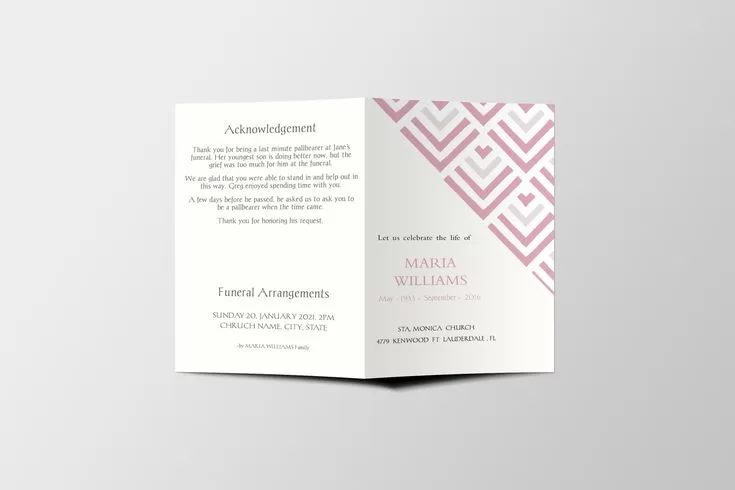
funeral program template

Comprehensive Funeral Planning: A Guide to Honoring Your Loved Ones

Example of an obituary for a mother template

Understanding the Importance of Funeral Planning

Planning a funeral can often feel overwhelming, especially during such an emotional time. However, taking the time to plan thoughtfully can provide comfort and closure for both you and your loved ones. Here are some key aspects to consider when approaching funeral planning.

Key Steps in Funeral Planning

  1. Gather Information: Collect all necessary details such as the deceased’s personal information, preferences for the service, and any specific wishes they may have expressed.
  2. Choose a Service Type: Decide on the type of service that best reflects the life and values of your loved one. This could range from a traditional funeral to a more personalized celebration of life.
  3. Budget Considerations: Establishing a budget early on can help guide your decisions. Consider all costs involved, from the venue to flowers, catering, and any memorial items.
  4. Select a Funeral Home: Research and choose a funeral home that aligns with your needs and expectations. They can provide invaluable support and guidance throughout the process.

Helpful Resources for Planning

There are numerous resources that can assist you in creating a meaningful tribute. For example, exploring poems for funeral services can offer comforting words to include in the memorial service, making it more personal and heartfelt.

Understanding the Essentials of Funeral Planning

To delve deeper into the essentials of this process, refer to our guide on understanding the essentials of funeral planning. It covers critical aspects and offers insights into making informed decisions during a difficult time.

Navigating Grief and Planning

It’s essential to remember that grieving is a natural part of the process. While planning, don’t hesitate to lean on family and friends for support. You can also find guidance in our article about navigating the journey of funeral planning with care, which emphasizes the importance of emotional well-being during this time.

Finalizing Arrangements

As you finalize arrangements, keeping an open line of communication with relatives can help everyone feel included in the process. This collaborative approach can ease tensions and foster a supportive environment.

Ultimately, the goal of funeral planning is to create a memorable tribute that honors the life of your loved one. Incorporating their personality and preferences into every aspect of the service can make it a beautiful farewell.

For more insights on the significance of thoughtful planning, check out our article on the importance of thoughtful funeral planning.

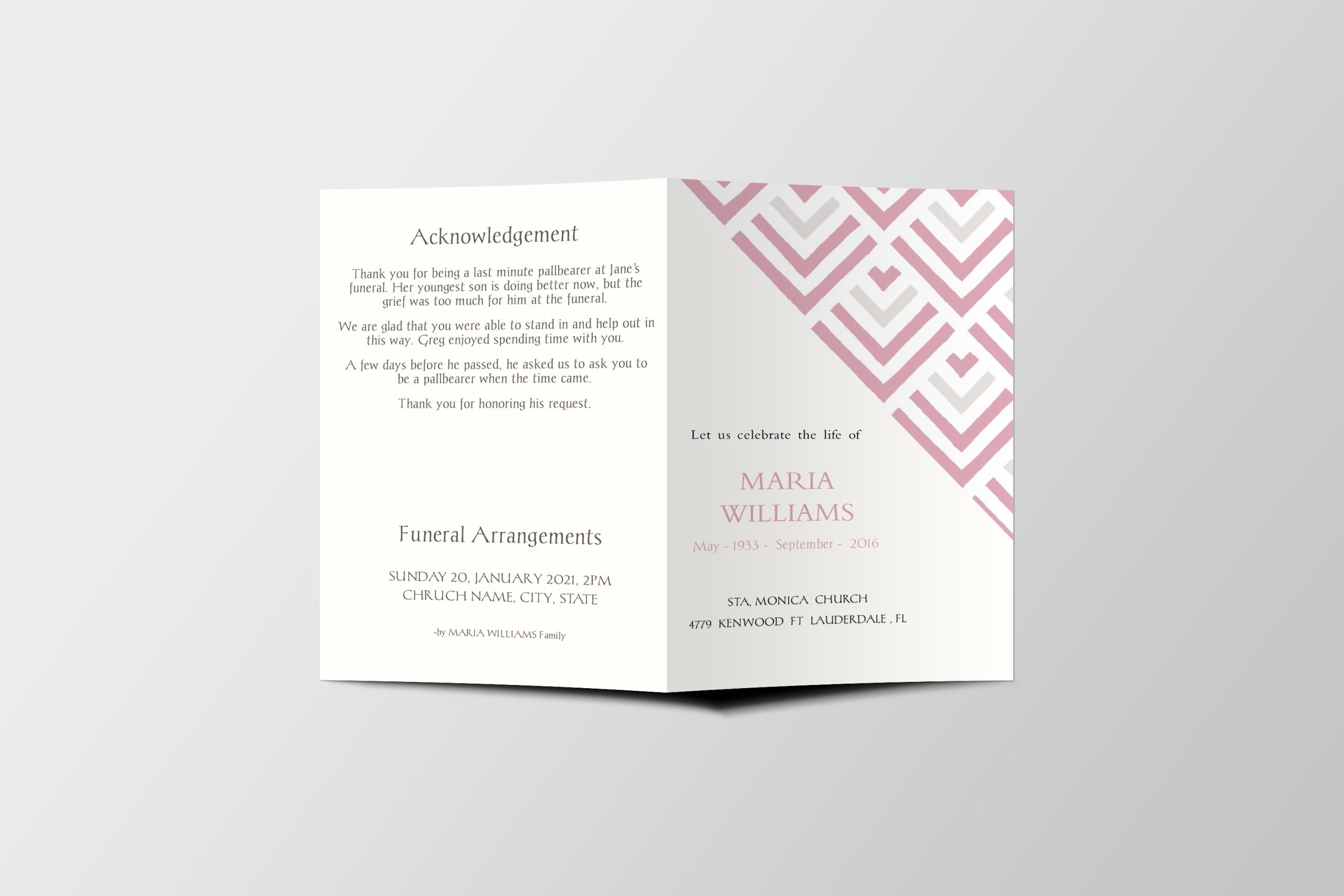
Sample Obituary Templates

Comprehensive Guide to Funeral Planning

Obituary Template

Understanding Funeral Planning

Planning a funeral can be one of the most challenging tasks faced during a time of loss. It requires sensitivity, compassion, and thoughtful consideration. This guide aims to provide you with essential insights into the funeral planning process, making it easier to navigate during a difficult time.

The Importance of Thoughtful Funeral Planning

When faced with the loss of a loved one, the process of planning a funeral can be daunting. It involves making a myriad of decisions while grappling with grief. Understanding the importance of thoughtful funeral planning can help streamline this process, ensuring you honor your loved one appropriately.

Key Steps in Funeral Planning

  • Gather Information: Collect necessary documents such as the deceased’s birth certificate, Social Security number, and any pre-arrangement details.
  • Set a Budget: Determine how much you can afford to spend on the funeral. This will guide many of your choices.
  • Choose a Funeral Home: Selecting a reputable funeral home is crucial. Consider visiting several to compare services and prices.
  • Plan the Service: Decide on the type of service that best reflects your loved one’s wishes. This may include religious or secular ceremonies.
  • Consider Personal Touches: Incorporate elements that were meaningful to the deceased, such as music, readings, or personal tributes.

Navigating the Funeral Planning Process with Compassion

It’s vital to approach funeral planning with a sense of compassion. Engaging in this process can be emotionally taxing, which is why navigating the funeral planning process with compassion is essential. Seek support from family and friends, and don’t hesitate to lean on professionals for assistance.

Understanding the Essentials of Funeral Planning

Funeral planning involves more than just logistics; it encompasses emotional and spiritual considerations. For a deeper understanding, explore our article on understanding the essentials of funeral planning.

Creating an Obituary

Writing an obituary is a significant part of the funeral process. It serves as a tribute to the deceased and informs the community about the funeral arrangements. For a helpful template, check out our obituary template, which provides a structured way to honor your loved one.

Final Thoughts on Funeral Planning

While planning a funeral is undoubtedly challenging, having a clear understanding of the process can provide clarity and peace of mind. Resources such as navigating the journey of funeral planning with care can guide you through this difficult time.

Remember, you are not alone in this journey. Many have walked this path before and found comfort in sharing their experiences and support.

sample obituary examples

Understanding the Essentials of Funeral Planning

Example of an obituary for a mother template

What is Funeral Planning?

Funeral planning involves making arrangements for a loved one’s final farewell. This process can be emotionally challenging but is essential for honoring their memory. Whether you’re planning in advance or dealing with an immediate loss, understanding the essentials can guide you through.

The Importance of Thoughtful Funeral Planning

When faced with loss, thoughtful funeral planning is crucial. It allows families to express their love and respect for the deceased. The process includes decisions about:

  • Choosing a burial or cremation
  • Selecting a venue for the service
  • Arranging for transportation
  • Deciding on memorial items such as caskets and flowers

To learn more about making these decisions, check out our article on the importance of thoughtful funeral planning.
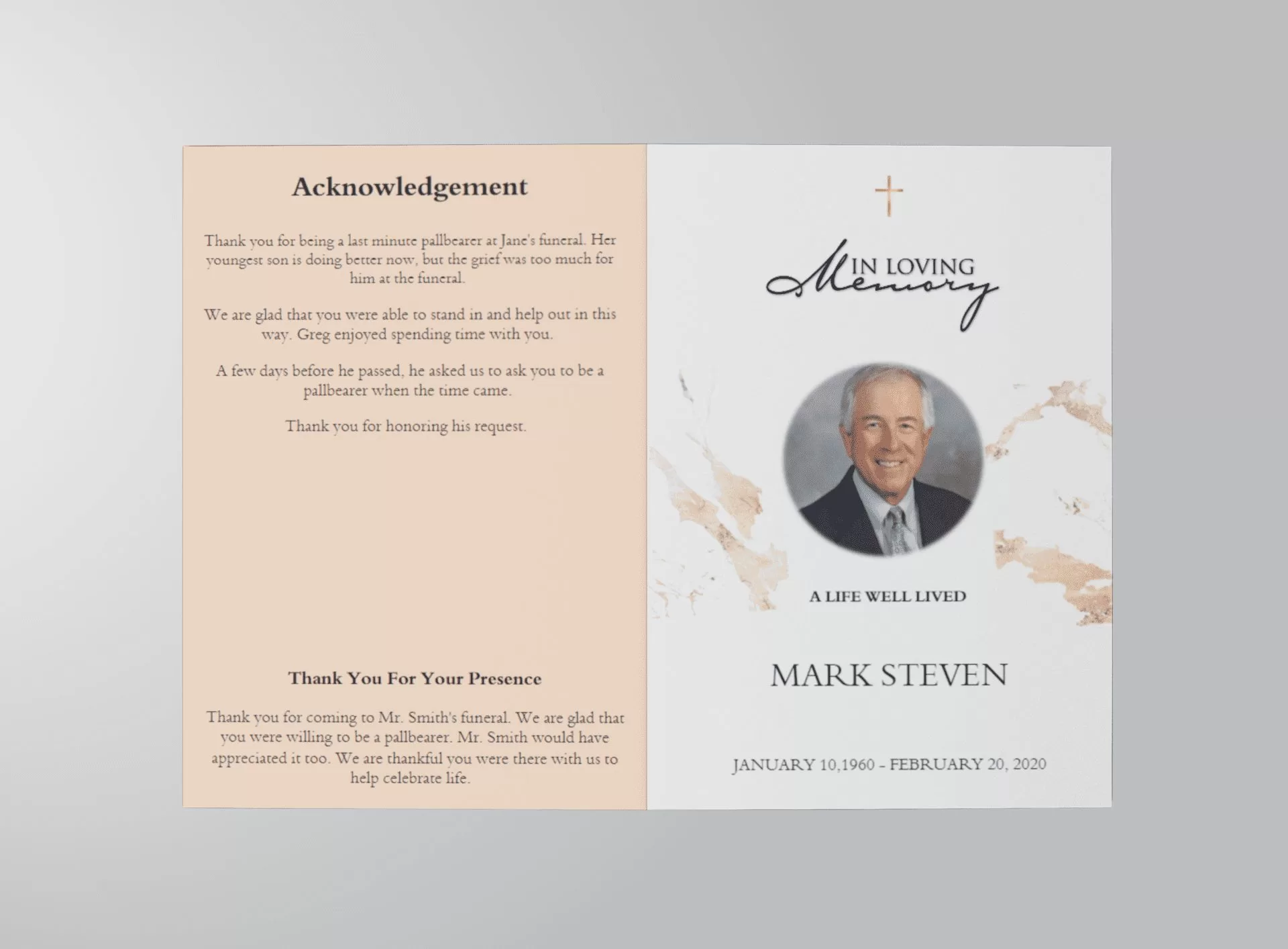
Steps to Navigate the Funeral Planning Process

Planning a funeral can feel overwhelming, but breaking it down into manageable steps can help. Here’s a straightforward guide:

  1. Gather Information: Collect necessary documents and information about your loved one.
  2. Discuss with Family: Involve family members in discussions to honor everyone’s wishes.
  3. Set a Budget: Determine how much you can spend and explore options within that budget.
  4. Choose a Provider: Research funeral homes and services available in your area.
  5. Plan the Service: Decide on the format of the service, speakers, and any special tributes.

This process is elaborated further in our post about navigating the funeral planning process with compassion.

Understanding the Essentials of Funeral Planning

Grasping the essentials of funeral planning can simplify many decisions. Key components include:

  • Choosing a type of service (traditional, memorial, or graveside)
  • Deciding on the final resting place
  • Considering personalized elements such as music and readings

For a deeper dive into the essentials, read Understanding the Essentials of Funeral Planning.

Resources and Support

Planning a funeral can be daunting, but numerous resources are available. From local support groups to online articles, these can provide valuable insights. Explore our comprehensive guide on navigating the journey of funeral planning with care to find additional support.

Lastly, don’t forget that funeral planning is not just about logistics; it’s about celebrating a life. Ensure to take time to reflect on your loved one’s unique qualities and how you wish to honor them.

How to Write a Funeral Program Obituary

Navigating the Journey of Funeral Planning with Care

Obituary Template

Understanding the Importance of Funeral Planning

When faced with the loss of a loved one, the process of planning a funeral can be daunting and emotionally taxing. Yet, it is an essential step in honoring their memory. A thoughtful approach to funeral planning can help alleviate some of the stress associated with this challenging time.

Key Elements to Consider

  • Gathering Information: Start by collecting necessary details such as birth and death dates, and any specific wishes your loved one may have had.
  • Choosing a Funeral Home: Research local funeral homes and read reviews. It’s vital to select one that aligns with your needs.
  • Deciding on the Type of Service: Whether it’s a traditional funeral, a memorial service, or a celebration of life, make decisions based on what would best honor your loved one.

Creating a Funeral Program

One of the essential components of a funeral service is the program. It serves as a guide for attendees and can be a cherished keepsake. For a straightforward approach, check out our guide on creating a simple funeral program. This resource will assist you in making a heartfelt program that reflects your loved one’s life.

Compassionate Guidance During Planning

Planning a funeral often requires navigating a complex emotional landscape. It is crucial to approach this process with compassion. Our article on navigating the funeral planning process offers valuable insights on how to manage emotions while making decisions.

Essentials of Funeral Planning

Understanding the core elements of funeral planning can empower you during this difficult time. Our guide, Understanding the Essentials of Funeral Planning, discusses key aspects ranging from legal requirements to emotional considerations.

Insights for Thoughtful Planning

Thoughtful funeral planning goes beyond logistics; it’s about creating a meaningful tribute to your loved one. Our article on essential insights into funeral planning provides a deeper understanding of how to honor their legacy.

Final Thoughts

As you embark on this journey of planning a funeral, remember to take time for yourself and lean on friends and family for support. The process might feel overwhelming, but with the right resources and compassionate guidance, you can navigate this chapter with grace and dignity.

Navigating the Funeral Planning Process with Compassion

Example of an obituary for a mother template

Understanding Funeral Planning

Planning a funeral is one of the most challenging tasks one might face during a time of loss. It’s essential to approach this process with both clarity and compassion. In this guide, we will explore key aspects of funeral planning to provide you with the insights needed to honor your loved one’s memory.

Essential Steps in Funeral Planning

When beginning to plan a funeral, consider the following essential steps:

  • Gather Information: Collect important details about your loved one, including their life story, achievements, and any specific wishes they had regarding their service.
  • Choose a Funeral Home: Selecting a reputable funeral home is crucial. Look for one that offers services that align with your needs.
  • Decide on the Type of Service: Consider whether you want a traditional funeral, a memorial service, or a celebration of life. Each option has its own format and tone.

Helpful Resources

To aid in your planning process, you can refer to various resources available online. For instance, our Understanding the Essentials of Funeral Planning article provides a detailed overview of the necessary steps.

Memorial Service Program Format

A well-organized memorial service is a poignant way to honor a loved one. Understanding the right memorial service program format can enhance the experience for attendees and reflect the deceased’s personality. Key elements often include:

  • Order of Service
  • Personal Stories
  • Music Selections
  • Speakers

The Importance of Thoughtful Funeral Planning

Planning a funeral thoughtfully is vital in helping friends and family cope with their loss. A well-planned service can provide comfort and closure. Our article on The Importance of Thoughtful Funeral Planning discusses how taking the time to plan can make a significant difference.

Creating Lasting Tributes

Incorporating personal tributes can add a meaningful touch to the funeral. Consider options such as:

  • Personalized Eulogies
  • Memory Boards
  • Photo Displays

For a comprehensive approach to tributes, check our Comprehensive Guide to Funeral Planning and Tributes.

Final Thoughts on Funeral Planning

While the process of planning a funeral can be overwhelming, having the right knowledge and resources can ease the burden. Explore our guide on Your Guide to Thoughtful Funeral Planning for more insights on how to navigate this journey with care and respect.

fall card

Understanding the Essentials of Funeral Planning

Example of an obituary for a mother

Introduction to Funeral Planning

Planning a funeral is a crucial step in honoring the memory of a loved one. It can be a daunting task, especially when emotions are high. Understanding the essentials of funeral planning can help ease the process, allowing families to focus on what truly matters—celebrating the life of the deceased.

Why Thoughtful Planning Matters

When faced with the loss of a loved one, many people find themselves overwhelmed with choices. Thoughtful funeral planning not only assists in organizing details but also provides a sense of closure. For those looking for guidance, our Your Guide to Thoughtful Funeral Planning offers valuable insights into making the process smoother.

Key Steps in the Planning Process

Here are some essential steps to consider when planning a funeral:

  • Choose a Funeral Home: Selecting the right funeral home can set the tone for the entire process. Research options in your area to find one that resonates with your values.
  • Decide on Services: Consider whether you prefer a traditional service, a memorial, or a direct burial. Each option has its own significance and can be tailored to reflect the deceased’s wishes.
  • Prepare the Obituary: Crafting an obituary is an essential part of the process. It serves to inform others of the passing and honors the individual’s life. For a helpful template, visit our Obituary Template.
  • Plan the Tribute: Personal tributes can range from music selections to video presentations. This is an opportunity to celebrate the life of the person who has passed.
  • Manage Logistics: Addressing practical details such as transportation, flowers, and guest accommodations is crucial for a seamless event.

Understanding Emotional Aspects

Funeral planning is not just about logistics; it’s also about emotions. Grieving is a personal journey, and understanding the emotional aspects can help families support each other. Our article on The Importance of Thoughtful Funeral Planning discusses ways to navigate these feelings while making decisions.

Comprehensive Resources

Many families benefit from comprehensive resources that cover all aspects of funeral planning. Our Comprehensive Guide to Funeral Planning and Tributes provides an in-depth look at how to honor your loved one while managing the details with care.

Final Thoughts and Support

While the process of planning a funeral can feel overwhelming, remember that you are not alone. Resources like Navigating the Journey of Funeral Planning can help you through this challenging time, offering you the support and information you need.

By taking the time to thoughtfully plan a funeral, you honor the life of your loved one while providing comfort to yourself and your family during a difficult time.

Sample Obituary Templates

The Importance of Thoughtful Funeral Planning

Obituary Template

Understanding Funeral Planning

Planning a funeral can be an emotional and complex task. It involves making many decisions while dealing with grief. Having a comprehensive understanding of the process can help ease the burden during such a difficult time.

Why Funeral Planning Matters

  • Clarity and Structure: Planning provides a structured approach to honoring your loved one.
  • Financial Considerations: Understanding costs helps prevent unexpected expenses.
  • Personalization: A thoughtful plan allows for meaningful tributes that reflect the deceased’s life.

Key Steps in Funeral Planning

When embarking on the journey of funeral planning, consider the following steps:

  1. Gather Important Information: Collect personal details about the deceased, including their wishes.
  2. Choose a Funeral Home: Research and select a funeral home that aligns with your needs.
  3. Decide on the Service Type: Determine if a traditional service, memorial, or celebration of life is most appropriate.
  4. Plan the Details: Consider music, readings, and speakers to personalize the service.
  5. Budgeting: Outline a budget to make informed choices throughout the process.

Helpful Resources for Funeral Planning

Several resources are available to guide you through the funeral planning process:

Considering Personal Tributes

Personal tributes can include:

  • Photo displays or slideshows
  • Memory books for guests to share their thoughts
  • Special readings or poems that resonate with the deceased’s life

By incorporating personal touches, such as favorite songs or unique stories, you can create a memorable service that honors the life lived.

Finalizing Arrangements

Once you’ve made your decisions, ensure everything is documented. Consider creating a checklist to keep track of tasks completed and those that still need attention. This can help in managing everything smoothly while allowing you to focus on spending time with family and friends.

For further insights, explore our resource on Essential Insights for Thoughtful Funeral Planning to enhance your understanding of this vital process.

fall card

Essential Insights into Funeral Planning

Obituary Template

Understanding Funeral Planning

When faced with the loss of a loved one, funeral planning can feel overwhelming. However, understanding the essentials can provide clarity during a difficult time. Effective funeral planning encompasses various decisions that honor the deceased while supporting the bereaved. Here are some key aspects to consider:

Key Elements of Funeral Planning

  • Choosing a Funeral Home: Research local funeral homes to find one that aligns with your needs and values.
  • Type of Service: Decide whether you want a traditional service, a memorial service, or a celebration of life.
  • Cremation vs. Burial: Consider the preferences of your loved one and family when making this choice.
  • Obituary Writing: Crafting an obituary is a meaningful way to honor your loved one. For a helpful template, visit our obituary template page.

Compassionate Approaches to Planning

Funeral planning requires a compassionate approach. It’s not just about logistics; it’s about honoring a life. For insights on how to navigate this process with care, check out our article on navigating funeral planning with compassion.

Supporting Family and Friends

Planning a funeral is often a collective effort. Family and friends can play integral roles in the process. Encourage open discussions about preferences and expectations. This can alleviate stress and ensure that the service reflects the wishes of the deceased. To learn more about the emotional aspects of this journey, explore our resource on navigating the journey of funeral planning.

The Role of Music in Funerals

Music can be a powerful element in funeral services, providing comfort and connection. Consider incorporating meaningful songs that resonate with the life of your loved one. For a list of suggestions, see our collection of the best gospel songs for a funeral.

Final Arrangements

Final arrangements can involve various decisions, from selecting a casket to planning the logistics of the service. It’s essential to understand your options. For a comprehensive overview, refer to our guide on understanding the essentials of funeral planning.

Additional Considerations

Here are a few more aspects to keep in mind while planning a funeral:

  • Document any specific wishes your loved one may have expressed.
  • Consider pre-planning options that allow you to make arrangements in advance.
  • Discuss budget considerations openly with family members.

Funeral planning is a significant responsibility, but with the right resources and support, you can create a meaningful tribute to your loved one.

funeral program template

Your Guide to Thoughtful Funeral Planning

Example of an obituary for a mother

Your Guide to Thoughtful Funeral Planning

Planning a funeral can feel overwhelming, especially during a time of loss. Understanding the steps involved can help ease the burden and create a meaningful tribute for your loved one. This guide aims to provide you with essential insights and practical resources to navigate this journey with grace and sensitivity.

Understanding the Importance of Funeral Planning

Funeral planning serves as a crucial step in honoring a loved one. It not only provides closure for family and friends but also allows for a personal touch that reflects the deceased’s life and wishes. When faced with this task, it is important to consider several factors:

  • Personalization: Tailoring the funeral service to celebrate the individual’s life.
  • Logistics: Managing arrangements such as location, officiant, and attendees.
  • Budgeting: Understanding costs associated with various services.

Key Considerations in Funeral Planning

When you embark on the journey of funeral planning, keep these key considerations in mind:

  1. Emotional Readiness: Ensure you have the support necessary to make thoughtful decisions.
  2. Gathering Information: Familiarize yourself with options, including burial, cremation, and memorial services.
  3. Legal Requirements: Understand the necessary documentation and permits needed for the service.

For a deeper understanding of this process, our Comprehensive Guide to Funeral Planning and Tributes is a valuable resource. It outlines each step in detail and helps you plan a service that honors your loved one’s memory.

Incorporating Religious Elements

For many, incorporating religious elements into the service is an essential way to celebrate life. This could include readings, prayers, or hymns that reflect the deceased’s faith. For those considering Christian elements, New Testament Scriptures for Funeral Services can provide meaningful passages that resonate with loved ones.

Addressing Challenges in Funeral Planning

Funeral planning can come with its own set of challenges. It’s not uncommon to feel overwhelmed. Some common hurdles include:

  • Decision fatigue due to the multitude of choices
  • Budget constraints impacting options
  • Managing family dynamics and differing opinions on arrangements

To tackle these challenges, explore our article on Navigating the Challenges of Funeral Planning. It provides insights on how to approach difficult conversations and make decisions that honor your loved one.

Practical Tips for a Meaningful Tribute

Here are a few practical tips to ensure the funeral service is both meaningful and reflective of the deceased:

  • Personal Stories: Invite family and friends to share their memories during the service.
  • Visual Displays: Create a photo slideshow or memory table that highlights significant moments in their life.
  • Unique Touches: Consider including favorite songs or hobbies in the service to personalize the experience.

For additional insights, our guide on Essential Insights for Thoughtful Funeral Planning provides further tips on creating a memorable service.

Final Thoughts on Funeral Planning

While planning a funeral can be daunting, it is also an opportunity to celebrate a life well-lived. By approaching the process with compassion and careful planning, you can create a tribute that resonates with all who attend. For more comprehensive information, our resource on Understanding Funeral Planning offers a complete overview of what to expect. Remember, you are not alone in this journey, and there are many resources available to assist you.

funeral program template

Comprehensive Guide to Funeral Planning and Tributes

Obituary Template

Understanding Funeral Planning

When faced with the loss of a loved one, the process of planning a funeral can be overwhelming. It’s essential to navigate this journey with care and understanding. The Understanding Funeral Planning: A Comprehensive Guide offers valuable insights into the necessary steps and considerations.

Key Considerations for Funeral Planning

  • Choosing the Right Service: Selecting the type of service that reflects your loved one’s wishes.
  • Location Decisions: Deciding on a venue that resonates with family and friends.
  • Budgeting: Understanding the costs involved and planning accordingly.

Memorial Cards as a Tribute

One meaningful way to honor a loved one is through memorial cards. These cards often feature heartfelt quotes that capture the essence of the individual. For inspiration, check out our collection of Final Goodbye Memorial Card Quotes for a Heartfelt Tribute.

Creating a Personal Memorial Card

  1. Choose a Quote: Select a quote that resonates with the memory of your loved one.
  2. Design Elements: Consider adding personal touches such as photographs or favorite colors.
  3. Distribution: Decide how you would like to share these cards with family and friends.

Navigating the Complexities of Funeral Planning

The journey of funeral planning involves not only logistical arrangements but also emotional support for the family. Our guide on Navigating the Complexities of Funeral Planning provides essential resources and tips to help families through this challenging time.

Key Elements to Consider

  • Communication: Engage openly with family members to honor collective wishes.
  • Documentation: Ensure all legal and financial documents are in order.
  • Cultural Considerations: Respect any cultural or religious practices that may influence the service.

Essential Insights for Families

Every family’s journey through grief is unique, and understanding the essentials can help ease the burden. Our article on Essential Insights on Funeral Planning for Families provides a compassionate perspective on the emotional aspects of funeral planning.

Support and Resources

  • Grief Counseling: Seek professional help if needed.
  • Community Support: Engage with local support groups or online forums.
  • Memorial Services: Explore options for memorial services that fit your family’s needs.

Planning Ahead: A Comprehensive Guide

Being proactive can alleviate some stress during trying times. Our Comprehensive Guide to Funeral Planning outlines steps you can take well in advance to ensure peace of mind.

Pre-Planning Benefits

  • Cost Management: Lock in prices and avoid inflation.
  • Personal Wishes: Ensure your preferences are known and honored.
  • Family Relief: Reduce the burden on family members during a difficult time.
Back to Top
Product has been added to your cart
Compare (0)