
funeral program template

Essential Guide to Funeral Planning and Memorial Services

Obituary Template

Understanding Funeral Planning

Losing a loved one is never easy, and the subsequent task of planning a funeral can often feel overwhelming. At QuickFuneral, we aim to provide guidance that can help ease this difficult process. Whether you are planning a traditional service or something more personalized, understanding the journey of funeral planning is crucial.

The Importance of Planning

Funeral planning not only honors the deceased but also provides closure for family and friends. Here are some key aspects to consider:

  • Gathering Information: Collect essential details about the deceased, including their wishes, important dates, and personal anecdotes.
  • Choosing a Service Type: Decide between a burial, cremation, or alternative service based on personal preferences and cultural practices.
  • Setting a Budget: Outline a budget that includes all aspects of the funeral service, such as the venue, casket, and transportation.

Memorial Service Bulletins

One way to add a personal touch to a memorial service is through memorial service bulletins. These bulletins serve as cherished keepsakes that provide attendees with a structured guide to the service, including order of events and personal tributes. They can help family and friends remember the deceased in a special way.

Steps in the Funeral Planning Process

Understanding the funeral planning process can significantly reduce stress. Here are some steps to consider:

  1. Initial Arrangements: Contact a funeral home to discuss initial arrangements and services available.
  2. Documentation: Prepare necessary documents, such as death certificates and any pre-arranged funeral plans.
  3. Personal Touches: Consider incorporating personal elements like music, readings, and specific rituals that reflect the deceased’s personality.

Emotional Considerations

During this time, emotions can run high. It is essential to navigate the emotional journey of funeral planning with care and thoughtfulness. Here are some tips:

  • Allow yourself to grieve and express your feelings.
  • Seek support from friends, family, or professional counselors.
  • Take breaks to avoid feeling overwhelmed.

Resources for Guidance

For those looking for detailed insights, our article on understanding the journey of funeral planning is an invaluable resource. Additionally, navigating the complexities of funeral planning can provide clarity on various options available to you.

Conclusion

Planning a funeral or memorial service is a deeply personal journey. By taking the time to understand each step and utilizing available resources, you can honor your loved one in a meaningful way.

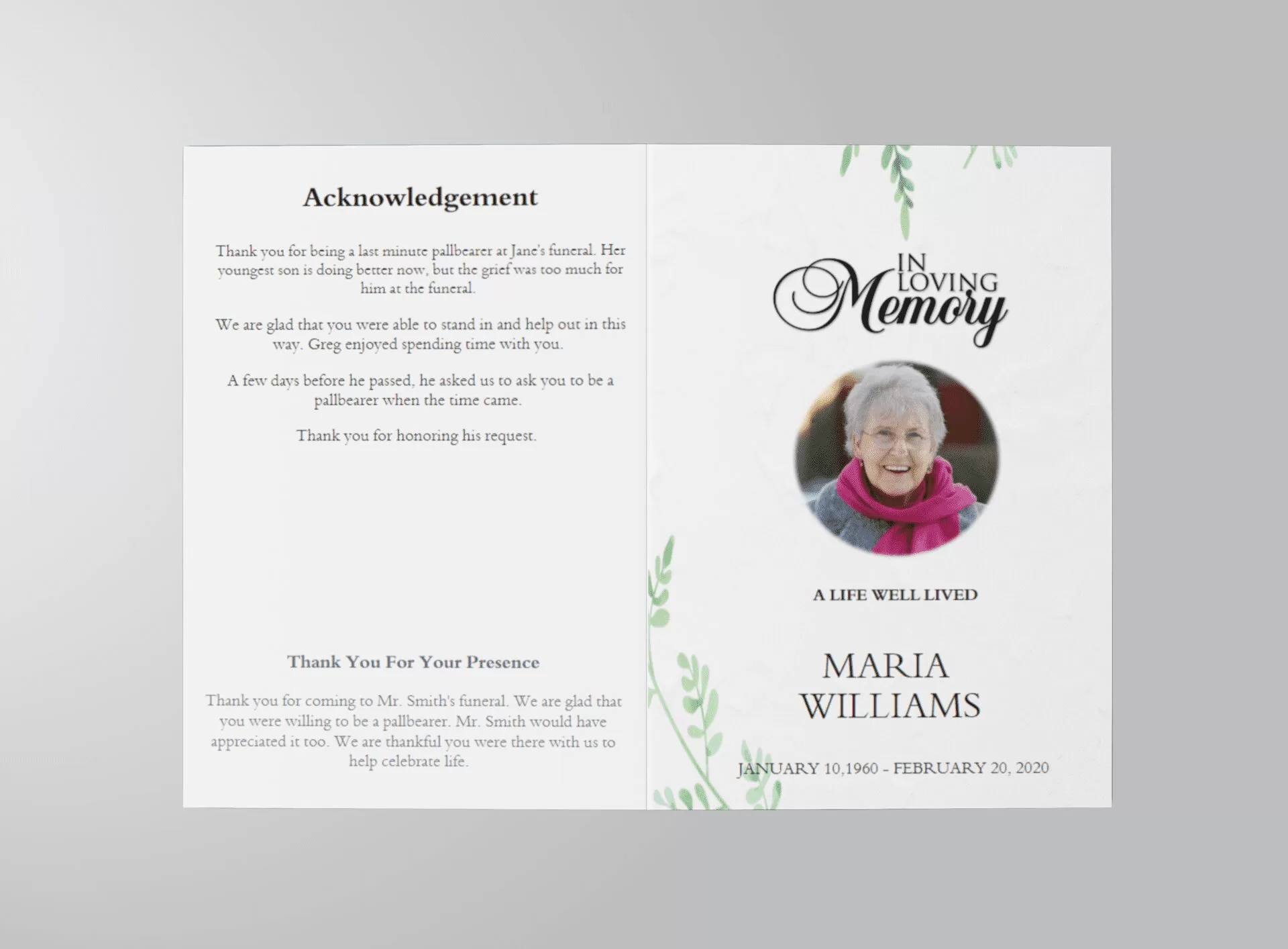
funeral program template

Understanding the Journey of Funeral Planning

Example of an obituary for a mother

Understanding the Journey of Funeral Planning

Losing a loved one is one of life’s most challenging experiences. Planning a funeral can often feel overwhelming, but it is an essential step in honoring their life. Here, we will break down the funeral planning process into manageable parts, providing insight and guidance to help you navigate this emotional journey.

Essential Insights into Funeral Planning

When faced with the loss of a loved one, it’s crucial to understand the funeral planning process. This knowledge can help alleviate some of the stress associated with planning. Here are some essential steps to consider:

  • Gather necessary information: Collect details about the deceased, including personal information, preferences, and any pre-planned arrangements.
  • Choose a funeral home: Research local funeral homes, read reviews, and consider their services before making a decision.
  • Discuss arrangements: Plan a meeting with the funeral director to discuss your loved one’s wishes and any specific requests.

Navigating the Complexities of Funeral Planning

Funeral planning involves various elements, from selecting a casket to arranging floral tributes. Each decision can feel significant. Understanding the complexities of funeral planning can make the process smoother. Here are some components you may need to address:

  • Service options: Decide whether to hold a traditional service, a memorial service, or a celebration of life.
  • Burial or cremation: Discuss options with family members to choose what aligns with your loved one’s wishes.
  • Personal touches: Consider incorporating personal elements, such as favorite songs or readings, to create a meaningful tribute.

Navigating the Emotional Journey of Funeral Planning

The emotional landscape during this time can be overwhelming. It’s crucial to acknowledge and manage these feelings. Resources are available to help you through the emotional journey of funeral planning. Here are some tips:

  • Seek support: Connect with family, friends, or support groups who can provide comfort and understanding.
  • Take breaks: Allow yourself time to grieve and step away from planning when needed.
  • Consult professionals: Don’t hesitate to reach out to counselors or funeral professionals if you need assistance.

Comforting Verses for the Deceased

Words can provide comfort during times of grief. Choosing the right verses can add a personal touch to your loved one’s service. Explore comforting verses for the deceased to honor their memory effectively. Here are a few examples:

  • “To live in hearts we leave behind is not to die.” – Thomas Campbell
  • “Grief is the price we pay for love.” – Queen Elizabeth II
  • “What we have once enjoyed we can never lose.” – Helen Keller

Understanding Funeral Planning: A Comprehensive Guide

To fully grasp the funeral planning process, consider reading our comprehensive guide. This guide provides detailed information on everything from legal considerations to personalizing the service.

Ultimately, funeral planning is about honoring a life lived while also taking care of your emotional and logistical needs. By utilizing the above resources and tips, you can approach this challenging time with greater clarity and support.

funeral program template

Navigating the Complexities of Funeral Planning

Obituary Template

Understanding Funeral Planning

When faced with the loss of a loved one, funeral planning can feel like a daunting task. It’s a significant step that requires sensitivity, organization, and compassion. In this guide, we’ll explore the various aspects of planning a funeral, ensuring you have the tools and knowledge needed during this challenging time.

Key Considerations in Funeral Planning

  • Establishing a Budget: Before you begin planning, it’s crucial to outline a budget. This will help in making informed decisions without overspending.
  • Choosing a Service Type: Consider whether you want a traditional service, a cremation, or a memorial service. Each option has its own set of considerations.
  • Selecting a Venue: The location of the service is important. Many families choose a funeral home, but others opt for a place of worship or a favorite family spot.

Emotional Support During the Process

Grieving can be an overwhelming experience, and it’s vital to seek support. Engaging with comforting bereavement scripture can provide solace and healing during these tough times. Understanding that you’re not alone in your feelings can be a great comfort.

Planning with Compassion

It’s essential to approach funeral planning with compassion. Understanding the emotional journey of the bereaved can help guide decisions. Explore our resource on navigating funeral planning with thoughtfulness and care for more insights.

Funeral Planning Steps

  1. Gather Information: Collect necessary documents and understand the wishes of your loved one.
  2. Contact a Funeral Home: Collaborate with professionals who can assist in making arrangements.
  3. Plan the Service: Decide on details such as music, speakers, and readings.
  4. Notify Family and Friends: Inform loved ones about the arrangements and provide them with details.

Further Resources

For those looking for detailed guidance on the funeral planning process, our comprehensive guide to funeral planning offers valuable insights and tips. Additionally, exploring compassionate approaches to planning can help ease the burden during this time.

Funeral planning is not just about logistics; it’s about honoring the memory of your loved one. Ensure that your decisions reflect their life and values. By approaching this process thoughtfully and with care, you can create a meaningful tribute that celebrates their legacy.

Navigating Funeral Planning with Thoughtfulness and Care

Example of an obituary for a mother template

Understanding the Emotional Journey of Funeral Planning

When faced with the loss of a loved one, the emotional landscape can feel overwhelming. The emotional journey of funeral planning is often filled with various challenges, making it crucial to approach this process with care and compassion.

The Importance of Planning Ahead

Planning a funeral involves many decisions, and it can be helpful to start with a few key considerations:

  • Understanding the Wishes of the Deceased: Knowing what your loved one wanted can guide many decisions.
  • Budgeting for the Services: Funeral expenses can add up quickly, so it’s wise to set a budget early on.
  • Choosing the Right Funeral Home: Research local funeral homes to find one that aligns with your family’s values and needs.

Resources for Comprehensive Funeral Planning

A comprehensive approach to funeral planning can ease the burden during this difficult time. Here are some resources to help:

Choosing Meaningful Tributes

Music and words can play a significant role in commemorating a loved one’s life. Consider incorporating a special song, such as ‘I’ll Be Seeing You’, which can resonate deeply with attendees and provide comfort.

Finalizing Arrangements

Once you have gathered all necessary information and resources, it’s time to finalize the arrangements. Here are some steps to consider:

  1. Confirm the date and time of the service.
  2. Choose the location, whether it be a church, funeral home, or outdoor setting.
  3. Coordinate with family members for any additional speakers or tributes.

Approaching funeral planning with thoughtfulness and care can transform a daunting task into a meaningful tribute to your loved one.

Top Free Funeral Program Templates for Every Service Style

Navigating the Emotional Journey of Funeral Planning

Example of an obituary for a mother

Understanding the Emotional Landscape

When faced with the loss of a loved one, the emotional turmoil can be overwhelming. The process of funeral planning can add to this burden. It’s crucial to approach this journey with compassion and care.

Steps in Funeral Planning

To help guide you through this difficult time, here are some essential steps to consider:

  1. Gather Information: Collect relevant documents and details about your loved one’s wishes.
  2. Select a Funeral Home: Research and choose a funeral home that aligns with your needs and values.
  3. Choose the Type of Service: Decide between a traditional service, memorial service, or other options.
  4. Plan the Details: Consider the location, speakers, music, and any special elements to honor your loved one.

Resources for Comfort and Guidance

During this challenging time, finding words that resonate can provide comfort. Our collection of Bible verses for funeral services can offer solace and strength.

Additionally, understanding the intricacies of the funeral planning process can ease some of the burdens. Our comprehensive guide provides an overview of important considerations.

Compassionate Approaches to Funeral Planning

It’s important to navigate this process with empathy. The importance of thoughtful funeral planning cannot be overstated — it honors the memory of your loved one while also considering the emotional needs of family and friends.

Final Thoughts on Planning with Purpose

Planning a funeral is not just a logistical task; it’s a way to celebrate a life and provide closure. For a thoughtful approach, consider compassionate funeral planning resources that can support you during this time.

Remember, you are not alone in this journey. Seek support from friends, family, or professionals who can help lighten the load as you honor your loved one’s legacy.

Catholic Funeral Program Example PDF (Free Editable Template)

Understanding Funeral Planning: A Comprehensive Guide

Example of an obituary for a mother

Introduction to Funeral Planning

When faced with the loss of a loved one, the process of funeral planning can feel overwhelming. It’s a significant step that helps honor their memory while allowing you to express your love and respect. This guide aims to provide you with the essential insights and resources needed for navigating this difficult time.

Why Funeral Planning is Important

  • Emotional Support: Planning a funeral can be a way to honor your loved one’s life and legacy while also providing necessary emotional support for family and friends.
  • Financial Considerations: Having a clear plan can help mitigate unexpected costs and financial stress during an already challenging time.
  • Personalization: Planning allows you to create a service that reflects the personality and wishes of the deceased, making it more memorable for everyone involved.

Key Steps in Funeral Planning

Here are some essential steps to consider when planning a funeral:

  1. Choosing a Funeral Home: Research local funeral homes and compare services. Look for one that aligns with your values and budget.
  2. Selecting a Service Type: Decide whether you want a traditional funeral service, a memorial service, or a celebration of life. Each option has its distinct features.
  3. Considerations for Burial or Cremation: Discuss the wishes of your loved one and the family regarding burial or cremation. This decision can greatly affect the type of service you plan.
  4. Gathering Necessary Documents: Ensure you have important documents such as the death certificate, insurance policies, and any pre-arranged plans.

Incorporating Meaningful Elements

To make the service truly special, consider including:

  • Personal Tributes: Encourage family members and friends to share their memories and stories.
  • Music and Readings: Choose meaningful music and readings that reflect your loved one’s life. For inspiration, check out our Comforting Bible Verses for Funeral Services.
  • Visual Displays: Create a slideshow or display photos that showcase memories of your loved one’s life.

Resources for Compassionate Planning

It’s natural to feel lost when planning a funeral, but there are plenty of resources available to assist you:

Final Thoughts on Planning a Funeral

While navigating funeral planning can be challenging, understanding the process and having the right resources can significantly ease the burden. Whether it’s through personalized services or emotional support, remember that you’re not alone in this journey. Seek help when needed and allow yourself the space to grieve as you honor your loved one.

Top Free Funeral Program Templates for Every Service Style

Navigating Funeral Planning with Compassion and Care

Example of an obituary for a mother template

Understanding the Importance of Funeral Planning

When faced with the loss of a loved one, the responsibility of funeral planning can become a daunting task. It is essential to approach this process with compassion and sensitivity, ensuring that the wishes of the deceased are honored while also considering the emotional needs of family members.

Key Elements of Funeral Planning

  • Choosing the Right Service: Decide whether to have a traditional burial or a cremation service. Each option has its own set of considerations that may impact your decisions.
  • Setting a Budget: Funeral costs can vary significantly. Establishing a budget early on can help guide the decisions about services and products.
  • Personalizing the Service: Incorporate elements that reflect the personality and values of the deceased, whether through special music, readings, or memory displays.

Helpful Resources for Planning

For those who may need assistance with crafting a heartfelt tribute, consider using our Printable Eulogy Template for Mother. This template can guide you in creating a meaningful eulogy that captures the essence of your loved one.

Comprehensive Guides

To navigate the complexities of funeral arrangements, explore our informative articles:

Practical Tips for Families

In the midst of grief, here are some practical tips to help families cope with the funeral planning process:

  1. Communicate Openly: Share your thoughts and feelings with family members to ensure everyone’s needs are considered.
  2. Seek Support: Don’t hesitate to reach out for help from friends, family, or professionals who specialize in grief counseling.
  3. Take Your Time: If possible, allow yourself time to make decisions. Rushing can lead to choices you might regret later.

Final Thoughts

Remember, funeral planning is not just about logistics; it is also an opportunity to celebrate a life well-lived. Embrace the process with love and care, ensuring that the memory of your loved one shines through every detail.

sample obituary examples

A Guide to Compassionate Funeral Planning

Example of an obituary for a mother template

Understanding Funeral Planning

When faced with the loss of a loved one, the process of funeral planning can feel overwhelming. It is a crucial step that not only honors the deceased but also provides a framework for family and friends to come together in remembrance.

The Importance of Thoughtful Planning

Thoughtful funeral planning can ease the emotional burden on grieving families. Here are some key elements to consider:

  • Choosing the Right Service: Decide between burial, cremation, or alternative options. Each choice carries its own emotional and financial implications.
  • Setting a Budget: Having a clear budget helps guide decisions. Explore various options to find services that meet your needs without unnecessary expenses.
  • Gathering Documentation: Ensure you have all necessary documents, including the death certificate and any pre-arrangements made.

Navigating Emotional Challenges

Grieving is a complex process, and planning a funeral adds to the emotional landscape. To navigate this journey, consider the following:

  • Lean on Support: Don’t hesitate to reach out to family, friends, or professionals who can assist you.
  • Take Breaks: Allow yourself time to grieve and reflect. It’s okay to step back from planning when needed.
  • Celebrate Life: Focus on meaningful ways to honor your loved one’s life through personalized services.

Resources for Effective Planning

To help you during this challenging time, we offer several resources:

Final Thoughts on Funeral Planning

While the process of planning a funeral can be daunting, having the right information and support can make it more manageable. Remember that this is a personal journey and should reflect the wishes and values of your loved one.

A Comprehensive Guide to Funeral Planning

Example of an obituary for a mother

Understanding the Importance of Funeral Planning

When faced with the loss of a loved one, the journey of funeral planning can be overwhelming. It’s a crucial step that not only honors their memory but also provides a sense of closure for the grieving family. Here’s a detailed guide to help you navigate this emotional landscape with care and compassion.

Key Steps in Funeral Planning

  1. Assess the Needs and Wishes: Speak with family members to understand the deceased’s wishes regarding their final arrangements.
  2. Select a Funeral Home: Research and choose a funeral home that aligns with your needs and budget. Consider reading reviews and asking for recommendations.
  3. Choose the Type of Service: Decide whether to have a traditional service, memorial service, or a celebration of life.
  4. Prepare the Necessary Documents: Gather essential documents such as the death certificate and any pre-arrangements made by the deceased.
  5. Consider Personal Touches: Incorporate elements that reflect the personality and life of the deceased, such as photo displays or favorite music.

Emotional Considerations

Planning a funeral can be emotionally taxing. It’s essential to acknowledge your feelings and seek support. Navigating the emotional landscape of funeral planning can help you understand the complexities of grief and the importance of self-care during this time.

Incorporating Meaningful Tributes

Honoring your loved one’s legacy can be done through various tributes:

  • Personalized Obituaries: Craft a meaningful obituary that reflects their life. You can find an obituary template to help guide you.
  • Memory Tables: Set up a table with photos and memorabilia that celebrate their life.
  • Special Readings: Consider including comforting Bible verses during the service to bring solace to attendees.

Funeral Costs and Budgeting

Understanding the potential costs involved in funeral planning is crucial. Here are some common expenses to consider:

  • Funeral home fees
  • Caskets or urns
  • Burial or cremation costs
  • Obituary notices
  • Memorial service expenses

Creating a budget can help manage these costs effectively. For further details, check our guide on understanding the essentials of funeral planning.

Final Thoughts

While the task of planning a funeral can feel daunting, taking it step by step can ease the burden. Remember that support is available, and you don’t have to navigate this journey alone. Whether you’re looking for compassionate advice or detailed planning resources, QuickFuneral is here to help you through this challenging time.

Sample Obituary Templates

The Importance of Thoughtful Funeral Planning

The Importance of Thoughtful Funeral Planning

Example of an obituary for a mother template

When faced with the loss of a loved one, the process of planning a funeral can feel overwhelming. However, understanding the essentials of funeral planning can help ease the burden during this emotional time. At QuickFuneral LLC, we aim to provide guidance that ensures a respectful and meaningful farewell.

Understanding Funeral Planning

Funeral planning involves several important decisions that honor the deceased while providing comfort to the bereaved. Here are key aspects to consider:

  • Choosing the Right Service: Whether it’s a traditional burial or a cremation service, reflect on what would have been meaningful for the loved one.
  • Setting a Budget: Establishing a budget upfront can help manage expenses and avoid financial strain.
  • Personalizing the Experience: Incorporating personal elements, such as favorite music or photographs, can create a more heartfelt service.

Emotional Aspects of Planning

The emotional landscape surrounding funeral planning can be daunting. It’s essential to navigate these feelings while making decisions. You can find valuable insights in our article on navigating the emotional landscape of funeral planning, which discusses coping strategies and the significance of honoring the deceased.

Popular Funeral Songs

Music plays a vital role in setting the tone for the service. Selecting appropriate songs can provide comfort to grieving family members and friends. For suggestions, check out our list of popular Christian funeral songs, which can add a meaningful touch to the ceremony.

Comprehensive Planning Resources

To ensure all aspects of the funeral are thoughtfully addressed, consider utilizing a funeral planning guide. Our resource on understanding the essentials of funeral planning offers a comprehensive overview of the elements involved in creating a respectful farewell.

Compassionate Support

Funeral planning should be approached with care and compassion. Explore our guide on navigating funeral planning with care and compassion to find strategies for handling the various emotions that arise when making arrangements.

Conclusion

By taking the time to understand the essentials of funeral planning, you can create a meaningful experience that honors your loved one. Remember, you are not alone in this journey, and resources are available to support you every step of the way.

Back to Top
Product has been added to your cart
Compare (0)