How to Sign Thank You Notes for a Funeral

The loss of a loved one is never easy, and navigating the aftermath can be overwhelming. One way to express your gratitude for the support you receive during this difficult time is through thank-you notes for funeral services. But, how do you express your appreciation to those who attended the service or supported your family in such a time of grief? Let’s explore how to sign these notes and some guidelines for writing them.

How to Sign Thank You Notes for a Funeral

Thank you notes following a funeral offer comfort to friends, family, and even those who provided services during the memorial. It can be daunting to know exactly what to say, especially during a time of mourning. The key is to make the message personal and heartfelt.

According to this guide on how to sign thank you notes for a funeral, the key is to express your heartfelt gratitude for the person’s kindness, support, or presence. Here are some tips for writing these notes:

  • Acknowledge the Support: Begin by acknowledging the specific way they helped, whether it was attending the service, providing meals, or offering emotional support.
  • Express Your Gratitude: Use phrases like “We are so grateful” or “Your kindness means so much to us.”
  • Personalize the Message: If the person did something specific, like sharing a special memory or providing a comforting gesture, mention that.
  • Sign With Sincerity: End the note by thanking them again, and remember to sign your name or your family’s name.

This is a deeply personal message, so make sure your tone reflects your true feelings. If you are uncertain about how to begin, there are many sample thank you notes for funerals that can help guide your message.

How to Write a Thank You Card for Memorial Service

A memorial service is an occasion for family and friends to celebrate the life of the deceased, but it’s also a time when people offer their support in the form of words, gifts, or acts of kindness. After such a service, sending a thank you card can show your appreciation for their attendance and the gestures of love they shared during your loss.

As discussed in this article about how to write a thank you card for a memorial service, there are several ways you can approach this card. It’s a simple but meaningful way to show your gratitude. Here are some basic guidelines:

  • Begin with Gratitude: Start with phrases like “We truly appreciate your love and support during this difficult time” or “Your presence at the memorial service was deeply appreciated.”
  • Mention Specific Gestures: If the person did something unique, like bringing a dish, sharing a memory, or making a donation in the loved one’s name, acknowledge that in your note.
  • Keep It Simple and Honest: You don’t need to write a long letter. A few meaningful sentences are enough to convey your gratitude.
  • Personalize It: If it’s a thank you note to someone who was especially close, you can add a personal message about the impact of their support.

Once again, if you’re unsure how to phrase it, you can refer to this guide on how to write thank you cards for funeral for more specific advice and examples.

Do You Send Thank You Card to Funeral Home?

Sending a thank you card to the funeral home is a common courtesy for those who provided essential services during the funeral. These establishments and their staff play a critical role in organizing the event, ensuring everything runs smoothly, and assisting grieving families. Many people wonder if it is necessary to send a thank you card to the funeral home, and the answer is yes, it’s a thoughtful gesture.

When you send a thank you note to the funeral home, you acknowledge the hard work, professionalism, and respect the staff showed while assisting you during a difficult time. It’s a kind way to show appreciation for the funeral home’s services and how they helped guide you through the entire process.

If you’re wondering more about sending thank-you cards to funeral homes, check out this article on sending thank you cards to funeral homes for additional details on how to approach this gesture.

Quotes for Sympathy Thank You Cards

Finding the right words for a sympathy thank-you card can be challenging. A quote or saying can be a comforting way to express your gratitude while honoring the memory of your loved one. Many families use quotes or verses in their thank-you cards to add a touch of sentiment. Whether it’s a simple thank you or a more elaborate message, a well-chosen quote can make your words feel even more meaningful.

There are many resources for quotes for sympathy thank you cards, where you can find comforting quotes that express your feelings. You can select a quote that resonates with you and fits your message. Some common themes for sympathy quotes include love, remembrance, and gratitude.

Verses for Funeral Thank You Cards

When sending thank-you cards for a funeral, incorporating a verse can add a deeply personal touch. Verses provide comfort and reflect the love and gratitude that people feel for those who have supported them through difficult times. Many families find solace in sharing religious or poetic verses, and these can serve as a wonderful addition to your thank-you cards.

For more inspiration, check out verses for funeral thank you cards to find a verse that feels right for your situation. Whether religious or secular, verses can express your appreciation while offering a message of peace and love.

Sending thank-you notes after a funeral or memorial service is a meaningful way to express your appreciation for the love and support you’ve received. Whether you are thanking those who attended the service, brought meals, made donations, or provided emotional support, a heartfelt note can bring comfort to both you and the recipients.

The process of writing thank-you cards is as much about healing as it is about gratitude. By expressing thanks, you allow yourself and others to remember the good moments, the kindness shown, and the love shared during such a difficult time. Make sure to take your time and personalize the message to truly reflect the gratitude you feel.
Funeral Flyers – Creating and Using Them for Funeral Service

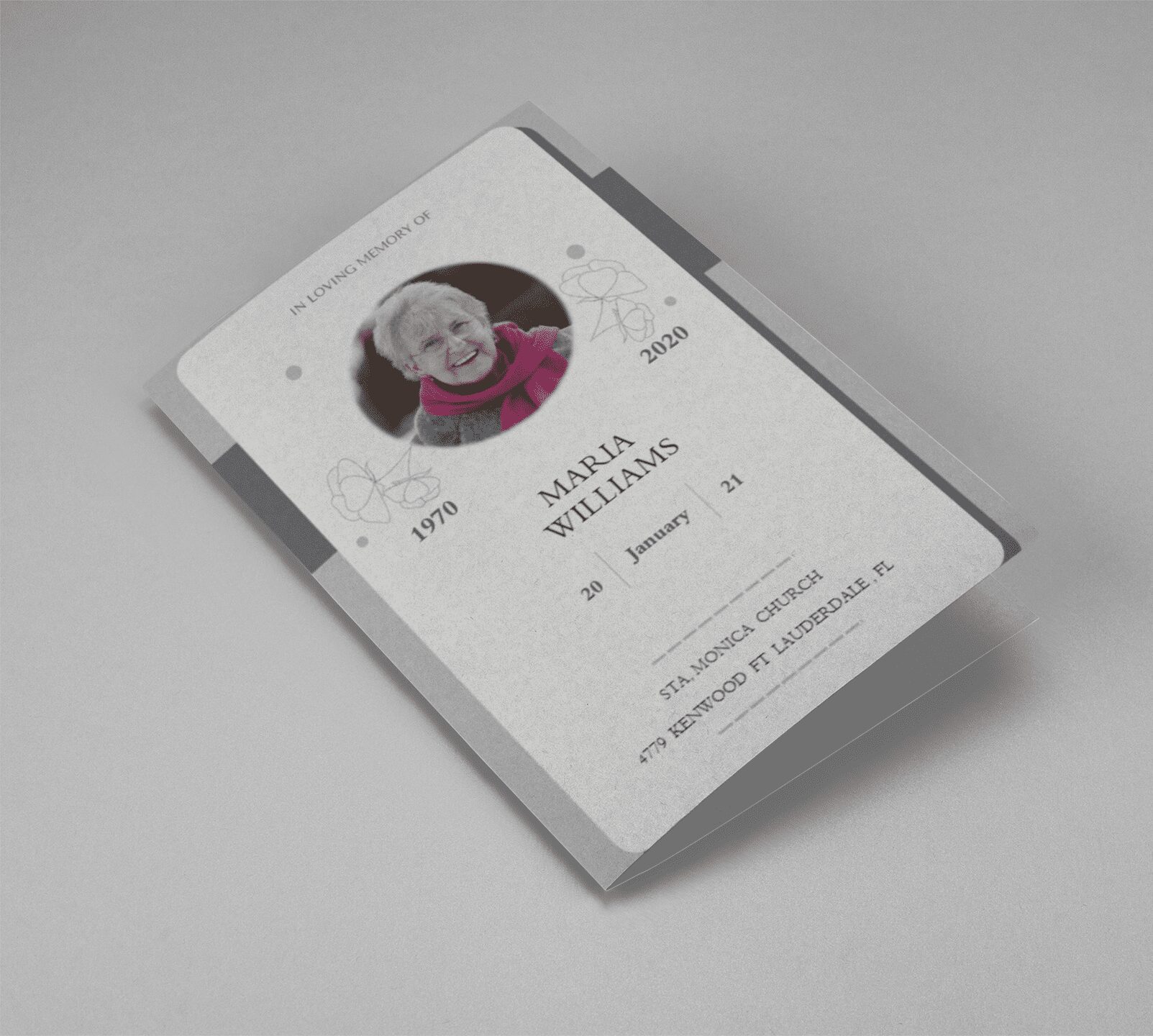
Funeral planning is a delicate process that requires thoughtful decisions to ensure that the service reflects the life and legacy of the deceased. One of the important elements in organizing a funeral is the use of funeral flyers. These flyers are used to share information about the funeral service, memorials, and even to honor the deceased. Whether you are planning a funeral or helping a loved one prepare, funeral flyers play an important role in keeping the community informed and involved.

In this guide, we’ll take you through everything you need to know about funeral flyers, how to create them, and the best practices to ensure they fulfill their purpose.

What is a Funeral Flyer?

A funeral flyer is a printed or digital handout that provides details about the funeral service, such as:

  • Time and location of the funeral
  • Date of birth and death of the deceased
  • Funeral service details (e.g., where the service will take place, information about the wake or burial)
  • Tributes or special messages to honor the deceased
  • Funeral service programs that may include Bible verses, poems, or personal anecdotes

Funeral flyers serve as a means of communication for those who are invited to the service, helping people understand the logistics of the event while allowing them to participate in the celebration of life. They can also be kept as keepsakes or displayed at memorial services.

To learn more about common questions related to funerals and the significance of funeral flyers, check out the full guide.

Why Should You Use Funeral Flyers?

Funeral flyers can be a valuable tool for anyone involved in funeral planning. Here are a few reasons why:

  1. Informing Loved Ones: A flyer is a great way to inform friends and family of the details of the funeral service, ensuring that everyone has the necessary information to attend.
  2. Personalization: Funeral flyers can be personalized to reflect the deceased’s life, passions, and legacy. This could include favorite quotes, photos, or meaningful symbols.
  3. Keepsake: Family members may keep these flyers as a memento to honor their loved one.
  4. Convenience: Flyers are easy to distribute at the service or to send out by mail or email in advance of the event.

By using funeral flyers, you create an opportunity to share important details about the funeral while also celebrating the life of the deceased.

How to Create Funeral Flyers

Creating funeral flyers is an important part of organizing a funeral, as it allows you to communicate clearly with the people who will be attending the service. You can either use a template or design your own flyer. Here’s a step-by-step guide to help you get started:

  1. Choose a Template or Design Your Own: Many funeral homes and online resources offer pre-made templates for funeral flyers. These can be a great starting point, especially if you’re short on time. Alternatively, you can design your own flyer using a word processor or design tool, incorporating personal elements like photographs or a favorite Bible verse.You can find various funeral service templates online to make the process easier.
  2. Add Essential Information: The flyer should clearly outline:
    • Full name of the deceased
    • Date, time, and location of the service
    • Burial or cremation details, if applicable
    • Special instructions (e.g., donation requests, dress code)

    Be sure to double-check all the details for accuracy before printing.

  3. Personalize the Flyer: Include a short message or tribute to honor the deceased. This could be a Bible verse, a poem, or a meaningful quote. Personalizing the flyer helps to make it unique and heartfelt.
  4. Select the Design: Choose a design that reflects the personality of the deceased. Funeral flyers can be simple or elaborate depending on the wishes of the family. Consider including:
    • A photograph of the deceased
    • Their favorite color or symbol
    • Decorative elements like flowers or doves
  5. Distribute the Flyers: Once the flyers are ready, distribute them to friends, family, and community members. Flyers can be handed out during the service or sent out in advance through email or traditional mail.

For more information on how to personalize your flyers for funeral, consult available templates and examples.

Types of Funeral Flyers

Funeral flyers come in different types, each serving a unique purpose. Some of the most common types include:

  1. Traditional Funeral Flyers: These are the most commonly used flyers that provide essential information about the service, including the date, time, and location of the event.
  2. Memorial Flyers: These flyers often include personal details about the deceased, such as their life story, accomplishments, and favorite quotes. They may also feature multiple photos to commemorate their life.
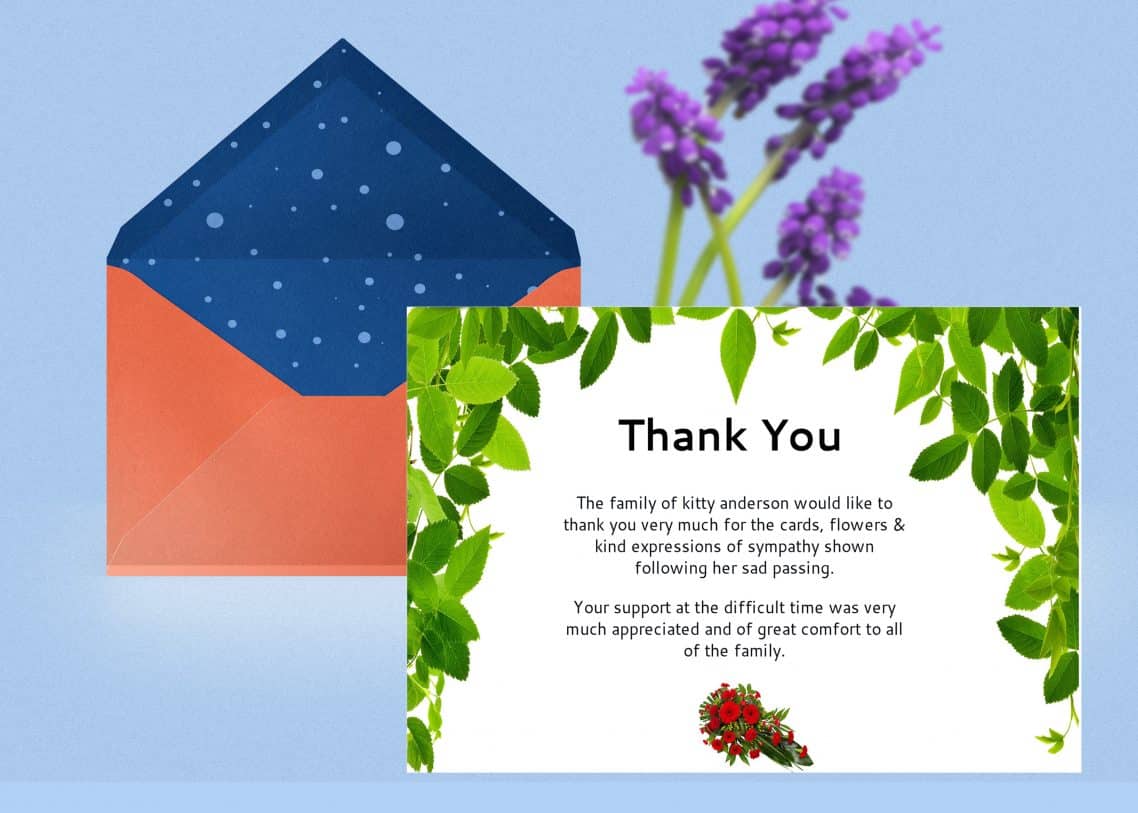
  3. Thank You Flyers: After the funeral, some families may choose to send out thank you flyers to express their appreciation for those who attended or contributed to the funeral service.

For more details on these different types of funeral flyers, be sure to check out flyers for funerals.

Memorial Service Flyers and Templates

Memorial service flyers are a great way to provide information for a celebration of life event. They often include more personal tributes than traditional funeral flyers and can serve as a memento for guests. A memorial service program template is an excellent tool for planning this type of flyer.

A memorial service flyer typically includes:

  • A photograph of the deceased
  • A life timeline
  • Information about the memorial service, including the location and schedule
  • Tributes, prayers, or songs to be shared during the service

If you’re looking for a template, there are several online resources available to help you create a memorial service flyer template.

In Memory of Auto Decals: Honoring a Loved One

In addition to funeral flyers, another meaningful way to honor a deceased loved one is through in memory of vehicle decals. These decals can be placed on a car to carry a tribute to the deceased wherever you go. Whether you’re driving around town or attending the memorial service, these decals serve as a permanent reminder of the loved one’s life.

In memory of vehicle decals are often customized with:

  • The name of the deceased
  • A special quote or Bible verse
  • A small photograph or symbol representing the person’s life or passions

These decals are a great way to keep the memory of a loved one alive, offering comfort during the grieving process.

Where to Find Funeral Service Flyers Templates

Funeral program templates and flyers can be found in several online resources. If you’re looking for a template for funeral services or a more specific template for a memorial or funeral service, you can find various free and paid options on different websites.

One resource to consider is funeral program templates, which provides several designs you can customize with the details of the deceased and the service.


Funeral flyers are an important tool in funeral planning, providing guests with the details they need while offering a personal tribute to the life of the deceased. Whether you choose a simple funeral flyer or a more elaborate memorial service flyer, these documents help to honor your loved one’s memory while keeping the community informed.

If you’re planning a funeral and need assistance creating your flyer, remember to use the helpful templates for funeral services and funeral flyer resources available online. These templates make the task easier and ensure that your flyer reflects the personality and legacy of the deceased.

Christian Funeral Verses

When a loved one passes away, it is often difficult to find the right words to express your feelings of loss, love, and hope. In times of mourning, many turn to Christian funeral verses for comfort. Bible verses provide solace and offer spiritual guidance, reminding us of the promise of eternal life and the comforting presence of God. Whether you’re preparing for a funeral or writing a memorial service program, incorporating Bible verses for a funeral can help convey the faith and hope that Christians hold dear.

Why Christian Funeral Verses Matter

Christian funeral verses are an essential part of funeral services as they:

  • Provide Comfort: Bible verses offer peace to those mourning, reminding them that their loved one is in the care of God.
  • Offer Hope: Verses such as “For God so loved the world…” provide a message of hope, showing that death is not the end, but rather a transition to eternal life.
  • Celebrate Life: Christian funeral verses help celebrate the life of the deceased by reflecting their faith and beliefs.
  • Create a Spiritual Connection: Reading scripture during the service allows attendees to connect with the departed in a spiritual sense, acknowledging God’s role in the person’s life.

For those planning a service, Christian funeral verses can be an essential tool in finding the right words.

What Bible Verses Are Good for Funerals?

Choosing the right Bible verses for a funeral service can help provide peace, comfort, and hope to those in attendance. Here are a few key Bible verses commonly used during funeral services:

  1. John 14:1-3 – “Do not let your hearts be troubled. You believe in God; believe also in me. My Father’s house has many rooms; if that were not so, would I have told you that I am going there to prepare a place for you? And if I go and prepare a place for you, I will come back and take you to be with me that you also may be where I am.”This comforting verse reminds us that God has prepared a place for us in heaven, offering solace to those mourning the loss of their loved one.
  2. Psalm 23:1-4 – “The Lord is my shepherd, I lack nothing. He makes me lie down in green pastures, he leads me beside quiet waters, he refreshes my soul. He guides me along the right paths for his name’s sake. Even though I walk through the darkest valley, I will fear no evil, for you are with me; your rod and your staff, they comfort me.”Psalm 23 is a comforting passage often read during funeral services. It reminds mourners that God will guide and protect them through even the darkest moments.
  3. 2 Corinthians 5:1 – “For we know that if the earthly tent we live in is destroyed, we have a building from God, an eternal house in heaven, not built by human hands.”This verse provides a hopeful message about the promise of eternal life, reminding us that death is not the end.
  4. Revelation 21:4 – “He will wipe every tear from their eyes. There will be no more death or mourning or crying or pain, for the old order of things has passed away.”This verse from Revelation is a powerful reminder that God will bring an end to suffering and death, offering peace to those grieving.
  5. Romans 8:38-39 – “For I am convinced that neither death nor life, neither angels nor demons, neither the present nor the future, nor any powers, neither height nor depth, nor anything else in all creation, will be able to separate us from the love of God that is in Christ Jesus our Lord.”These verses remind us that God’s love is eternal and unbreakable, offering comfort that nothing can sever our relationship with Him.

These are just a few examples of Bible verses that are commonly used in Christian funeral services. For more options and guidance, consider exploring funeral scripture.

Bible Verses for a Funeral Service

A funeral service is often filled with emotions, and selecting the right Bible verses can provide a calming and comforting atmosphere. Here are some suggestions for verses that can be used throughout the service:

  • Isaiah 40:31 – “But those who hope in the Lord will renew their strength. They will soar on wings like eagles; they will run and not grow weary, they will walk and not be faint.”
  • Matthew 5:4 – “Blessed are those who mourn, for they will be comforted.”
  • Philippians 1:21 – “For to me, to live is Christ and to die is gain.”

These Bible verses for funeral services can help comfort mourners, reminding them of God’s promises and the hope of eternal life.

Memorial Service Programme Template

A memorial service is a unique way to honor the life of the deceased. Creating a program for the service can help provide structure and guide the attendees through the ceremony. While there are many ways to design a memorial service program, most programs include:

  • The name of the deceased
  • The date and time of the funeral or memorial service
  • The order of service (e.g., opening prayer, eulogy, Bible readings)
  • Tributes from family and friends
  • A closing prayer

To create a personalized memorial service programme template, you can use memorial service program templates. These templates often come with customizable sections for hymns, scriptures, and tributes, allowing you to easily design a program that reflects the life of your loved one.

For more detailed information on what should be included in a memorial service program, refer to memorial service program templates and memorial service programs templates.

Bible Quotes for Funerals

In addition to specific funeral scripture, there are many other Bible quotes that can provide comfort to those grieving. Here are a few options:

  • 1 Thessalonians 4:13-14 – “Brothers and sisters, we do not want you to be uninformed about those who sleep in death, so that you do not grieve like the rest of mankind, who have no hope. For we believe that Jesus died and rose again, and so we believe that God will bring with Jesus those who have fallen asleep in him.”
  • John 11:25-26 – “Jesus said to her, ‘I am the resurrection and the life. The one who believes in me will live, even though they die; and whoever lives by believing in me will never die.'”

These Bible quotes for funerals can be used as part of the eulogy, included in the program, or shared during the service.

For more information on bible quotes for funerals, check out our full list of comforting scripture.

Where Can I Find Templates for a Funeral Program?

Finding the right funeral program template is essential for creating a meaningful and personalized tribute to your loved one. A good template will allow you to customize the design, fonts, colors, and layout to fit the personality of the deceased and your family’s preferences. Templates for funeral programs are available online, making it easier than ever to design a program that is both beautiful and respectful.

You can find a variety of funeral program templates and funeral program templates on websites that specialize in funeral planning. Whether you’re looking for something traditional or modern, these templates will help streamline the process.

To create a custom funeral program, consider visiting where can I find templates for a funeral program for detailed instructions.


Planning a funeral or memorial service can be an overwhelming process, but incorporating meaningful Bible verses, funeral scriptures, and personalized programs can help guide the grieving process and offer comfort. Christian funeral verses not only honor the deceased but also provide solace to the mourners, reminding them of the promise of eternal life.

As you prepare for a funeral, whether for a loved one or in memory of someone special, remember to choose Bible verses that reflect their faith, personality, and legacy. Whether you’re selecting verses, creating a funeral program, or writing a memorial service program, there are many tools available to help make the process more manageable.

How to Address Thank You Cards for a Funeral

Losing a loved one is a deeply emotional experience, and in the midst of grief, it can be overwhelming to handle all the details involved in funeral planning. However, one important tradition that shouldn’t be overlooked is sending thank you cards to those who offered their condolences, gifts, or support during this difficult time. Thank you cards express gratitude and show appreciation to friends, family, and colleagues who have supported you during the funeral process. If you’re unsure of how to go about this delicate task, we have gathered everything you need to know about how to address thank you cards for funeral.

Why Are Thank You Cards Important for Funerals?

Thank you cards serve a few essential purposes. They:

  • Express gratitude: Acknowledging the gestures of kindness from others, whether it be a floral arrangement, a donation, or emotional support, helps foster healing and appreciation.
  • Provide closure: By sending thank you cards, you offer closure to both yourself and others who have participated in your grieving journey.
  • Offer personal acknowledgment: It’s a personal way to let others know their contributions were valued, even if they might not have been explicitly acknowledged at the time.

For more on this, you can read about how to address thank you cards for funeral.

How to Address Thank You Cards for Funeral

Addressing thank you cards for a funeral is not difficult, but it requires a bit of attention to detail. It’s important to make sure that you express your appreciation in a way that aligns with the situation’s formality. Below is a guide to help you address thank you cards for funeral services:

  1. Basic Format: Address the cards with a personal salutation, using the recipient’s proper title. Use “Dear [First Name] [Last Name],” or simply “Dear [First Name]” if you know the person well. If the funeral card is addressed to a family, it should include all names.
  2. Personalizing the Thank You: If you received a donation or flowers, be sure to reference that in the card. It’s also nice to mention how their gesture helped or provided comfort during the grieving period. For example:
    • “Thank you for the beautiful flowers. They brightened our day and were a comfort to our family.”
    • “We deeply appreciate your thoughtful donation in memory of [deceased name]. It means a lot to us.”
  3. Properly Addressing a Family: If you are writing to a family who attended, you might use a collective “Dear [Family Name] Family” or “Dear [Name of the Couple] Family.” This works well when addressing larger groups of people, such as friends or church communities.

For more on this, refer to how to address thank you cards for funeral and how to address thank you cards for funeral.

When to Send Out Thank You Cards for Funeral

Knowing when to send thank you cards for a funeral is important, as it shows that you are sincere in your gratitude while also adhering to social etiquette. It’s generally considered appropriate to send thank you cards within three months of the funeral. However, if you need more time to process your emotions and keep up with the logistics, there is no strict deadline.

Here’s how you can approach sending your thank you cards:

  • Within Two Weeks: This is the ideal time frame for sending cards. If you’re able to manage the task soon after the funeral, it will allow people to feel acknowledged for their kindness.
  • Up to Three Months: If circumstances don’t allow for a quick turnaround, sending thank you cards within three months is still perfectly acceptable.
  • Extended Time: If you feel like more time is necessary, make sure you send out cards at least by the anniversary of the death, though earlier is always better.

For more guidance, refer to when to send out thank you cards for funeral, when to send out thank you cards for funeral, and when to send out thank you cards for funeral.

What to Say in Thank You Cards for Funeral

Choosing the right words for thank you cards can be challenging during such a sensitive time. You want to convey your gratitude without overburdening yourself with lengthy phrases. Here are a few examples of what to say in your thank you cards:

  • “Thank you so much for the flowers you sent in memory of [deceased name]. Your kindness meant a lot to us during this difficult time.”
  • “We are grateful for your support and the donation in honor of [deceased name]. Your generosity helped bring comfort during our mourning.”

For more tips on what to write in a funeral thank you card, check out what to say thank you card for funeral, what to say thank you card for funeral, and what to say thank you card for funeral.

Are Thank You Notes Necessary for Funeral Flowers?

It is customary to send thank you notes for funeral flowers. While it’s not mandatory, doing so is considered good etiquette. Thank you cards for funeral flowers express appreciation for the thoughtful gesture and show that you recognize the emotional comfort that flowers bring to the grieving family.

In addition to thanking for the flowers, consider personalizing your message by mentioning how the flowers brightened your day. For more details, visit are thank you notes necessary for funeral flowers, are thank you notes necessary for funeral flowers, and are thank you notes necessary for funeral flowers.

How to Write Thank You Cards for Funeral Gifts

Funeral gifts, including meals, donations, and even monetary gifts, are often sent to grieving families as a gesture of support. Writing thank you cards for these gifts is a thoughtful way to express your gratitude. The format of these cards is similar to any other thank you card, but you should specifically reference the type of gift you received.

For example, if you received a donation in honor of the deceased:

  • “We are deeply thankful for your generous donation in memory of [deceased name]. Your kindness will help us through this time of loss.”

To learn more, read how to write thank you cards for funeral gifts, how to write thank you cards for funeral gifts, and how to write thank you cards for funeral gifts.

How to Sign Thank You Notes for Funeral Flowers

When signing thank you notes for funeral flowers, it’s important to use the correct tone—expressing appreciation for the floral arrangement while keeping it personal. For a family member, you can use “Love,” “Warmly,” or “Gratefully,” followed by your name or family name. For someone who is not a close friend or relative, “Sincerely” or “Best regards” can be appropriate.

For additional details, check out how to sign thank you notes for funeral flowers, how to sign thank you notes for funeral flowers, and how to sign thank you notes for funeral flowers.

How to Write a Thank You Letter for a Funeral

Thank you letters for funerals are more formal than thank you cards and are typically reserved for those who made significant contributions or those who played key roles in the funeral process. These letters express deep appreciation and acknowledge the importance of the individual’s support.

An example might be:

  • “We sincerely thank you for your assistance in making [deceased name]’s memorial service meaningful. Your generosity and presence brought comfort to our family during this challenging time.”

To learn more, visit how to write thank you letter for funeral and how to write thank you letter for funeral.

Sending thank you cards and letters after a funeral is a heartfelt way to express gratitude for the kindness and support you received during your time of loss. Whether you’re sending cards for funeral flowers, gifts, or donations, making sure to address them properly and in a timely manner is an essential part of the grieving process. By following these guidelines, you can ensure that your gratitude is communicated effectively and with sincerity.

christian funeral program

Where Can I Find Templates for a Funeral Program?

Losing a loved one is an incredibly difficult experience, and one of the most important elements in organizing a funeral is creating a meaningful funeral program template. If you’re wondering where can I find templates for a funeral program, you’re in luck—there are numerous online resources offering free and paid funeral program templates to help guide you through this process.

A funeral program template not only helps you structure the ceremony but also allows you to personalize the service by including unique touches that represent the deceased’s life and values. Whether you’re looking for a traditional design or something more modern, these templates can save you time and stress during a difficult period.

Choosing the Right Funeral Program Template

When searching for funeral program templates, there are many options to consider. From simple layouts to more elaborate designs, you’ll find templates that can be customized to suit the tone of the service. Templates are available for various types of services, such as traditional religious services or non-denominational memorials.

For those asking, where can I find templates for a funeral program, online platforms offer a wide range of designs that cater to different tastes and preferences. You can find templates that allow you to input the ceremony details, include photos of the deceased, and personalize the text to reflect the unique qualities of the person being memorialized.

Many people ask, “What is the best format for funeral programs?” Fortunately, the answer is that it depends on your needs. Whether you want a single-page, bi-fold, or tri-fold program, templates are available to match your desired format.

Funeral Service Program Template: Structuring the Ceremony

A funeral service program template is designed to help you structure the funeral service. It can be formatted with sections that include the order of service, the names of those participating, and any special instructions. The funeral service program template ensures that guests know what to expect during the ceremony and helps organize the day in a way that is meaningful.

This template typically includes essential elements such as:

  • Order of Service: Detailing each part of the ceremony.
  • Eulogies and Tributes: Providing a place for speakers to express their thoughts and memories.
  • Scripture or Readings: Including any relevant passages or poems.

By using a funeral service program template, you can ensure that everything flows smoothly during the service, making the experience easier for both the grieving family and the attendees.

Funeral Programme Template: A Personalized Touch

If you’re looking for something more specific, you may want to explore a funeral programme template. This template can be customized to fit different cultural or personal preferences, providing additional space for stories, memories, or even photos of the deceased.

A funeral programme template can also include a section for memorial presents, allowing families to express gratitude to attendees who contribute or support the grieving process. These types of templates offer flexibility, allowing you to personalize the program and include meaningful tributes.

Memorial Presents: Thoughtful Gift Ideas for the Bereaved

In addition to a funeral program template, many people also seek memorial presents as part of their funeral arrangements. Memorial gifts are a thoughtful way to honor a loved one’s life, and they often serve as a lasting reminder of the deceased. Some common ideas for memorial presents include:

  • Engraved jewelry
  • Memorial plaques or photo frames
  • Personalized keepsake boxes

These gifts provide comfort during the mourning process and can be included in your funeral program templates as a way of thanking attendees for their support.

Funeral Scripture Passages: Spiritual Comfort for the Service

For many families, funeral scripture passages are an important part of the funeral service. These passages offer spiritual comfort and are a reminder of the peace that comes from faith. If you’re unsure which funeral scripture is appropriate, there are many well-loved passages that are commonly included in funeral programs:

  • Psalm 23: “The Lord is my Shepherd; I shall not want.”
  • John 14:1-3: “Do not let your hearts be troubled. You believe in God; believe also in me.”
  • Revelation 21:4: “He will wipe every tear from their eyes.”

You can easily incorporate funeral scripture passages into your funeral program templates to help provide comfort and peace to those in attendance.

Funeral Biblical Quotes: Words of Hope and Healing

In addition to funeral scripture passages, many families choose funeral biblical quotes as part of their service. These quotes often express themes of eternal life and the hope found in faith. Here are a few commonly used funeral biblical quotes:

  • Romans 8:38-39: “For I am convinced that neither death nor life… will be able to separate us from the love of God.”
  • Isaiah 40:31: “But those who hope in the Lord will renew their strength.”
  • Matthew 5:4: “Blessed are those who mourn, for they will be comforted.”

Including funeral biblical quotes in your funeral program templates can offer a message of hope and healing to all who attend the service.

Scriptures for Funerals: Finding the Right Words

Many families prefer to use scriptures for funerals to add a spiritual element to their service. These scriptures for funerals often include comforting passages that offer solace and peace to the grieving family. Here are a few options to consider:

  • John 11:25-26: “I am the resurrection and the life. The one who believes in me will live, even though they die.”
  • Psalm 34:18: “The Lord is close to the brokenhearted and saves those who are crushed in spirit.”
  • 2 Corinthians 1:3-4: “Praise be to the God and Father of our Lord Jesus Christ, the Father of compassion and the God of all comfort.”

By including scriptures for funerals in your funeral program templates, you help attendees find peace and healing through words that have comforted many before.

Crafting the Perfect Funeral Program

A funeral program is a meaningful way to honor a loved one’s life. By using the right funeral program template, you can easily create a program that reflects the personality and spirit of the deceased. Whether you’re looking for a funeral service program template, funeral programme template, or a funeral program template, there are many resources available online to help you design a program that is fitting for the occasion.

If you are uncertain about which funeral program templates to use, simply search online for various options. With the right guidance and a little creativity, you can create a program that serves as a lasting tribute to your loved one’s memory.

How to Address, Sign, and Write Funeral Thank You Cards

Losing a loved one is one of life’s most difficult experiences. During this emotional time, many people want to show gratitude to those who offer their support. Writing funeral thank you cards is a thoughtful way to express appreciation for the kindness and generosity extended to the family during a time of loss. In this comprehensive guide, we’ll cover the essentials of how to address funeral thank you cards, how to sign funeral thank you notes, how long to send funeral thank you cards, and much more.

How to Address Funeral Thank You Cards

Writing funeral thank you cards is a meaningful way to show appreciation for those who supported you during the mourning process. Knowing how to address funeral thank you cards properly ensures the card is respectful and appropriate. When addressing the cards, it’s essential to include the recipient’s full name or their family name. This will personalize the note and demonstrate genuine appreciation.

To dive deeper into how to address these cards effectively, check out this detailed guide on How to Address Funeral Thank You Cards.

When addressing a funeral thank you card, the main factors to consider include:

  1. Proper Titles and Formality: Address each recipient with the correct title (e.g., Mr., Mrs., Dr.) followed by their full name. If you are unsure of the recipient’s title, it’s always best to use a more formal salutation.

  2. Personalizing the Greeting: In many cases, a personal message or specific acknowledgment of the person’s help can make the thank you note more meaningful.

  3. Family Members: When addressing a family for their collective support, you can use the family name (e.g., “The Johnson Family”).

To learn more details on the correct way to address these cards, you can refer to additional helpful resources such as How to Address Funeral Thank You Cards and How to Address Funeral Thank You Cards.

How to Sign Funeral Thank You Notes

After addressing the cards, the next important aspect is learning how to sign funeral thank you notes. This can sometimes feel challenging, especially during a period of grief. The signature is the final personal touch to the card and should convey your gratitude while remaining respectful.

Tips for Signing Funeral Thank You Notes:

  1. Personalize the Signature: Always sign the thank you note with your full name, and consider including your relationship to the deceased (e.g., “With gratitude, John Smith, nephew of James Smith”).

  2. Use Appropriate Closings: Common closings for funeral thank you notes include “Sincerely,” “With heartfelt thanks,” or simply “Thank you.”

  3. Family Signatures: If multiple family members are involved, each person can sign individually or add a family name (e.g., “The Williams Family”).

Learn more about the proper way to sign these notes by reading How to Sign Funeral Thank You Notes and How to Sign Funeral Thank You Notes.

How Long to Send Funeral Thank You Cards

Timing is another critical aspect when it comes to funeral thank you cards. Ideally, these cards should be sent within a reasonable time after the funeral. While it may be difficult to think about this immediately, it’s important to acknowledge the support you received in a timely manner.

So, how long to send funeral thank you cards? The general guideline is to send them within 2-3 weeks of the funeral service. However, you can extend this time frame to a few months if necessary, especially if there were extenuating circumstances.

For more details on the time frame for sending funeral thank you cards, check out How Long to Send Funeral Thank You Cards, How Long to Send Funeral Thank You Cards, and How Long to Send Funeral Thank You Cards.

How Long to Write Funeral Thank You Notes

Writing funeral thank you notes can be time-consuming, and often, it’s something that is delayed due to the grieving process. It’s natural to feel overwhelmed, but it’s important to set aside time to do this.

Typically, how long to write funeral thank you notes will depend on the number of people you need to thank. For a manageable approach, consider writing a few notes each day. This allows you to pace yourself and prevent burnout.

To read more about when and how long it should take to write thank you notes, visit How Long to Write Funeral Thank You Notes and How Long to Write Funeral Thank You Notes.

What is the Function After a Funeral Called?

Once the funeral service has concluded, there’s often a gathering or meal that follows. This is an important time for family and friends to come together, reminisce, and offer continued support. But what is the function after a funeral called?

This gathering is commonly referred to as a reception or a wake, depending on cultural traditions. It allows attendees to share memories of the deceased and offer comfort to the grieving family.

Learn more about this tradition and its significance in the post-funeral process by visiting What is the Function After a Funeral Called and What is the Function After a Funeral Called.

What to Put in Thank You Cards for Funeral

Now, let’s talk about what to put in thank you cards for funeral. The content of your card should reflect your sincere gratitude and highlight specific acts of kindness. A well-written thank you card can bring comfort to those who supported you.

Here’s a simple outline for writing a heartfelt funeral thank you card:

  1. Acknowledge the Gift or Gesture: Whether it was attending the funeral, providing food, or sending flowers, mention the act specifically.

  2. Personalize the Note: Add a personal anecdote or mention how much the gesture meant to you.

  3. Close with Gratitude: Finish with a heartfelt “thank you” and any additional words of appreciation.

For more guidance on the right content for funeral thank you cards, read What to Put in Thank You Cards for Funeral and What to Put in Thank You Cards for Funeral.

Thank You Card for Funeral Officiant

The officiant plays a pivotal role in guiding the ceremony and offering comfort to the grieving family. When crafting a thank you card for funeral officiant, it’s important to express your gratitude for their words and guidance.

A sample message might include: “Thank you for your thoughtful and comforting words during the ceremony. Your presence was a great comfort to our family during this difficult time.”

To see more about how to address and write a thank you card for a funeral officiant, visit Thank You Card for Funeral Officiant.

Thank You Card for Funeral Pastor

A thank you card for funeral pastor serves the same purpose as a thank you card for an officiant, but with more personalized religious undertones. Thanking the pastor for their support, spiritual guidance, and prayerful services is crucial.

Consider using messages such as: “We are grateful for your prayers and the comfort you provided to our family through your message of hope and peace.”

To read more, click on Thank You Card for Funeral Pastor.

Thank You Card for Funeral Mass

If a mass was held in honor of the deceased, a thank you card for funeral mass should reflect your gratitude for the congregation’s participation and support.

A simple yet sincere message may include: “We truly appreciate the love and support shown during the funeral mass. Your presence brought peace to our hearts.”

Learn more on how to write a thank you card for the funeral mass by visiting Thank You Card for Funeral Mass.

What to Write in Thank You Card for Funeral Food

Often, people provide food during or after a funeral. Writing what to write in thank you card for funeral food can be tricky, but a simple note of appreciation will be appreciated. “Thank you for your thoughtful gesture and the delicious food you provided during this time of mourning.”

For more details, refer to What to Write in Thank You Card for Funeral Food.

Finding the Perfect Funeral Program Template

When preparing for a funeral or memorial service, one of the key aspects of honoring the deceased is creating a funeral program. A well-crafted funeral program is not only a helpful guide for attendees, but also a lasting keepsake for those in attendance. Fortunately, there are many funeral program templates available online that can be customized to suit the specific needs of the family and the service.

Where Can I Find Templates for a Funeral Program?

Finding a template for a funeral program is easier than ever, with several online resources offering ready-to-use designs. Whether you’re looking for a basic structure or something more elaborate, these templates allow you to personalize the program with photos, memories, and meaningful scriptures. Many websites offer a wide range of funeral program templates that cater to various preferences and needs.

You can choose templates based on the type of service—whether traditional, contemporary, or memorial—each template offering placeholders for the deceased’s biography, funeral service details, scriptures, and personal messages. By utilizing these templates, you save time while ensuring a professional and respectful program design.


Template for a Funeral Service Program: Tailoring to the Service

A template for a funeral service program is a pre-designed document that outlines the order of events for the service. These programs typically include sections such as the processional, eulogies, readings, songs, and closing remarks. The funeral program acts as both a guide for attendees and a remembrance for the family.

There are several ways to customize funeral service program templates, including the ability to add personal stories, poems, or favorite quotes. These customizable templates provide the flexibility you need to create a meaningful tribute while ensuring that all essential details are included in the program.


Program for a Funeral Template: A Practical Solution

In times of grief, it can be difficult to think about every detail of the funeral, but using a program for a funeral template can make the process much easier. These templates provide a clear structure, allowing you to fill in the details like the service timeline, guest speakers, and other significant moments.

Many funeral service providers offer customizable templates, allowing for the inclusion of religious readings, memorial tributes, and personal messages. A template is a convenient solution for creating a professional-looking program that effectively honors the deceased. These pre-designed formats allow you to focus on personalizing the content while saving time and effort in formatting the design.


Template of a Funeral Programme: Customizing for Cultural Needs

In various cultures and religions, a template of a funeral programme may need to adhere to specific traditions or customs. These templates often include particular religious symbols, prayers, or hymns relevant to the beliefs of the deceased. Fortunately, many online resources offer culturally diverse templates that can be tailored to suit these needs.

For example, templates for funeral service programs can be easily adjusted to include various rituals, such as prayer readings or tributes specific to a religion. Customizing the program according to cultural traditions ensures that the service is respectful and meaningful to those in attendance.


Memorial Service Program Templates: Creating a Personalized Memorial

A memorial service program template provides a framework for planning a memorial service, making it easier for family members to organize the event. These templates often include sections such as a biography of the deceased, messages of remembrance, and readings that reflect the life of the individual. Memorial services typically focus on celebrating the life of the deceased, and the program is a crucial part of this process.

Choosing the right memorial service program templates allows families to create a meaningful and personalized service. With the ability to include photos, quotes, and personalized messages, the memorial program acts as a tribute to the individual’s life and legacy.


Funeral Memorial Program Template: Honoring a Loved One

A funeral memorial program template serves as an important keepsake for both the family and friends who attend the service. It can be customized to reflect the personality and life story of the deceased, often including photographs, poems, or meaningful verses. The memorial program is not just a tool for the service, but also a memento that attendees can keep as a reminder of the deceased.

Many websites offer funeral memorial program templates that allow for easy customization. This ensures that families can create a funeral program that feels deeply personal and fitting to the memory of their loved one.


Funeral Services Program Template: Streamlining the Service

A funeral services program template helps streamline the planning of a funeral by providing an organized structure that outlines the order of events. These templates typically include sections for the opening prayers, eulogies, hymns, and closing remarks. Having a well-organized program helps ensure that the service flows smoothly and that all necessary rituals and tributes are covered.

Customizable funeral service program templates allow you to personalize the program with specific songs, readings, and other details unique to the deceased. This tailored approach helps create a service that reflects the individual’s life and legacy, while also providing a helpful guide for attendees.

Whether you are planning a traditional funeral service, a memorial, or a celebration of life, funeral program templates are a valuable tool in creating a meaningful tribute to the deceased. With customizable options for religious readings, personal messages, and photos, these templates allow you to craft a professional and heartfelt program with ease. By utilizing these templates, families can focus on honoring their loved ones while ensuring that the service runs smoothly.

In conclusion, the availability of funeral service program templates and other related resources provides comfort and convenience during a difficult time, ensuring that the memory of the deceased is celebrated appropriately.

how to write thank you cards for funeral money

How to End a Funeral Thank You Card

Expressing gratitude after a funeral can be a deeply comforting gesture for both you and those who have shown their support. A funeral thank you card is one of the most meaningful ways to convey your appreciation to those who provided assistance during a difficult time, whether it was through their presence, sympathy, gifts, or acts of kindness. While it can be difficult to find the right words, knowing how to end a funeral thank you card is crucial for leaving a lasting, heartfelt impression.

For instance, ending your thank you note with a heartfelt message such as, “Your kindness and support meant the world to us during this difficult time,” can beautifully wrap up the note, showing your deep appreciation. Additionally, you might want to use closing lines like “We are so grateful for your thoughtfulness and generosity.” This type of closing expresses sincerity and gratitude, ensuring that the message resonates.

In addition to basic expressions of thanks, you could personalize the closing with a more emotional note, such as, “We will always remember the comfort you gave us.” No matter what you choose, the closing line is your final chance to convey the warmth and depth of your appreciation.

For more ideas on how to end a funeral thank you card, check out QuickFuneral’s guide or explore Funeral Program Free’s tips.


How to Write a Funeral Thank You Card for a Plant

Receiving a plant in memory of a loved one is a thoughtful gesture that symbolizes life and growth. When writing a thank you card for a funeral plant, it’s important to acknowledge the sentiment behind the gift and express gratitude.

Start by thanking the giver for the specific plant, such as, “Thank you for the beautiful plant you sent in memory of [Name]. It has brought us much comfort during this time of sorrow.” You can also add something personal about how the plant has added a sense of peace to your home or garden.

A simple line like, “We appreciate your kindness in remembering our loved one with such a thoughtful gesture,” can end your note on a warm and appreciative note.

For more guidance, refer to this article on QuickFuneral for ideas on how to write thank you notes for funeral gifts.


How to Write a Thank You Card for Funeral Money

Funeral costs can be overwhelming, but receiving financial help can ease some of the burden. Writing a thank you card for funeral money can be challenging, as it requires you to express appreciation without sounding overly formal or impersonal.

Start by acknowledging the kindness of the gift, for example, “We are deeply grateful for your generous contribution during this difficult time. Your support has meant so much to us.” Be sure to express how the gift will help, whether it’s assisting with funeral expenses or helping with any other related costs.

You could also end with a more personal note, such as, “Your kindness has given us peace of mind during a very challenging time. Thank you for your love and generosity.”

For more examples and guidance, visit QuickFuneral.


How to Make a Thank You Card for Family

Creating a thank you card for your family after a funeral is an important way to express gratitude for their love and support. When making a family thank you card, personalize the message to reflect your family’s unique bond and the role they played during the mourning process.

Start with a heartfelt message like, “Words cannot express how grateful we are for your unwavering support during this time of loss.” Follow up with specifics, mentioning any specific acts of kindness, such as helping with funeral arrangements, cooking meals, or simply providing emotional support.

Conclude with a sentiment such as, “Your presence has brought us strength, and we are so thankful to have you in our lives.” For a more personal touch, consider adding something like, “We will forever be grateful for your love and care.”

For more detailed information on how to create a funeral thank you card for family, visit QuickFuneral or read Funeral Program Free.


Are Funeral Thank You Cards Necessary?

While not mandatory, funeral thank you cards are considered a kind and meaningful gesture of appreciation. They offer a way to express gratitude for the support you received during the funeral and mourning process. Sending thank you cards helps to acknowledge the kindness of friends, family, colleagues, and even acquaintances who may have contributed to the funeral arrangements, attended the service, or offered condolences.

It’s also an opportunity to recognize the significance of gifts, whether they were monetary contributions, flowers, or plants. Writing thank you notes serves as a reminder of the love and compassion extended to you during this challenging period.

If you’re wondering if funeral thank you cards are truly necessary, it’s important to remember that they provide closure and allow you to express your appreciation in a thoughtful way. For further details on this topic, refer to QuickFuneral’s guide.


Who Gets Funeral Thank You Notes?

Funeral thank you notes should be sent to those who have provided support during the mourning process. This includes close family members, friends, colleagues, neighbors, and anyone who has offered assistance, such as making food, helping with arrangements, or attending the service. It’s also customary to send thank you notes to individuals or groups who sent gifts, flowers, or monetary donations.

You should aim to send a thank you card to:

  • Immediate family and close relatives
  • Friends who helped with logistics or offered emotional support
  • Anyone who provided a donation or gift
  • Attendees of the funeral service, if they were close or contributed in any way

If you’re unsure who to send thank you cards to, consider those who took time to show support during the funeral or mourning period.

For more details, visit QuickFuneral.


When to Send Funeral Thank You Cards

The timing for sending funeral thank you cards is important. Ideally, you should aim to send them within 2-3 weeks following the funeral, but no later than 2-3 months. The cards should be sent promptly, yet with enough time to ensure the card feels sincere rather than rushed.

A reasonable time frame allows you to recover emotionally, gather all the necessary addresses, and prepare your messages of gratitude. You want the recipients to feel your sincerity without feeling like they were forgotten. For more specific guidance on when to send your thank you cards, read QuickFuneral’s article.


What to Say in a Funeral Thank You Card

Writing the right message in a funeral thank you card can be challenging, but the most important thing is to speak from the heart. The message should express gratitude for the support, gifts, or sympathy provided during the funeral.

Here are a few examples of what to say:

  • For attending the service: “Thank you for your presence at the funeral. Your support and comforting words helped us through a difficult time.”
  • For a donation or financial gift: “Your generous contribution was a huge help during a challenging time. We deeply appreciate your kindness.”
  • For flowers or a gift: “The flowers you sent were so beautiful and brought comfort to our family. Thank you for your thoughtfulness.”

It’s always a good idea to personalize the message by adding specific details, such as how the person or their gift helped you during this tough time. For additional inspiration, refer to QuickFuneral’s guide.

Obituary Templates and Celebrations of Life

Writing an obituary or celebrating the life of a loved one can be an emotional process. The right resources, such as templates and guides, can simplify these tasks, ensuring you honor your loved one’s memory appropriately. Below is a detailed guide covering obituary templates, eulogies, and celebrations of life.


Obituary Templates: What Is the Best Template for an Obituary?

Obituaries are an opportunity to celebrate and share the life story of your loved one. A good obituary template includes:

  • Basic information: Name, date of birth, and date of passing
  • Family details: Immediate family and close relationships
  • Life achievements: Education, career, and hobbies

Explore some of the best templates at What Is the Best Template for an Obituary?.


Templates of Obituaries: Common Questions About Funerals

Funeral-related questions often arise when creating obituaries. Some common queries include:

  • What tone should the obituary convey?
  • How do you list surviving family members?
  • Should the obituary mention memorial services?

Find detailed answers and tips at What Are Common Questions Related to Funerals?.


Sample Obituaries: Examples for Inspiration

Using sample obituaries as a reference can guide you in crafting a meaningful tribute. These examples can help you:

  • Structure your thoughts
  • Choose the right tone and language
  • Highlight key moments of your loved one’s life

Explore examples at Sample Obituaries.


Template for an Obituary

A template for an obituary provides a structured format, making it easier to include all relevant details. For example:

  1. Opening: Full name, dates, and location of passing.
  2. Biographical information: Education, career, and family.
  3. Memorial details: Service times and locations.

For customizable templates, visit Template for an Obituary.


Sample Obituary: A Complete Example

Here’s a concise example of a sample obituary:

  • “[Name] passed away peacefully on 2026. Beloved spouse of [Name], devoted parent to [children’s names], and cherished friend to many. [Name] will be remembered for their generosity, warmth, and love of [hobby]. Memorial services will be held at [location].”

For more inspiration, explore Sample Obituary.


Celebrating the Life of a Loved One

Celebrations of life offer a joyful way to remember loved ones. These gatherings focus on:

  • Sharing memories
  • Honoring achievements
  • Emphasizing their impact on others

Learn how to plan a celebration at How Do You Celebrate the Life of a Loved One?.


Celebrate a Life: Ideas for a Unique Tribute

Celebrating a life can be as unique as the individual. Ideas include:

  • Hosting a themed gathering reflecting their passions
  • Displaying a photo or memory wall
  • Incorporating music, poetry, or art they loved

Get more ideas at Celebrate a Life.


Sample of a Eulogy: How to Write a Memorable Tribute

Writing a eulogy involves capturing the essence of a loved one’s life. Key steps include:

  1. Begin with a personal anecdote.
  2. Highlight their achievements and values.
  3. Close with a heartfelt message.

Explore detailed examples at How Do You Write a Eulogy?.


Celebrate for Life: Honoring a Loved One’s Legacy

“Celebrate for life” emphasizes joy and remembrance. Activities can include:

  • Creating a scrapbook of memories
  • Planting a tree in their honor
  • Hosting a charity event in their name

Find more ideas at Celebrate for Life.


Whether you’re writing an obituary, preparing a eulogy, or planning a celebration of life, having the right resources makes the process more manageable. Use templates, examples, and creative ideas to craft meaningful tributes that honor your loved one’s memory.

Message for Funeral Thank You Card

The Ultimate Guide to Writing Funeral Thank You Cards

Expressing gratitude during a time of loss can be both a meaningful and challenging task. Funeral thank you cards provide an opportunity to acknowledge the support and kindness of friends, family, and loved ones during such a difficult period. Whether you’re unsure about what message to include, how to sign the card, or even what etiquette to follow, this guide covers all aspects of crafting thoughtful funeral thank you cards. Below, we explore key topics and provide resources for further guidance.


Message for Funeral Thank You Card

The message in a funeral thank you card should be heartfelt and convey your appreciation for the recipient’s support. It could be as simple as thanking someone for attending the service, sending flowers, or providing comforting words.

A few ideas for messages include:

  • “Your kindness and support during this difficult time mean the world to our family. Thank you for being there for us.”
  • “We deeply appreciate your thoughtful gesture and the love you have shown during our time of loss.”

Learn more about crafting meaningful messages by visiting Message for Funeral Thank You Card.


Funeral Thank You Card for Memorial Service

A funeral thank you card for a memorial service can highlight the importance of the recipient’s presence and their contribution to honoring your loved one. Acknowledge specific actions such as attending the service, sharing memories, or helping with arrangements.

Suggested wording:

  • “Thank you for joining us to celebrate [Name]’s life. Your presence and shared memories brought us comfort.”
  • “We are so grateful for your support and the special role you played in [Name]’s memorial service.”

For detailed examples, visit Funeral Thank You Card for Memorial Service.


How to Sign Funeral Thank You Cards

The way you sign a funeral thank you card can reflect the tone of your message. Whether formal or informal, the signature should convey sincerity. Common sign-offs include:

  • “With gratitude,”
  • “Sincerely,”
  • “With heartfelt thanks,”

Find more guidance at How to Sign Funeral Thank You Cards.


What to Put in a Funeral Thank You Card

Deciding what to include in a funeral thank you card can be overwhelming. Consider acknowledging the recipient’s specific act of kindness, whether it was attending the service, sending flowers, or providing support.

Examples:

  • “Thank you for the beautiful flowers you sent for [Name]’s service. They brought a sense of peace to the day.”
  • “Your support and love during this difficult time have been a source of comfort for our family.”

For a detailed guide, check What to Put in a Funeral Thank You Card.


Salutation for Funeral Thank You Card

The salutation sets the tone for your thank you card. Choose a salutation that feels appropriate based on your relationship with the recipient.

Suggestions:

  • For formal relationships: “Dear Mr. and Mrs. [Last Name]”
  • For close friends or family: “Dear [First Name]”

Learn more at Salutation for Funeral Thank You Card.


Funeral Thank You Card Quotes

Adding a meaningful quote to your thank you card can enhance its sentiment. Choose quotes that reflect gratitude, love, or remembrance.

Examples:

  • “What we once enjoyed and deeply loved we can never lose, for all that we love deeply becomes a part of us.” – Helen Keller
  • “The best and most beautiful things in the world cannot be seen or even touched – they must be felt with the heart.” – Helen Keller

For more inspirational quotes, see Funeral Thank You Card Quotes.


Funeral Thank You Card Etiquette

Understanding the etiquette for funeral thank you cards ensures you express your gratitude appropriately. Here are some tips:

  • Send cards within two to three weeks of the funeral.
  • Personalize each card to reflect the recipient’s gesture.
  • Use high-quality stationery for a polished look.

For more details, visit Funeral Thank You Card Etiquette.


Thank You Card for Funeral Gift

Acknowledging a funeral gift requires special attention. Highlight the thoughtfulness behind the gift and its significance.

Examples:

  • “Thank you for the thoughtful gift in memory of [Name]. Your kindness brought us comfort during this time.”
  • “We deeply appreciate your generous gift and the support it represents.”

Explore more examples at Thank You Card for Funeral Gift.


Funeral Thank You Cards with Photo

Including a photo of your loved one in the thank you card can make it more personal and memorable. Choose a picture that reflects their personality or a cherished moment.

For creative ideas, visit Funeral Thank You Cards with Photo.


Funeral Thank You Card Ideas

Looking for creative ideas? Personalization can go a long way. From handwritten notes to incorporating keepsakes, there are many ways to make your thank you cards unique.

Ideas include:

  • Adding a meaningful quote or scripture.
  • Including a small token, such as a bookmark with your loved one’s photo.

Find more inspiration at Funeral Thank You Card Ideas.

Writing funeral thank you cards can feel like an overwhelming task, but it’s also a meaningful way to honor the kindness and support shown during a difficult time. By following the guidance above and referencing resources like QuickFuneral, you can craft thoughtful and heartfelt messages that express your gratitude sincerely.

Back to Top
Product has been added to your cart
Compare (0)