fall card

Understanding the Funeral Process: A Complete Guide

Example of an obituary for a mother

Introduction to Funerals

Funerals play a crucial role in the grieving process, providing a space for family and friends to gather, share memories, and pay their respects. Understanding the intricacies involved can significantly ease the burden during this challenging time.

The Funeral Planning Process

Planning a funeral involves several steps, each essential to ensure that the wishes of the deceased and their family are honored. Here’s a brief outline of what to expect:

  • Choosing a Funeral Home: Research and select a reputable funeral home that meets your needs.
  • Setting a Date and Time: Coordinate with family and the funeral home to find an appropriate date.
  • Arranging the Service: Decide on the type of service – traditional, memorial, or celebration of life.
  • Choosing Burial or Cremation: This decision can impact many aspects of the service and should reflect the deceased’s wishes.
  • Handling Legal Matters: Ensure that all necessary paperwork is completed, including death certificates and permits.

For a more detailed exploration of the planning process, check out our Comprehensive Guide to Understanding the Funeral Process.

Honoring Your Loved Ones

Honoring a loved one can take many forms, and it’s essential to reflect on what would best celebrate their life. From personalized tributes to the selection of themes, every detail counts. Consider the following:

  • Personalized Eulogies: Share heartfelt stories that encapsulate their essence.
  • Memorial Displays: Create displays featuring photographs and mementos.
  • Unique Music Choices: Select meaningful songs for the service.

For more ideas on how to honor loved ones, visit our article on Navigating Funerals.

Understanding Grief

Grief is a complex emotional response to loss, and it often manifests in various ways during a funeral. It’s vital to recognize that everyone grieves differently. Here are some common emotional responses:

  • Sadness and crying
  • Anger and frustration
  • Confusion and disbelief
  • Relief, especially if the deceased was suffering

To navigate these emotions effectively, consider reading our article on Navigating the Emotional Landscape of Funerals.

The Role of Plants in Funerals

Plants symbolize life, renewal, and remembrance. Choosing the right plants can significantly enhance the atmosphere of a funeral. Here are some popular options:

  • Peace Lily: Represents peace and tranquility.
  • Chrysanthemums: Symbolize death and are often used in memorial arrangements.
  • Roses: Can convey love and admiration.

For more insights on selecting plants for a funeral, check out our guide on Choosing the Right Plants for a Funeral.

Final Thoughts

While dealing with the logistics of a funeral may seem overwhelming, understanding the process can provide clarity and peace of mind. By honoring your loved one thoughtfully and navigating your emotions, you can create a meaningful farewell that reflects their life.
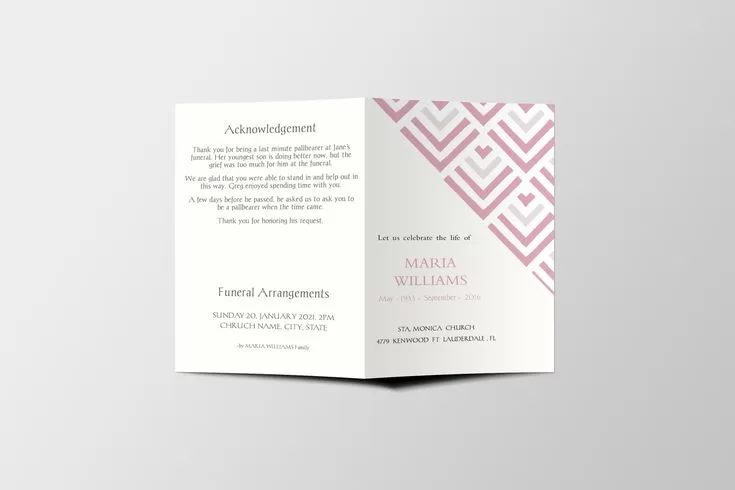
Catholic Funeral Program Example PDF (Free Editable Template)

Understanding the Funeral Process: A Comprehensive Guide

Example of an obituary for a mother template

Introduction

Planning a funeral can be a daunting task, especially when you are dealing with the emotional aftermath of losing a loved one. Understanding the various components of the funeral process can significantly ease this burden. In this guide, we will walk you through essential aspects of funeral planning, including emotional considerations, dress codes, and how to honor your loved ones appropriately.

Emotional Landscape of Funerals

Funerals serve as an important ritual in the grieving process. It’s a time for family and friends to come together and share their grief while also celebrating the life of the deceased. However, navigating the emotional landscape can be challenging. To better understand this, consider exploring our article on navigating the emotional landscape of funerals.

Understanding Dress Code

One aspect of attending a funeral that can be confusing is what to wear. Each family may have different guidelines or cultural norms regarding dress codes. For a comprehensive overview, check out our post on understanding dress codes for funeral viewings. Dressing appropriately shows respect for the deceased and their family.

Steps in the Funeral Planning Process

When it comes to planning a funeral, it’s important to understand the steps involved:

  • Gathering Information: Collect details about the deceased’s wishes, family preferences, and any necessary documents.
  • Choosing a Service Type: Decide whether it will be a traditional funeral, memorial service, or celebration of life.
  • Budgeting: Determine the financial aspects, including costs for services, caskets, and venue.
  • Personalization: Think about how to personalize the service to honor your loved one, whether through music, readings, or displays.

For a deeper understanding of the overall process, our guide on navigating funerals is an invaluable resource.

Complexities of Funerals and Memorials

Understanding the complexities involved in funeral and memorial planning can further ease this process. Many families find comfort in knowing what to expect and how to handle various decisions. Our article on navigating the complexities of funerals and memorials provides insights into these aspects.

Celebration of Life Events

In recent years, many families have opted for celebration of life events instead of traditional funerals. These events focus on celebrating the deceased’s life rather than mourning their loss. If you’re interested in how to approach this type of gathering, refer to our guide on what to wear for a celebration of life.

Final Thoughts

While the process of planning a funeral can be overwhelming, understanding the steps involved can make it more manageable. Remember that you are not alone during this time; resources like QuickFuneral are here to support you every step of the way.

fall card

Navigating the Journey of Funeral Planning

Example of an obituary for a mother

Understanding the Funeral Process

Planning a funeral can feel overwhelming, especially during such a difficult time. However, understanding the process can help ease some of that burden. Funerals serve as an important ritual, allowing family and friends to gather, grieve, and honor the life of a loved one.

Steps to Consider When Planning a Funeral

  • Choose a Funeral Home: Research local funeral homes and select one that fits your needs. Consider their services, reputation, and pricing.
  • Decide on the Type of Service: Whether it’s a traditional funeral, memorial service, or celebration of life, choose a format that reflects your loved one’s wishes.
  • Arrange for Transportation: Consider how the body will be transported to the service and burial site.
  • Select Music and Readings: Personalize the service by selecting meaningful songs and readings that resonate with your loved one’s life.
  • Plan for Personal Tributes: Allow family and friends to share their memories or create a poem in memory of the deceased.

Honoring and Remembering Your Loved One

Funerals are not just about saying goodbye; they are a celebration of life. Incorporating special elements can enhance the memorial experience.

Memorial Services: A Meaningful Alternative

For some, a memorial service may feel more appropriate. These services can take place weeks or even months after the passing, allowing more time for planning and reflection. Learn more about the importance of memorial services and how they can provide closure.

Emotional Support During Funerals

Grieving can be a complex emotional journey. It’s essential to acknowledge feelings and seek support when needed. Consider reaching out to friends or professionals who can help navigate this difficult time. Explore navigating the emotional landscape of funerals to better understand the grieving process.

Practical Considerations

In addition to emotional aspects, consider practical elements that can ease the planning process:

  • Budgeting: Determine a budget for the funeral and stick to it. This can help limit stress and make decision-making easier.
  • Documentation: Ensure that necessary documents, such as death certificates and insurance papers, are in order.
  • Guest List: Compile a list of attendees to ensure everyone can be informed and included in the memorial.

Funeral Pre-Planning

Pre-planning can alleviate the burden on loved ones. It allows individuals to express their wishes and ensures they are honored. Consider discussing pre-planning options with family or a local funeral home. Learn more about comprehensive guidance on honoring loved ones.

Emotional Expressions: Poems and Tributes

Finding the right words can be challenging. In memoriam poems can provide comfort and a beautiful way to express feelings during the service. These can be read aloud or included in printed materials.

Ultimately, planning a funeral is about honoring a life and supporting each other through the grieving process. Every detail, from the service format to personal tributes, plays a crucial role in creating a meaningful farewell.

funeral program template

Navigating Funerals: A Comprehensive Guide to Honoring Loved Ones

Example of an obituary for a mother template

Understanding the Importance of Funerals

Funerals serve a vital role in the grieving process, allowing family and friends to gather and pay their respects. They help those left behind to process their emotions and begin healing. Each funeral is unique, reflecting the personality and preferences of the deceased, as well as the cultural and religious traditions of the family.

Key Elements of a Meaningful Funeral

  • Personalized Tributes: From eulogies to music selection, personal touches can make a funeral feel more intimate.
  • Funeral Photographs: Capturing moments during the service can provide lasting memories. For insights on this, check out our guide on Creating Lasting Memories with Funeral Photographs.
  • Memorial Services: These gatherings allow friends and family to honor the deceased in a less formal setting. Learn more about their significance in our article on Understanding Memorial Services and Their Importance.

Navigating Grief and Emotions

Funerals can stir a myriad of emotions, from sadness to relief. It’s important for attendees to understand that grieving is a personal journey.

For families navigating this emotional landscape, our article on Navigating the Emotional Landscape of Funerals provides valuable insights on coping strategies during this challenging time.

Understanding Funerals and Their Significance

Understanding the various aspects of funerals helps in making informed decisions. Whether it’s choosing between burial or cremation, or selecting the right service, knowledge is key.

For a deeper understanding, refer to our comprehensive guide on Understanding Funerals: A Comprehensive Guide, which explores all facets of funeral planning.

Conclusion and Next Steps

While this guide covers the essentials, each funeral is a unique opportunity to celebrate a loved one. With careful planning and consideration, families can honor their loved ones in a way that feels right for them. Always remember, the goal is to create a supportive atmosphere where everyone can share their feelings and memories.

sample obituary examples

Navigating the Emotional Landscape of Funerals

Example of an obituary template

Navigating the Emotional Landscape of Funerals

Funerals can be a challenging time for families, as they navigate the complexities of grief while trying to honor their loved ones. An understanding of what a funeral entails can ease some of the emotional burden. In this article, we’ll explore various aspects of funerals, memorial services, and offer resources to help you along the way.

What to Expect at a Funeral

Attending a funeral can be overwhelming, especially if it’s your first time. Here are some key elements you might encounter:

  • Visitation: A time for family and friends to gather and pay their respects.
  • The Service: This may include speeches, music, and rituals to honor the deceased.
  • Burial or Cremation: Understanding the options available is essential for making informed decisions.
  • Reception: A gathering post-service where attendees can share memories and support one another.

Understanding Funerals and Honoring Loved Ones

Funerals are significant events that mark the transition of a loved one from life to remembrance. They serve as a vital part of the grieving process. To learn more about the importance of funerals, you can read our article on Understanding Funerals and Honoring Loved Ones.

Memorial Services: Honoring Memories

A memorial service is a gathering of family and friends to commemorate a loved one who has passed away. These services can be personalized in many ways and often include:

  • Personal Reflections: Sharing memories or stories about the deceased.
  • Music and Readings: Choosing meaningful songs or poems to celebrate their life.
  • Visual Displays: Showcasing photos or mementos that reflect the individual’s life.

For a deeper understanding of memorial services, check out our guide on Understanding Memorial Services and Their Importance.

Finding Comfort in Words

At times, finding the right words to console a grieving friend or family member can be difficult. Our page on Comforting Verses for Bereaved Families offers suggestions on what to say during these tough moments. These verses can provide solace and express empathy in meaningful ways.

Navigating the Complexities of Funerals

Understanding the logistics and emotional aspects of funerals can be daunting. For guidance on this subject, we encourage you to read Navigating the Complexities of Funerals and Memorials. This resource can help you make informed decisions while taking care of your emotional needs.

The Importance of Planning

Planning a funeral or memorial service can be a significant task. It often involves difficult decisions during a time of grief. Having a comprehensive understanding of the process can alleviate some stress. Our Understanding Funerals: A Comprehensive Guide provides detailed insights into what you need to know when planning a service.

By educating yourself on the various aspects of funerals and memorials, you can better support yourself and your loved ones during these emotionally charged times. Remember, you are not alone, and there are resources available to help you navigate this journey.

Navigating the Complexities of Funerals and Memorials

Example of an obituary for a mother

Navigating the Complexities of Funerals and Memorials

When facing the loss of a loved one, understanding the intricacies of funerals and memorial services can provide comfort and clarity. Each ritual serves a unique purpose in honoring the deceased while providing support to those left behind. In this post, we will explore the significance of these ceremonies and the resources available to help you during this difficult time.

Understanding Funerals

Funerals are essential events that mark a loved one’s transition from life to remembrance. They allow family and friends to gather, share their grief, and celebrate the life of the deceased. In our comprehensive guide to funerals, we delve deeper into the various types of funerals, from traditional to contemporary, and how to choose the right one for your family.

The Importance of Memorial Services

Memorial services are often held after the funeral and provide a more flexible setting for family and friends to honor the deceased. These gatherings can be tailored to reflect the personality and wishes of the departed. To understand their significance better, read our article on understanding memorial services.

Creating Lasting Memories: Obituaries

Obituaries play a crucial role in the grieving process, serving as a public announcement of a loved one’s passing, as well as a celebration of their life. They provide an opportunity to share the deceased’s story with the community. For more insights, check out our guide on the role of obituaries in grieving.

Comforting Traditions: Prayer Cards

Catholic funeral prayer cards can serve as cherished mementos for family and friends. These cards are often personalized with verses and images that reflect the loved one’s faith and spirit. Explore our collection of Catholic funeral prayer card verses to find the right words to honor your loved one.

Planning a Meaningful Service

To ensure that the funeral or memorial service reflects the wishes of the deceased and the needs of the family, careful planning is essential. Start by considering the following aspects:

  • Location: Choose a venue that holds significance for the deceased or where family can gather comfortably.
  • Officiant: Decide whether to have a religious leader or a family member officiate the service.
  • Personal Touches: Incorporate elements such as favorite songs, photographs, and memories to personalize the service.

For a compassionate approach to planning, refer to our article on understanding memorial services.

Conclusion

While we won’t wrap up this discussion with a conclusion, remember that navigating the complexities of funerals and memorial services can be challenging. Resources are available to guide you through this process, allowing you to honor your loved one appropriately.

sample obituary examples

What to Wear for a Celebration of Life – Updates & Related Resources

My website is QuickFuneral.com, Write a 700-900 word blog post that naturally weaves internal links to the provided URLs. Use varied anchor text, make it helpful and readable, avoid keyword stuffing. Keep tone professional but friendly. Include at least 4 internal links from the provided list. Also make it very user and Search Engine friendly and follow google EEAT. Do not add conclusion at the end, no sign of AI generated content. Also use this image anywhere randomly on top https://d1ihld6xxoauws.cloudfront.net/wp-content/uploads/2024/12/Example-of-an-obituary-for-a-mother-template.webp and hyper link that image to open https://beta.quickfuneral.com/obituary-template/. Try to create as much as descriptive with lists, headings etc. Do not add any external website links.

Sample Obituary Templates

Understanding Memorial Services and Their Importance

Obituary Template

What is a Memorial Service?

A memorial service is a gathering of family and friends to honor and remember a loved one who has passed away. It serves as a significant moment for those grieving to come together, share memories, and celebrate the life of the deceased. This event can be tailored to fit the personality of the person being honored, making it a deeply personal experience.

Why Memorial Services Matter

  • Emotional Closure: Memorial services provide a structured setting for mourners to express their grief and begin the healing process.
  • Support Network: Gathering with others who are experiencing similar feelings can foster a sense of community and support.
  • Honoring Memories: These services allow individuals to share stories, reflections, and memories, keeping the spirit of the deceased alive.

Planning a Meaningful Memorial Service

When planning a memorial service, consider the following elements to create a memorable event:

  • Location: Choose a venue that reflects the loved one’s personality, whether it’s a religious setting, a community center, or even your home. For ideas on hosting a more intimate gathering, check out our Memorial Service at Home Ideas.
  • Personal Touches: Incorporate photos, favorite music, and cherished items that represent the deceased’s life.
  • Speakers: Invite family and friends to share their memories or even consider crafting a heartfelt eulogy to encapsulate their life story.

Comforting Words and Traditions

During this difficult time, many find solace in comforting words, such as Bible scripture for memorial services. These verses can be a source of comfort and inspiration, helping attendees to reflect on the positive memories shared with their loved one.

Navigating Grief

Grief is a complex and personal journey. It is essential to recognize that there is no right or wrong way to grieve. For those looking to understand the emotional landscape of funerals, our guide on navigating the emotional landscape of funerals provides valuable insights into the grieving process. Additionally, our resource on navigating grief outlines comforting traditions that can aid in the healing journey.

Conclusion

Memorial services are an essential part of honoring and remembering those we have lost. Through thoughtful planning and personal touches, these gatherings can provide comfort and support to all who attend.

Sample Obituary Templates

Understanding Memorial Services: A Compassionate Guide

Example of an obituary for a mother template

What is a Memorial Service?

A memorial service is a gathering of family and friends to honor and remember a loved one who has passed away. Unlike traditional funerals, memorial services can take place at any time and often reflect the personality and wishes of the deceased.

Why Choose a Memorial Service?

  • Flexibility: Memorial services can be held in various locations, including homes, parks, or places of worship.
  • Personalization: Families can personalize the service to reflect the life and values of their loved one.
  • Community Support: A memorial service provides an opportunity for friends and family to gather and support each other during a difficult time.

Planning a Memorial Service

Planning a memorial service can be an emotionally taxing task. Here are some steps to help guide you through the process:

  1. Determine the Location: Decide whether to hold the service at home or in a more traditional venue. For ideas, see our Memorial Service at Home Ideas.
  2. Select a Date and Time: Choose a date and time that accommodates family and friends.
  3. Create a Program: Consider utilizing Memorial Service Program Templates for Families in Need to help structure the event.
  4. Invite Guests: Inform friends and family about the memorial service, possibly using social media or traditional invitations.

Unique Memorial Service Ideas

To make the memorial service truly special, consider these unique ideas:

  • Memory Sharing: Create a memory wall where guests can post their favorite memories or stories about the deceased.
  • Musical Tributes: Include songs that were meaningful to the deceased or that resonate with the family.
  • Personalized Keepsakes: Offer guests a small keepsake that reflects the personality of the loved one.
  • Interactive Elements: Encourage guests to share stories or read passages that remind them of the deceased.

Understanding the Emotional Landscape of Funerals

It’s essential to recognize that planning a memorial service can stir up a range of emotions. Understanding the role of funerals and memorial services can help navigate this challenging time. For insights on this aspect, check out our article on Navigating the Emotional Landscape of Funerals.

Crafting a Heartfelt Eulogy

One of the most significant aspects of a memorial service can be delivering a eulogy. This is a chance to honor your loved one’s life and share cherished memories. For guidance on writing a memorable eulogy, visit our guide on Crafting a Heartfelt Eulogy.

Conclusion

While the planning process may feel overwhelming, remember that a memorial service is a chance to celebrate life, share memories, and support one another in the healing journey.

Understanding Funerals and Honoring Loved Ones

Example of an obituary for a mother template

Introduction to Funerals

Funerals are significant events that mark the transition of a loved one from life to remembrance. They serve as a vital part of the grieving process, allowing family and friends to come together to celebrate the deceased’s life and offer support to one another. At QuickFuneral LLC, we understand the importance of honoring those who have passed, and we are here to guide you through this challenging time.

Types of Memorial Services

  • Traditional Funeral Services: Often held in a funeral home or place of worship, these services typically include a viewing, a ceremony, and a burial or cremation.
  • Celebration of Life: A more informal gathering that focuses on remembering the deceased in a joyful manner, often featuring stories, music, and personal tributes.
  • Memorial Services: These can take place weeks or even months after the passing and often do not include the body. They serve as an opportunity for family and friends to gather and reflect.

Creative Ways to Honor a Loved One

Honoring a loved one can take many forms. Here are a few heartfelt ideas:

  • Obituary Bookmarks: These make for a lasting tribute and can be personalized to capture special memories.
  • Memory Funeral Cards: A unique way to keep the memory alive, these cards can feature photos, quotes, or poems that reflect the loved one’s spirit.
  • Poems for Prayer Cards: Adding a personal touch with meaningful poetry can comfort attendees during the service.
  • Funeral Prayer Cards: These small but significant cards can be distributed during the service, providing a keepsake for guests.

Planning a Funeral: What to Consider

Planning a funeral can be overwhelming. Here are some essential aspects to consider:

  1. Budget: Determine how much you want to spend, as costs can vary significantly based on services and products.
  2. Location: Choose a venue that feels right for your loved one, whether it’s a church, funeral home, or outdoor setting.
  3. Personal Touches: Incorporate elements that reflect the personality and passions of the deceased, such as favorite flowers, music, or photographs.
  4. Guest List: Create a list of family and friends to invite, considering those who would want to pay their respects.

Utilizing Funeral Programs

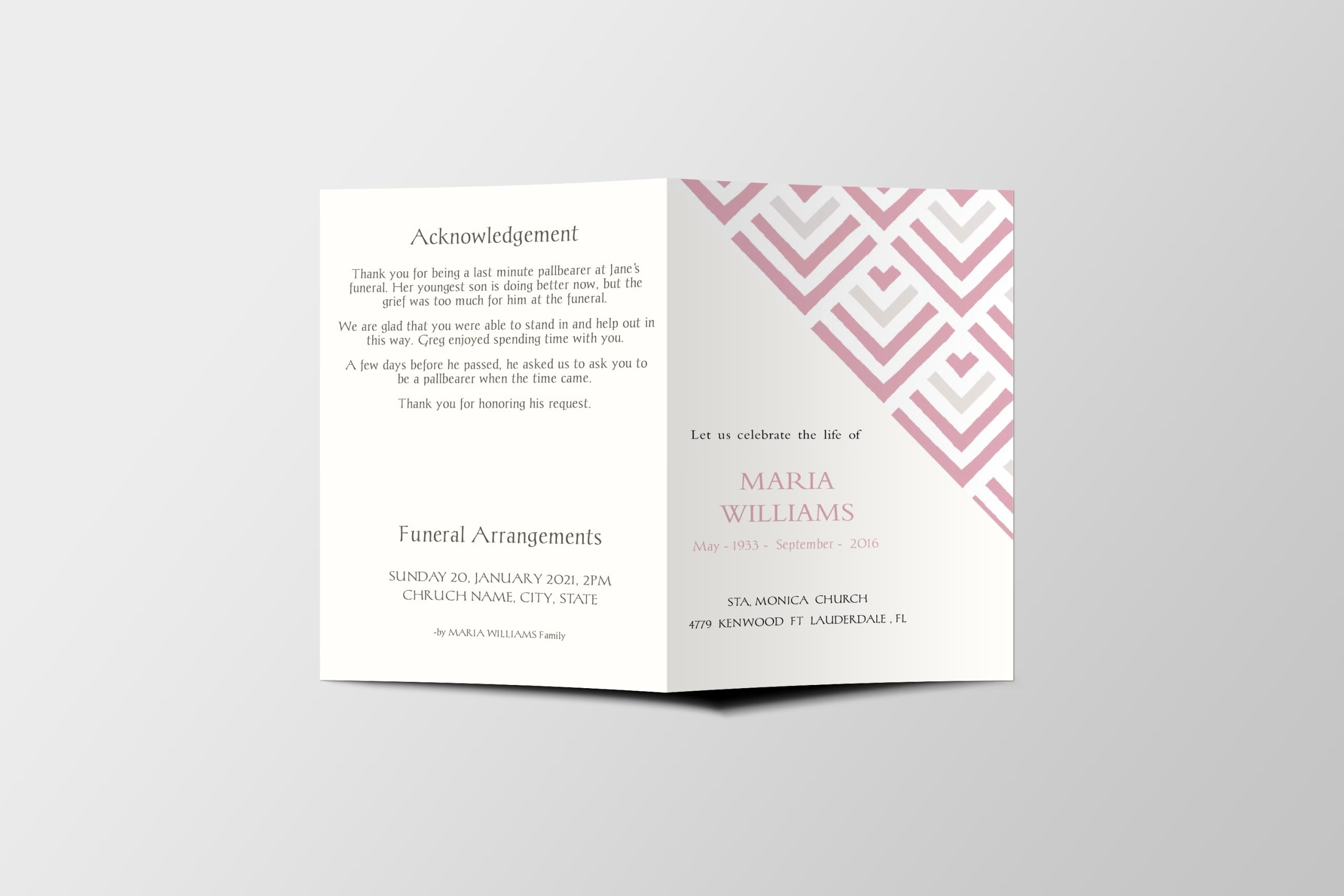
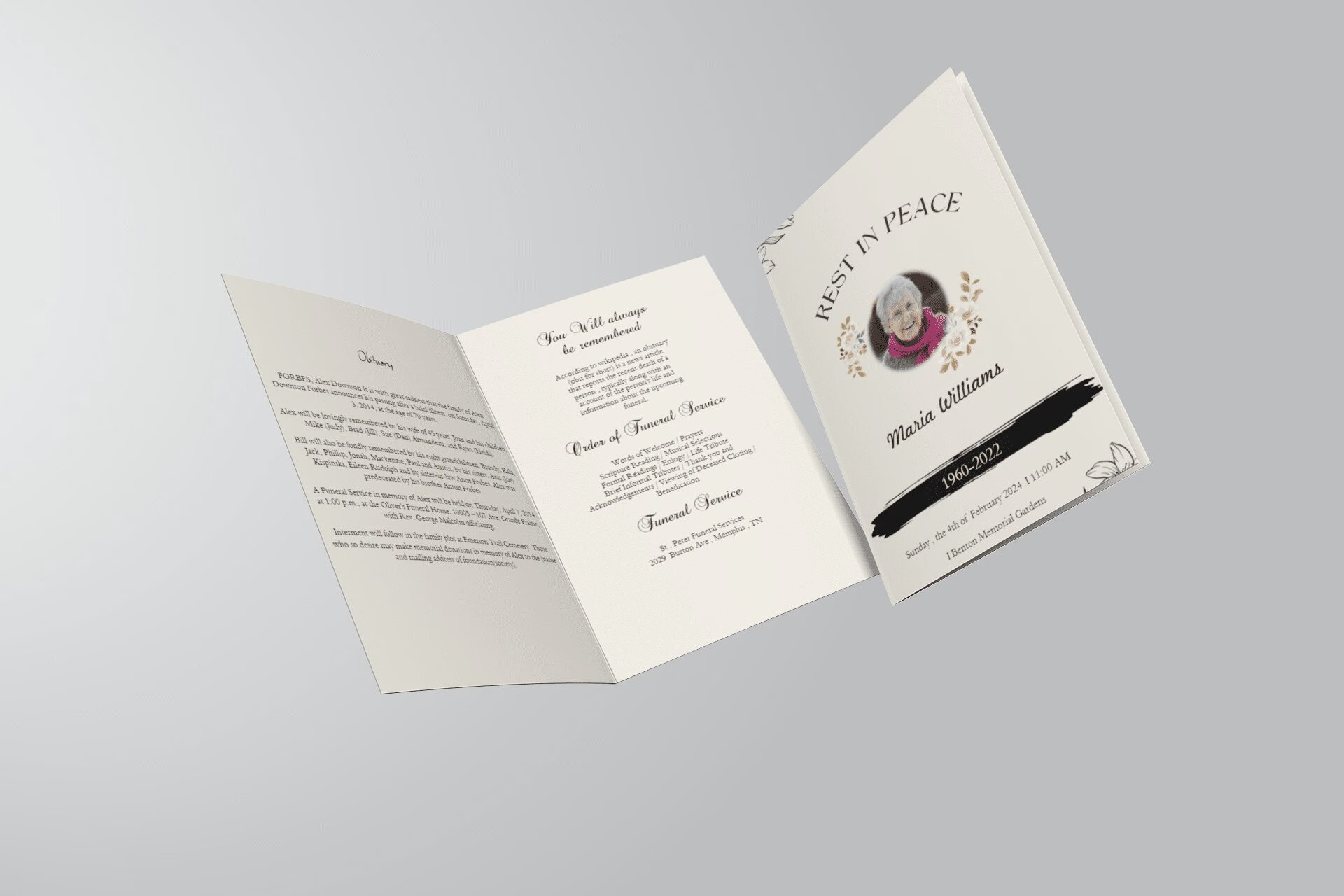
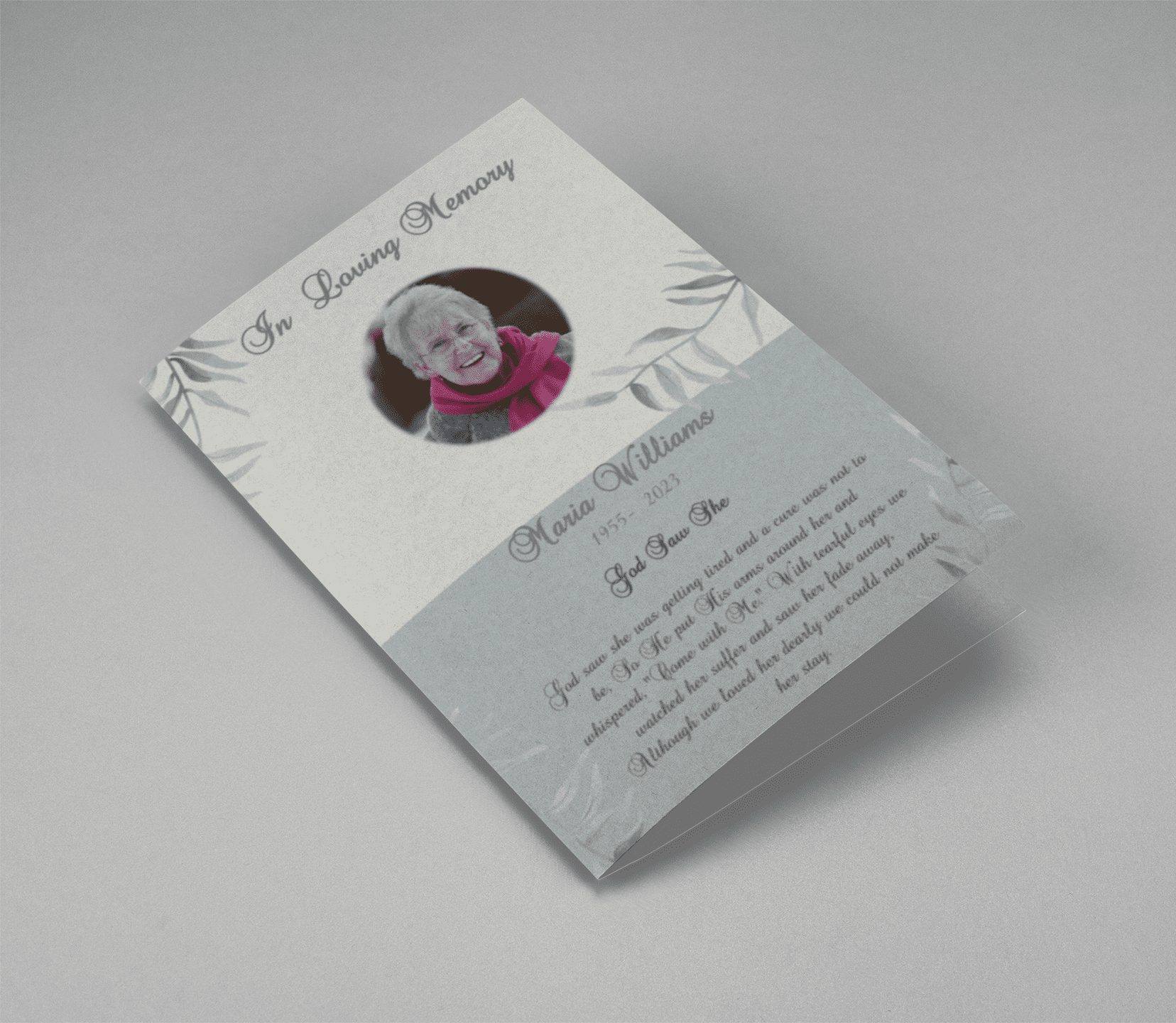
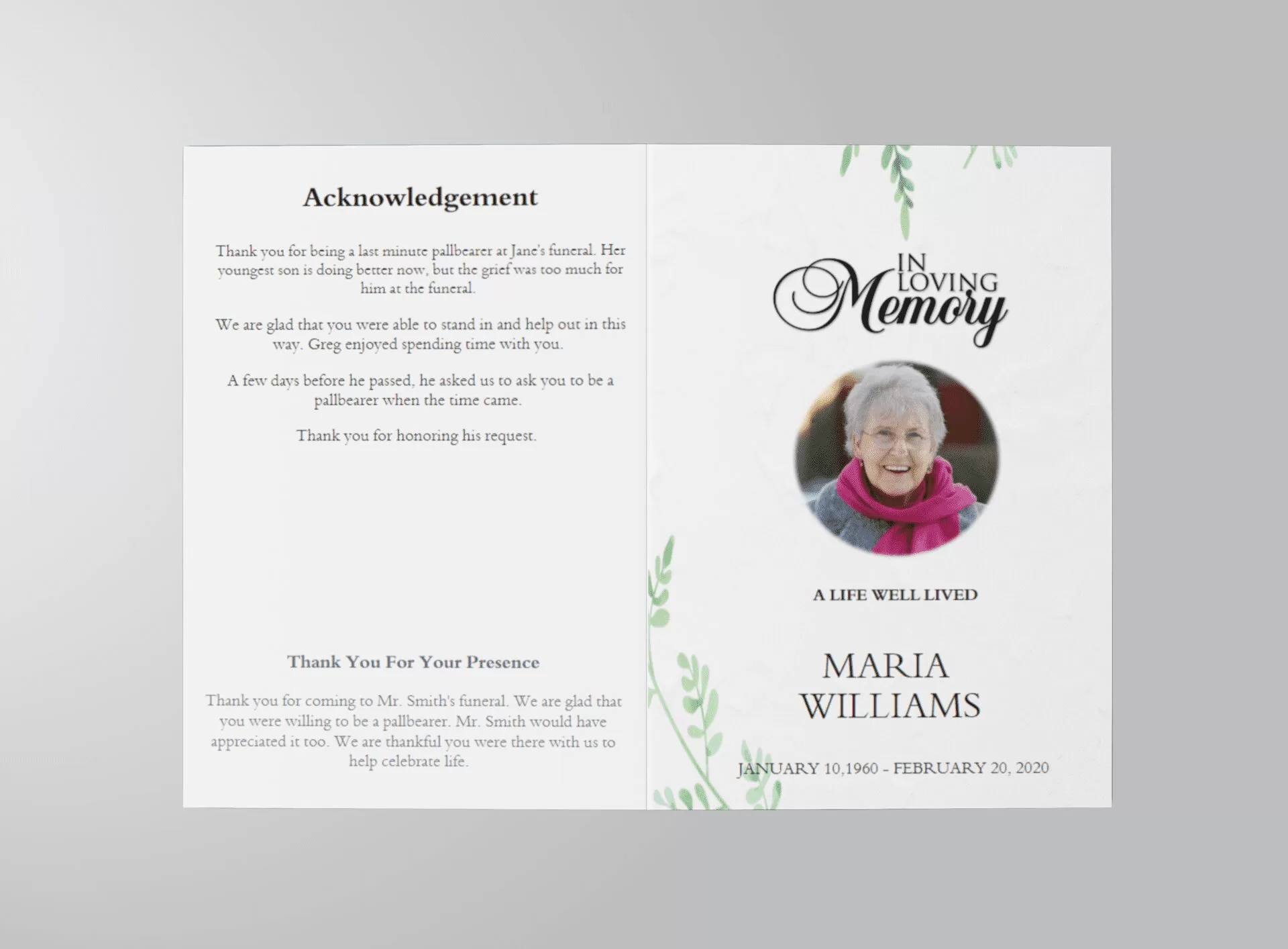
Creating a funeral program can help organize the service and provide attendees with a keepsake. Programs typically include:

  • A cover photo of the deceased
  • A brief biography
  • Order of service
  • Special messages or poems

Support Resources

During this difficult time, seeking support can be invaluable. Consider reaching out to:

  • Grief support groups
  • Counseling services
  • Your local community resources

At QuickFuneral LLC, we strive to provide compassionate guidance and resources to help you navigate this journey. If you wish to learn more about funerals, visit our Comprehensive Guide to Funerals for additional insights.

Back to Top
Product has been added to your cart
Compare (0)