Top Free Funeral Program Templates for Every Service Style

Navigating the Complexities of Funeral Planning

Obituary Template

Understanding the Funeral Planning Process

When the time comes to say goodbye to a loved one, the process of funeral planning can feel overwhelming. It’s crucial to navigate this journey with care and compassion. This guide aims to break down the essentials and provide clarity during this difficult time.

1. Why Funeral Planning is Important

  • Emotional Relief: Pre-planning can alleviate some of the stress and anxiety that comes with making decisions under emotional duress.
  • Personalization: Planning allows families to create a service that truly reflects the life and values of the deceased.
  • Financial Considerations: Understanding costs upfront can prevent unexpected expenses and financial strain.

2. Steps to Consider in Funeral Planning

Here are several key steps to guide you through the process:

  1. Gather Information: Collect details about the deceased, such as their wishes, religious preferences, and any previous funeral arrangements.
  2. Choose a Funeral Home: Selecting a compassionate and understanding funeral home is vital. You can find more on this topic in our guide on navigating funeral planning with compassion.
  3. Plan the Service: This includes deciding on the location, type of service, and any specific wishes for the ceremony. Explore our article on funeral music to enhance the atmosphere.
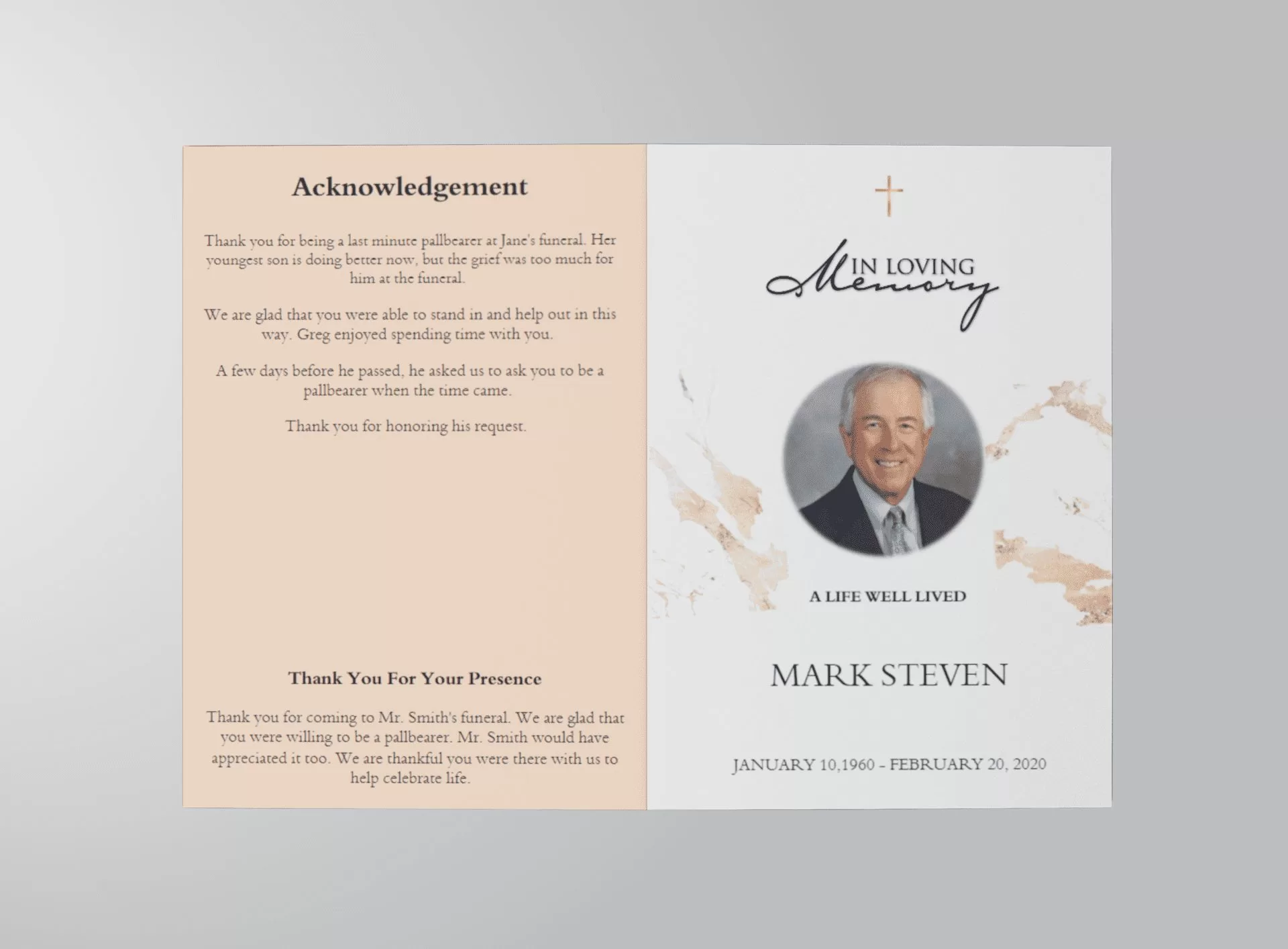
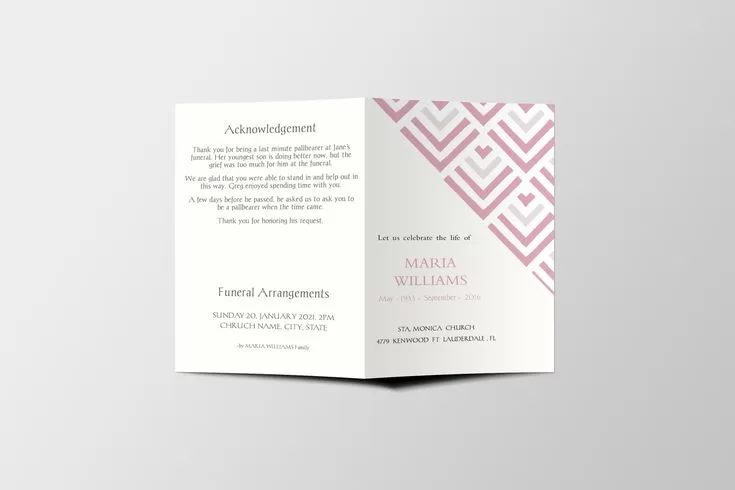
  4. Consider Funeral Programs: Printable funeral programs are essential keepsakes that help commemorate the life of a loved one. More on this can be found in our post on printable funeral programs.

3. Essential Documents Needed

Make sure to gather the necessary documents to help ease the process:

  • Death Certificate
  • Insurance Policies
  • Will or Trust Documents
  • Military Discharge Papers (if applicable)

4. Support Resources

During such a challenging time, leaning on resources for support is important. Seek out local grief support groups or consult professionals who specialize in grief counseling.

5. Post-Funeral Considerations

After the funeral, there are still important steps to take:

  • Thank You Notes: Express gratitude to those who attended or supported your family during this time.
  • Settling Affairs: Take the time to settle the deceased’s affairs, which may include financial matters or personal belongings.
  • Reflect and Remember: Encourage family members to share memories and celebrate the life of the deceased through stories or gatherings.

Remember, you are not alone in this process. There are many resources available to help you navigate these challenges, including our comprehensive guide on understanding funeral planning. Each step you take is a meaningful part of honoring your loved one’s life.

Sample Obituary Templates

Understanding the Essentials of Funeral Planning

Example of an obituary for a mother template

Understanding the Essentials of Funeral Planning

Planning a funeral is a significant responsibility that often comes at a difficult time. It involves making many decisions that can feel overwhelming. However, understanding the essential elements of funeral planning can help ease the process for you and your family.

Key Aspects of Funeral Planning

Here are some critical aspects to consider when planning a funeral:

  • Choosing the Right Funeral Home: This is the first step in your planning process. Consider the services offered, their reputation, and your budget. For a deeper dive into this topic, check out our article on Understanding Funeral Planning.
  • Deciding on the Type of Service: Funerals can range from traditional services to more modern celebrations of life. Think about what would best honor your loved one.
  • Budgeting: Funerals can be costly, so it’s essential to establish a budget early on. Our Essential Guide to Funeral Planning provides valuable insights into managing costs.
  • Legal Considerations: Ensure you understand the legal requirements in your area, including permits and documentation. Resources like our Navigating Funeral Planning with Compassion and Care can offer guidance.

Emotional Aspects of Funeral Planning

Funeral planning is not just a logistical task; it also involves navigating complex emotions. Here are some tips to help:

  • Allow Yourself to Grieve: It’s essential to acknowledge your feelings during this time. Grieving is a personal journey, and there’s no right or wrong way to go about it.
  • Involve Family Members: Engage family members in the planning process. This can help everyone feel included and supported, making the process smoother.
  • Seek Support: Don’t hesitate to reach out for support from friends, family, or professionals. Our post on Navigating Grief offers additional resources.

Personal Touches in Funeral Planning

Incorporating personal touches can make a funeral more meaningful. Here are some ideas:

  • Personalized Obituary: Crafting a unique obituary can celebrate your loved one’s life. For a helpful template, check out our Obituary Template.
  • Memory Tables: Setting up a table with photos and mementos can help guests share stories and memories.
  • Favorite Music: Including your loved one’s favorite songs in the service can create a comforting atmosphere.

Final Thoughts

While planning a funeral may feel daunting, understanding the essential components can provide clarity and ease. By preparing ahead and involving your loved ones, you can create a personal and meaningful tribute that honors your cherished memories.

Sample Obituary Templates

Understanding Funeral Planning: A Comprehensive Guide

Example of an obituary for a mother template

Introduction to Funeral Planning

Funeral planning can often feel overwhelming, especially when faced with the loss of a loved one. It’s a process that requires careful consideration and sensitivity. At QuickFuneral LLC, we aim to provide you with the resources and support necessary to navigate this challenging time.

Key Aspects of Funeral Planning

  • Choosing the Right Service: Understanding the types of services available can help you make informed decisions. From traditional funerals to more modern celebrations of life, every option has its benefits.
  • Understanding Costs: Funeral expenses can vary widely, so it’s important to set a budget. Don’t hesitate to ask questions about what’s included in each service.
  • Personalization: Adding personal touches can make a funeral more meaningful. Consider incorporating favorite songs, photos, or even a heartfelt eulogy that truly represents the deceased.

Emotional Support During Grief

The process of grieving can often feel isolating. It’s crucial to seek support from friends, family, or even professionals. For a deeper understanding, consider reading our comprehensive guide on navigating grief.

Planning Steps to Consider

  1. Gather Information: Collect vital information such as the deceased’s wishes, important documents, and any pre-arrangements that may have been made.
  2. Select a Funeral Home: Research and choose a funeral home that aligns with your needs. Look for one that offers compassionate care and clear communication.
  3. Decide on the Type of Service: Whether you opt for a burial, cremation, or memorial service, ensure it reflects the personality and wishes of your loved one.
  4. Plan the Details: Work on the specifics such as location, speakers, and any religious or cultural elements that should be included.

Resources for Thoughtful Planning

Don’t hesitate to utilize available resources to ease the burden of planning. Our essential guide to funeral planning can provide you with the necessary support and resources you might need.

Final Thoughts on Navigating Funeral Planning

As you embark on this journey, remember that you are not alone. There are numerous resources and guides that can assist you along the way. If you’re looking for tips to ease the process, check out our essential tips for navigating funeral planning.

At QuickFuneral, we understand the importance of honoring your loved one’s memory with dignity and respect. We are here to provide guidance and support during this difficult time.

funeral program template

Navigating Grief: A Comprehensive Guide to Funeral Planning

Example of an obituary for a mother template

Understanding Funeral Planning

When faced with the loss of a loved one, the emotional burden can be overwhelming. However, navigating the logistics of funeral planning does not have to add to your grief. With the right information and support, you can create a meaningful farewell that honors the memory of your loved one.

Why is Funeral Planning Important?

Funeral planning is essential because it allows families to commemorate their loved ones in a personalized way. It also helps alleviate some of the stress during a difficult time. Understanding the importance of funeral planning can provide clarity in a chaotic moment.

Key Steps in Funeral Planning

  1. Decide on the Type of Service: Consider whether you want a traditional burial, cremation, or a celebration of life. Each option has its own implications and costs.
  2. Select a Funeral Home: Research local funeral homes and their services. Look for reviews or ask for recommendations from friends or family.
  3. Plan the Details: Choose music, readings, and speakers for the service. Personal touches can make a significant impact.
  4. Budgeting: Be aware of the costs associated with each decision. It’s wise to create a budget to avoid unexpected expenses.

Support and Resources

It’s important to seek support during this time. Consider reaching out to friends or family for help. Additionally, you can refer to our Essential Guide to Funeral Planning for more detailed resources.

Finding Comfort in Scripture

During moments of grief, many find peace in spiritual texts. Comforting Bible verses for mourners can provide solace and encouragement as you navigate through this challenging time.

Thoughtful Funeral Planning

If you’re unsure where to start, our guide to thoughtful funeral planning offers a structured approach that can help ease the decision-making process.

Compassionate Guidance

Planning a funeral requires compassion and care, not only for your loved one but for yourself and your family. Our resource on navigating funeral planning with compassion provides valuable insights into making the process more manageable.

Conclusion

While we do not provide a formal conclusion, we hope this guide serves as a helpful resource as you navigate the complexities of funeral planning. Remember, you are not alone, and there are many resources available to support you during this time.

Your Guide to Thoughtful Funeral Planning

Example of an obituary for a mother

Your Guide to Thoughtful Funeral Planning

When faced with the loss of a loved one, the emotional weight can be overwhelming. During such challenging times, understanding the importance of funeral planning becomes crucial. Planning a funeral not only honors the deceased but also provides a structured way for friends and family to come together to celebrate their life.

The Essentials of Funeral Planning

Planning a funeral involves several key steps. Here’s a breakdown of what to consider:

  • Choosing a Funeral Home: Research local funeral homes and read reviews. You can find essential tips for this process in our article on navigating funeral planning.
  • Deciding on the Type of Service: Consider whether you want a traditional service, a memorial service, or a celebration of life.
  • Budgeting: Funerals can be expensive. Make a budget that covers all necessary expenses, and look into resources that can help with costs.
  • Creating an Obituary: An obituary is a meaningful way to share the life story of your loved one. For more details, check out our obituary template.

Support and Resources

During this difficult period, having a support system is invaluable. Consider reaching out to friends, family, or support groups. Our essential guide to funeral planning offers further insights into finding the right support and resources.

Navigating Emotions

Grief can manifest in many forms. Recognizing and addressing your emotions is a key part of the healing process. It’s important to take your time and not rush through any part of the planning. If you’re looking for compassionate guidance, our article on navigating funeral planning with compassion may be beneficial.

Finalizing Arrangements

Once you have made decisions regarding the service, it’s time to finalize arrangements. This can include selecting music, readings, and identifying speakers. Make sure to communicate your wishes clearly to the funeral home to ensure everything aligns with your vision.

After the Service

After the funeral service, consider how you can continue to honor your loved one’s memory. This could be through a memorial scholarship, a dedicated tree planting, or simply sharing stories with family and friends. Our comprehensive guide on funeral planning includes various ways to keep their memory alive.

Ultimately, planning a funeral is about celebrating a life well-lived and supporting each other through the grieving process. It’s a journey best taken with care, compassion, and the right knowledge.

fall card

Essential Guide to Funeral Planning: Support and Resources

Obituary Template

Understanding the Essentials of Funeral Planning

When faced with the loss of a loved one, the journey through grief often intertwines with the tasks of funeral planning. This process can seem overwhelming, but it’s crucial to navigate it with care and compassion. Here, we will explore essential tips and resources to help you through this difficult time.

Why Funeral Planning Matters

Funeral planning is not just about the logistics; it’s a way to honor the deceased and support the grieving family. Understanding the importance of funeral planning can provide clarity and peace of mind during a tumultuous time.

Key Steps in the Funeral Planning Process

  • Gather Information: Collect important details about your loved one, including personal anecdotes, preferences, and any pre-arrangements they might have made.
  • Select a Funeral Home: Research local funeral homes and consider their services, pricing, and reputation. A compassionate provider can make a significant difference.
  • Choose the Type of Service: Decide whether to hold a traditional funeral, memorial service, or celebration of life. Each option has unique elements that reflect the personality of the deceased.
  • Plan the Details: Work on the specifics including music, readings, and who will speak. Personal touches can create meaningful memories.

Helpful Resources for Planning

To ease the burden, utilize available resources. Our Navigating Funeral Planning with Compassion and Care guide offers insightful strategies tailored for grieving families. Additionally, consider our Essential Tips for Navigating Funeral Planning that cover practical aspects of organizing the service.

Support for Grieving Families

Grief can feel isolating, but support is available. Reach out to friends, family, or support groups who understand the emotional complexities of losing a loved one. A Compassionate Guide to Funeral Planning can provide additional emotional support and practical advice during this challenging time.

Funeral Costs and Budgeting

Understanding the costs associated with funerals is vital. Create a budget that outlines expected expenses, including:

  • Funeral home fees
  • Cemetery costs
  • Legal documentation
  • Memorial products

Consider discussing options with your chosen funeral provider to ensure transparency and avoid unexpected financial strain.

Final Thoughts on Funeral Planning

Although planning a funeral can be daunting, equipping yourself with knowledge and support can ease the journey. For a comprehensive approach, our Comprehensive Guide to Funeral Planning is a valuable resource to explore. Remember, this process is a tribute to your loved one and a step towards healing for you and your family.

Top Free Funeral Program Templates for Every Service Style

Navigating Funeral Planning with Compassion and Care

Example of an obituary for a mother

Navigating Funeral Planning with Compassion and Care

When faced with the loss of a loved one, the process of funeral planning can often feel overwhelming. It is a time filled with profound emotions, and the logistics involved can add to the stress. However, understanding the essentials of funeral planning can help ease this burden. Below, we explore key aspects of planning a funeral, along with some resources that can guide you through this challenging time.

Understanding the Importance of Funeral Planning

Planning a funeral is not just about making arrangements; it’s about honoring the memory of your loved one. This process allows family and friends to come together, celebrate a life lived, and find closure. For more insight, check out our article on Understanding the Importance of Funeral Planning.

Essential Tips for Navigating Funeral Planning

To make the planning process more manageable, consider these essential tips:

  • Start Early: Begin planning as soon as possible after the loss. This can help alleviate stress.
  • Communicate: Talk with family members about wishes, preferences, and budget constraints.
  • Choose a Funeral Home: Research local funeral homes and compare services and prices.
  • Plan the Ceremony: Decide on the type of service that reflects your loved one’s personality.
  • Consider Personal Touches: Incorporate elements that represent your loved one, such as favorite songs or readings.

For more detailed guidance, our post on Essential Tips for Navigating Funeral Planning can be a valuable resource.

A Compassionate Guide to Funeral Planning

During this difficult time, a compassionate approach to funeral planning can make a significant difference. Understanding the emotional aspects involved can help in making decisions that reflect your loved one’s life and values. Our comprehensive guide, A Compassionate Guide to Funeral Planning, offers insights into handling both the logistical and emotional challenges.

Incorporating Meaningful Scriptures

Many families find comfort in incorporating scriptures into the funeral service. These readings can provide solace and reflect the beliefs of the deceased. For those interested, we recommend exploring Comforting Old Testament Scriptures for Funerals KJV to select passages that may resonate with you and your family.

Comprehensive Resources for Funeral Planning

To further assist you in the planning process, our Comprehensive Guide to Funeral Planning provides detailed information about various aspects of planning, from legal considerations to emotional support resources.

As you navigate the path of saying goodbye, remember that you do not have to do this alone. There are numerous resources available to help guide you and your family during this time of remembrance and healing.

Essential Tips for Navigating Funeral Planning

Example of an obituary for a mother

Essential Tips for Navigating Funeral Planning

Planning a funeral can be a daunting task, especially during a time of grief. It’s essential to approach this process with care and thoughtfulness. Here, we’ll explore important considerations and provide helpful resources to guide you through planning a meaningful farewell for your loved one.

Understanding Funeral Planning

When faced with the loss of a loved one, planning a funeral can feel overwhelming. There are numerous details to address, and it’s crucial to ensure that every aspect reflects the wishes of the deceased and supports the grieving family.

Key Considerations in Funeral Planning

  • Budgeting: Establishing a budget can help guide your decisions and ensure you don’t overspend during this emotional time.
  • Location: Choose a venue that is meaningful and accessible for family and friends. Whether it’s a funeral home, church, or outdoor setting, the location sets the tone for the service.
  • Type of Service: Decide if you want a traditional service, a memorial, or a celebration of life. Each serves a different purpose and can be tailored to honor the deceased’s legacy.
  • Cultural and Religious Traditions: Consider any cultural or religious practices that should be incorporated into the service. These traditions can provide comfort and meaning during a difficult time.
  • Personal Touches: Incorporate personal elements such as favorite songs, photographs, or stories that reflect the life of the deceased.

Choosing the Right Flowers

Flowers are an integral part of funeral services, serving as a beautiful tribute to the deceased. Understanding funeral flowers and their meanings can help you select arrangements that convey the right sentiments. Here are some popular options:

  • Roses: Symbolizing love, they are often used to express deep affection for the deceased.
  • Lilies: Associated with purity and renewal, they are commonly used in funeral arrangements.
  • Chrysanthemums: In many cultures, they represent death and are often used in funerals.
  • Orchids: Denoting beauty and strength, orchids can be a unique choice to honor a loved one.

Memorial Cards and Keepsakes

Memorial cards are a wonderful way to keep the memory of a loved one alive. They can be distributed during the service or sent to friends and family afterward. Creating memorial cards for a celebration of life can include cherished photos and meaningful quotes. This small gesture can provide lasting comfort and a tangible reminder of your loved one.

Funeral Invitations

Once you have the details of the service finalized, sending out invitations is the next step. Utilizing a funeral invitation template can streamline this process. These templates are designed for easy customization, allowing you to create a beautiful invitation that reflects the personality of the deceased.

Additional Resources for Families

Understanding the importance of funeral planning is crucial for families navigating this process. From emotional support to logistical considerations, having a comprehensive plan can ease the burden during this challenging time. We encourage you to explore our resources to help you make informed decisions.

Ultimately, every funeral should be a reflection of the unique life that was lived. By carefully considering each aspect—from flowers to invitations—you can create a meaningful tribute that honors your loved one’s memory.

How to Write a Funeral Program Obituary

Understanding the Importance of Funeral Planning

Example of an obituary for a mother

Understanding the Importance of Funeral Planning

When a loved one passes away, it can be one of the most challenging experiences in life. In addition to the emotional toll, there are many practical considerations surrounding funeral arrangements that families must navigate. Proper funeral planning can ease this process significantly. In this article, we will explore essential aspects of funeral planning and provide you with helpful resources available on QuickFuneral.com.

Why Funeral Planning Matters

  • It alleviates decision-making stress during a time of grief.
  • It allows families to honor their loved ones in a meaningful way.
  • It can help manage costs effectively.
  • It ensures that your wishes are respected and followed.

Key Components of Funeral Planning

Funeral planning involves several important elements. Here are some components to consider:

  1. Choosing a Type of Service: Decide whether you want a traditional burial, cremation, or a memorial service. Each option has unique considerations and costs.
  2. Selecting a Funeral Home: Research local funeral homes and their services. Look for one that aligns with your family’s needs and values. For more information, check out our Navigating the Essentials of Funeral Planning guide.
  3. Obituary Writing: Crafting an obituary can be a heartfelt way to commemorate your loved one. You can find a helpful template on our site at Obituary Template.
  4. Budgeting: Establishing a budget for funeral expenses can prevent financial strain. Understanding the costs involved is crucial, which you can learn more about in our Compassionate Guide to Funeral Planning.

Understanding Different Funeral Services

It’s essential to grasp the various types of funeral services available, as they can significantly impact the overall experience. Familiarizing yourself with these services can help in making informed decisions:

  • Traditional Funeral Services: These often include a viewing, a ceremony, and burial.
  • Cremation Services: This option may involve a memorial service before or after the cremation.
  • Green Funerals: Eco-friendly options that emphasize sustainability.
  • Memorial Services: A service without the body present, focusing on celebrating the deceased’s life.

To learn more about these services, visit our comprehensive guide on Understanding Funeral Services.

Planning with Compassion and Care

During this challenging time, it is essential to approach funeral planning with compassion. Engaging with trained professionals can provide guidance and support. Our resource on Navigating the Journey of Funeral Planning offers insights into how to work through this process with care.

In summary, while dealing with the loss of a loved one is never easy, being prepared with the right information and resources can help ease the burden. Utilize the tools available on our site to make this experience a bit more manageable.

How to Write a Funeral Program Obituary

A Compassionate Guide to Funeral Planning

Example of an obituary for a mother template

A Comprehensive Guide to Funeral Planning

Losing a loved one is one of the most profound challenges one can face. During this period of grief, navigating the complexities of funeral planning can feel overwhelming. This guide aims to provide clarity and support, ensuring that you can honor your loved one with dignity.

Understanding Funeral Services

When it comes to planning a funeral, understanding the different types of services available is crucial. Here are some common options:

  • Traditional Funeral: A formal service often held in a funeral home or church, featuring speeches, music, and a viewing.
  • Memorial Service: A service held without the body present, focusing on celebrating the life of the deceased.
  • Graveside Service: A short service held at the burial site, usually attended by close family and friends.

For more information on the types of funeral services, you can read our comprehensive guide.

Key Steps in Funeral Planning

To assist you in this challenging time, here are key steps to consider when planning a funeral:

  1. Choose a Funeral Home: Research local funeral homes to find one that fits your needs and budget.
  2. Set a Budget: Determine how much you can spend and prioritize your expenses.
  3. Select Services: Decide on the type of service, burial or cremation, and other details like music and readings.
  4. Obituary and Announcements: Draft an obituary to announce the passing and details of the service.
  5. Personal Touches: Think about personal elements that reflect the deceased’s life, such as photos or favorite music.

For more in-depth assistance, consider checking out our article on navigating funeral planning essentials.

Choosing the Right Music

Music can significantly enhance the atmosphere of a funeral service. Here are some tips for selecting appropriate music:

  • Consider the deceased’s favorite songs or genres.
  • Choose music that reflects their personality and life story.
  • Involve family members in the selection process to ensure it resonates with everyone.

Learn more about this important aspect by reading our guide on understanding funeral music.

Emotional Support During Funeral Planning

Planning a funeral can stir a range of emotions. It’s important to seek support during this time. Here are some resources:

  • Family and Friends: Lean on your loved ones for comfort and assistance.
  • Support Groups: Consider joining a support group for those grieving a loss.
  • Professional Help: Don’t hesitate to consult a grief counselor for additional support.

For a more compassionate approach to funeral planning, visit our article on navigating the journey of funeral planning.

Final Thoughts

Funeral planning is a deeply personal journey. Taking the time to carefully consider each aspect can lead to a meaningful tribute to your loved one. Remember, you are not alone during this process; resources and support are available to help you every step of the way.

Back to Top
Product has been added to your cart
Compare (0)