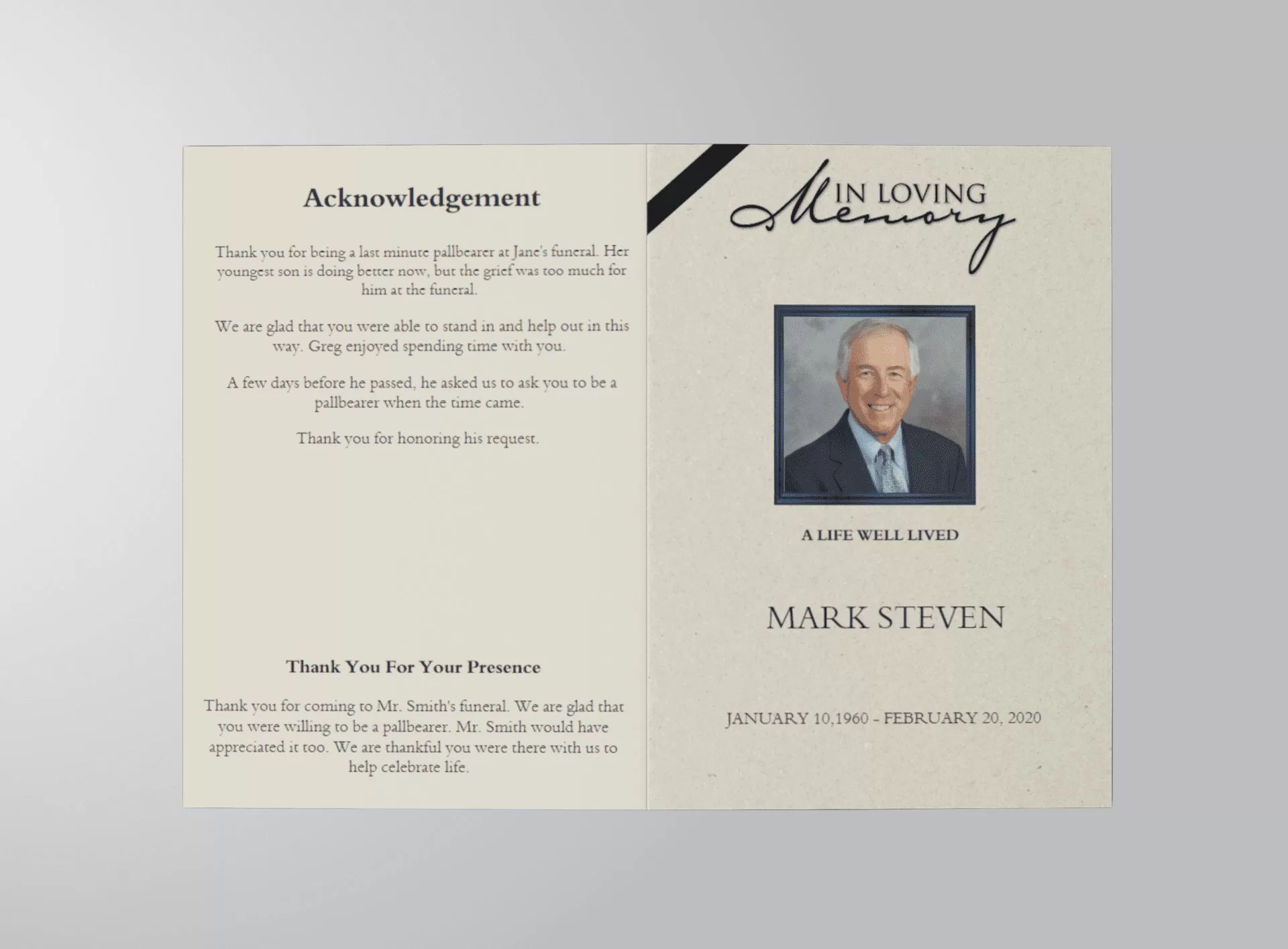
Compassionate Approaches to Funeral Planning

Example of an obituary for a mother template

Understanding the Importance of Funeral Planning

When a loved one passes away, the emotional burden can feel overwhelming. Planning a funeral is an essential step in honoring their life and providing closure for those left behind. For a comprehensive overview of this process, you can explore our Understanding Funeral Planning: A Comprehensive Guide.

Steps to Compassionate Funeral Planning

Effective funeral planning involves several thoughtful steps:

  1. Gather Information: Collect necessary documents such as birth certificates, social security numbers, and military records if applicable.
  2. Choose a Funeral Home: Research local funeral homes and read reviews to find one that meets your family’s needs.
  3. Discuss Options: Talk with family members about preferred funeral arrangements and any specific wishes the deceased may have expressed.
  4. Budget Planning: Establish a budget to avoid overspending during this emotional time. Consider reviewing our Essential Guide to Compassionate Funeral Planning for insights.

Types of Funeral Services

Different types of services can be tailored to honor the deceased’s life. Here are a few common options:

  • Traditional Funeral: Typically includes a viewing, a service, and burial or cremation.
  • Memorial Service: A service without the body present, which can be held at any location.
  • Graveside Service: A short service at the burial site, often attended by close family and friends.
  • Cremation Services: Can include memorialization options such as scattering ashes or keeping them in an urn.

Personalizing the Funeral Experience

Personal touches can make a funeral service more meaningful. Here are some ideas:

  • Photo Displays: Create a tribute display with photographs of the deceased throughout their life.
  • Favorite Music: Incorporate the deceased’s favorite songs into the service.
  • Memory Sharing: Encourage guests to share their favorite memories during the service.

For more information on navigating this process, check our article on Navigating Funeral Planning: A Compassionate Approach.

Final Arrangements and Legal Considerations

It’s essential to ensure that all final arrangements comply with local laws. This includes:

  • Obtaining Death Certificates: Necessary for legal and financial matters.
  • Handling Estate Matters: Work with an attorney if needed to manage the deceased’s estate.
  • Understanding Funeral Costs: Familiarize yourself with pricing for services and products, as discussed in our Understanding the Essentials of Funeral Planning.

By taking these important steps, you can ensure that your loved one is honored in a way that reflects their life and legacy.
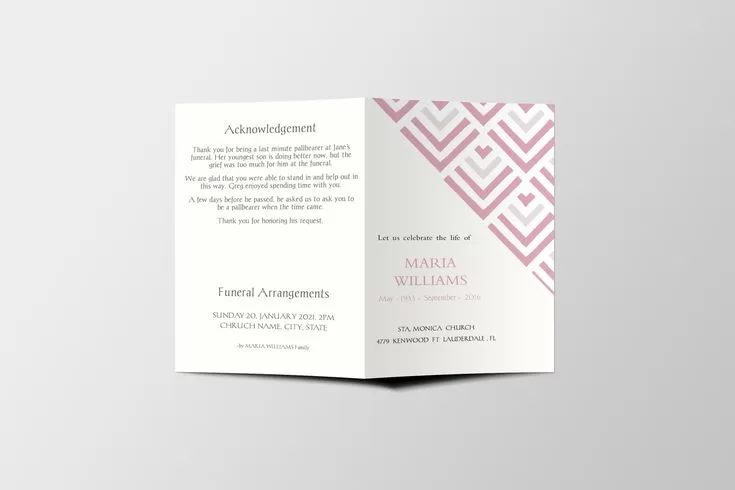

Essential Insights into Funeral Planning

Example of an obituary for a mother

Understanding Funeral Planning

When faced with the loss of a loved one, the emotional challenges can be profound. Planning a funeral is a significant step in honoring their memory. At QuickFuneral LLC, we aim to provide resources that simplify this process for you.

Key Steps in Funeral Planning

  • Gather Information: Collect personal data about the deceased, including legal documents and preferences regarding the funeral.
  • Determine the Type of Service: Choose between traditional funerals, memorials, or celebrations of life.
  • Select a Location: Decide where the service will be held – at a funeral home, church, or another venue.
  • Budgeting: Understand the costs involved, which can be explored further in our comprehensive guide.

Importance of Pre-Planning

Pre-planning a funeral can alleviate stress during an already difficult time. Engaging in this process allows you to make decisions that reflect the wishes of the deceased. Our article on compassionate funeral planning provides an overview of why this is essential.

Funeral Service Options

There are various service options available:

  1. Traditional Funeral: Typically includes a viewing, service, and burial.
  2. Cremation Services: An alternative that may involve a memorial service without a body present.
  3. Memorial Services: Can be held at a later date, allowing for a personalized tribute.

Each option has its unique considerations, which are detailed in our post about navigating funeral planning.

Choosing a Funeral Home

Selecting the right funeral home is crucial. Consider these factors:

  • Reputation: Research reviews and recommendations.
  • Services Offered: Ensure they align with your needs.
  • Pricing Transparency: Look for clear pricing structures.

For more insights into selecting a funeral home, visit our detailed guide on the essentials of funeral planning.

Planning for Additional Elements

Don’t forget to include personal touches and additional elements in the planning process:

  • Obituaries: Crafting an obituary is an important step in announcing the passing and celebrating the life of your loved one. A template can be found here.
  • Memorial Keepsakes: Consider creating keepsakes for guests, such as bookmarks or personalized notes.
  • Digital Tributes: Utilize online platforms to share memories and gather condolences.

Each of these elements can help create a meaningful tribute that honors the deceased while bringing comfort to those who mourn.

Navigating the Complexities of Funeral Planning

Example of an obituary for a mother

Understanding Funeral Planning

When a loved one passes away, the emotional and logistical challenges can be overwhelming. It’s essential to be well-informed about the steps involved in funeral planning to ensure a respectful and meaningful farewell.

Key Elements of Funeral Planning

  • Deciding on the Type of Service: Choose between a traditional funeral, a memorial service, or a celebration of life.
  • Choosing a Venue: Options may include a church, funeral home, or even a location significant to the deceased.
  • Selecting a Casket or Urn: This decision often reflects the wishes of the deceased or their family.
  • Personalization: Incorporate personal touches such as favorite music, flowers, and photographs.

The Importance of Planning Ahead

Understanding the essentials of funeral planning can greatly reduce stress during a difficult time. By pre-planning, you can ensure that your wishes are respected and relieve your loved ones of added burdens. Visit our guide on compassionate funeral planning for more insights.

Emotional Considerations

The emotional toll of losing a loved one can be profound. In these moments, it’s important to navigate the planning process with care. A compassionate approach can make all the difference, ensuring that the needs of both the deceased and the grieving family are addressed.

Steps to Take During the Planning Process

  1. Gather Information: Collect vital details such as the deceased’s personal information, wishes, and any pre-arrangements.
  2. Contact Important Parties: Reach out to family members, close friends, and any necessary authorities.
  3. Choose a Funeral Director: A professional can guide you through the process and help you make informed decisions.
  4. Plan the Details: Discuss specifics regarding the service, burial or cremation, and any other preferences.

Resources for Support

During this difficult time, don’t hesitate to seek help. Many resources are available to assist with emotional support and practical advice. Our comprehensive guide covers plenty of ground to ensure you feel supported throughout this process.

Conclusion

While the planning of a funeral can be daunting, understanding the essentials and having a clear roadmap can alleviate some of the burdens. Whether you’re looking for guidance on choosing the right service or need help navigating emotional challenges, QuickFuneral.com is here to support you every step of the way.

Understanding Funeral Planning: A Comprehensive Guide

Example of an obituary for a mother template

Understanding Funeral Planning

When faced with the loss of a loved one, emotional challenges can be overwhelming. Planning a funeral is a vital step in honoring their memory and providing closure for family and friends. This guide will help you navigate the various aspects of funeral planning while ensuring compassion and respect throughout the process.

Key Elements of Funeral Planning

  • Choosing the Right Service: Whether you prefer a traditional service or a more personalized celebration of life, understanding your options is essential. To explore the different types of services available, check out our Essential Guide to Compassionate Funeral Planning.
  • Creating a Funeral Program: A well-crafted funeral program serves as a keepsake for attendees and provides a roadmap for the service. For tips on designing an impactful program, visit our Comprehensive Guide to Creating a Program for Funeral Services.
  • Obituary Writing: An obituary is often the first public acknowledgment of a person’s death. Creating a meaningful obituary can help convey the essence of your loved one. For examples and templates, refer to our obituary template.

Emotional Considerations

Planning a funeral can be emotionally taxing. Here are some strategies to navigate these challenges:

  • Seek Support: Lean on friends and family for support during this time. You don’t have to navigate this process alone.
  • Take Your Time: Give yourself the grace to feel your emotions and make decisions when you are ready.
  • Consider Professional Help: Sometimes, hiring a funeral director can relieve a lot of the stress associated with planning. For insights on this, read our article on Navigating Funeral Planning with Compassion.

Practical Steps in Funeral Planning

  1. Gather Important Documents: Ensure you have the necessary paperwork, including the death certificate and any pre-arrangement documents.
  2. Budgeting: Funeral costs can add up quickly. Having a budget in place can help you make informed decisions.
  3. Choose a Location: Decide where you want the service to be held, whether at a funeral home, church, or another meaningful location.
  4. Plan for Personal Touches: Include elements that reflect your loved one’s personality, such as favorite music or photos.

Resources for Further Assistance

To further assist you in the funeral planning process, consider reviewing our resource on Navigating the Complexities of Funeral Planning. This guide offers deeper insights into managing the logistics and emotional aspects effectively.

Remember, every funeral is unique, and it’s important to tailor the service to reflect the life and values of your loved one. By being informed and compassionate, you can create a meaningful tribute that honors their legacy.

funeral program template

Essential Guide to Compassionate Funeral Planning

Obituary Example

Understanding Funeral Planning

When faced with the loss of a loved one, the emotional challenges can be overwhelming. Planning a funeral is a vital step in honoring their memory, yet many find themselves uncertain about where to begin. This guide aims to provide you with essential insights into navigating funeral planning with compassion.

Key Considerations in Funeral Planning

  • Emotional Readiness: Recognizing your emotional state is crucial. It’s okay to seek help when you need it.
  • Budgeting: Establishing a budget early can help streamline the decision-making process.
  • Funeral Type: Consider whether a traditional burial, cremation, or a memorial service aligns with your loved one’s wishes.
  • Personal Touches: Incorporating personal elements can make the service more meaningful. Think about favorite songs, photographs, or special readings.

Steps to Take When Planning

  1. Gather Information: Start by compiling essential details about your loved one, including their full name, date of birth, and date of passing.
  2. Contact a Funeral Home: Reach out to a local funeral home to discuss options and services available. You can find a compassionate guide in The Compassionate Approach to Funeral Planning.
  3. Make Arrangements: Decide on the details of the service, including location, type of service, and any special requests.
  4. Notify Family and Friends: Inform those close to your loved one about the arrangements and service details.

Helpful Resources

For those looking to understand more about the intricacies of planning, you can explore navigating the complexities of funeral planning. This resource covers emotional, logistical, and financial aspects to ensure you feel supported during this challenging time.

Importance of Pre-Planning

Pre-planning a funeral can alleviate stress for your loved ones. Consider discussing your wishes with family members or consult resources like Understanding the Essentials of Funeral Planning. This can provide clarity and peace of mind for everyone involved.

Support Networks

During this time, lean on your support network. Whether it’s family, friends, or community resources, having a strong support system can provide comfort. If you’re looking for a deeper understanding of the emotional aspects, refer to Navigating Funeral Planning: A Compassionate Approach.

Navigating Funeral Planning with Compassion

Obituary Example

Understanding Funeral Planning

When a loved one passes away, the emotional challenges can be profound. Planning a funeral is a necessary step in honoring their memory. It can often feel overwhelming, but with the right approach, it can also be a meaningful experience. Here, we explore essential aspects of funeral planning and how to navigate these complexities with compassion.

Key Considerations in Funeral Planning

  • Understanding Your Options: There are various options available for funeral services, including traditional burials, cremations, and memorial services. Each choice has its own set of considerations.
  • Budgeting: Planning a funeral often comes with unexpected expenses. Having a budget in place can help manage costs effectively.
  • Personal Touches: Including personal elements, such as favorite songs, photographs, or mementos, can make the service more special.

Compassionate Eulogies

A eulogy serves as a heartfelt tribute to the deceased, celebrating their life and legacy. If you’re tasked with delivering one, consider exploring compassionate eulogy examples for inspiration. These examples can help you express your feelings and convey the essence of your loved one.

Steps to Take When Planning a Funeral

  1. Gather Information: Collect vital information about the deceased, including their wishes regarding funeral arrangements.
  2. Choose a Funeral Home: Research local funeral homes to find one that aligns with your needs and values.
  3. Decide on Service Details: Work with the funeral director to plan the service, including location, time, and format.
  4. Notify Family and Friends: Spread the word about the service details to ensure loved ones can attend and pay their respects.

Emotional Support During the Planning Process

Planning a funeral can be emotionally taxing. It’s crucial to seek support during this time. Engaging with family and friends can provide comfort. Additionally, consider the compassionate approach to funeral planning which emphasizes understanding and empathy in this sensitive process.

Resources for Funeral Planning

For those looking to gain a deeper understanding of the essentials, check out our guide on understanding the essentials of funeral planning. This resource can help clarify the steps involved and ensure you make informed decisions.

Final Thoughts

While the loss of a loved one is deeply challenging, approaching funeral planning with compassion and support can transform the experience into a meaningful tribute. Whether you are navigating the complexities of planning or seeking to honor a loved one’s legacy, remember that you are not alone in this journey.

Top Free Funeral Program Templates for Every Service Style

Navigating the Complexities of Funeral Planning

Example of an obituary for a mother

Understanding Funeral Planning

When faced with the loss of a loved one, the emotional burden can feel overwhelming. Planning a funeral is a necessary step in honoring the deceased and supporting those left behind. This process involves several critical components that require careful consideration and organization.

The Importance of Funeral Planning

Funeral planning is not just about logistics; it’s about creating a meaningful tribute. Here are some essential reasons why planning a funeral is vital:

  • Emotional Closure: A well-planned funeral can provide a sense of closure for family and friends.
  • Honoring Traditions: Funerals allow families to honor cultural, religious, or personal traditions.
  • Financial Preparedness: Planning ahead can alleviate financial stress during an already difficult time.

Steps to Plan a Meaningful Funeral

Planning a funeral can be streamlined by following these steps:

  1. Consult with Family: Begin by discussing with family members the wishes of the deceased and preferences for the service.
  2. Select a Funeral Home: Choose a reputable funeral home that provides the services you need. You may find helpful tips in our compassionate approach to funeral planning.
  3. Decide on the Type of Service: Determine whether to have a traditional service, a memorial, or a celebration of life.
  4. Plan Personal Touches: Consider incorporating personal elements, such as music, photos, or video tributes.
  5. Prepare Necessary Documents: Gather any important documents, including the death certificate and any pre-arranged plans.

Creating an Obituary

Writing an obituary is a significant part of the funeral planning process. It serves as a public acknowledgment of the person’s life and provides information about the funeral services. For a detailed guide, check out our ultimate obituary template, which can help you structure this important announcement.

Resources for Support

Emotional support is crucial during this time. Here are some resources you might consider:

  • Grief Counseling: Many communities offer grief support groups and counseling services.
  • Online Resources: Websites like QuickFuneral provide valuable information on various aspects of funeral planning.
  • Family and Friends: Don’t hesitate to lean on your support system; they can provide comfort and assistance.

Further Reading

For more insights on funeral planning, explore these articles:

Funeral Program Template Online

The Compassionate Approach to Funeral Planning

Obituary Template

The Compassionate Approach to Funeral Planning

When dealing with the loss of a loved one, the emotional burden can be overwhelming. However, taking steps to plan a funeral can ease some of the stress during this difficult time. Understanding the essentials of funeral planning can help you navigate this challenging journey with compassion and care.

Essential Steps in Funeral Planning

To begin your planning, consider the following steps:

  • Gather Information: Collect necessary details about your loved one, including their wishes and any pre-arrangements they may have made.
  • Choose a Funeral Home: Selecting a funeral home is a crucial step. Look for one that aligns with your values and offers compassionate services.
  • Decide on the Type of Service: Determine whether you will hold a traditional funeral, memorial service, or a celebration of life.

Understanding Funeral Options

Funeral planning includes various options to honor your loved one’s memory. For a thorough understanding of these options, check out our Understanding Funeral Planning: A Comprehensive Guide. Here are some common choices:

  • Burial vs. Cremation: Decide between burying your loved one or opting for cremation based on their wishes and family preferences.
  • Personalization: Personalize the service with photos, music, and other elements that reflect their life.
  • Memorial Products: Consider creating programs, memory cards, or even an obituary that commemorates their life.

Budgeting for Funeral Costs

Funeral expenses can vary significantly, so it’s important to establish a budget early in the planning process. Here are some common costs to consider:

  • Funeral home fees
  • Cemetery charges
  • Transportation costs
  • Memorial items

For a more detailed look at budgeting for these expenses, refer to our Understanding the Essentials of Funeral Planning.

Emotional Support During Planning

Planning a funeral is not just about logistics; it also involves emotional healing. It’s essential to seek support from friends, family, or professionals during this time. You can learn more about navigating these challenges in our article Navigating the Journey of Funeral Planning with Compassion.

Final Thoughts

While planning a funeral can be daunting, understanding the process and the options available can provide comfort and clarity. Remember that you are not alone in this journey, and resources are available to guide you through each step.

Navigating Funeral Planning: A Compassionate Approach

Example of an obituary for a mother

Understanding Funeral Planning

When a loved one passes away, the emotional challenges can be profound. Yet, planning a funeral is a necessary step in honoring their memory. At QuickFuneral LLC, we aim to guide families through this difficult time by providing essential resources and support.

Essentials of Funeral Planning

Before diving into the logistics, it’s important to understand the essentials of funeral planning. This includes considering the wishes of the deceased and gathering necessary information. For a detailed overview, check out our article on Understanding the Essentials of Funeral Planning.

Key Elements to Consider:

  • Budget: Determine how much you can afford for the funeral service.
  • Service Type: Decide between burial, cremation, or alternative memorial services.
  • Location: Choose a venue that feels right for the service.
  • Guest List: Compile a list of family and friends to invite.

Creating Memorial Cards

Memorial cards, also known as funeral cards, play a significant role in commemorating the deceased. These small keepsakes are distributed during the service and provide a tangible tribute. For inspiration, explore our collection of Sample Memorial Cards for Funeral Services.

Benefits of Memorial Cards:

  • They can include a photo and meaningful quotes.
  • They serve as a lasting memory for attendees.
  • They can be personalized to reflect the deceased’s life.

Compassionate Funeral Planning

Planning a funeral can be an emotional journey. Our Essential Guide to Compassionate Funeral Planning offers insights on how to approach the process with empathy and care.

Steps for Compassionate Planning:

  • Communicate openly with family members.
  • Respect the wishes of the deceased.
  • Seek support from professionals if needed.

Comprehensive Funeral Planning Resources

For those navigating the complexities of funeral arrangements, our Comprehensive Guide to Funeral Planning provides a detailed roadmap, covering everything from legal considerations to emotional support.

Topics Covered Include:

  • Legal documentation required for a funeral.
  • Different types of services available.
  • How to handle logistics with care.

Understanding Funeral Planning: A Comprehensive Guide

For a thorough exploration of the funeral planning process, our guide Understanding Funeral Planning: A Comprehensive Guide offers valuable tips and advice for families during this challenging time.

Sample Obituary Templates

Understanding the Essentials of Funeral Planning

Obituary Template

Planning a Funeral: An Overview

When a loved one passes away, the emotional and logistical challenges that arise can be overwhelming. Understanding the essentials of funeral planning is crucial in navigating this difficult time. This guide will walk you through key aspects of funeral planning, ensuring you feel more prepared and less anxious.

Why Funeral Planning is Important

Funeral planning is not merely about organizing a service; it’s about honoring the deceased and providing closure for friends and family. Here are some vital reasons to consider:

  • Emotional Support: A well-planned funeral can provide emotional relief and support to grieving families.
  • Financial Considerations: Planning ahead often helps manage costs and eliminate financial stress during a difficult time.
  • Personalization: It allows you to personalize the service, reflecting the personality and wishes of the deceased.

Steps to Plan a Meaningful Funeral

Here are the essential steps involved in planning a funeral:

  1. Consult with Family: Gather family members to discuss preferences and ideas.
  2. Choose a Funeral Home: Select a reputable funeral home that aligns with your needs and budget. For more detailed insights into selecting a funeral home, check out our guide on navigating funeral planning.
  3. Decide on Services: Determine whether you want a burial, cremation, or other service types.
  4. Create an Obituary: Write an obituary that honors your loved one. For a helpful template, visit our obituary template.
  5. Plan the Details: Consider music, readings, and speakers for the service. Christian songs can provide comfort during these times; explore our collection of Christian songs for grief and healing.

Understanding Funeral Costs

Funeral costs can vary widely based on choices made. Here are some key components that contribute to the overall expense:

  • Funeral home services
  • Casket or urn selection
  • Transportation costs
  • Flowers, programs, and memorial items

To help manage these costs, consider consulting our essential guide to funeral planning, which provides insights on budgeting and planning effectively.

Compassionate Planning Resources

For those looking to navigate the complexities of funeral planning with care, our essential guide to compassionate funeral planning offers a wealth of resources and support.

Final Thoughts

Planning a funeral can be an emotional journey, but having a clear understanding of the essentials can ease the burden. By following these guidelines and utilizing available resources, you can create a meaningful tribute to your loved one.

Back to Top
Product has been added to your cart
Compare (0)