
Sympathy Thank You Etiquette & Sample Letters You Can Copy
If you’re looking for sympathy thank you etiquette—and the words to go with it—you’re in the right place. After the loss of a loved one, support from friends, family, and community can feel deeply comforting, and a heartfelt thank you card or message is a kind way to acknowledge that support without needing perfect wording.
Start with a ready-to-copy message below. For additional options, you can also review thank-you card templates & message ideas.

Ready-to-copy sympathy thank you messages
Copy one of the samples below and personalize the bracketed details like [deceased’s name].
- “Thank you for your kind words and support during this difficult time. Your thoughtfulness has meant so much to us.”
- “We are grateful for your presence at the funeral service and for the beautiful flowers you sent. Your support has been a source of comfort to us.”
- “Your generosity in bringing us dinner was greatly appreciated. It was a comfort to not have to worry about cooking during this difficult time.”
- “We are touched by your donation to the charity in [deceased’s name] honor. Your kindness will help others in need and is a beautiful tribute to [deceased’s name].”
- “Thank you for your prayers and thoughts. Your support has helped us through this difficult time.”
Sympathy Thank You Card Templates
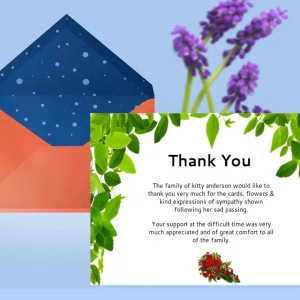
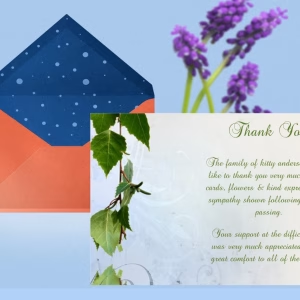



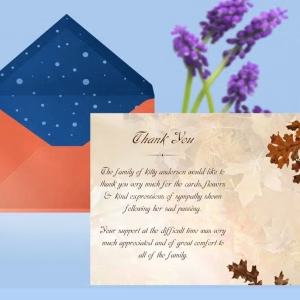

Sympathy thank you etiquette (simple and realistic)
If you’re wondering what “the right thing” is, these guidelines can help you choose what feels most appropriate.
When should you send?
- It’s customary to send cards or messages within a few weeks after the funeral or memorial service.
- There’s no strict timeline—it’s never too late to express gratitude.
Who should you thank?
- You don’t need to thank everyone who attended, but it’s thoughtful to acknowledge those who went out of their way to offer condolences or support.
- Consider prioritizing people who sent flowers, made a donation, or offered specific help.
What should you include?
- A sincere note of gratitude.
- Acknowledgment of a specific kindness (for example: flowers, meals, attending the service, or a listening ear).
- Optional: a short, personal memory if it feels comfortable.
How to write a sympathy thank you card
It’s okay if you’re grieving and your head feels crowded. A heartfelt message—even short—is enough. Use this structure to make it easier.
1) Start with a greeting
Examples: “Dear [Name],” or “To [Name] and Family,”.
2) Express gratitude
Thank them for their condolences and/or support. Simple phrases can work well, such as “Thank you for your kind words” or “We are grateful for your support and understanding.”
3) Mention the specific kindness
If they did something particular—bringing a meal, attending the funeral service, donating, or checking in—acknowledge it directly.
4) Add a fond memory (optional)
If you feel comfortable, share a brief memory of your loved one. This can help your note feel personal.
5) Close warmly
Examples: “With heartfelt thanks,” or “With warmest regards,” followed by your name or your family’s name.
You may also find it helpful to review related guidance on condolences to ensure your wording matches the situation.
Funeral programs: helping videos
If you’re also planning a program or memorial materials, you may find these videos supportive.
Funeral Programs : Helping Videos
Frequently Asked Questions
When should I send sympathy thank you cards or messages?
It is customary to send sympathy thank you cards or messages within a few weeks after the funeral or memorial service. However, there is no strict timeline, and it is never too late to express your gratitude.
Should I send a thank you card to everyone who attended or sent condolences?
While it is not necessary to send a thank you card to everyone, it is thoughtful to acknowledge those who went out of their way to offer their condolences or support. You can prioritize those who sent flowers, made a donation, or offered specific help.
What if I don’t feel up to writing thank you cards or messages?
It’s understandable that you may not feel up to writing while grieving. In those cases, you can ask a close friend or family member to help, or consider sending a general thank you message on social media or through email.
Is it appropriate to mention gifts or donations in a sympathy thank you card?
Yes. You can acknowledge the specific gift or donation and express your gratitude for their thoughtfulness and generosity.
Can I share a fond memory of the person who passed?
Yes—if it feels comfortable. A short memory can personalize the card and help the recipient feel how much their support means to you.