
How to Perform a Memorial/Funeral Service
If you’re been asked to officiate, it helps to have a clear, respectful flow you can follow. This guide explains how to perform a memorial/funeral service with a practical order, officiant-focused guidance, and optional add-ons you can coordinate with the family or funeral director.
Start with the tools below, then use the service flow as your outline.

How to Perform a Memorial/Funeral Service: a practical service flow
This order is designed to be easy to adapt. You can adjust the wording and the sequence to fit the family’s cultural and spiritual preferences.
- Welcome + thanks on behalf of the family
Open with a welcome message and thank attendees for coming. - Why we’re gathered
Share that the gathering is for celebrating the life of someone the family and friends loved. - Spiritual moment (hello + prayer)
Invite everyone to offer a spiritual hello to the newly departed, and guide the group in prayer. - Living and dying
Briefly reflect on what you’ve learned and what the deceased meant to others. - Eulogy (with options for biographical focus)
Transition into the eulogy, using facts and stories shared by the bereaved. - Invite participation (stories and remarks)
Invite people to stand and share stories or a few words. It’s okay if no one speaks—this is often about personal comfort level. - Music, readings, and/or poetry (optional)
Include a song, scripture reading, or poetry if it fits the family and the space. - Closing prayer + benediction
Close with prayer and a benediction.
Common add-ons (and what to coordinate)
Flexibility is normal. If you plan to include recorded or played music, let the funeral director know in advance so any tape/CD playback needs are handled.
- Singing (for example, leading or including a hymn)
- Candle-lighting (if the family chooses)
- Scripture reading
- Poetry
If there is an interment (burial)
If the body will be interred, you may follow the family to the burial site (unless you’re already there) and offer appropriate words such as Bible passages, the Lord’s Prayer, and words of interment. The order can vary depending on what feels right and what the family prefers.
How to stay steady as the officiant
One of the most important parts of officiating is managing your own feelings so you can support the family. You’ll be surrounded by people who are grieving, and it’s not your job to match their emotions—you’re there to provide compassionate steadiness.
- Keep yourself anchored so others can lean on you.
- Expect a range of emotions (hurt, uncertainty, anger, worry).
- Offer reassurance where you can and keep the tone respectful and calm.
Reminder: there is no single “absolute” way to officiate a memorial service. The key is to show respect for the deceased and those grieving, and to honor the family’s cultural and spiritual way of saying goodbye.
Funeral Service Templates




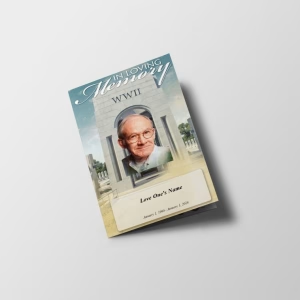
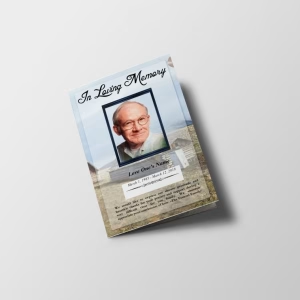
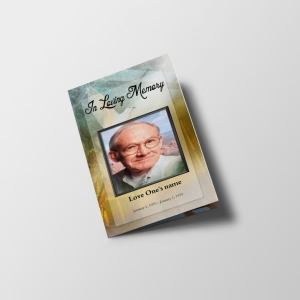
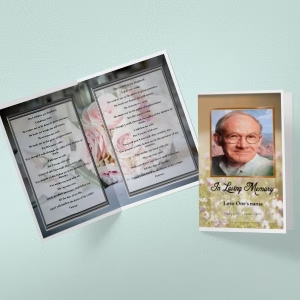
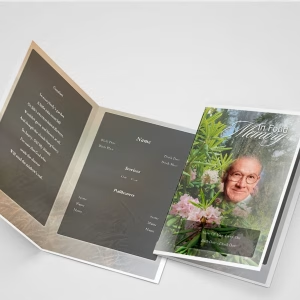
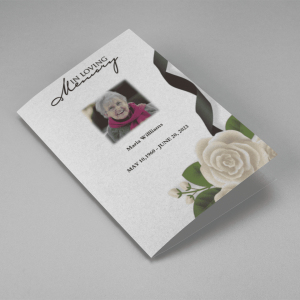
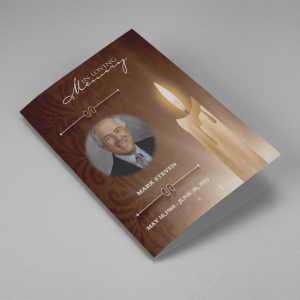

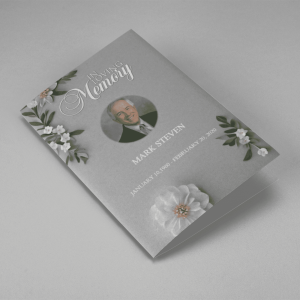
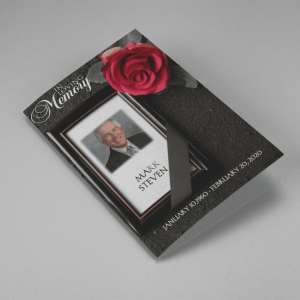

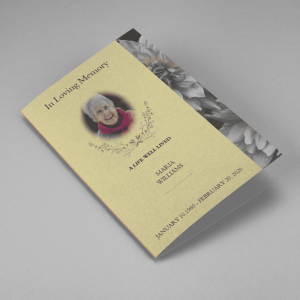
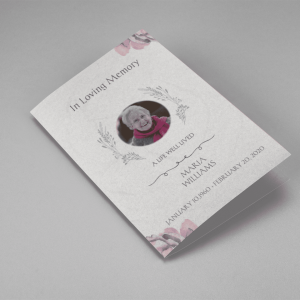
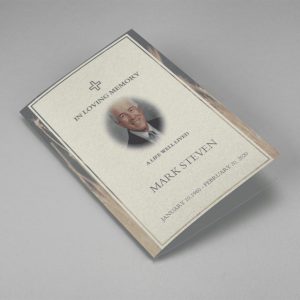

Optional: create a simple program
If you’d like a straightforward way to support the service flow, you can also use a funeral program as a helpful reference for attendees.
FAQs for first-time officiants
I’m new to officiating. What should I do first?
Start with a clear order for the service (welcome → spiritual moment → eulogy → participation → closing). Use the templates/tools available and keep your wording simple and respectful.
Do I need to be extremely emotional to connect with the family?
No. It’s more helpful to stay calm and compassionate so the bereaved can feel supported and grounded. You can be warm without taking on everyone’s grief.
What if no one wants to share stories or remarks?
That can happen. You can still include an invitation, then continue with the rest of the service. The tone should remain respectful and pressure-free.
Can I include music, scripture, or poetry?
Yes—if it fits the family and the service plan. If you’re using recorded audio (like a tape or CD), coordinate with the funeral director so playback is handled.
How should I handle the eulogy?
Use a general opening, then fill it with facts and stories shared by the bereaved. If helpful, include biographical context so attendees remember the person as both an individual and part of their community.
Is there a required order for burial/interment?
No single order is required. If there is an interment, you can follow the family to the site (if needed) and offer appropriate words such as Bible passages, the Lord’s Prayer, and interment words—then adjust the sequence to what feels right.