
Memorial Service Basics: A Simple Planning Guide
When you’re grieving, planning details can feel overwhelming. This memorial service basics guide covers the essential pieces families often include—so you can make a few key decisions first, then build from there.


Memorial service essentials: when, what, and who
If you’re not sure where to begin, start with three questions:
- When: when will the service take place?
- What: what components will you include (for example, music, reflection time, and any speaking you want)?
- Who: who should be there, and who will participate or contribute?
These first choices help you avoid overthinking while you still have practical decisions to make.
Choose a leader and decide how speaking will work
Many families choose a clergyman, funeral director, or master of ceremonies to lead the flow of the service. A service leader can reduce the burden on grieving family members—especially when speaking feels difficult.
It can also help to discuss how they typically handle the program, and what kind of speaking or presentations (if any) you want family members to participate in.
Prepare the story: obituaries, readings, and visuals
Memorial services often share personal information and a way to honor who the person was.
- Obituaries: you may include obituary information for the person, with input from relatives if helpful.
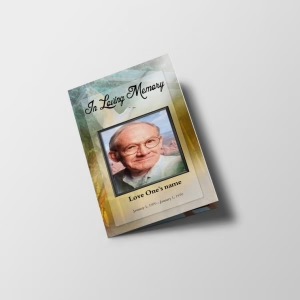
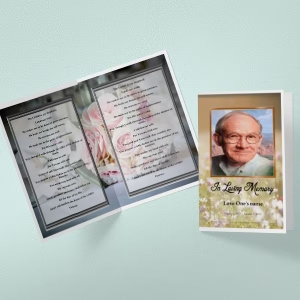
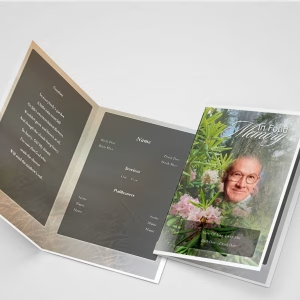
- Readings: short passages or readings can be shared as part of the program.
- Photos and slides: photos can be used for a slide presentation during the service if that’s requested by the venue.
If your role feels unclear at first, offer the details you have and let the service leader guide the structure.
Plan music and reflection time
Music is frequently included to help the service feel coherent and to create a gentle emotional rhythm.
One planning approach is using music at both the beginning and end—like “bookends”—so the service feels held together. Some families also include time for reflection or optional comments, depending on what feels right.
Consider refreshments (keep it simple)
Some communities include refreshments after the service. Keeping it simple can reduce extra work when you’re already exhausted.
Examples families mention include serving coffee and a small, familiar selection of items. If your community supports it, you may be able to ask for contributions rather than planning everything yourself.
Make it personal, in your own way
A memorial service is for the bereaved family. You can often tailor the emphasis, speaking, and tone to your loved one’s memory—unless you are carrying out a fully prearranged funeral of the deceased.
When in doubt, choose what feels supportive and realistic for your situation.
Common questions about memorial service basics
What if our family doesn’t belong to the deceased’s church (or community)?
It can still be possible to plan. For example, a church may agree to a minister-led service, ask for photos, and help with a slide presentation. Share the details you have (photos, information, and readings you’d like included) and rely on the service leader for structure.
Who should lead the service?
Many families choose a clergyman or another leader such as a master of ceremonies to guide the flow and reduce pressure on family members. If you’re unsure, ask who is available and how they usually handle the program.
What should we prepare for the program?
Common items include obituary information, short readings or passages (if you’d like family participation), and any visuals such as photos for slides. Start with what you can provide, then let the leader coordinate where it fits.
Do we have to include music?
Music is frequently included because it can feel calming and unifying. One idea is using music at both the beginning and end to create a natural “bookend” for the service.
What about refreshments—should we do them?
Some families include refreshments after the service, and keeping it simple can help. If your community supports it, you can ask for contributions rather than taking on the full planning and cooking yourself.
Can we tailor the service to our needs?
Yes. Memorial services can be shaped to your personal needs and comfort level unless the funeral is fully prearranged.