
Funeral Tribute: A Fitting Remembrance
The death of someone in the family can bring intense grief. If you’re also trying to plan what comes next, a funeral tribute can offer structure and meaning—helping you commemorate your loved one with care and dignity.
There’s no single “right” way. Many families hold a memorial service, but the details often reflect faith, cultural customs, family preferences, and (when shared) the wishes of the person who passed away.
Start your funeral tribute planning
If you want help organizing your thoughts and deciding what to include, use the tool below as a starting point.






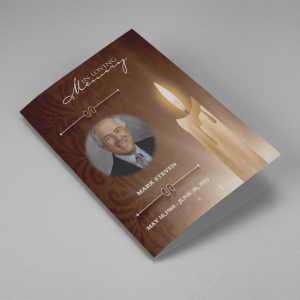

What a funeral tribute can include
A funeral tribute commonly includes a combination of the elements below:
- Prayers (for the repose of the soul)
- A eulogy, often delivered by an immediate family member
- Funeral readings, shared by close friends and relatives
- Songs or hymns, chosen in a way that feels meaningful to your family
Materials may be selected by the family, and—if the death was anticipated—by the person who passed away through plans made in advance.
How families choose the right elements
When planning a memorial service, families often take practical and personal factors into account:
- Religion and belief: the service format and content may align with faith practices.
- Cultural customs and traditions: traditions can shape readings, prayers, and music.
- Family budget and circumstances: choices are sometimes adjusted based on what is feasible.
- What your loved one would have wanted: if wishes were shared, they can guide decisions.
What matters most
No matter which elements you choose, the purpose is the same: to honor your loved one and commemorate their life in a fitting way.
If you’re unsure where to begin, start with what feels most true to your family—then build outward from there.
Frequently asked questions
Do funeral tribute services have to follow a specific format?
No. Families may hold a memorial service, but the way it’s conducted can vary based on cultural customs, faith, and family preferences.
Who usually delivers the eulogy?
A eulogy is normally delivered by an immediate family member, though the overall service plan is chosen by the family.
Can readings and music be chosen in advance?
Yes—if a death is anticipated, the person who passed away may have chosen reading materials, songs, or hymns in advance. Otherwise, the family typically selects them.
What if our family’s beliefs or traditions differ?
You can still create a fitting remembrance by using the elements that best reflect your loved one’s faith, culture, and wishes—then adjust practical details to match your circumstances.
Is it okay if we don’t know exactly what we want right now?
Yes. It’s normal to feel overwhelmed. Begin with the basic elements you know you want, and make adjustments as decisions become clearer.