

Importance of Obituary Information
The importance of obituary information goes beyond notifying people of a death. An obituary is a tribute that documents a person’s life, accomplishments, and the impact they had on others—serving as a lasting memorial for loved ones both in newspapers and online.
When obituary information is clearly gathered and thoughtfully shared, it can preserve memories, honor a life, and offer support and closure for those who are grieving.
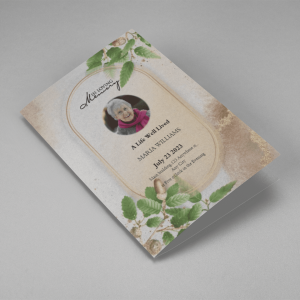
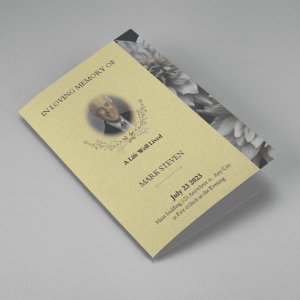
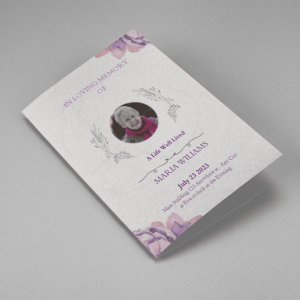
Funeral obituary templates
If you’re starting from scratch, templates can help you structure a respectful tribute and include the key details your family wants to share.











Obituary information at a glance
- Preserves memories: creates a record of a life and helps preserve a family legacy.
- Honors a life: acknowledges achievements and makes space for remembrance.
- Supports closure: gives loved ones an opportunity to reflect and connect with the community.
- Serves practical needs: can share notification details and funeral or memorial service information.
- Allows personalization: can be tailored to reflect the person’s story and personality.
Why obituary information matters
1) Preserving memories
- Historical record: Obituaries are often used as historical records, sharing helpful information about individuals and their contributions. See an obituary example.
- Family legacy: Obituaries help preserve a family’s legacy so future generations have a record of their ancestors’ lives.
2) Honoring a life
- Acknowledgment: Obituaries recognize a person’s life and achievements—whatever the scale—so they’re not forgotten.
- Celebration: They create space for friends and family to celebrate the life of the deceased and the impact they had on others.
3) Closure for loved ones
- Grieving process: Obituaries can support reflection and help loved ones process grief.
- Community support: They also provide a way for the community to offer condolences and support to the family.
4) Practical purposes
- Notification: Obituaries inform friends, extended family, and acquaintances so people know to pay their respects.
- Logistical information: They often include details about funeral or memorial services for those who wish to attend.
5) Personalization
- Meaningful tribute: Obituaries can be personalized to reflect the person’s personality and life.
- Legacy projects: Some families use obituaries as part of legacy projects—sharing the story in a way that feels right to them.
Helping videos for funeral programs
If you’re planning service materials, these videos may offer practical guidance for putting together a meaningful program.
Frequently asked questions
What is an obituary, in plain terms?
An obituary is a tribute that shares information about someone who has passed away—often describing their life, accomplishments, and the impact they had on others.
How does obituary information help loved ones?
Obituaries can help loved ones process grief through reflection, and they can also show community support through shared condolences and remembrance.
Do obituaries always include funeral or memorial details?
Many obituaries include details about funeral or memorial services so people know how and when to attend. The specific information can vary depending on what the family wants to share.
Can an obituary be personalized?
Yes. Obituaries can be shaped to reflect the person’s personality and story, helping create a more meaningful tribute for family and friends.
Where do obituaries appear today?
While obituaries were traditionally published in newspapers, they now often appear online as well—serving as a lasting memorial.
How can I start if I’m writing an obituary?
Begin by gathering the key details you want to share about the person’s life, accomplishments, and (if available) service information. From there, you can use obituary templates to structure the tribute clearly.