
How to Handle Delicate Issues When Writing Obituaries
Knowing how to handle delicate issues when writing obituaries can make an already difficult task feel even heavier. When a person’s life or death involves private, painful, or complicated circumstances, the goal is not to explain everything. It is to create a respectful record that honors the person and gives loved ones the information they need.
When possible, pause before publishing. Consider the wishes of the deceased and immediate family, and ask the people most directly affected how they would like sensitive details handled.
A respectful approach before you begin
Agree on the obituary’s purpose and level of detail before anyone begins writing. Keep the language factual, brief, and centered on remembrance.
- Include the essentials: the person’s name, meaningful life details, family information, and service details if the family wishes to share them.
- Leave out details that do not support remembrance or help inform readers.
- Keep private disagreements, grievances, and unresolved family concerns out of the public notice.
An obituary may be published by a funeral home or mortuary, in a newspaper, or in a funeral program. Sensitive circumstances do not need to become the center of it.
How to handle delicate issues when writing an obituary
Deciding whether to mention the cause of death
It is acceptable to omit the cause of death, particularly when sharing it would be difficult for the family. Other families may prefer a short, direct mention. There is no single right choice.
Discuss the decision with close family members and keep the deceased person’s known wishes in mind. If a cause is included, a simple statement is often enough.
Addressing suicide, violence, or traumatic loss
Deaths involving suicide, violence, or trauma can be particularly painful to describe. Families may choose not to state the cause of death, or they may decide on a brief acknowledgment that feels right to them.
Give those closest to the loss time and space to decide. Avoid language that assigns blame, speculates about circumstances, or turns a private loss into a public explanation.
Including family members and relationships with care
Family listings can become complicated after estrangement, divorce, remarriage, or blended-family relationships. Choose a consistent approach and review every name carefully before publication.
- List immediate family members by name, then refer to extended relatives collectively; or
- Use a shorter family statement when a detailed list may create confusion or hurt.
When possible, confirm names and preferred wording with the people being mentioned. If there are different views about a marriage, partnership, or long-term relationship, speak with the surviving partner and use terms that reflect the relationship as they wish it to be recognized.
The obituary should honor the deceased person’s life and the people important to them, rather than reflect another relative’s approval or disagreement.
Review the obituary before publishing
- Check that names, relationships, and dates are accurate.
- Ask whether each detail supports remembrance and informs readers.
- Remove private details that do not need to be public.
- Have a close family member, especially someone directly affected by sensitive details, review the final draft.
- Use calm, respectful wording throughout.
A thoughtful obituary does not have to tell every part of a story. It can simply remember a person with care and dignity.

Add the obituary to a funeral program
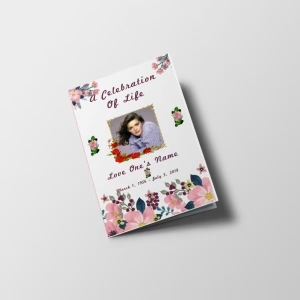
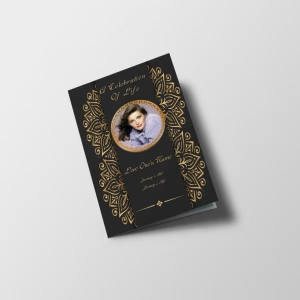
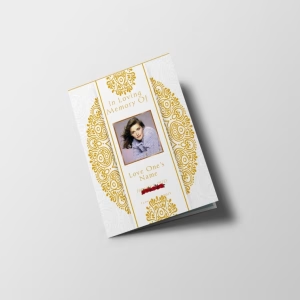
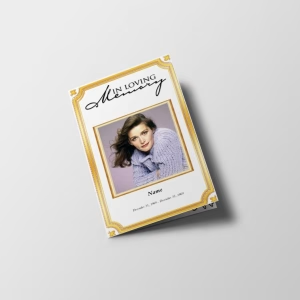
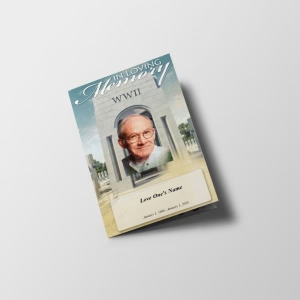
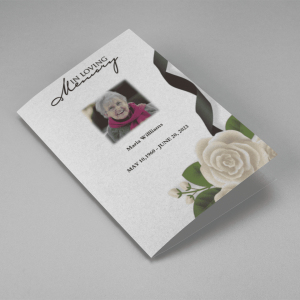
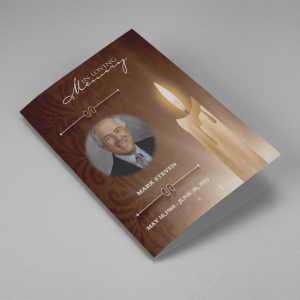
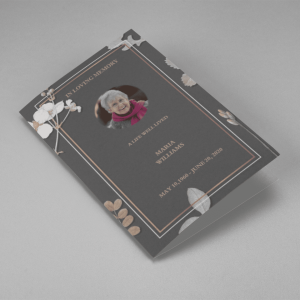
After finalizing the obituary, you may wish to include it in a funeral program as a lasting tribute for family and friends.




Frequently asked questions
Do you have to include the cause of death in an obituary?
No. Families may omit the cause of death, especially when it is private or difficult to discuss. Others may choose a brief statement. The decision should reflect the family’s wishes and, when known, the wishes of the deceased.
How should an obituary handle estranged relatives?
Decide on a consistent family-listing approach before publishing. You might name immediate family members and refer to extended relatives collectively, or use a shorter family statement when a detailed list could be painful or confusing.
Should a surviving partner be included if relatives do not approve of the relationship?
An obituary should honor the deceased and acknowledge the people important in their life. Speak with the surviving partner and use wording that respectfully reflects the relationship.
Is an obituary the right place to explain difficult family history?
Usually not. An obituary is best used to remember the person and share essential information. Private conversations, letters, or counseling may be more appropriate for unresolved family concerns.
Who should review an obituary before it is published?
Have close family members review the draft, particularly anyone directly affected by sensitive details or family listings. Check names, relationships, dates, and wording before publication.
Add a review
Your email address will not be published. Required fields are marked *