
The Importance of Funeral Planning: Templates and Personalization
Understanding Funeral Planning
When faced with the loss of a loved one, planning a funeral can often feel overwhelming. The emotional burden can cloud decision-making, making it essential to have a comprehensive guide to navigate the process. This guide not only helps in organizing the logistics but also allows families to honor the deceased in a meaningful way.
The Role of Funeral Programs
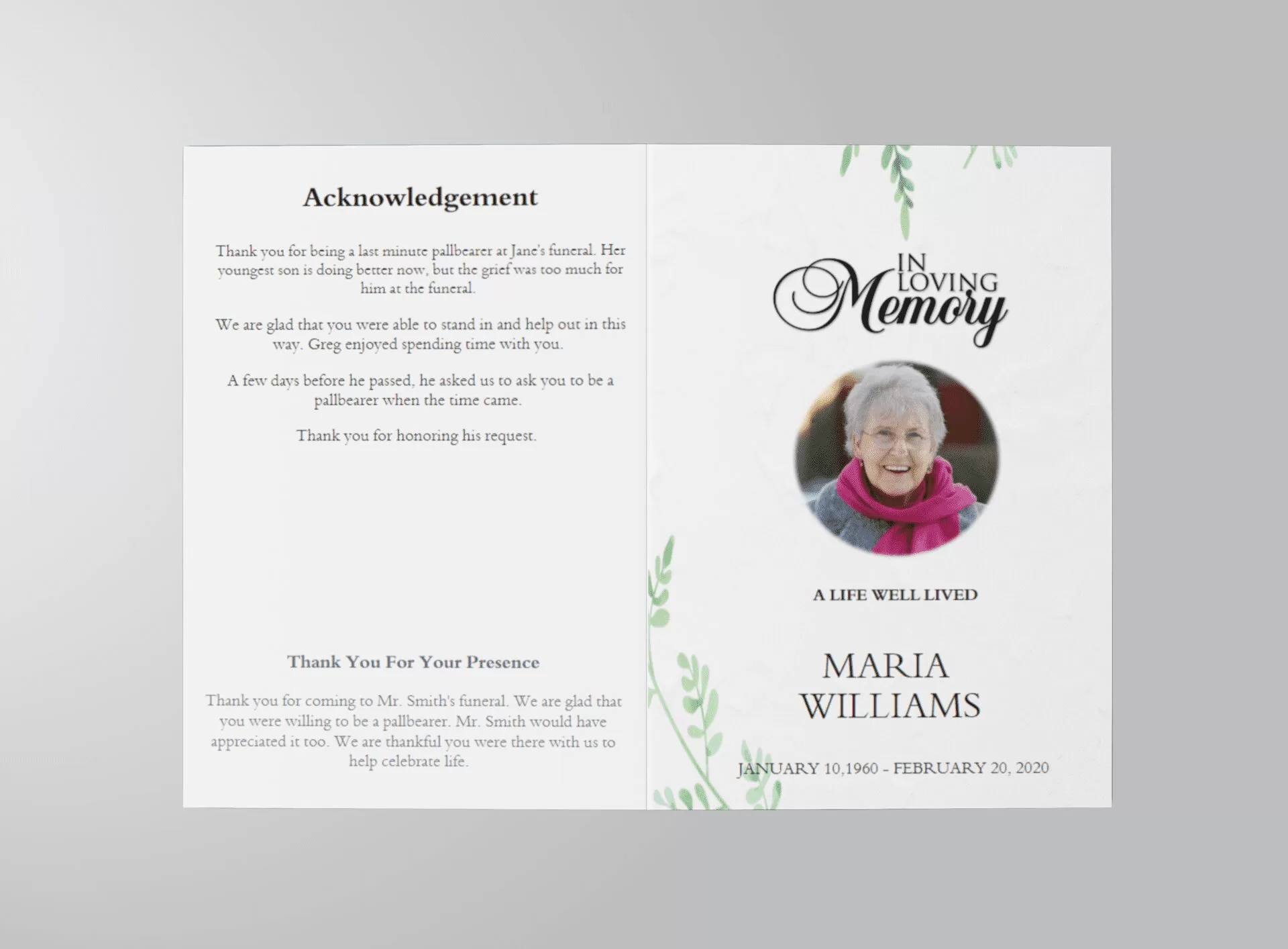
Funeral programs serve as a tangible keepsake for attendees, detailing the order of service and celebrating the life of the deceased. Utilizing funeral home programs templates can significantly ease the burden of creating these programs, ensuring that families can focus on what truly matters—remembering their loved one.
Templates for Every Need
There are various templates available that cater to specific needs. For instance, a funeral service program template can help outline the ceremony, including readings, songs, and speakers, making it easier for families to coordinate. Similarly, a memorial service program template offers a way to capture memories and share stories, which can be comforting for those grieving.
Personalization Ideas
Personalizing these programs can create a more profound impact. Families can include favorite quotes, photographs, and even stories that reflect the personality of their loved one. Engaging in such personalization not only honors the deceased but also provides a sense of closure and connection for those attending.
Understanding Funeral Prayer Cards
Another essential element of funeral planning is the use of prayer cards. These small cards typically feature a prayer or a special message, serving as a comforting reminder of the deceased. They can be distributed during the service or sent to attendees afterward as a token of appreciation for their support.
Navigating the Planning Process
As families navigate the complexities of funeral planning, having the right resources can make a world of difference. For those seeking a structured approach, consider utilizing navigational guides that outline key steps and considerations. These resources provide essential insights, allowing families to make informed decisions even during challenging times.
Engaging with Your Community
Involving family members and close friends in the planning can also ease the burden. Sharing ideas and responsibilities can create a supportive environment where everyone feels included in the process. This collaborative approach not only fosters healing but also builds a network of support as families come together to honor their loved one.
Finding the Right Funeral Home
Choosing the right funeral home is another crucial step in the planning process. Look for options that resonate with your family’s values and provide the services you need. Researching and reading reviews can help guide your decision. A compassionate funeral home can ease the logistics, allowing families to focus on celebrating life.
Conclusion
Planning a funeral is an act of love, a final tribute to a life well-lived. By utilizing templates and personalizing elements of the service, families can create a meaningful experience that resonates for years to come.