
Eulogy Examples
Writing a eulogy can feel difficult when there is so much you want to say. These examples and templates offer a starting point, so you can shape a sincere tribute around the memories, qualities, and moments that made your loved one unique.
You do not need to say everything. A few honest stories and a heartfelt farewell can be enough.

Choose a Eulogy Template
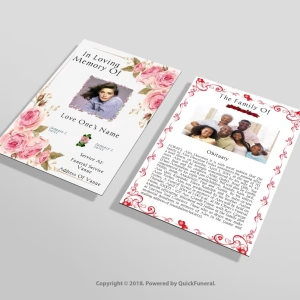
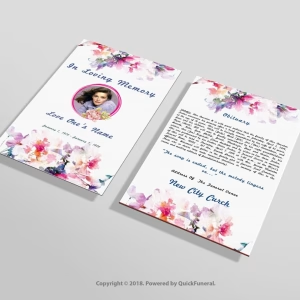
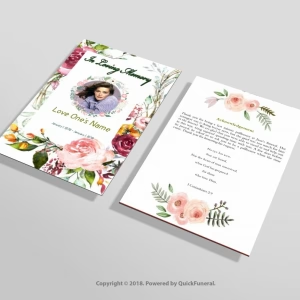
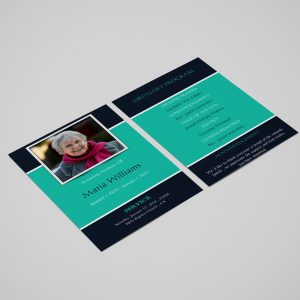
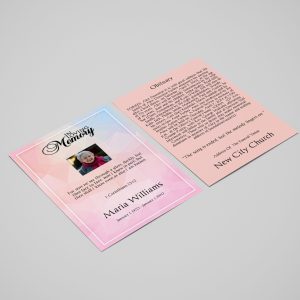
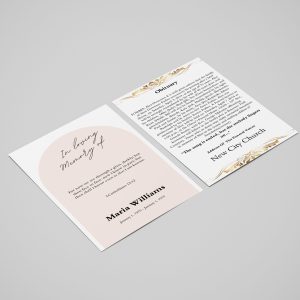
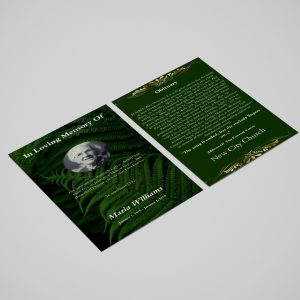
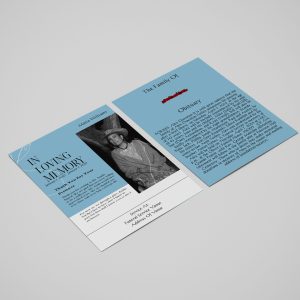
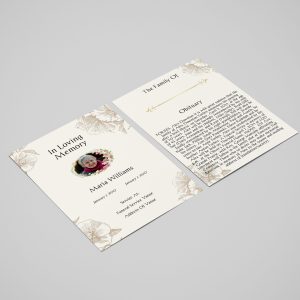
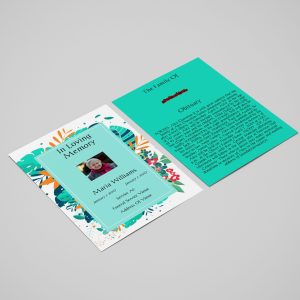
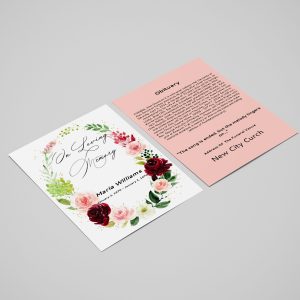
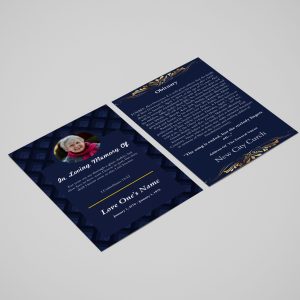
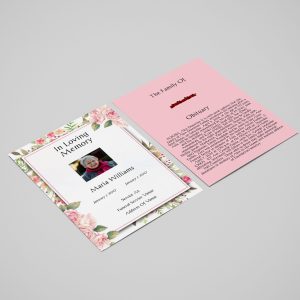
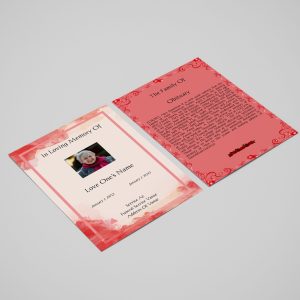
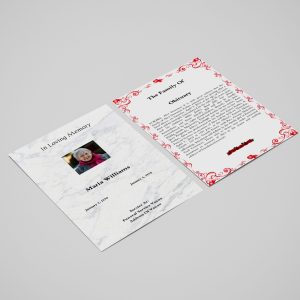
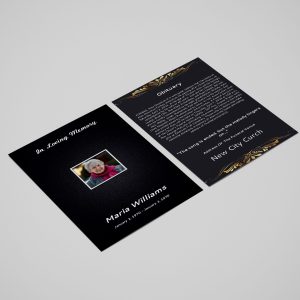
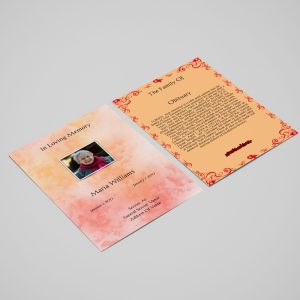
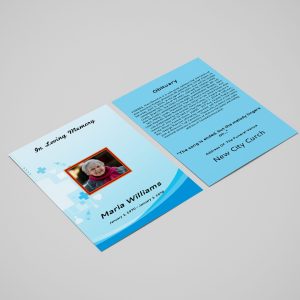
If you would prefer a guided starting point, choose a pre-designed eulogy template to personalize and print.

How to Use These Eulogy Examples
Use an example as a framework rather than a script. Replace the bracketed prompts with details that sound like your loved one and your relationship with them.
- Choose an example that matches your relationship or the setting.
- Add one or two specific memories, such as a family tradition, conversation, hobby, or act of kindness.
- Keep the language natural. It is all right to use simple words.
- End with a thought, thank-you, or goodbye that feels true to you.
A simple eulogy structure
- Introduce yourself. Share your name and relationship to the person being remembered.
- Describe who they were. Name a few qualities, values, passions, or roles that mattered to them.
- Tell a meaningful story. A specific memory often says more than a long list of accomplishments.
- Reflect on their impact. Explain what they taught, gave, or meant to the people around them.
- Close with a farewell. Offer a final message of love, gratitude, or remembrance.
A eulogy is commonly around five to ten minutes, but the right length is the one that fits the service and allows you to speak comfortably.
Eulogy Examples for Family, Friends, and Colleagues
Adapt these short eulogy samples with real details, names, and memories. You can combine parts from more than one example if that helps you create a tribute that feels personal.
“Good afternoon, everyone. My name is [Your Name], and I am [Father’s Name]’s [son/daughter/child]. My father taught me the importance of integrity, hard work, and caring for the people around you. I will always remember [a weekend tradition, conversation, or shared activity]. His love and guidance will remain with our family. Dad, thank you for everything.”
“Hello, everyone. I’m [Your Name], [Mother’s Name]’s [son/daughter/child]. My mother had a gift for making people feel welcome, loved, and cared for. I will always remember [a meal, family tradition, warm hug, or piece of advice]. Her kindness shaped our family in ways we will carry forward. Mom, you are deeply loved and dearly missed.”
“My name is [Your Name], and [Name] was my [brother/sister/sibling]. Growing up together gave us a lifetime of memories, from [shared memory] to the quieter moments when we simply understood each other. [Name] brought [humor, strength, generosity, or another quality] into our lives. I will miss them deeply and will always be grateful to have been their sibling.”
“I am [Your Name], and [Grandparent’s Name] was my [grandmother/grandfather]. They were a source of love and wisdom in our family. I will always treasure [a favorite tradition, recipe, story, or time together]. Their life reminds us of the importance of family, kindness, and showing up for one another. [Grandma/Grandpa], your love will stay with us.”
“Good [morning/afternoon]. I’m [Your Name], and I had the privilege of calling [Friend’s Name] my friend. We met [how or where you met], and I quickly learned that [Name] was someone who [personal quality or action]. I will always remember [shared adventure, conversation, or funny moment]. Their friendship was a gift, and their place in our lives will never be forgotten.”
“My name is [Your Name], and I was fortunate to be [Team-mate’s Name]’s teammate. [Name] brought dedication, encouragement, and a true sense of teamwork to every [practice/game/match]. I will remember [a particular game, achievement, or team moment] and the way they supported those around them. Their spirit will remain part of this team.”
“Hello, I’m [Your Name], and I had the privilege of working with [Co-worker’s Name]. [Name] was known for [their professionalism, generosity, calm presence, or another quality]. I especially remember [a project, daily ritual, or way they helped others]. Their contribution went beyond their work; they made a meaningful difference to the people around them. They will be greatly missed.”
“My name is [Your Name], and I had the honor of knowing [Name]. [Name] brought compassion and dedication to the people in their care. Those who knew them saw not only their commitment to their work, but also their kindness and humanity. I will remember [a personal memory or example of their character]. Their care and presence touched many lives.”
“I’m [Your Name], and I had the honor of knowing [Name]. [Name] was remembered for their courage, commitment, and care for the people beside them. I will always remember [a shared experience or personal quality]. While we grieve this loss, we also remember a life of service, strength, and love for family and friends.”
What Is a Eulogy?
A eulogy is a speech shared at a funeral or memorial service to honor and remember someone who has died. It may include personal stories, reflections on their character, important life moments, and the impact they had on others.
There is no single correct tone. A eulogy can be gentle, reflective, celebratory, or occasionally humorous when that genuinely reflects the person being remembered. The most important thing is that it is sincere and respectful.
What to include
- Your relationship to the person.
- A few words that describe their character or values.
- One or two personal stories or shared experiences.
- Meaningful milestones, hobbies, passions, or contributions.
- A final reflection, quote, poem, or goodbye.
A meaningful quote or poem can add comfort when it reflects the person’s life or beliefs. You may also find inspiration in these memorial card verses and remembrance quotes.
Helpful Tips for Writing and Delivering a Eulogy
- Start with memories, not perfect sentences. Write down stories, phrases, and details that come to mind before trying to organize them.
- Choose a few meaningful moments. You are not expected to summarize an entire life in one speech.
- Write as you would speak. Plain, familiar language is often the most moving.
- Practice out loud. This can help you adjust the length and become more comfortable with the words.
- Bring a printed copy. Reading your eulogy is completely acceptable. Pause, take a breath, and take your time.
- Ask for support if needed. A family member, friend, or clergy member can read the eulogy for you if speaking feels too difficult.
If you are also preparing other words for the service, visit our funeral speeches resource for additional guidance.
Related Memorial Resources
A eulogy is one part of remembering a loved one. If you are preparing printed materials for the service, you may also find these resources helpful:
- Obituary Templates for creating a printable obituary online.
- Obituary Template options to edit online and download as a printable PDF.
- Obituary Program resources for a printable format that shares a loved one’s life and remembrance.
Eulogy FAQs
A typical eulogy lasts about five to ten minutes. Focus on the memories and reflections that feel most important rather than trying to include every detail of a person’s life.
Begin by listing memories, qualities, life events, and stories that stand out. Choose a few key points, arrange them into a simple beginning, middle, and ending, then write a first draft in your own voice.
Emotion is natural. Pause, take a breath, and continue when you are ready. Practicing beforehand and bringing a printed copy can help. You can also ask someone you trust to be ready to take over if necessary.
Reading it is perfectly acceptable and can make a difficult moment easier. If you can, look up occasionally, but there is no need to memorize the speech.
Yes, when it is respectful and reflects the person’s personality or a memory you shared. A gentle, genuine story can bring comfort and help people remember the joy they brought to others.
Yes. A family member, friend, or clergy member can read your words on your behalf if you do not feel able to speak at the service.
Add a review
Your email address will not be published. Required fields are marked *