
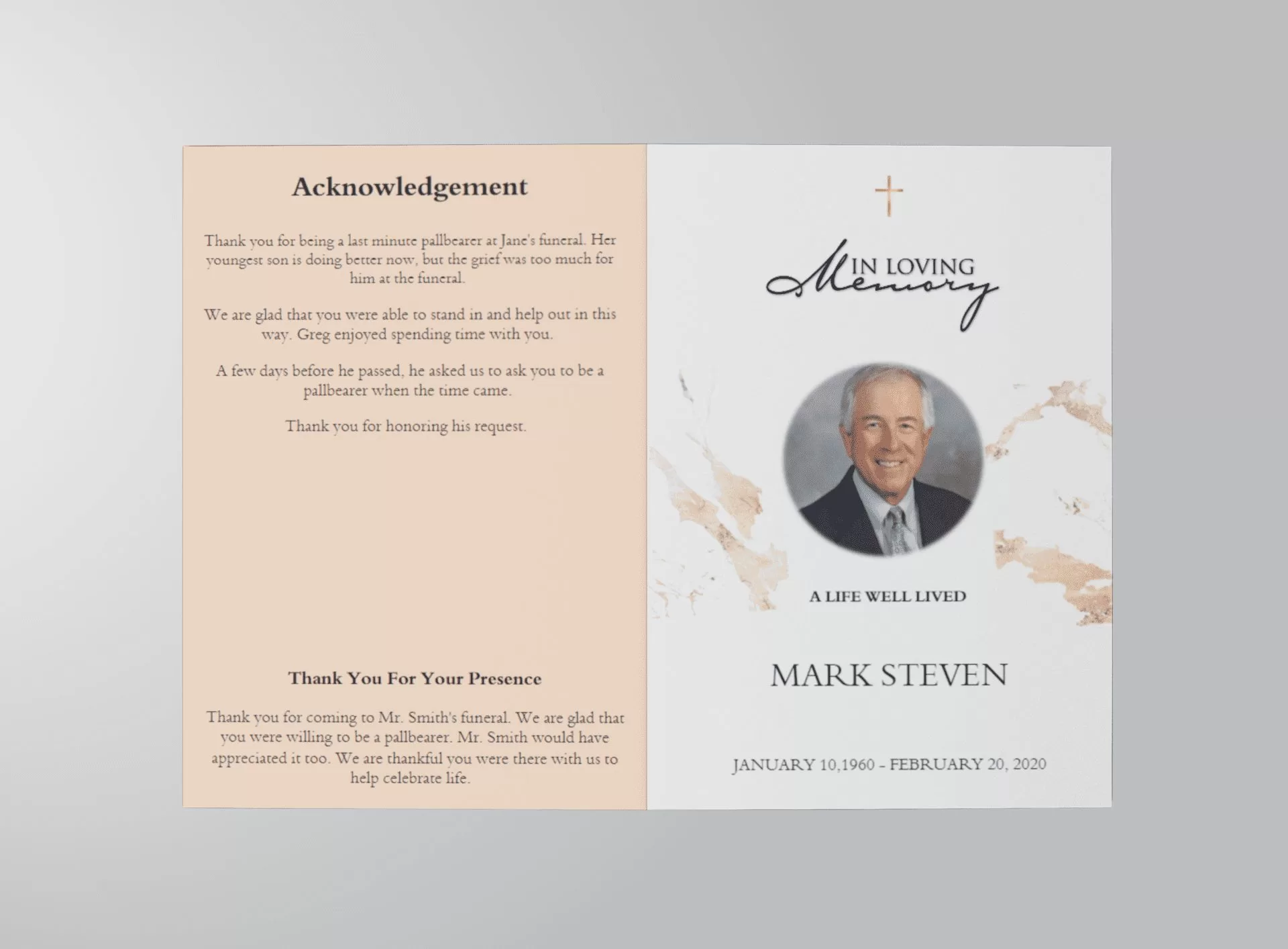
Understanding the Essentials of Funeral Planning

Understanding the Essentials of Funeral Planning
Planning a funeral is a significant responsibility that can arise after the loss of a loved one. This process can be overwhelming, especially during a time of grief. However, with the right resources and support, you can navigate through this challenging journey with grace and dignity.
The Importance of Funeral Planning
Funeral planning ensures that the wishes of the deceased are honored and that the family has a clear direction during a highly emotional time. It provides an opportunity to celebrate the life of your loved one and allows for a personal touch in the arrangements. Here are some key reasons why planning is essential:
- Emotional Closure: A well-planned funeral can provide closure for friends and family.
- Respecting Wishes: It allows you to respect the wishes of the deceased regarding how they want to be remembered.
- Financial Considerations: Pre-planning can help manage costs and prevent financial strain on the family.
Steps to Effective Funeral Planning
Here are some steps to consider when planning a funeral:
- Gather Information: Collect essential details about the deceased, including personal wishes and any pre-arrangements they may have made.
- Select a Funeral Home: Research and choose a funeral home that aligns with your family’s values and budget. For detailed guidance, refer to our navigating funeral planning article.
- Choose a Service Type: Decide whether you want a traditional funeral service, a memorial service, or a different type of gathering.
- Plan the Details: Consider the location, date, and time of the service. Additionally, think about the type of music, readings, and speakers you wish to include.
- Communicate with Family: Involve family members in the planning process to ensure that everyone’s wishes are considered.
Types of Funeral Services
Understanding the different types of funeral services can help you make informed decisions:
- Traditional Funeral Service: Typically includes a viewing, ceremony, and burial.
- Memorial Service: A service held without the body present, often focused on celebrating the life of the deceased.
- Graveside Service: A short service held at the cemetery, often following a traditional service.
Support and Resources
During this time, it’s essential to seek support. Resources like our Essential Guide to Funeral Planning and Support can provide valuable insights. Additionally, consider reaching out to community support groups or counseling services to help you cope with your loss.
Financial Considerations
Funeral costs can vary significantly based on the type of service and arrangements made. To help you navigate these financial aspects, our Comprehensive Guide to Funeral Planning offers tips on budgeting and managing expenses.
Final Thoughts
While planning a funeral can be a daunting task, it is also an opportunity to honor your loved one’s memory. By understanding the essentials of funeral planning and utilizing available resources, families can create a meaningful farewell that reflects their loved one’s life.