

Yes, a person can write their own obituary, and doing so has become increasingly popular. Writing your own obituary allows you to share your life story in your own words, ensuring that your legacy is preserved accurately. It also relieves loved ones of the emotional burden of writing an obituary during a difficult time.
Planning your own obituary can be a therapeutic process, offering a moment of reflection and a chance to leave behind meaningful messages.
Why Would Someone Write Their Own Obituary?
1. Control Over Your Story
Writing your own obituary allows you to highlight important milestones, achievements, and values that defined your life. Instead of leaving it to others to decide what to include, you can ensure that your story is told the way you want it to be remembered.
2. Eases the Burden on Family
Losing a loved one is emotionally challenging, and writing an obituary during grief can be overwhelming. By preparing your own obituary, you relieve your family from the stress of writing one, allowing them to focus on mourning and celebrating your life.
3. Personalized Farewell Message
An obituary is not just about listing facts; it is also an opportunity to leave a final message. Whether it’s a heartfelt note to loved ones, a humorous remark, or a piece of wisdom, you can ensure your voice is heard one last time.
4. Reflecting on Your Life
Writing your obituary is an introspective exercise that allows you to evaluate your life’s journey. It helps you appreciate your accomplishments and even make changes while you still have time to create the legacy you want.
How to Write Your Own Obituary
1. Start with the Basics
Include essential details such as:
- Full name (including maiden name if applicable)
- Date and place of birth
- Date and place of passing (can be left blank until later)
- Names of immediate family members (spouse, children, grandchildren, siblings, etc.)
2. Summarize Your Life Story
Describe your background, education, career, passions, and any significant accomplishments. Highlight what made you unique and the values you cherished.
3. Include Personal Achievements and Contributions
- Career milestones
- Community service or volunteer work
- Hobbies, passions, or favorite activities
- Any organizations or clubs you were a part of
4. Share Special Memories and Messages
Write about cherished memories, meaningful experiences, or life lessons. You can also add a personal message to family and friends.
5. Add Funeral or Memorial Details
If you have pre-planned your funeral or memorial service, include details such as the location, date, and time. You may also specify if you prefer donations to a charity instead of flowers.
6. Keep It Concise and Meaningful
While you want to include important details, avoid making it too lengthy. A well-written obituary should be engaging, heartfelt, and easy to read.
7. Review and Edit
Read through your obituary to ensure it accurately reflects your life. You can also ask a trusted friend or family member to review it for clarity and completeness.
Example of Obituary : Helpful In Writing Own Obituary
Using an example of obituary as a guide can make writing your own obituary easier and more structured. Here’s how:
- Provides a Clear Format – Examples show how to structure an obituary, including key sections like introduction, life summary, and funeral details.
- Ensures Important Details Are Included – Examples help you remember to include essential information like birth and death dates, family names, and achievements.
- Inspires Personalization – Seeing how others have crafted their obituaries can inspire you to add unique elements such as special messages or meaningful anecdotes.
- Makes Writing Less Overwhelming – A template or example simplifies the process, making it easier to start and complete your own obituary.
- Helps Set the Right Tone – Examples guide you in choosing a tone that matches your personality, whether it’s formal, heartfelt, or even humorous.
How QuickFuneral.com Helps in Creating Obituaries
QuickFuneral.com offers a simple and convenient way to create obituaries. Here’s how it helps:
1. Easy-to-Use Templates
QuickFuneral.com provides professionally designed obituary templates that allow users to quickly create a polished and structured obituary. These templates are customizable, making it easy to personalize your message.
2. Step-by-Step Guidance
The website offers helpful prompts and guidance to ensure that users include all essential details while making the obituary heartfelt and meaningful.
3. Printable and Digital Options
Users can download, print, or share their obituary online, making it easy to distribute among friends and family.
4. Time-Saving and Stress-Free
With an intuitive design, QuickFuneral.com streamlines the obituary-writing process, saving time and reducing stress for both individuals writing their own obituary and families preparing one for a loved one.
5. Examples and Inspiration
For those unsure of where to start, QuickFuneral.com provides sample obituaries for inspiration. This ensures that users can write a meaningful and structured message without feeling overwhelmed.
Writing your own obituary is a meaningful way to take control of your legacy, ease the burden on your family, and ensure your life is remembered exactly how you wish. By using QuickFuneral.com, individuals can effortlessly create a professional, heartfelt obituary with user-friendly templates and guidance. Start planning today and leave behind a tribute that truly reflects your life and values.
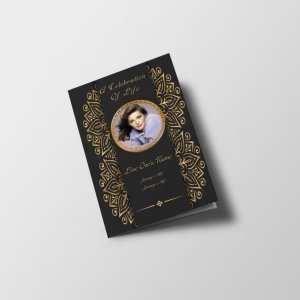
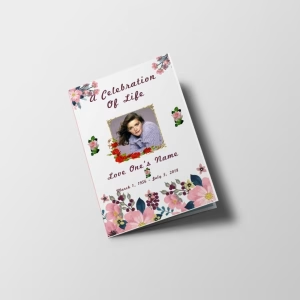
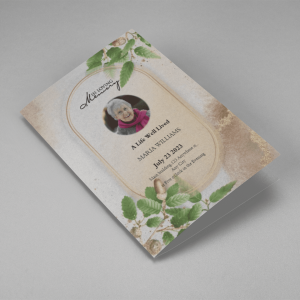
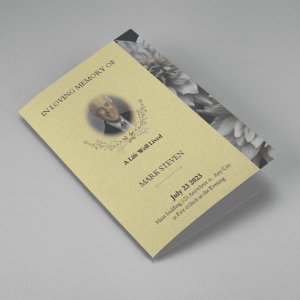
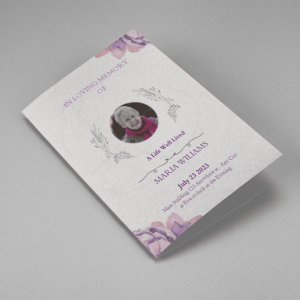
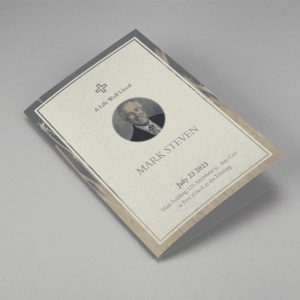
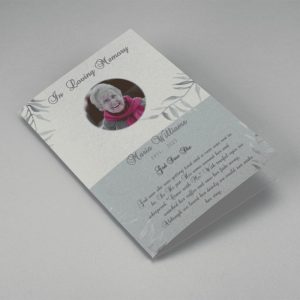
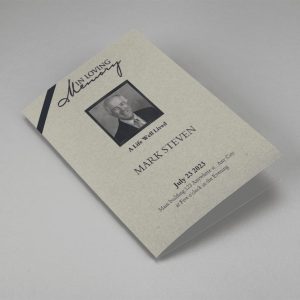
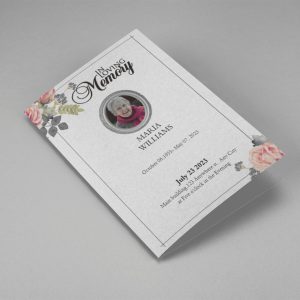
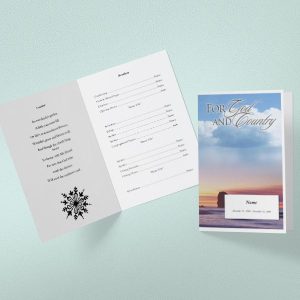
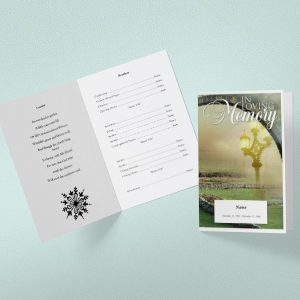
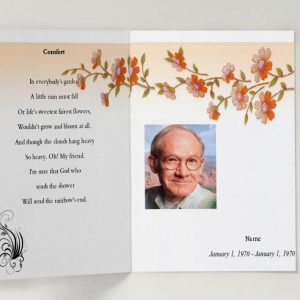
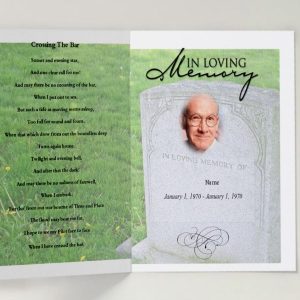
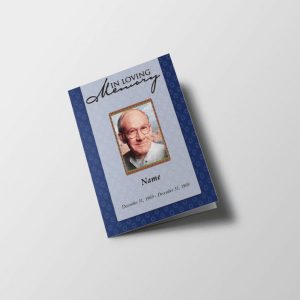
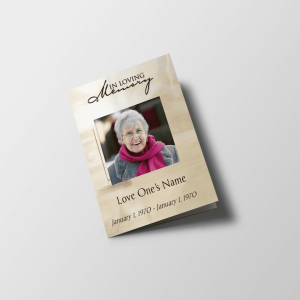
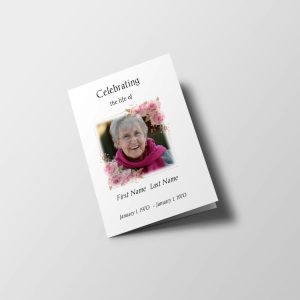
Funeral Obituary Templates











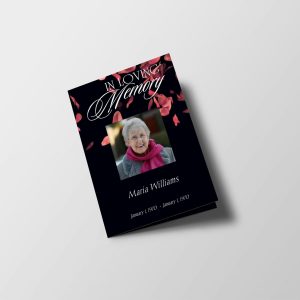
Funeral Programs : Helping Videos
Frequently Asked Question On Can A Person Write Their Own Obituary
Is it common for people to write their own obituary?
Yes, it is becoming more common. Many individuals choose to write their own obituary to ensure accuracy, express personal messages, and ease the burden on their loved ones.
What are the benefits of writing my own obituary?
Writing your own obituary allows you to control how your life story is told, include personal messages, and make the process easier for your family during a difficult time.
What should I include in my obituary?
Your obituary should include your full name, birth and (anticipated) death date, family details, major life accomplishments, hobbies, and a farewell message.
Can I update my obituary later?
Yes, you can write a draft and update it as needed. Many people revisit their obituary periodically to make changes.